Finance in Crypto: Understand Blockchain, Exchanges, and Compliance
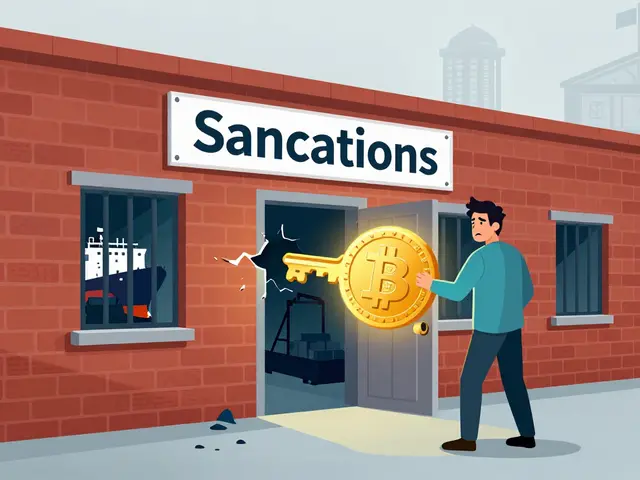
When you think about finance in crypto, the application of financial principles to decentralized digital assets and blockchain-based systems. Also known as blockchain finance, it’s not just about trading coins—it’s about how money moves, gets secured, taxed, and regulated in a world without banks. This isn’t theory. It’s what happens when someone in Nigeria uses P2P crypto to pay for groceries because their bank froze their account. It’s what happens when a startup in Dubai gets a loan using crypto as collateral because traditional lenders won’t touch them. And it’s what happens when North Korean hackers steal $3 billion to fund weapons—because crypto lets them bypass global financial controls.
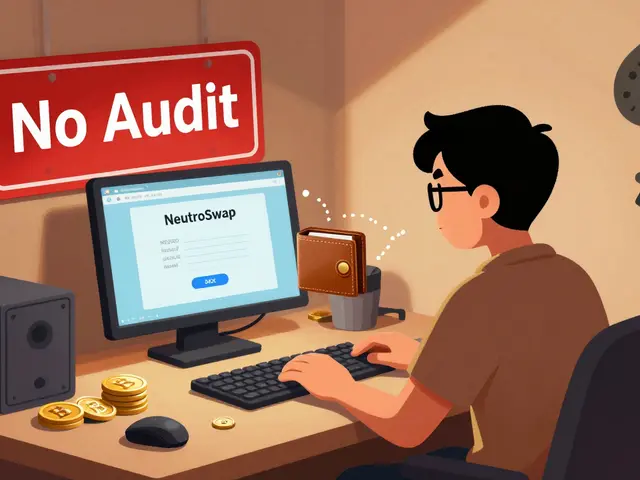
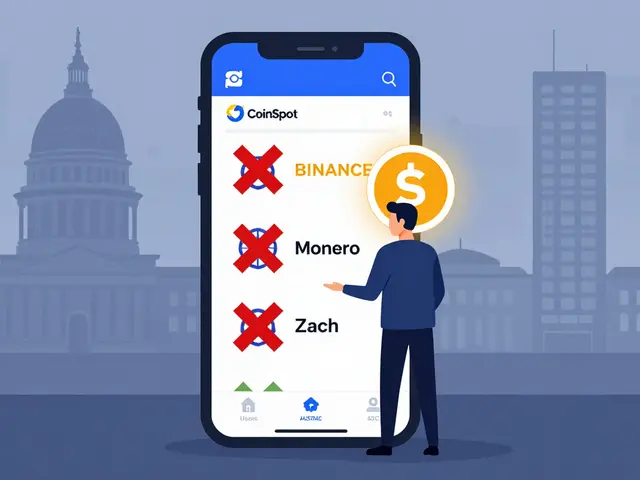
Crypto exchanges, platforms where people buy, sell, or trade digital assets. Also known as crypto trading platforms, they’re the storefronts of this new financial system. Some, like CoinDCX in India, are legally registered. Others, like Binance in certain countries, are blocked. Then there are ones like MochiSwap or Libre Swap—no team, no audits, no volume—just wild price swings and empty promises. These aren’t just apps; they’re gateways, and some are traps. Meanwhile, DeFi, a system of financial services built on open blockchains without middlemen. Also known as decentralized finance, it lets you earn interest on your crypto, swap tokens without a middleman, or borrow against your wallet like a bank—but without any safety net. Venus BNB lets you deposit BNB and earn yield. THORChain lets you swap BTC for ETH directly. But if you don’t understand how these work, you’re not investing—you’re gambling.
And then there’s crypto compliance, the rules and processes that businesses must follow to operate legally in crypto. Also known as blockchain regulation, it’s what separates legit projects from scams. The UAE got off the FATF grey list because they fixed their AML rules. The UK wants to be a crypto hub but moves too slow. In India, only FIU-IND registered exchanges are legal. If you run a business in crypto, you need a checklist: KYC, AML, licensing, cybersecurity. Skip this, and you’re not innovating—you’re risking jail.
What you’ll find below isn’t a list of headlines. It’s a practical map. You’ll see how cross-chain bridges get hacked, why airdrops like KCAKE are fake, how insurance claims get paid in minutes using blockchain, and why tokens like LifeTime and BIZZCOIN are dead. You’ll learn what’s legal versus what’s tax evasion, how leverage works in crypto without blowing up your account, and why some exchanges like Aerodrome Finance actually work while others don’t. This isn’t hype. It’s what you need to know to protect your money, understand the system, and spot real opportunity in a world full of noise.
Megaton Finance Crypto Exchange Review: Is It Safe or Dead?


Read our honest Megaton Finance review. We analyze its zero-volume status, TON network integration, and the dangerous phishing scams targeting users.
Shido DEX Review: Is This Low-Volume Crypto Exchange Worth Your Time?

A detailed review of Shido DEX, analyzing its low trading volume, token volatility, and user experience. Discover if this micro-cap decentralized exchange is worth your investment.
DCA vs Lump Sum Crypto: Which Strategy Wins in 2026?
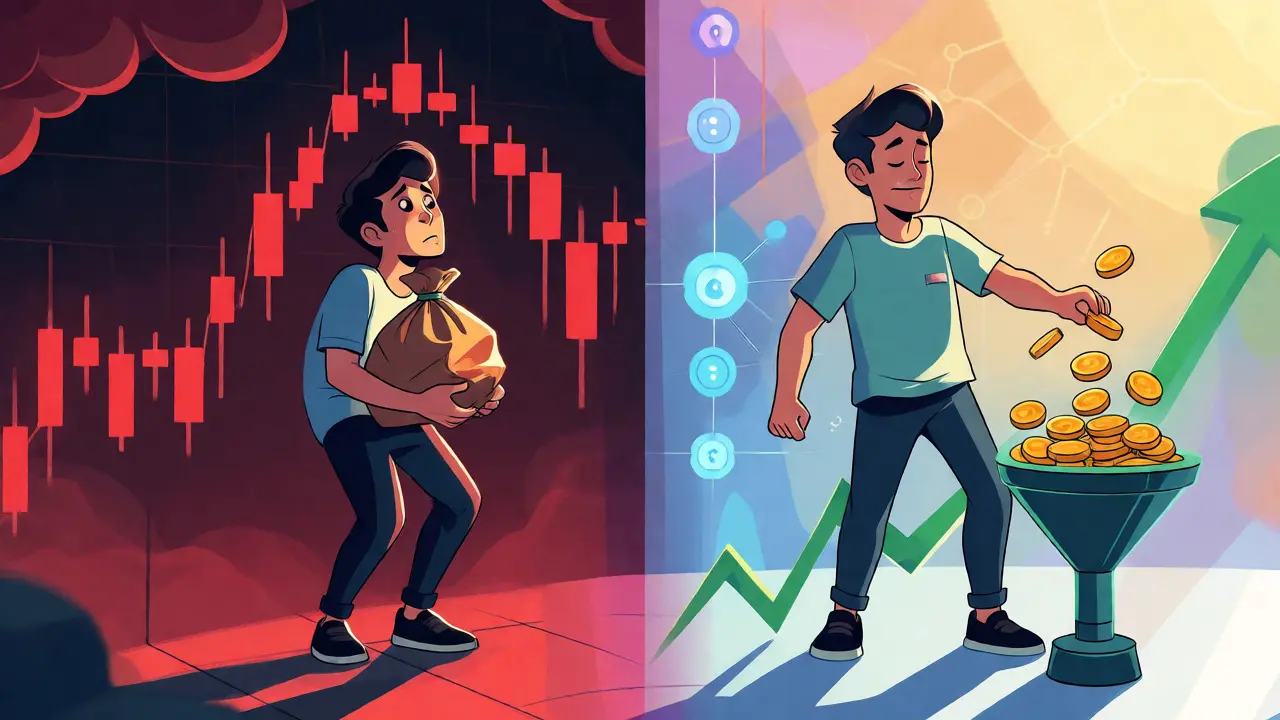
Explore the critical choice between Dollar-Cost Averaging and Lump Sum investing in crypto. Learn which strategy fits your risk tolerance and market outlook.
How Cypriots Access Cryptocurrency Exchanges: A Guide to MiCA, CySEC, and Local Rules

Discover how Cypriots navigate cryptocurrency exchanges under strict EU regulations. Learn about CySEC licenses, MiCA compliance, KYC requirements, and the favorable zero-capital-gains tax environment for crypto traders in Cyprus.
BSC AMP (BAMP) Airdrop: Reality Check on Token Distribution

Discover the reality behind the BSC AMP airdrop rumors. We analyze BAMP tokenomics, circulating supply, and why no confirmed distribution exists yet.
Arbiswap Crypto Exchange Review: Is It Worth Your Time in 2026?

Discover the reality of Arbiswap crypto exchange in our 2026 review. We analyze its low liquidity, tokenomics, and security to help you decide if it's worth your time.
KYC Data Security: Protecting Identity in Blockchain & Finance

Explore how KYC data security protects your identity in finance and blockchain. Learn about encryption standards, privacy laws, and the shift to decentralized identity.
No-KYC Crypto Exchange Shutdowns: Why Authorities Are Closing the Doors
Authorities worldwide are aggressively shutting down no-KYC crypto exchanges to fight money laundering. Learn why platforms like KuCoin and Huione face bans, and what this means for your assets.
Beeblock Crypto Exchange Review: Is It Real or a Scam?

Is Beeblock crypto exchange legit? Our review reveals it lacks regulatory registration and industry recognition. Discover why this platform raises red flags and explore safer, verified alternatives for your crypto investments.
HaloDAO (RNBW) x CoinMarketCap Airdrop: Details, Status, and What You Need to Know

Discover the truth behind the HaloDAO (RNBW) x CoinMarketCap airdrop. We analyze current token metrics, network requirements, and how to spot legitimate DeFi campaigns.
Mars Exchange Crypto Review: Scam Alerts & Red Flags
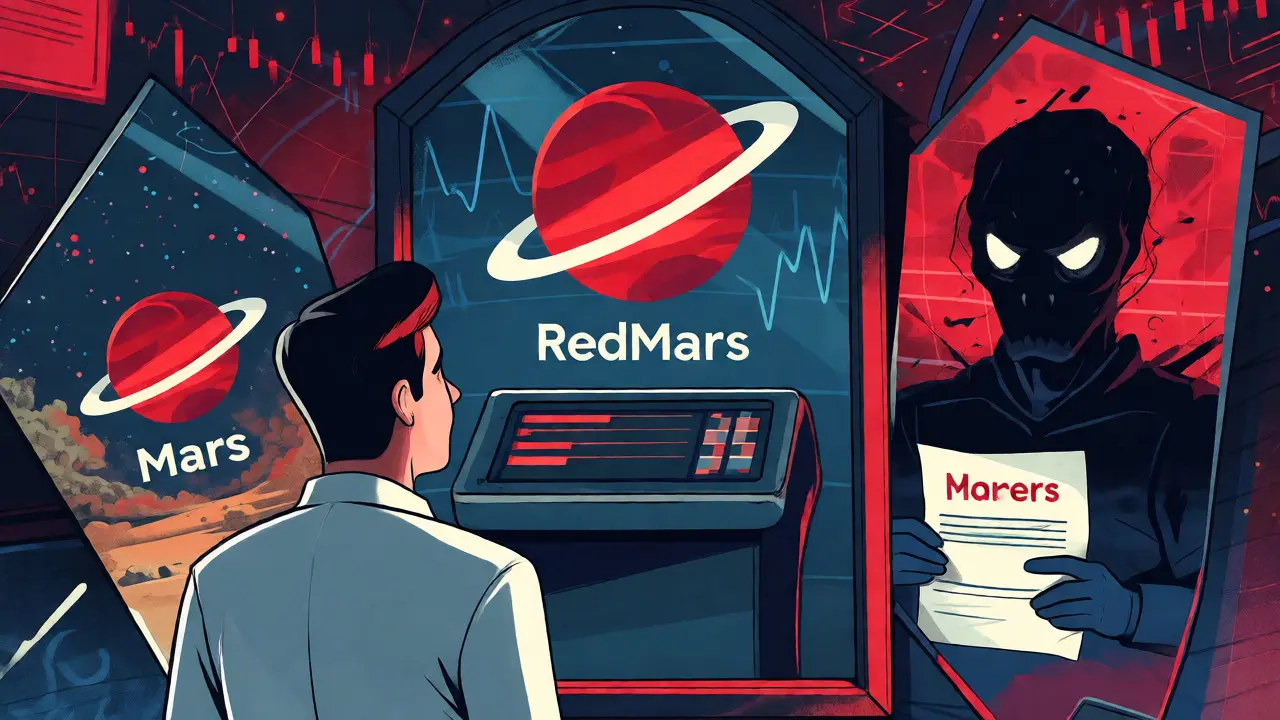
Confused by Mars Exchange? Discover why most Mars-branded crypto platforms are risky. We break down scam alerts, low traffic stats, and regulatory warnings.
Institutional Crypto Custody Solutions: A Guide to Secure Digital Asset Management
Explore institutional crypto custody solutions comparing bank-led, FinTech, and hybrid models. Learn about MPC security, insurance realities, and implementation costs.