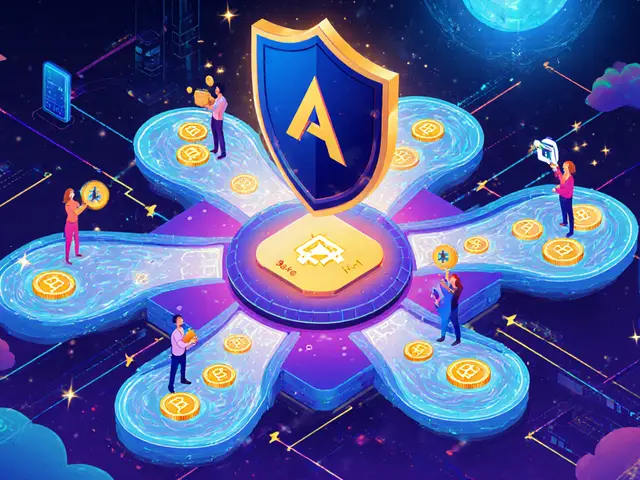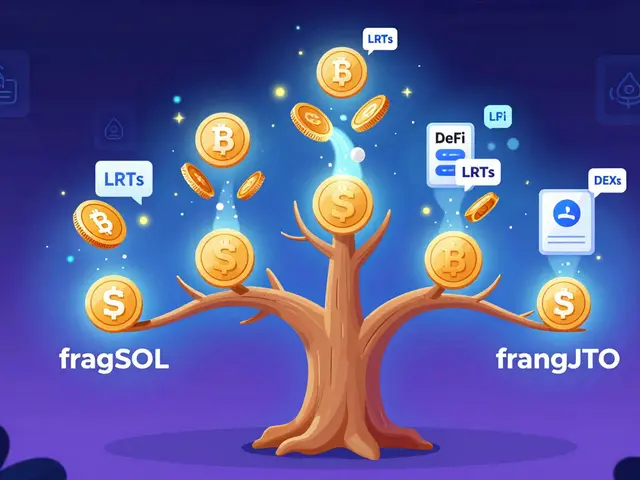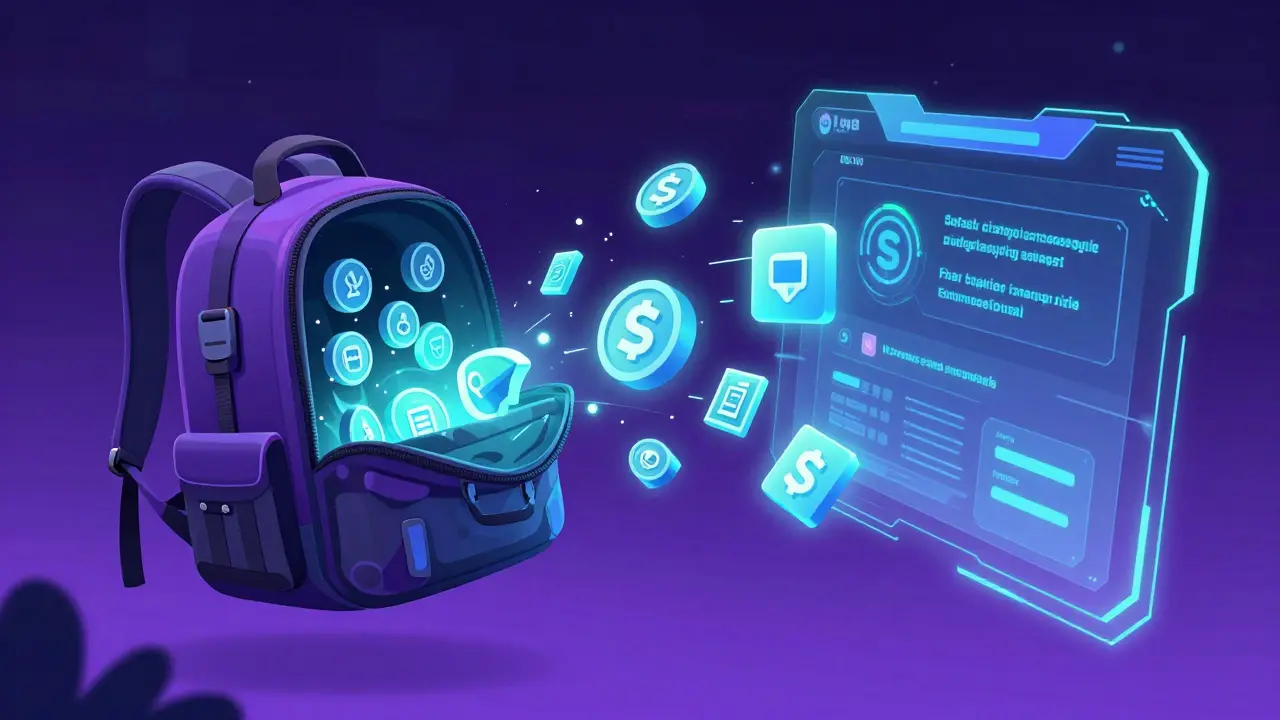

Most crypto exchanges feel like clones of each other-a list of coins, a chart, and a wallet. But Backpack Exchange is a centralized cryptocurrency exchange built on the Solana blockchain that merges trading with a self-custodial wallet and a unique xNFT ecosystem . It doesn't just want to be a place where you swap tokens; it wants to be your entire web3 hub. If you're tired of jumping between three different apps just to trade and manage your NFTs, this platform promises a streamlined experience. But is the trade-off in regulation worth the convenience?
Quick Takeaways: The Good and The Risky
- The Win: Incredible integration between the wallet and the exchange, especially for Solana users.
- The Edge: xNFTs and interest-bearing perpetual contracts that let you earn while you trade.
- The Warning: Lacks Tier-1 regulatory status in the US, UK, and EU, which is a red flag for conservative investors.
- The Cost: Very competitive fees, including zero fees for USDT/USDC pairs.
The Core Ecosystem: More Than Just a Trading Screen
To understand the exchange, you first have to understand the Backpack Wallet. Launched in 2022 by Armani Ferrante, the project started as a wallet before evolving into a full-scale exchange. This is a huge deal because it solves the "custody headache." Usually, when you move funds to a centralized exchange (CEX), you give up your keys. Backpack attempts to bridge that gap by keeping the self-custodial spirit alive while providing the liquidity of a CEX.
The secret sauce here is the xNFT. Unlike a standard JPEG on a blockchain, xNFTs are "executable NFTs." They aren't just art; they are apps. For example, the Mad Lads community-arguably the top NFT collective on Solana-is deeply integrated here. This means your NFT can actually trigger functions within the exchange, creating a social-trading hybrid that you won't find on platforms like Coinbase or Kraken.
Trading Features and the "Yield-While-Trading" Hook
If you're a serious trader, the standard spot market is just the baseline. Backpack attracts the pro crowd with interest-bearing perpetual contracts. In plain English: you can hold a leveraged position and earn yield on it simultaneously. They also have a system for automatic profit and loss realization, meaning you don't always have to manually close positions to lock in gains.
Their cross-collateral system is another standout. Instead of having to move funds between different "buckets" (like a spot account and a futures account), you can use a unified pool of assets to back your trades. It's a massive time-saver and reduces the risk of unnecessary liquidations if you're managing multiple sub-accounts.
| Feature | Value / Rate | Note |
|---|---|---|
| Maker Fee | 0.085% | Competitive for high-volume traders |
| Taker Fee | 0.095% | Standard CEX pricing |
| USDT/USDC Pairs | 0% | Zero fees for stablecoin swaps |
| BTC Interest | 0.03% | Compound interest on held assets |
| ETH Interest | 0.04% | Compound interest on held assets |
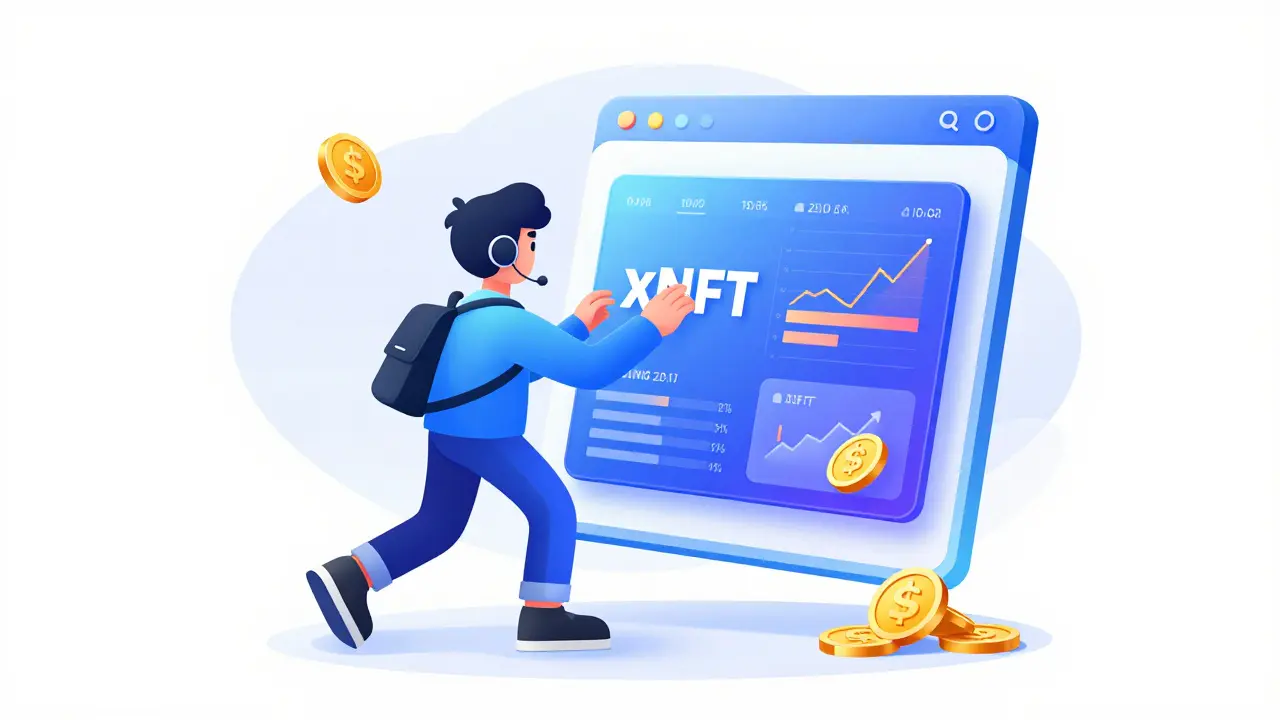
Sourcing Passive Income: Staking and Lending
For those who prefer a "buy and hold" strategy, the platform integrates Solana Staking directly into the interface. You don't need a separate validator app; you can pick a reputable node operator and start earning rewards with a few clicks. This deep integration is why the platform hit $60 billion in trading volume so quickly-it's just easier for the Solana community to stay within the ecosystem.
They also offer a non-custodial lending protocol for assets like USDC, BTC, and ETH. However, there's a catch: if you're based in the United States, these lending services are off-limits. It's a common restriction due to SEC regulations, but it's something to keep in mind if you were hoping to earn a percentage on your idle stablecoins.
The Security Elephant in the Room
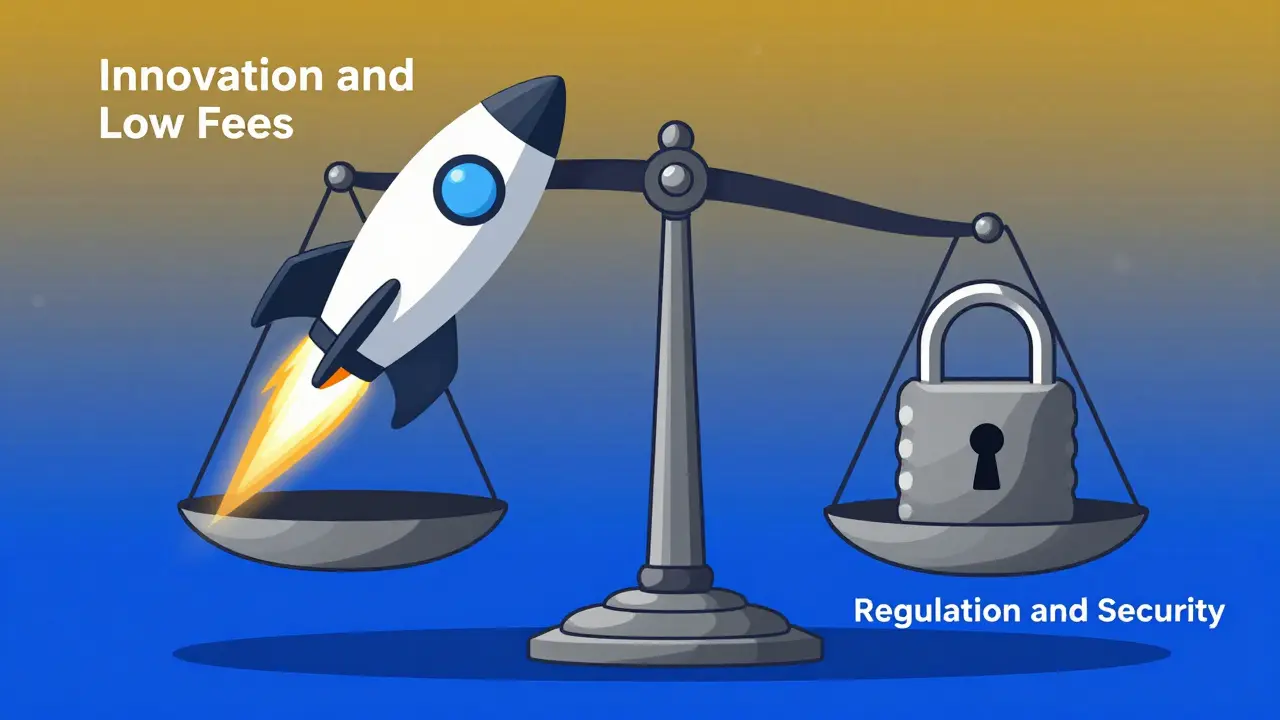
Here is where we need to be honest. If you're looking for a "fortress" exchange with government backing in every major country, Backpack isn't it. While they claim to be regulated in Dubai, they lack Tier-1 licenses in the US, UK, Germany, or Singapore. This is why some analysts, like those at Traders Union, give them a lower security score compared to giants like OKX or Kraken.
On the positive side, they haven't had a single successful hacker attack. They use cold wallet storage and two-factor authentication (2FA), which are the industry standards. But they are missing some of the "safety nets" that big exchanges have, such as a dedicated investor protection fund (similar to Binance's SAFU). You're betting on their technical competence rather than a government insurance policy.
User Experience: Is It Actually Better?
The numbers suggest users love it. With a bounce rate of only 32% and an average visit time of over 8 minutes, people aren't just clicking around-they're actually using the tools. The interface is snappy, and the transition from the wallet to the exchange is almost invisible. If you're already in the Mad Lads circle, the platform feels like a private club with professional tools attached.
However, the learning curve is slightly steeper than a basic app like Robinhood. Understanding cross-collateral and perpetual contracts takes a minute if you've never traded derivatives before. But for the average crypto enthusiast, the tradeoff for better features is usually worth the ten minutes of reading.
Final Verdict: Who Should Use Backpack?
Backpack isn't for everyone. If you are a risk-averse investor who needs the peace of mind that comes with a US-regulated entity, you should stick to the established giants. The lack of a global safety net is a real consideration.
But if you live and breathe the Solana ecosystem, enjoy the intersection of NFTs and trading, and want a platform that feels like the future of web3, this is a top-tier choice. It's fast, the fees are low, and the xNFT functionality is genuinely innovative. Just remember the golden rule of crypto: don't keep more on any exchange than you're comfortable losing, regardless of how many 2FA locks they have.
Is Backpack Exchange regulated?
Backpack Exchange has authorization in Dubai and claims to be government-regulated. However, it does not hold Tier-1 regulatory licenses in major jurisdictions like the United States, United Kingdom, or Singapore.
What are the trading fees on Backpack?
The platform uses a maker-taker model with maker fees at 0.085% and taker fees at 0.095%. Notably, trading pairs for USDT and USDC have zero fees.
Can I use Backpack Exchange in the USA?
While the exchange is accessible to many, specific services like the non-custodial lending protocol are unavailable to users located in the United States.
What is an xNFT and why does it matter?
xNFTs are "executable NFTs." Unlike regular NFTs that are just images, xNFTs can run code and act as mini-apps within the Backpack ecosystem, allowing for a more interactive user experience.
Does Backpack Exchange have a security fund?
No, Backpack Exchange does not currently have a public investor protection fund, though they utilize cold storage and 2FA to secure user assets.
Comments (7)

- Amanda Faust
- April 11, 2026 AT 04:20 AM
the xnft stuff is basically just a wrapper for a web app and most people calling it innovative are just chasing the hype cycle again

- daniella davis
- April 11, 2026 AT 17:48 PM
omg please... as if anyone actually cares about "innovation" when the regulation is this bad lol
like why would i trust my money with some dubai based setup when the big dogs are right here? some of you are just so desperate for a shiny new toy that you forget basic risk management it's actually embarrassing

- Jonathan Chamma
- April 13, 2026 AT 17:39 PM
It is definitely a bit of a wild ride for those just starting out in the Solana world. While the lack of a safety net is a bit nerve-wracking, the seamless flow between the wallet and the exchange is a breath of fresh air for anyone who's tired of the clunky old-school interfaces. Just keep your head on straight and remember to only play with what you can afford to lose!

- 7stargee Emmanuel Obani
- April 15, 2026 AT 09:30 AM
too much risk 🚩 no insurance no tier 1 license = scam waiting to happen 🙄

- Kelly Cantrell
- April 15, 2026 AT 22:51 PM
Dubai regulated is just a fancy way of saying they're hiding from the SEC for a reason. Why is everyone so eager to move their assets into jurisdictions where we have zero legal recourse if things go south? It feels like a coordinated effort to lure US capital into a black hole where the rules don't apply to us, only to them.

- Prasanna Shembekar
- April 17, 2026 AT 16:47 PM
man i just want my money to grow but this sounds so scary now

- Mikayla Murphy
- April 17, 2026 AT 23:02 PM
It's really important to acknowledge that everyone has a different risk tolerance when it comes to their finances. Some people value the cutting-edge features of a native Solana platform, while others need the security of a regulated exchange to feel at peace. Both perspectives are valid and it really just comes down to what makes you feel most secure with your own assets.
If you're undecided, maybe start with a very small amount to see if the interface actually improves your workflow before committing more. The integration with Mad Lads is definitely a unique touch for the community, but that doesn't outweigh the need for personal financial safety. It's always better to be cautious than to regret a hasty decision based on a trend. I think the most sustainable way to approach this is to diversify across a few different platforms so you aren't relying on just one entity. That way, you get the benefits of the new tech without risking everything in one basket. Just take your time and do the research that fits your specific needs. Everyone's journey into web3 is a bit different, and there's no one-size-fits-all answer here. Just be kind to yourself and your wallet while you figure it out!
Post-Comment
Categories
Popular Articles