
The Red Flags of an Unknown Exchange
In the world of crypto, visibility equals trust. Established names like Binance or Coinbase have thousands of verified user reports, public regulatory filings, and a clear history of how they handle market crashes. BitSails, on the other hand, is a ghost. There are no reputable audits, no transparent team lists, and no mentions in the major 2026 exchange rankings.
Why does this matter? Because an exchange that hides its leadership and operational history often does so to avoid accountability. If you send your Bitcoin or Ethereum to a platform that suddenly vanishes, there is no one to call and no one to sue. You aren't just trading coins; you're trusting a third party with your entire financial stake.
How to Spot a Trading Trap
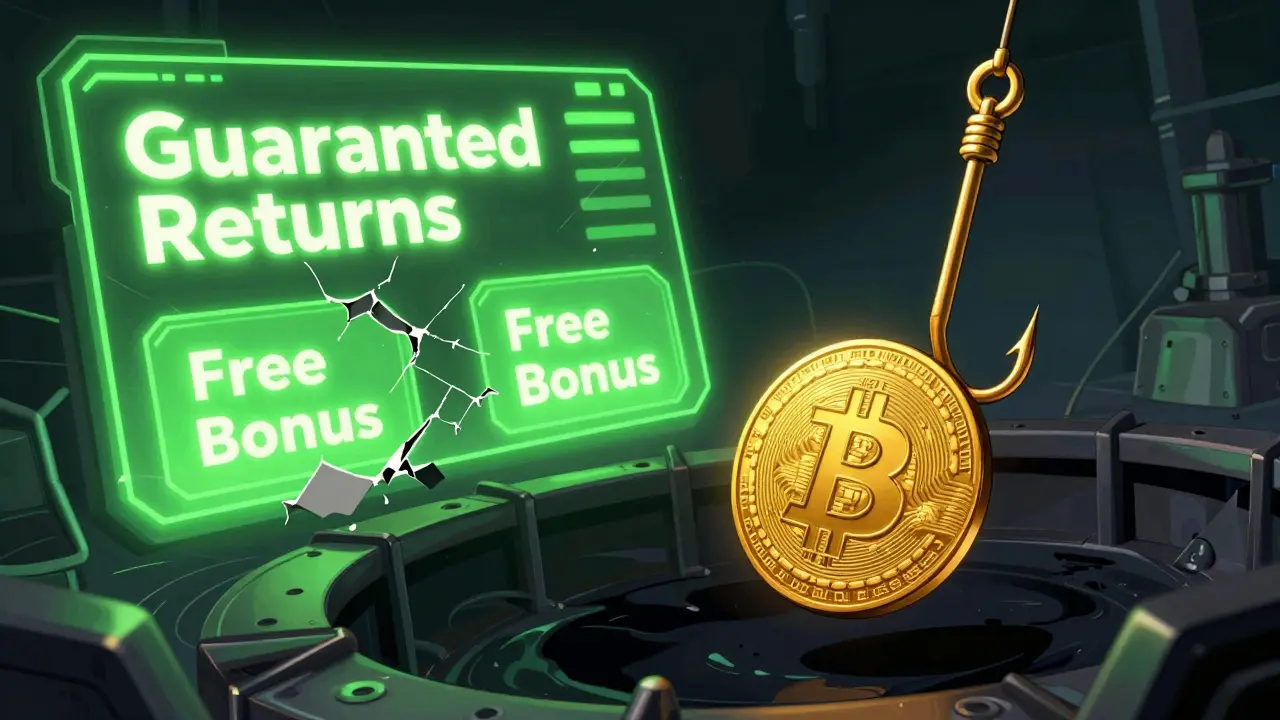
Many new, low-profile exchanges use a specific playbook to lure in traders. They often promise "guaranteed returns," fees that are too low to be sustainable, or access to coins that aren't listed anywhere else. If BitSails is offering you a bonus that seems too good to be true, it usually is. Real exchanges make money through trading fees and spreads, not by giving away free money to strangers.
Another tactic is the "withdrawal hurdle." You might find that depositing is easy, but when you try to take your profits out, the platform suddenly demands a "tax payment" or a "verification fee." This is a classic sign of a fraudulent operation. A legitimate exchange deducts fees from your balance; they never ask for more money to let you withdraw your own funds.
| Feature | BitSails | Top-Tier Exchanges (e.g., Kraken, OKX) |
|---|---|---|
| Public Regulatory Status | Unknown / Not Listed | Registered in multiple jurisdictions |
| User Community Feedback | Minimal to None | Millions of active users/reviews |
| Proof of Reserves | None provided | Regularly published/audited |
| Company Transparency | Anonymous | Known executives and offices |
The Danger of API and Wallet Permissions
Beyond just depositing money, some unknown platforms ask you to connect your external wallet via API (Application Programming Interface) or by signing a smart contract. Be incredibly careful here. If you give a platform like BitSails "write" access to your wallet, they can potentially drain every single asset you own without you ever clicking a button.
A safe interaction with an exchange should always happen within their secure environment, and you should never share your private keys or seed phrases. If a platform asks for these, they aren't a trading service; they are a phishing operation designed to steal your identity and your assets.
Better Alternatives for Your Capital
If you are looking for a place to trade, stick to platforms that have survived multiple market cycles. You want an exchange that follows KYC (Know Your Customer) and AML (Anti-Money Laundering) standards. While the sign-up process for these might be a bit slower because they ask for your ID, that's a sign that they are playing by the rules to avoid being shut down by governments.
For those who value privacy and security above all else, moving toward Decentralized Exchanges (DEXs) like Uniswap is a smart move. With a DEX, you don't have to trust a company like BitSails because you keep control of your coins in your own wallet throughout the trade.

Essential Checklist Before You Deposit
Before you put a single cent into any platform, run through this quick mental checklist. If you can't answer "yes" to most of these, keep your money where it is.
- Does the platform have a physical address and a verifiable company registration?
- Can I find honest reviews on third-party sites that aren't just a single blog post?
- Is the CEO a real person with a professional history on LinkedIn?
- Does the platform explain exactly how it makes money?
- Are there clear, easy-to-find terms and conditions that don't look like they were written by a bot?
Is BitSails a legitimate crypto exchange?
There is currently no evidence from reputable financial sources, regulatory bodies, or industry databases to prove that BitSails is a legitimate or safe exchange. The lack of transparency and public history makes it a high-risk platform.
What should I do if I already deposited money into BitSails?
Try to withdraw your funds immediately. If the platform asks for a fee or "tax" to release your money, do not pay it. This is a common scam to steal even more from you. Report the platform to your local financial authority or cybercrime unit.
Why can't I find reviews for BitSails?
This usually happens because the platform is either brand new, operates under a very niche marketing strategy, or is a temporary "pop-up" site designed to steal deposits before shutting down and rebranding.
Are there safer ways to trade crypto?
Yes. Using well-known centralized exchanges with high liquidity and regulatory oversight, or using decentralized exchanges (DEXs) where you maintain custody of your assets, are significantly safer options.
Can I recover funds sent to a scam exchange?
Unfortunately, cryptocurrency transactions are irreversible. Once you send coins to a wallet controlled by a scammer, they cannot be "charged back" like a credit card. Be wary of anyone claiming they can "recover" your funds for a fee, as these are often second-stage scams.
Next Steps for Safe Trading
If you're new to the space, start by getting a hardware wallet. This removes the need to keep all your money on any exchange, whether it's a giant or a newcomer. Only keep on an exchange what you are actively trading. The rest should stay in your own control.
If you're looking for a platform today, prioritize those with "Proof of Reserves." This is a system where exchanges prove they actually hold the assets they claim to have for their users. In a volatile market, knowing your coins are actually there-and not being used by the exchange for risky loans-is the only way to sleep soundly at night.