
You've probably seen a few mentions of a platform promising to be "the next big thing" in crypto trading. In a market where new platforms pop up every week, finding one that actually delivers on its promises is like finding a needle in a haystack. Today, we're looking at Bitsmo crypto exchange, a platform that claims to bridge the gap between traditional banking and the digital asset world. But does it actually hold up under scrutiny, or is it just another ghost in the machine?
When you're looking for a place to park your hard-earned money, you aren't just looking for a fancy interface. You want to know if your funds are secure, if the fees will eat your profits, and if you can actually get your money out when you need it. Most reviews you'll find online are either paid shills or angry rants, which is why we need to look at the actual architecture and availability of this service.
What exactly is Bitsmo?
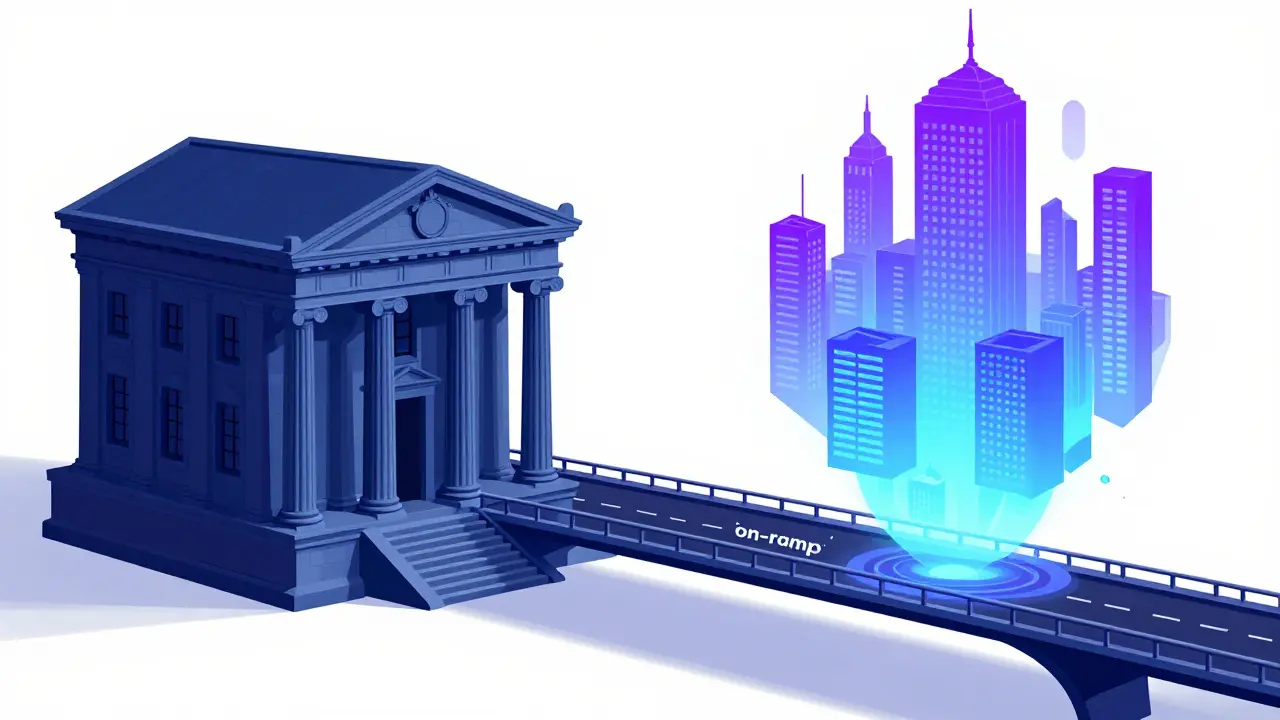
Bitsmo is a cryptocurrency exchange platform that positions itself as a solution for seamless connectivity between crypto-friendly banking institutions and digital asset markets. Essentially, it aims to solve the "on-ramp" problem-that annoying friction you feel when trying to move USD or EUR into a blockchain wallet. By focusing on these banking relationships, Bitsmo claims to offer a smoother transition for people who are tired of waiting three days for a wire transfer to clear before they can buy a dip in the market.
In the world of Cryptocurrency Exchanges, there are two main types: Centralized Exchanges (CEX) and Decentralized Exchanges (DEX). Bitsmo falls firmly into the CEX category. This means they act as the middleman, holding your keys and managing the order book. While this makes the user experience much simpler for beginners, it introduces a single point of failure that every trader needs to be aware of.
The "Banking Bridge" Promise
The main selling point for Bitsmo is its integration with banks. For a long time, banks have treated crypto like a plague. If you've ever had a bank account frozen because you sent a few hundred dollars to a known exchange, you know the struggle. Bitsmo tries to fix this by partnering with institutions that actually welcome the technology.
Imagine a world where your bank account and your trading balance are essentially the same thing. You wouldn't have to deal with the clunky process of: Bank $\rightarrow$ Payment Processor $\rightarrow$ Exchange $\rightarrow$ Wallet. Instead, the path is streamlined. However, the reality in 2026 is that these "crypto-friendly" banks are still a niche. The effectiveness of this feature depends entirely on which region you're in and which specific banking partners Bitsmo has managed to lock in.

Analyzing the Red Flags
Here is where we need to get real. When you research a platform and find almost zero footprints on major review sites like Trustpilot or Reddit, that should be your first warning sign. A legitimate exchange in 2026 should have a massive digital trail. Whether it's people complaining about customer support or praising the low latency, a total lack of public discourse is a red flag.
Most established platforms, like Binance or Coinbase, have thousands of documented user experiences. Bitsmo, by comparison, feels like a ghost. If you can't find a clear list of founders, a verifiable physical headquarters, or a transparent fee schedule, you are essentially gambling with your capital. In the crypto space, "trust me" is the most expensive phrase you'll ever hear.
| Feature | Bitsmo (Claimed) | Tier-1 Exchanges (Standard) |
|---|---|---|
| Fiat On-Ramping | Direct Bank Integration | Third-party processors / ACH |
| Public Transparency | Very Low | High (Public filings/audits) |
| User Reviews | Minimal/Absent | Widespread (Reddit/Trustpilot) |
| Liquidity | Unverified | High (Deep order books) |
Security and Your Assets
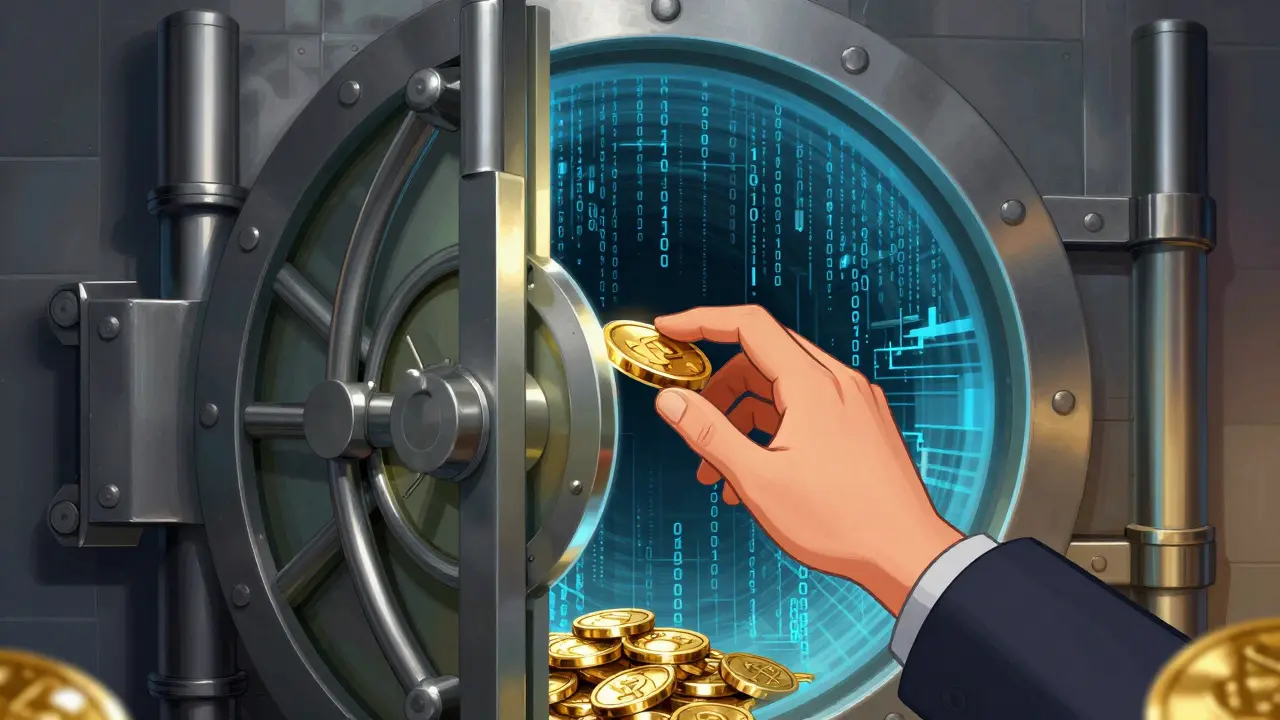
If you're going to use any exchange, the first question isn't "how much can I make?" but "how do I get my money back?" Security in a CEX usually boils down to three things: cold storage, two-factor authentication (2FA), and Proof of Reserves (PoR).
Cold Storage is the gold standard-keeping the majority of user funds offline so hackers can't reach them. Proof of Reserves is a cryptographic way for an exchange to prove they actually have the coins they claim to hold. Without a public PoR audit, you are trusting the exchange's word. Given the history of platforms like FTX, this is a non-negotiable requirement for any serious investor.
Does Bitsmo provide a real-time dashboard showing their reserves? Does it support hardware security keys like Yubikeys? If these answers aren't readily available in their documentation, the platform is not meeting the 2026 security baseline.
The Verdict: Should You Use It?
Let's be honest: the lack of information is the most informative thing about Bitsmo. While the idea of a seamless bank-to-crypto pipeline is attractive, the execution requires an immense amount of trust and regulatory compliance. Most users would be better off using a platform with a proven track record of solvency and a transparent fee structure.
If you're a high-risk seeker who wants to test the waters with a very small amount of money, the "banking bridge" might be an interesting experiment. But for the average person looking to build a portfolio, the risk-to-reward ratio here is completely skewed. Stick to platforms that have survived multiple bear markets and have a loud, active community of users who can tell you exactly where the platform fails.
Is Bitsmo a scam?
While there is no definitive proof of a scam, the lack of public reviews, transparency regarding founders, and minimal digital footprint are classic warning signs. Always exercise extreme caution and never deposit more than you can afford to lose on unverified platforms.
How does Bitsmo differ from Bitso?
They are entirely different entities. Bitso is a well-established exchange with a strong presence in Latin America, whereas Bitsmo is a separate project with far less market penetration and visibility.
Can I link my regular bank account to Bitsmo?
Bitsmo claims to have connectivity with crypto-friendly banking institutions. However, whether your specific bank is supported depends on their current partnerships, which are not widely publicized.
What are the fees on Bitsmo?
There is currently no publicly available, standardized fee schedule for Bitsmo. This is a significant drawback, as transparent pricing is a requirement for any competitive exchange.
Is it safe to keep my coins on Bitsmo?
Generally, the safest place for any crypto is a private wallet where you control the keys. Since Bitsmo has not provided comprehensive proof of reserves or detailed security audits, keeping large sums on the platform is risky.

Comments (10)

- Caiaphas Konkol
- April 24, 2026 AT 23:57 PM
Typical corporate facade. This "banking bridge" is clearly just a centralized honey pot designed to aggregate user data for the next phase of social credit implementation. It is utterly quaint that people still believe in "partnerships" with banks in an era of algorithmic surveillance. If you lack a verifiable physical headquarters, you aren't a company, you're a ghost operation funded by offshore entities with agendas far more sinister than simple theft. The sheer audacity of presenting this as a legitimate financial instrument is almost impressive in its arrogance.

- Gloris Young
- April 26, 2026 AT 22:45 PM
Better safe than sorry here guys. Just stick to what you know!

- Eric Raines
- April 28, 2026 AT 12:47 PM
Everyone knows the "banking bridge" is just a buzzword. It's basic economics. Why would a bank actually partner with a ghost exchange unless they were laundering? I've seen this a million times and it's always the same story. People just love to lose money for the thrill of it.

- Doc Coyle
- April 30, 2026 AT 04:37 AM
It is just wrong to even consider using a place with no reviews. It is not hard to see the truth. People should be more careful with their morals regarding where they put their money.

- Kyle Bush
- May 1, 2026 AT 10:30 AM
ONLY TRUE PATRIOTS KEEP THEIR WEALTH IN HARD ASSETS!! 🇺🇸🇺🇸🇺🇸 These fake exchanges are probably run by foreign bots trying to steal American dreams! GET A COLD WALLET OR GET OUT! 🚀🔥💰

- Yvette P
- May 2, 2026 AT 14:27 PM
Oh honey, let me educate you on the sheer absurdity of this setup. We are talking about a CEX with zero PoR, meaning your liquidity is basically a collective hallucination while the operators probably enjoy a beach in the Caymans. The lack of a standardized fee schedule isn't just a "drawback," it's a flashing neon sign that says "WE WILL FRONT-RUN YOUR EVERY TRADE." If you're actually considering the slippage and the potential for a rug-pull given the nonexistent KYC/AML transparency here, you might as well just set your fiat on fire to keep warm. It's truly fascinating how some people think a fancy "banking bridge" outweighs the fundamental laws of cryptographic security and solvency auditing in the 2026 landscape. Honestly, the cognitive dissonance required to ignore a total absence of Trustpilot data is a masterclass in desperation. Just go use a DEX and stop pretending this is a viable investment strategy, unless your strategy is "donating to anonymous strangers." Good luck with that!

- Jason M
- May 4, 2026 AT 05:04 AM
Stop right there! I cannot emphasize enough how dangerous this is! Your financial future is a sacred journey and you cannot walk that path with a blindfold on! This is a siren song leading you straight into the rocks of bankruptcy! Please, for the love of all things stable, move your assets to a hardware wallet before you lose everything!

- Guy Bianco
- May 5, 2026 AT 07:05 AM
It is prudent to prioritize the security of one's principal above all else. :)

- Sarah Ingrams
- May 6, 2026 AT 19:29 PM
i totally get why that feels scary... just be careful out there

- praveen subbiah
- May 8, 2026 AT 12:10 PM
The potential for innovation here is absolutely breathtaking but we must be cautious! India will lead the way in digital finance soon and we will show the world how it is actually done! Truly a magnificent time to be alive!