
Key Takeaways
- Core Concept: Rewards healthy habits with JW tokens and USDT.
- Technical Base: Built as a BEP-20 token on the BNB Smart Chain using Solidity.
- Market Status: High volatility with a massive drop from its all-time high of ~$39.
- Utility: Used for staking, governance, and accessing wellness services.
- Warning: Significant data inconsistencies regarding circulating supply and market cap.
The Mechanics Behind the JW Token
To understand Jasan Wellness, you first have to look at its engine. The project isn't its own independent blockchain; instead, it operates as a token on the BNB Smart Chain is a blockchain network and ecosystem that supports smart contracts and the Binance Coin (BNB) . Specifically, it uses the BEP-20 standard, which means it can be easily moved between compatible wallets and decentralized exchanges.
The developers wrote the token's logic using Solidity is a contract-oriented programming language used for writing smart contracts on the Ethereum Virtual Machine (EVM) . This allows the project to automate rewards and transactions without needing a middleman. To keep the network secure, it employs a Proof of Stake (PoS) is a cryptocurrency consensus mechanism that requires users to stake coins to validate transactions mechanism. Instead of power-hungry mining, validators hold and stake JW tokens to keep the ledger honest.
For security, the system relies on the Elliptic Curve Digital Signature Algorithm (ECDSA) is a cryptographic algorithm used to ensure that digital signatures are authentic and data remains integral . This is standard for most modern cryptos, ensuring that your tokens don't just vanish or get stolen by someone spoofing your identity.
How You Actually Use Jasan Wellness
Having a token is one thing, but what do you actually do with it? The goal of the JW ecosystem is to create a feedback loop where health leads to wealth. If you engage in wellness activities-like tracking your steps or completing a nutrition course-the platform aims to reward you with tokens.
Beyond just earning, holders can use the JW coin for several things:
- Staking: Lock up your tokens to support the network and earn a percentage back in rewards.
- Governance: Vote on the future of the project. If you hold enough coins, you get a say in how the platform evolves.
- Service Discounts: Use the tokens to get cheaper access to wellness coaching or fitness tracking tools.
- Transaction Fees: Pay for various internal operations within the Jasan dApps.
In a perfect world, this creates a decentralized health record where you own your data and get paid for maintaining your body. However, it's worth noting that many of these services are still in the developmental stages. You won't find a massive network of integrated hospitals or gym chains yet.
Price History and Market Reality
If you're looking at the charts, the story of JW is a rollercoaster. At its absolute peak on June 27, 2023, the coin hit an all-time high of roughly $39.26. Fast forward to 2026, and the price has plummeted by over 97%, with most trackers putting it between $0.47 and $2.45.
| Metric | Value / Status |
|---|---|
| Total Supply | 60,000,000 JW |
| All-Time High | ~$39.26 (June 2023) |
| Current Price Range | $0.47 - $2.45 |
| Market Cap | Reported as $0 by some trackers |
| Trading Volume (24h) | $10,000 - $55,000 (Very Low) |
This price gap is a massive red flag for any cautious investor. When a coin drops 99% from its peak, it usually suggests that the initial hype far outweighed the actual utility delivered. Furthermore, the data is messy. Some platforms report a circulating supply of zero, while others show active trading. When the market cap is listed as $0 despite the coin having a price, it usually means liquidity is incredibly low-meaning it might be hard to sell your tokens for actual cash.
Is Jasan Wellness Legitimate? Red Flags to Watch
When researching any small-cap crypto, you have to be a bit of a detective. With JW, there are a few things that don't quite add up. First, the timeline is blurry. Some sources say it launched in 2021, others say 2022, and some claim 2023. While data errors happen, a project's birth date is usually the one thing they get right.
Second, there is a lack of transparency regarding active users. While the idea of rewarding a family for healthy habits is great, there's very little evidence of a massive, functioning app ecosystem. Most of the "real-world impact" is described as being in the developmental stage. In the crypto world, "developmental stage" can sometimes be a euphemism for "we haven't built it yet."
Finally, the trading volume is tiny. For a project aiming to revolutionize wellness, having a daily volume of only $10,000 to $50,000 is very low. This means a single large buyer or seller could swing the price wildly, making it a very risky asset.

Comparing JW to Other Health-Tech Coins
Jasan Wellness isn't the only player in the "Move-to-Earn" or "Health-to-Earn" space. It competes with larger ecosystems that have more established user bases. While JW focuses on a broader "wellness" approach including nutrition, other projects focus strictly on step-counting or gym check-ins.
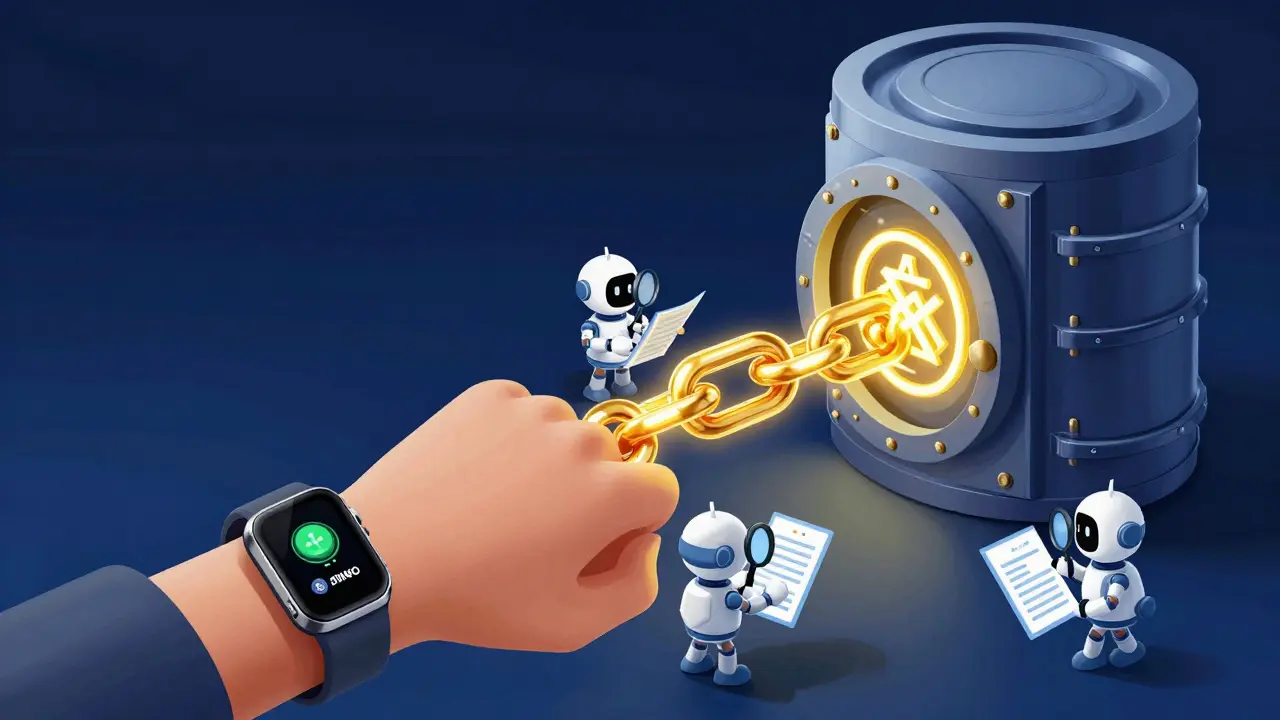
The main difference is the scale. Larger projects usually have partnerships with wearable tech companies (like Garmin or Apple Health). JW's current model relies more on its own internal ecosystem and smart contracts. Until it integrates with the hardware we already wear on our wrists, it struggles to gain the same level of trust as its larger competitors.
Frequently Asked Questions
Is Jasan Wellness coin listed on Binance?
No. While Jasan Wellness is built on the BNB Smart Chain (BEP-20), it is not officially listed for trading on the Binance exchange. You will typically find it on decentralized exchanges (DEXs) or smaller tracking platforms.
How can I earn JW tokens?
The project aims to reward users for healthy activities, such as exercising and learning about nutrition. However, the availability of these rewards depends on the current state of their app and the active partnerships they have in place.
What is the maximum supply of JW coin?
The maximum and total supply of the Jasan Wellness token is capped at 60,000,000 tokens.
Is the JW coin a safe investment?
Investing in small-cap tokens like JW carries extremely high risk. The token has experienced a massive price drop from its all-time high, and there are significant inconsistencies in reported market data and circulating supply.
What blockchain does Jasan Wellness use?
It primarily operates as a BEP-20 token on the BNB Smart Chain, although some older or conflicting sources may mention a native Layer 1 blockchain.
Next Steps for Interested Users
If you're thinking about getting into JW, don't just trust a price chart. Start by looking for the actual application. If you can't find a working app that lets you earn rewards, the token is purely speculative. Check the project's GitHub to see if developers are actually pushing new code or if the project has gone silent.
For those who already hold tokens, keep an eye on the circulating supply data. If the supply remains "0" or "unknown" on major trackers, it's a sign that the project lacks the transparency needed for long-term growth. Always use a non-custodial wallet for BEP-20 tokens to ensure you maintain control of your assets.
Comments (7)

- Arlen Medina
- April 6, 2026 AT 09:01 AM
Typical garbage project. Most of these so-called wellness coins are just pump-and-dump schemes designed to fleece people who don't know how to read a chart. If it ain't based on a real US-backed financial system, it's basically a lottery ticket with worse odds. Absolute joke.

- Deepak Prusty
- April 7, 2026 AT 09:23 AM
The technical architecture here is fundamentally flawed. Using a BEP-20 token on the BNB Smart Chain means they are just riding on another ecosystem's back without providing any actual Layer 1 innovation. The liquidity issues mentioned are a direct result of the lack of a sustainable tokenomic model.

- shubhu patel
- April 8, 2026 AT 03:07 AM
I really appreciate how you've broken down the risks associated with this particular token because it's so easy to get caught up in the excitement of earning rewards for healthy habits, which is honestly such a lovely idea if you think about it from a community perspective, but it seems like the actual execution here is lacking in a way that could really hurt people who are just trying to improve their lives while making a bit of extra money on the side, so it's probably best for all of us to just stay cautious and maybe look for other ways to stay fit without risking our savings.

- Erica Mahmood
- April 9, 2026 AT 21:44 PM
low liquidity and zero market cap reporting usually signals a dead pool or a lack of oracle integration for the price feed basically it's a ghost chain situation

- Krystal Moore
- April 10, 2026 AT 08:05 AM
It is honestly disgusting that these developers would target people's health just to make a quick buck. Promoting a lifestyle of wellness while scamming the very people who trust you is a special kind of evil and we need to stop giving these tokens a platform before more innocent people lose everything.

- Sharhonda Walker
- April 10, 2026 AT 11:40 AM
I've seen a few a other proejcts like this and the red flags are always the same. The most importnat thing is to check the liquidity lock and the dev wallet activity before puting any money in, otherwise you're just exit liquidity for the founders.

- gladys christine
- April 10, 2026 AT 17:12 PM
Just focus on your own journey and stay strong everyone keep moving and keep grooving regardless of the coins