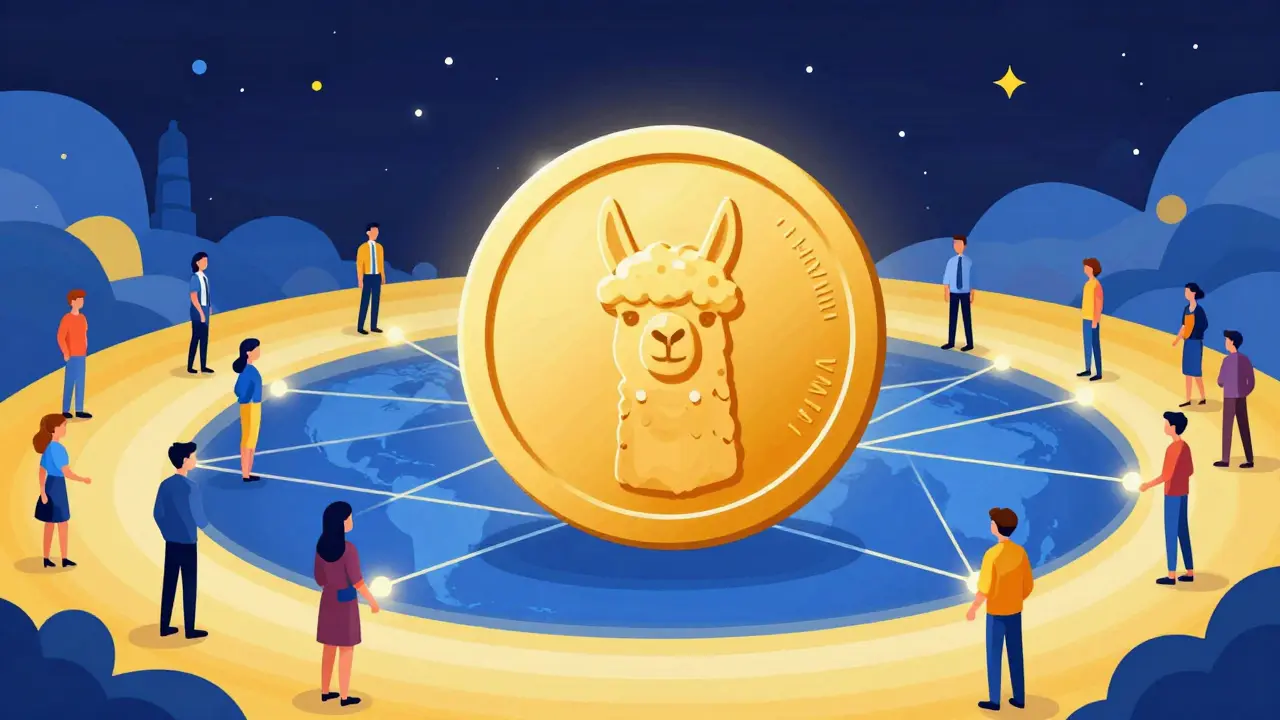

Ever stumbled upon a token that claims to be backed by the world's largest community exchange but has pricing data that looks like a puzzle? That is the current state of LAMA Trust Coin v2 is a decentralized finance (DeFi) cryptocurrency token built on the Binance Smart Chain (BSC), trading under the ticker symbol VLAMA. While it aims to bring secure and transparent finance to its users, a quick look at the numbers reveals a project struggling with volatility and inconsistent market data.
The Core Concept: What Does VLAMA Actually Do?
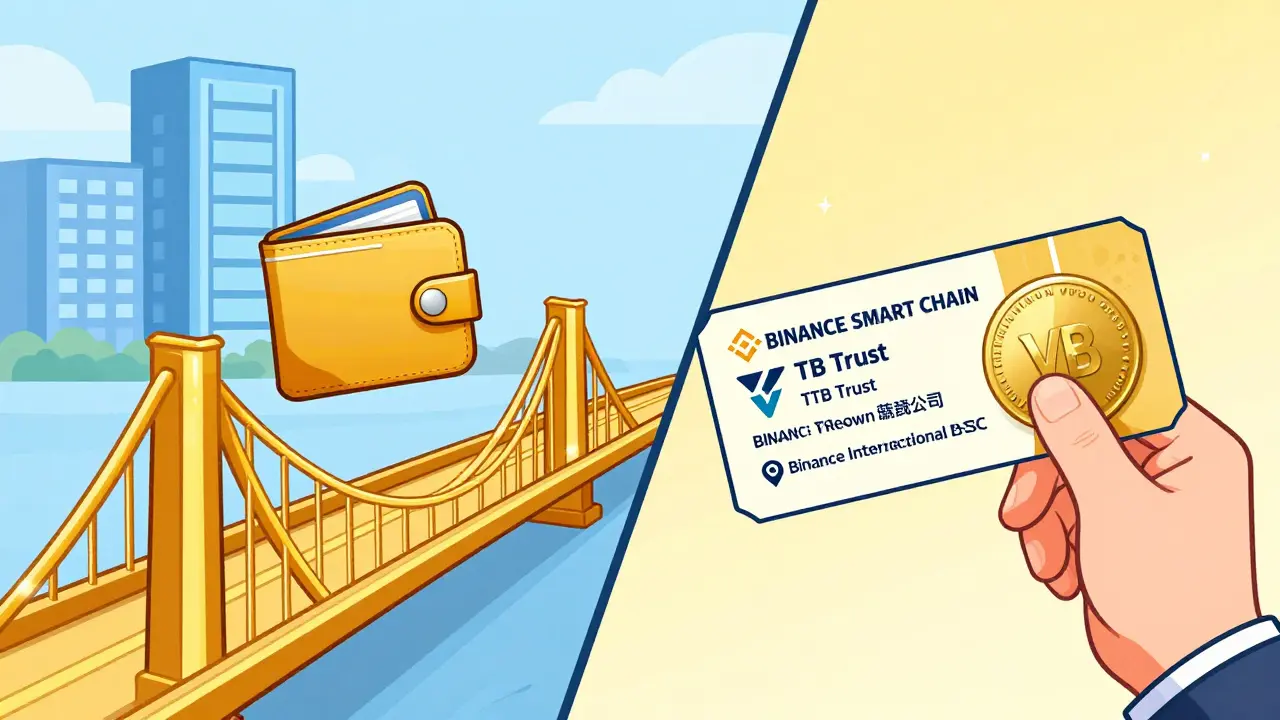
At its heart, VLAMA is designed as a utility token within a specific ecosystem. Its primary real-world application is linked to TTB Trust International Company, where the coin can be used to obtain coupons. This suggests the project is trying to bridge the gap between digital assets and traditional corporate rewards.
The project leans heavily on the LAMA Community, which claimed to be the largest community exchange globally by May 2025, boasting over 100,000 members. In theory, this massive user base should provide a strong foundation of liquidity and demand. However, in the world of crypto, community size doesn't always translate to price stability.
Technical Backbone: The Binance Smart Chain Advantage
VLAMA doesn't run on its own blockchain. Instead, it operates as a token on the Binance Smart Chain (also known as BNB Chain). This is a strategic choice. By leveraging BSC, the token avoids the astronomical gas fees often found on Ethereum. Transactions are faster, and the barrier to entry for small investors is much lower.
For those looking to interact with the coin, the official contract address is 0x53b873473b431a38fab50a51b9e37e7ff55bea3d. This address is what you would import into a Web3 wallet like MetaMask to track your balance or prepare for a trade.
Market Reality: Pricing and Volatility
If you try to find the exact price of VLAMA today, you might get a headache. Depending on where you look, the numbers are wildly different. Some aggregators show it around $0.0011, while others place it significantly lower. This isn't just a glitch; it's a sign of thin liquidity. When there aren't many people buying and selling, a single trade can swing the price violently, leading to these discrepancies.
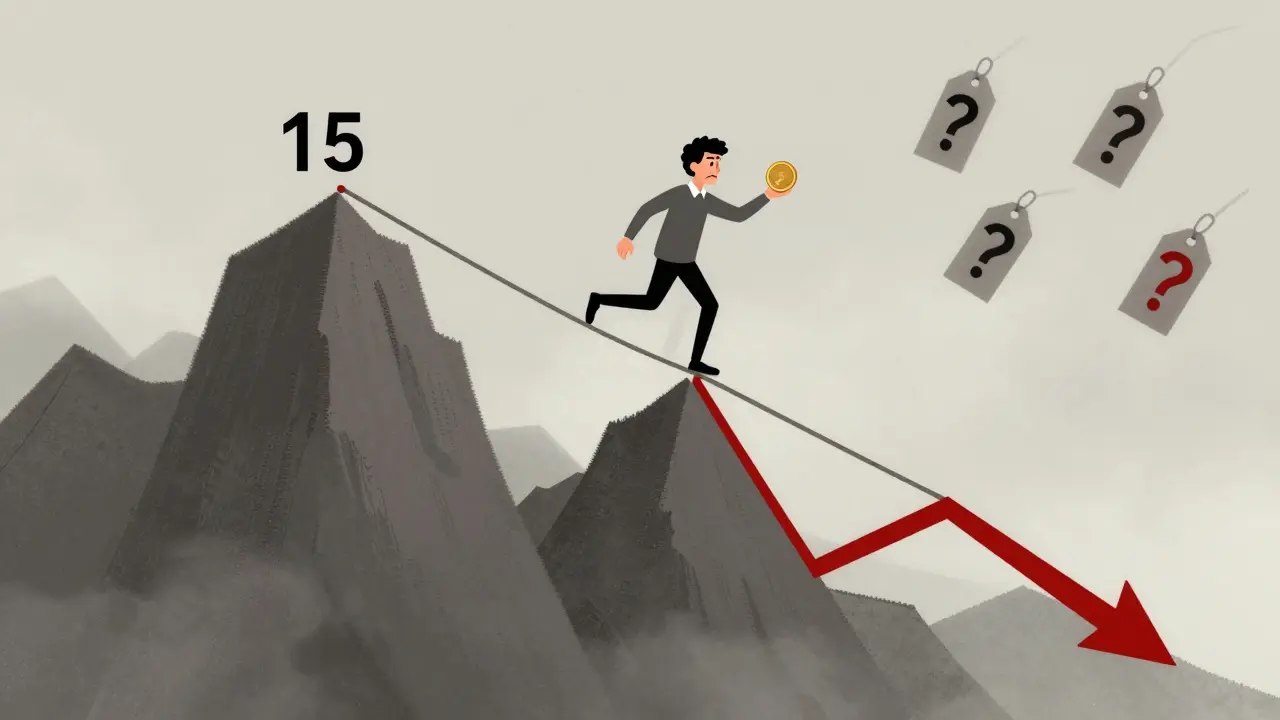
The token's history is a cautionary tale of "the peak." VLAMA hit its all-time high (ATH) on August 24, 2025, reaching $0.005186. Since then, it has plummeted by over 78%. This kind of drop is common in micro-cap DeFi projects, but it highlights the extreme risk associated with tokens that lack a transparent development roadmap.
| Metric | CoinMarketCap Data | CoinGecko Data | CoinCodex Data |
|---|---|---|---|
| Approx. Price | $0.001111 | $0.001993 | $0.00001887 |
| 24h Volume | ~$322 | ~$913 | ~$5 |
| Market Cap | ~$222K | BTC 3.33 | N/A |
Where to Trade and How to Buy
You won't find VLAMA on major centralized exchanges like the main Binance or Coinbase spot markets. Instead, it lives on PancakeSwap (v2), which is the primary decentralized exchange (DEX) for the BSC ecosystem. Most traders use the VLAMA/BSC-USD pair.
To get started, you generally need to follow these steps:
- Set up a Web3 wallet (MetaMask or Trust Wallet).
- Purchase BNB (Binance Coin) to cover the network fees and the swap.
- Connect your wallet to PancakeSwap.
- Import the VLAMA contract address to ensure you are buying the correct token and not a fake imitation.
- Execute the swap and confirm the transaction in your wallet.
The Red Flags: What's Missing?
While the community size is impressive, there are some glaring gaps in the VLAMA project that any cautious investor should notice. First, there is a complete lack of a public whitepaper or a detailed technical roadmap. In a professional DeFi project, these documents serve as the "blueprint" for the future. Without them, you're essentially betting on a promise.
Second, there's no evidence of third-party security audits. In the BSC world, smart contract vulnerabilities can lead to "rug pulls" or hacks. Without a verified audit from a firm like CertiK or Hacken, the security of the funds is an unknown variable. Finally, the utility is very narrow-coupons for one specific company don't provide much systemic value to the broader crypto market.
Final Verdict: High Risk, Low Liquidity
LAMA Trust Coin v2 is a classic example of a micro-cap token. It has a decent number of holders (around 142,000), but the actual trading volume is minuscule. When 24-hour volume is measured in hundreds of dollars rather than millions, exiting a large position becomes nearly impossible without crashing the price further (this is known as high slippage).
If you are attracted to the community aspect or the specific utility of TTB Trust coupons, it might be interesting. But from a purely financial perspective, the massive price drop from its 2025 peak and the inconsistent data across trackers suggest this is a speculative asset with a very high risk profile.
Is VLAMA a safe investment?
Investment safety is subjective, but VLAMA shows several high-risk indicators: extreme price volatility, very low trading liquidity, and a lack of public security audits or a detailed whitepaper. You should only invest money you are completely prepared to lose.
Where can I buy LAMA Trust Coin v2?
The primary place to trade VLAMA is on PancakeSwap (v2), a decentralized exchange on the Binance Smart Chain. You will need a wallet like MetaMask and some BNB to perform the trade.
What is the total supply of VLAMA?
According to market data from CoinMarketCap and CoinGecko, the total supply of VLAMA is approximately 200 million tokens, and most sources indicate that these tokens are already in circulation.
Why are the prices different on different websites?
This usually happens when a token has very low trading volume. Because there aren't many trades, different data aggregators may use different "last trade" prices or calculate averages differently, leading to the wide gaps you see between sites like CoinGecko and CoinCodex.
What is the LAMA Community?
The LAMA Community is the social and organizational backbone of the project, claiming to be one of the largest community exchanges with over 100,000 global members as of mid-2025.
Comments (9)

- Alex Long
- April 19, 2026 AT 23:43 PM
just another scam coin lol

- Yuhan Mo
- April 21, 2026 AT 22:38 PM
The slippage on this is absolutely brutal. If you're trying to exit a position with any significant size, you're basically just donating your funds to the liquidity pool due to the thin order book. Typical micro-cap BSC token behavior where the volatility is just noise because the volume is non-existent.

- Nishant Goyal
- April 23, 2026 AT 17:02 PM
Still worth watching for the community growth though. Small starts often lead to big things if the team stays honest.

- Gaurav Undirwade
- April 25, 2026 AT 05:50 AM
It is utterly reprehensible that individuals continue to gamble their hard-earned wealth on such transparently fraudulent schemes. One must possess a shred of intellectual dignity to realize that a token lacking a whitepaper is not an investment, but a moral failing in judgment. The allure of quick riches has blinded the masses to the fundamental principles of financial prudence and ethical asset management. We are witnessing the decay of critical thinking in the digital age, where a mere "community" is used as a shield for incompetence and greed. This project is a testament to the hubris of the modern speculator who believes they can defy the laws of economics through blind faith in a ticker symbol. It is high time that the industry demands a rigorous standard of transparency and accountability, lest we continue to reward the charlatans who prey upon the naive. True value is forged through utility and innovation, not through the superficial inflation of member counts on a social platform. Those who enter this fray expecting a return are simply inviting catastrophe upon themselves. I find it abhorrent that such risks are packaged as "opportunities" for the unsuspecting. Let this serve as a stern warning to all who seek prosperity through the shortcuts of DeFi. Virtue in investing lies in diligence, not in the hope that a coin named after an animal will magically ascend. The lack of audits is the final nail in the coffin of any legitimate credibility. To ignore such a red flag is to practically beg for one's funds to be stolen in a rug pull. One should seek enlightenment in real-world value rather than these digital mirages. The pathology of the "moon」 mentality is a sickness that only a return to basic logic can cure. We must elevate our discourse beyond simple gains and consider the systemic risk these ghosts of coins create. Only then will we find a path toward a stable and honest financial future.

- Mark Pfeifer
- April 25, 2026 AT 20:35 PM
The discrepancy in pricing across CMC and CoinGecko is the biggest red flag here. It's not just a puzzle, it's a sign that the price is being manipulated or the liquidity is so low that one guy buying 100 tokens moves the needle 20%.

- Evan Iacoboni
- April 25, 2026 AT 21:04 PM
Exactly. How can anyone trust a project that doesn't even have a basic roadmap? It's basically a black box where you put money in and hope for the best.

- Keri Pommerenk
- April 27, 2026 AT 02:40 AM
it's definitely a risky play but some people just like the gamble

- nathan jones
- April 28, 2026 AT 09:44 AM
seen a lot of these BSC tokens. usually just fade away after the hype dies.

- siddharth narula
- April 29, 2026 AT 14:55 PM
Indeed, the pursuit of material wealth without a spiritual or intellectual anchor leads to such chaos. 🌀 It is a tragedy of the modern era that we value tokens over truth. 🙏