
How the Three-Token System Works
Zephyr doesn't just use one coin; it operates on a three-asset model to keep the system balanced. Understanding this is the key to knowing how the protocol actually functions.- ZEPH: This is the foundational base coin. It acts as the collateral. If you want to mint stablecoins, you need ZEPH.
- ZSD (Zephyr Stable Dollars): This is the stablecoin itself. It's designed to maintain a steady value, giving you a safe haven from market volatility without giving up your privacy.
- ZRS (Zephyr Reserve Shares): These tokens represent shares of the reserve equity. Their value changes based on the current reserve ratio of the system.
The Privacy Edge: Why Monero Matters
What makes Zephyr truly different is that it is built on a native Monero-based chain. In the crypto world, most blockchains are like public ledgers-anyone with an internet connection can see your balance and transaction history. Monero is the opposite; it's the gold standard for privacy. By integrating these cryptographic features, Zephyr ensures that transactions are untraceable. This isn't just about hiding things; it's about financial sovereignty. For someone living in a region with strict capital controls or intrusive surveillance, a private stablecoin is a vital tool for survival and freedom. You get the value preservation of a stablecoin with the "stealth" of a privacy coin.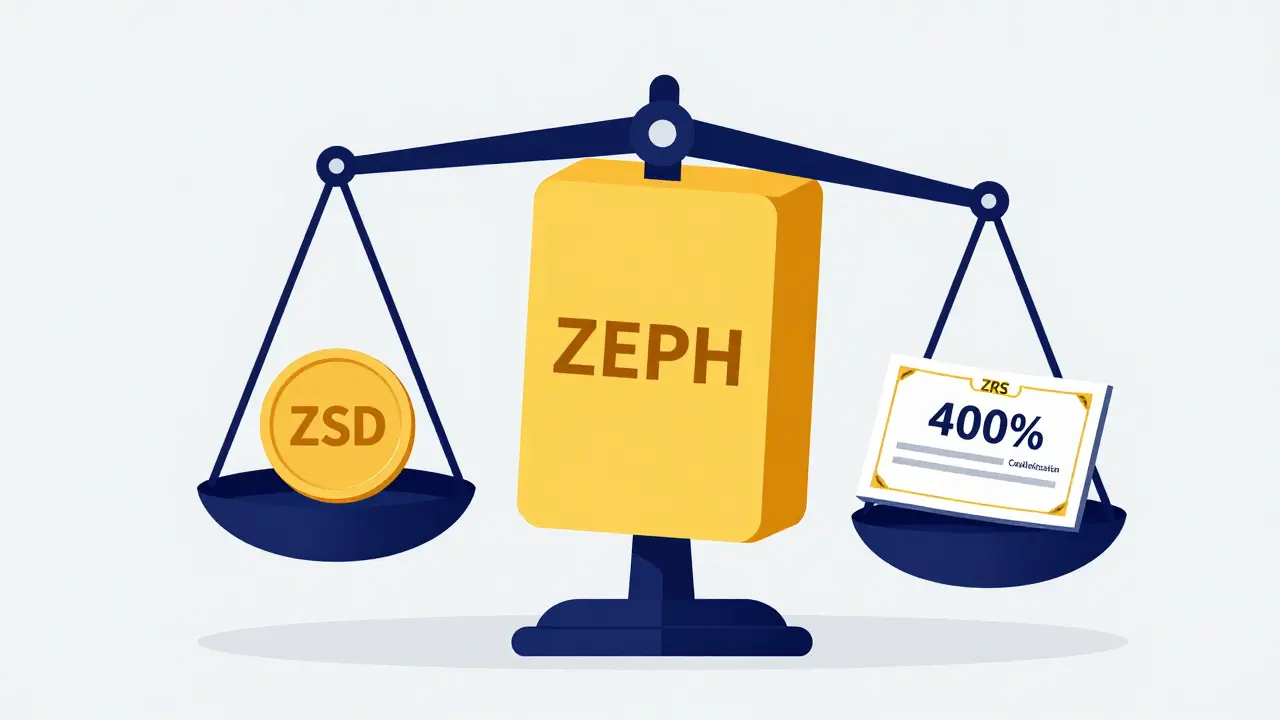
Comparing Zephyr to the Competition
To really see where Zephyr fits, you have to look at it alongside the giants of the industry. It occupies a very specific niche: the intersection of privacy and stability.| Feature | Centralized (USDT/USDC) | Algorithmic (UST/DAI) | Zephyr Protocol (ZSD) |
|---|---|---|---|
| Privacy | None (Transparent) | Low/Medium | High (Monero-based) |
| Control | Centralized Entity | Decentralized/Code | Fully Decentralized |
| Backing | Fiat Reserves | Varies / Algorithmic | 400% Over-collateralized |
| Risk | Censorship/Freezing | De-pegging/Collapse | ZEPH Market Value |
The Learning Curve and Practical Implementation
Let's be honest: Zephyr isn't as simple as opening a Coinbase account. Because it prioritizes privacy and decentralization, the onboarding process is a bit steeper. Many early users report spending 8 to 12 hours studying the documentation before they feel comfortable minting ZSD. To get started, you need a wallet that can handle Monero-based assets. You'll likely need to dive into the official GitHub repository to find the right clients. A common stumbling block for newcomers is calculating the collateral ratios during a market swing. This is why the community-developed "Zephyr Calculator" has become an essential tool-roughly 82% of active users rely on it to avoid liquidation errors. If you're coming from a traditional banking background, the concept of "Reserve Shares" (ZRS) might feel confusing. Just think of ZRS as a way to earn from the health of the protocol. When the reserve ratio is high, the value of these shares generally reflects that strength.
Market Performance and Future Outlook
Despite being a niche player, Zephyr has shown surprising resilience. During a recent market dip where most coins were bleeding, Zephyr saw a price increase of about 14.20% over a week. This suggests that when the broader market gets shaky, investors flock to the safety of over-collateralized, private assets. Looking ahead, the roadmap is ambitious. There is a planned integration with the Beam privacy-focused blockchain, and a community vote has already pushed to lower the minimum collateral ratio from 400% to 350% to make the system more capital-efficient. Of course, no project is without risk. Critics point to the "infinite max supply" of ZEPH as a potential long-term inflationary threat. There is also the ever-present shadow of regulation. Frameworks like the EU's MiCA could put pressure on any project that offers total anonymity. However, the team is actively engaging with the Financial Action Task Force to find a balance between compliance and privacy.Final Thoughts for the User
Is Zephyr for you? If you prioritize speed and ease of use above all else, you might find it frustrating. But if you view your financial data as a human right and want a stable place to park your wealth without a corporate entity watching your every move, Zephyr is one of the few projects actually delivering on that vision.Is Zephyr Protocol safe compared to algorithmic stablecoins?
Yes, generally. Unlike algorithmic coins that rely on market incentives to maintain a peg, Zephyr uses a 400% over-collateralization model. This means there is significantly more value backing the ZSD than the actual amount of stablecoins in circulation, providing a massive buffer against market crashes.
How does the privacy feature actually work?
Zephyr is built on a native chain based on Monero's technology. It uses stealth addresses and ring signatures to hide the sender, receiver, and the amount sent. This makes it virtually impossible for outside observers to trace the flow of funds on the blockchain.
What happens if the price of ZEPH drops significantly?
If the value of the collateral (ZEPH) drops too far, the reserve ratio decreases. If it falls below the minimum threshold, the protocol's mechanisms are designed to protect the stablecoin's peg, though this could lead to the liquidation of under-collateralized positions to maintain system stability.
Where can I buy ZEPH and ZSD?
ZEPH is available on several exchanges, including MEXC and Bitget. Because it uses specialized privacy technology, you will need a compatible Monero-style wallet to store your assets securely off-exchange.
What is the difference between ZSD and ZRS?
ZSD is the stablecoin meant to stay at a fixed value (like a dollar). ZRS represents shares in the protocol's reserve. While ZSD is for stability, ZRS is more like an equity stake that can fluctuate in value based on how much excess collateral is in the system.
Comments (8)

- Aaliyah BROTHERS
- April 13, 2026 AT 00:35 AM
Finally!!!! Some real financial freedom from the prying eyes of the deep state lizard people!!! These corporate suits want to track every single penny we spend just to keep us in chains... it's absolute madness!!! Give me a ghost coin any day over those blood-sucking centralized banks that sell our data to the highest bidder!!! Patriotism means keeping your gold in the shadows where the government can't touch it!!! Absolute game changer!!!!

- Heather Warren
- April 14, 2026 AT 10:48 AM
If anyone is feeling overwhelmed by the documentation, I recommend starting with the official community guides. They break down the minting process into very simple steps. It might take a few hours to get the hang of it, but the security is well worth the effort.

- Kieran Smith
- April 14, 2026 AT 18:48 PM
this sounds amazing! i love how its trying to fix the mess terra left behind. definitley gonna look into that calculator tool, sounds like a lifesaver for beginners like me!

- Lela Singh
- April 16, 2026 AT 10:32 AM
Pure gold for privacy enthusiasts! The Monero integration is a masterstroke. Totally disrupts the surveillance capitalism of USDC!

- 7stargee Emmanuel Obani
- April 17, 2026 AT 09:14 AM
Infinite supply is a huge red flag. It's just a slow rug pull in disguise lol :)

- Emily H
- April 18, 2026 AT 01:19 AM
The over-collateralization ratio of 400% provides a commendable layer of security. It is heartening to see a project prioritize systemic stability over rapid, unsustainable growth. Such a conservative approach to risk management is precisely what the current market requires to regain trust in stable assets.

- Swati Sharma
- April 18, 2026 AT 01:22 AM
The synergy between the ZRS equity and the ZSD peg is quite elegant. It basically creates a self-correcting feedback loop that mitigates the volatility of the base collateral. While the onboarding UX is a bit clunky, the underlying cryptographic primitives are top-tier.

- Jonathan Chamma
- April 18, 2026 AT 16:30 PM
It's all about finding the right balance. Some people need the speed of a big exchange, and others just want a quiet place to keep their savings. This tool gives a voice to those who feel exposed by the current system. Let's just be patient with the learning curve and help each other out as we navigate these new waters together.