Author: Dimerson White
Risks of Staking Cryptocurrency: What No One Tells You
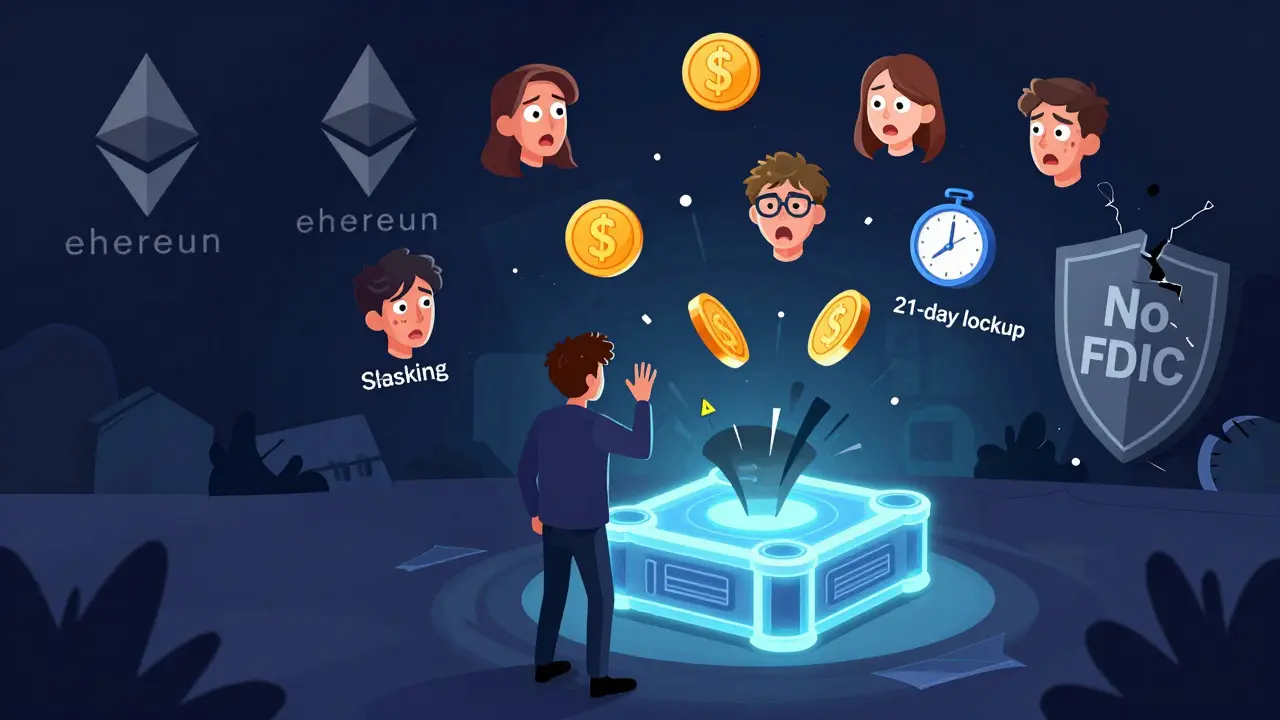

Staking cryptocurrency offers rewards but comes with hidden risks like slashing penalties, lockup periods, exchange failures, and regulatory crackdowns. Learn what most guides don't tell you.
LaserSwap Crypto Exchange Review: Is It Worth Using on Base Network?

LaserSwap is a niche decentralized exchange on Base that offers early access to new tokens. It's cheap and fast, but lacks liquidity and support. Best for experienced traders chasing early-stage projects.
COEXSTAR Crypto Exchange Review: Is It Safe for Filipino Traders?
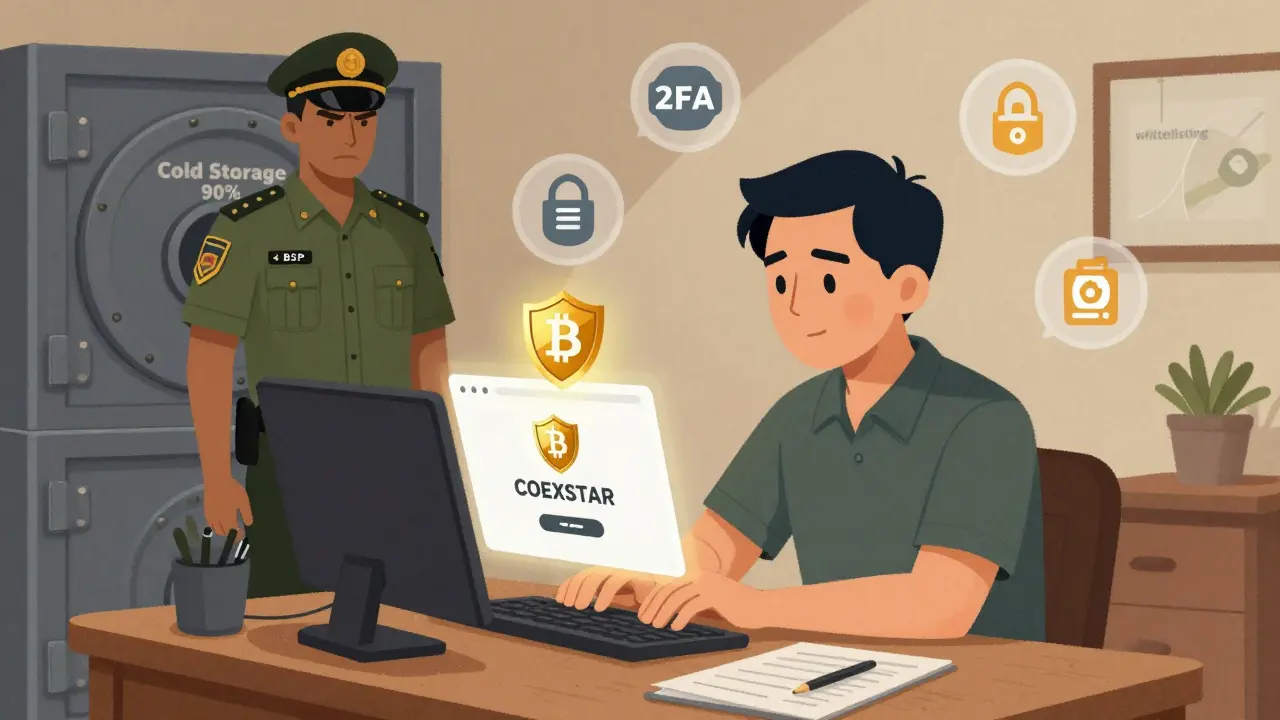
COEXSTAR is a licensed Philippine crypto exchange focused on security and regulation. It's safe for beginners who want to buy Bitcoin and Ethereum legally, but lacks updates, app support, and coin variety. Ideal for cautious traders, not active ones.
JOJO New Year Event Airdrop: What We Know and How to Check for Updates

No JOJO New Year airdrop was confirmed in 2026. Learn which JOJO token is real, how to earn tokens legitimately, and how to avoid scams. Stop chasing fake airdrops - here’s what actually works.
SafeLaunch SFEX Token Airdrop: What We Know and What to Avoid
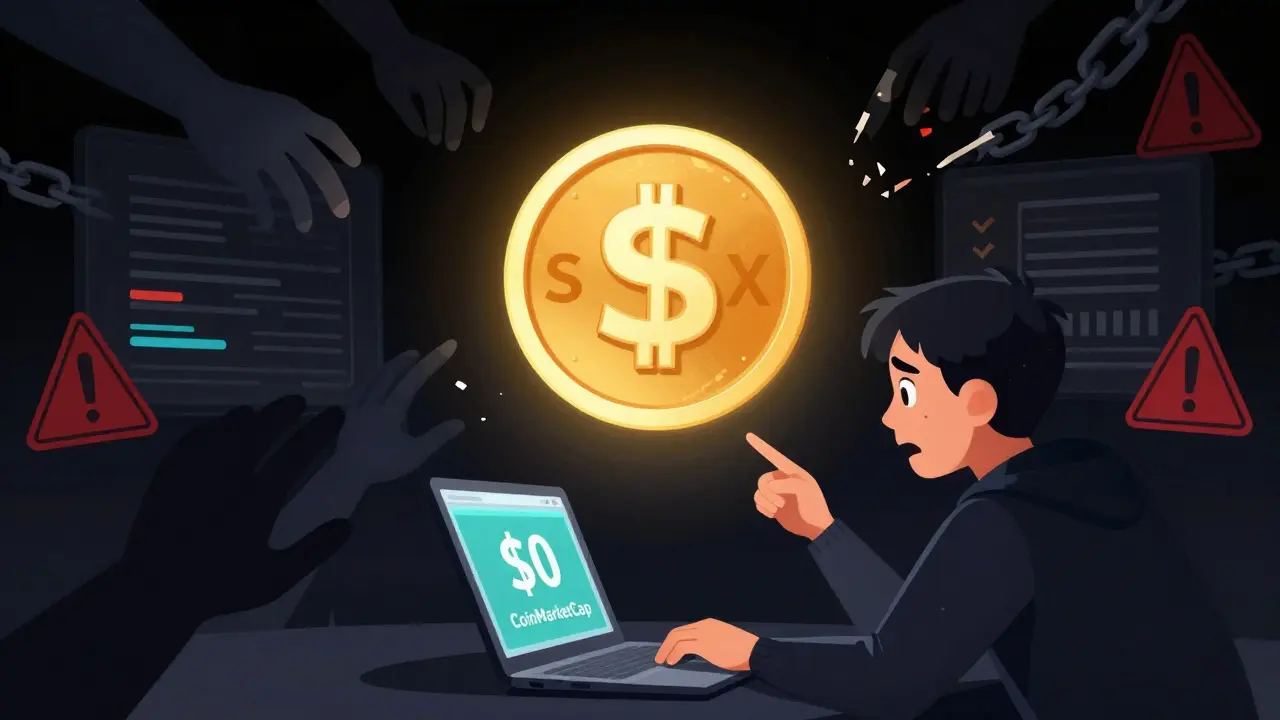
The SafeLaunch SFEX token airdrop is a scam with zero value. No official project exists, and any claim to claim tokens is a phishing attempt designed to steal your crypto. Learn how to spot and avoid this common 2026 crypto scam.
How Indonesians Trade Cryptocurrency Legally in 2026

Indonesia allows legal cryptocurrency trading under strict rules: only licensed exchanges, no payments, and new tax rates of 0.21% domestically or 1% on foreign platforms. Learn how to comply in 2026.
What Is Cryptographic Encryption in Blockchain?
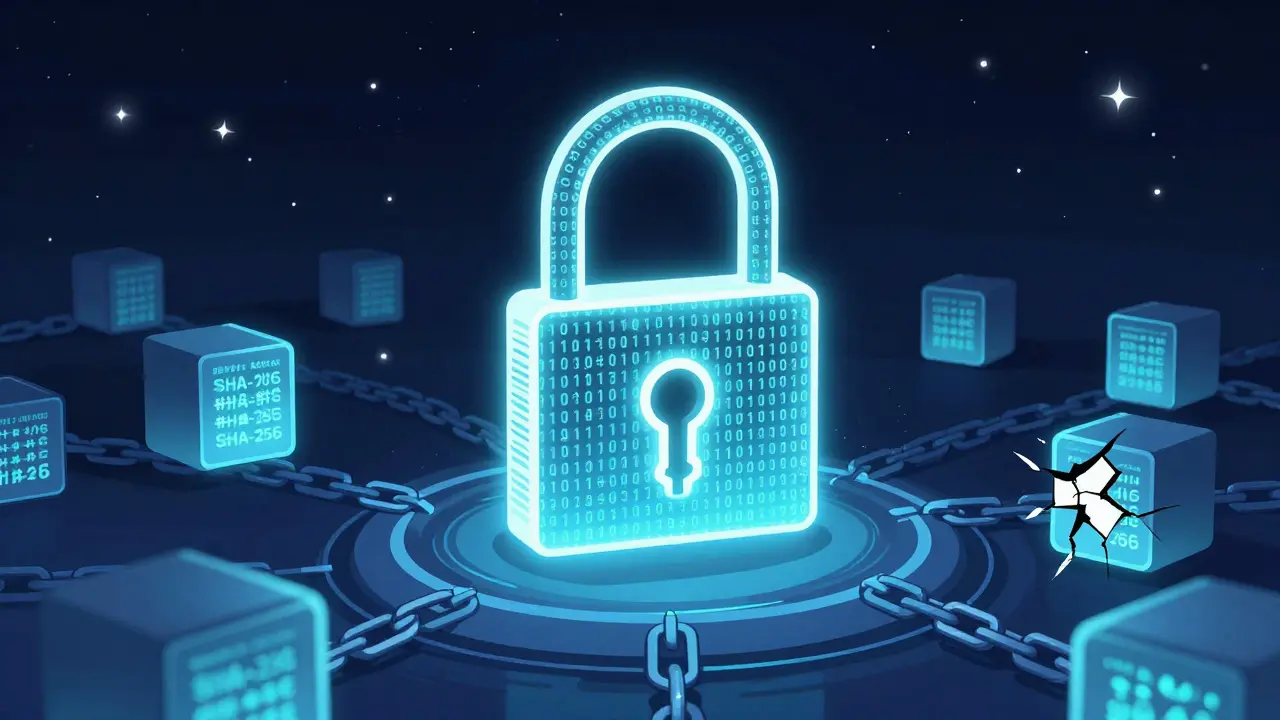
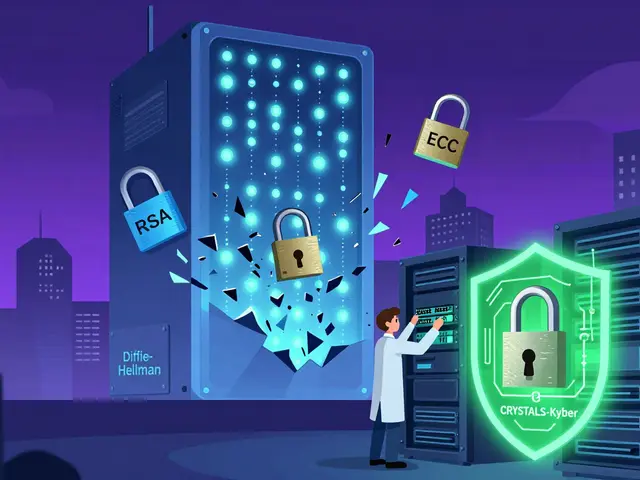
Cryptographic encryption in blockchain uses hashing, public-private keys, and digital signatures to secure transactions, prevent tampering, and verify ownership. It’s the foundation of trust in Bitcoin and other blockchains.
What is Kim Exchange (KIM) crypto coin? A clear breakdown of the DEX, token, and current status
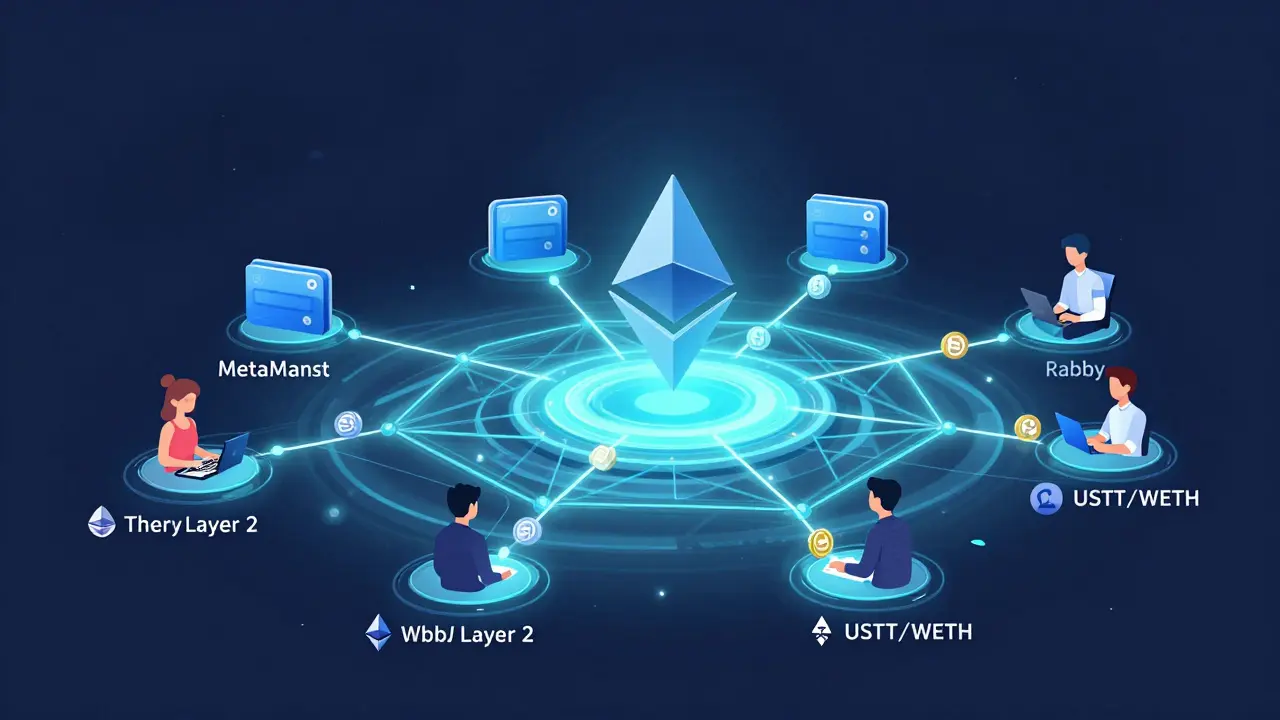
Kim Exchange (KIM) is a decentralized exchange on the Mode Layer 2 network, offering low fees and community rewards. As of March 2026, it has minimal trading volume, no major exchange listings, and unclear token supply - making it high-risk and experimental.
Privacy Coin Technology: How Ring Signatures and zk-SNARKs Protect Blockchain Transactions

Ring signatures and zk-SNARKs are the two leading technologies behind privacy coins like Monero and Zcash. They hide transaction details differently - one by blending identities, the other by proving validity without revealing data. Here’s how they work, their pros and cons, and where they’re headed.
HashKey Exchange Crypto Exchange Review: Regulatory Leader with Limited Features
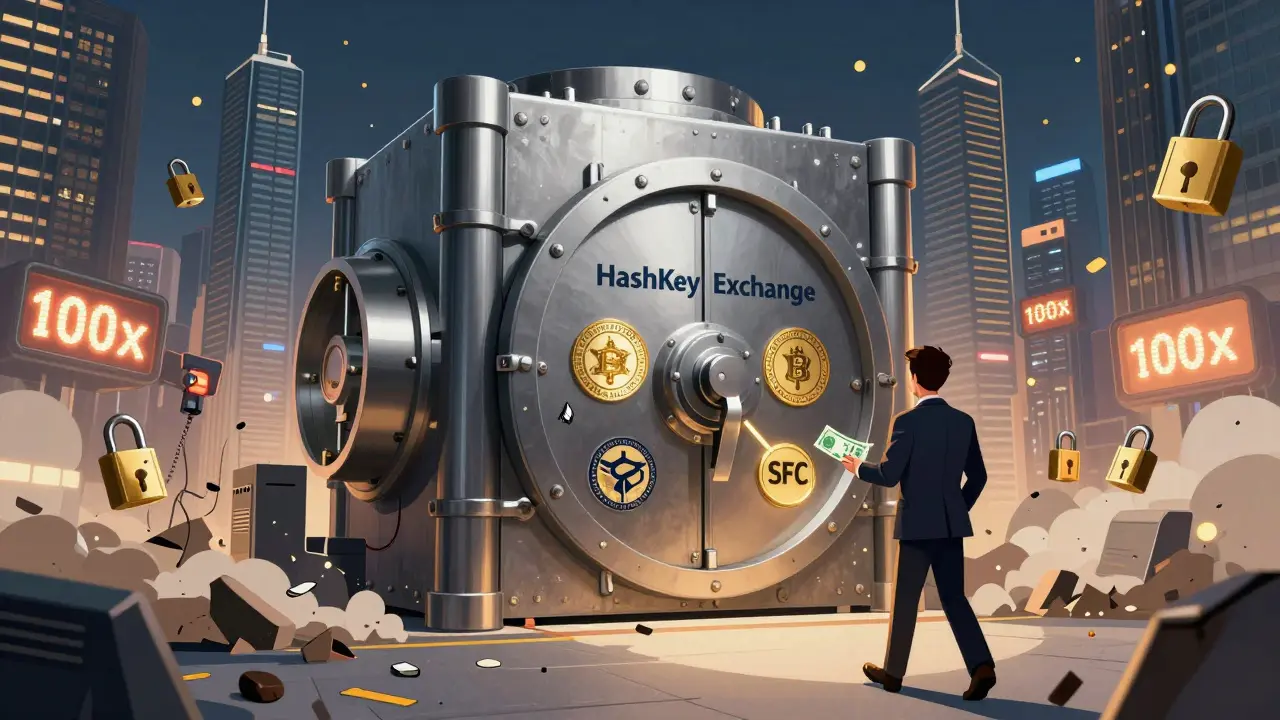
HashKey Exchange is a licensed Hong Kong crypto platform offering strong compliance and security but limited trading options. Ideal for regulated users, not day traders.
What is Medodo Coin (MDDC) Crypto Coin? A Clear Breakdown of Price, Supply, and Use Case

Medodo Coin (MDDC) is a fan-based crypto tied to Blvd Live TV, used for tipping artists, buying merch, and gaming. With over 1.6 trillion tokens and extreme price swings, it's high-risk and niche.
Mercenary Capital in Liquidity Mining: How Short-Term Investors Shape DeFi

Mercenary capital in liquidity mining drives short-term DeFi growth but creates instability. Investors chase high APYs, dump tokens, and leave-hurting protocols and users alike. New models like token lockups and protocol-owned liquidity are trying to fix it.