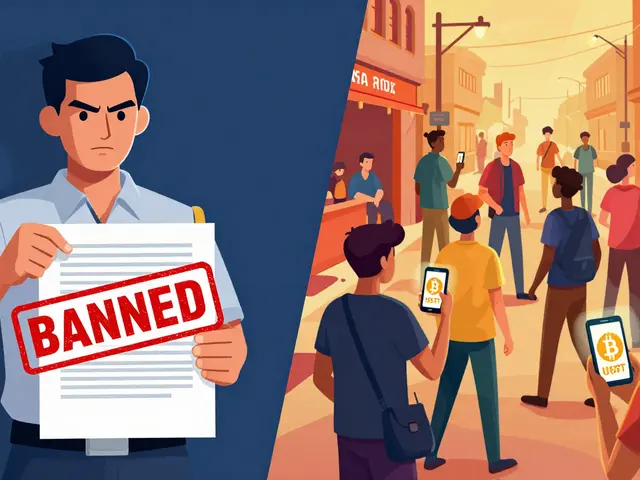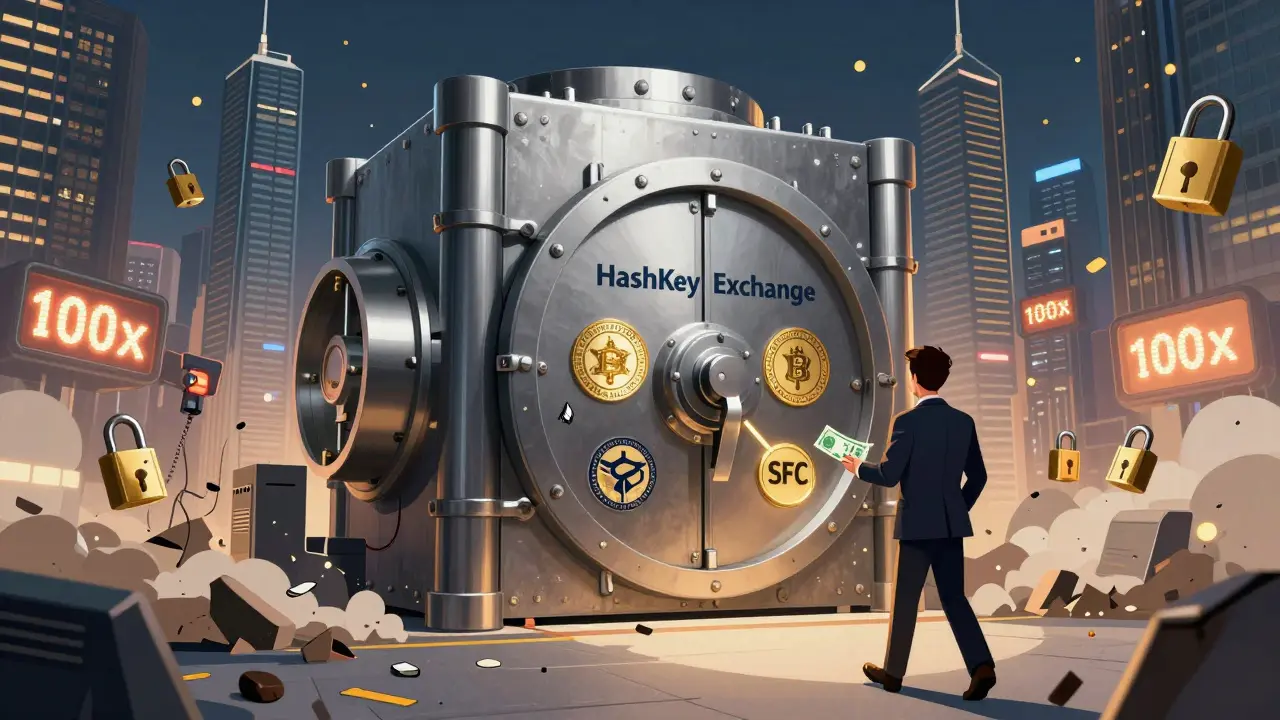

When it comes to cryptocurrency exchanges, most people look for one thing: low fees, lots of coins, and fast trading. But if you're in Hong Kong or care about legal safety above all else, HashKey Exchange might be the only option that truly fits your needs. It’s not the biggest, it’s not the flashiest, but it’s one of the few exchanges in the world that’s been officially licensed by a major financial regulator - the Hong Kong Securities and Futures Commission (SFC). That alone changes everything.
What Makes HashKey Exchange Different?
Most crypto exchanges operate in a gray zone. They offer high leverage, hundreds of tokens, and slick apps - but they also get shut down, frozen, or hacked. HashKey Exchange doesn’t play that game. Founded in 2019 and licensed in 2023 under Hong Kong’s new digital asset rules, it’s one of the first exchanges in the region to earn full regulatory approval. That means regular audits by Big 4 accounting firms, segregated user accounts, and insurance coverage for digital assets. No other exchange in Hong Kong has this level of oversight.Forbes ranked HashKey 14th in its 2025 list of the world’s most trustworthy crypto exchanges, giving it a 4.9 out of 5. That score came from nine strict criteria: regulatory compliance, transparency, asset security, audit strength, institutional client support, spot trading volume, derivatives volume, BTC+ETH support, and cost. Most exchanges don’t even publish this data. HashKey does - and it’s backed by real audits.
Trading Options and Fees
HashKey offers 107 spot trading pairs and 53 futures pairs. That’s not even close to Binance’s 1,000+ or Kraken’s 278, but it’s enough for serious traders who focus on major coins like Bitcoin, Ethereum, Solana, and stablecoins. The platform supports USD and HKD as fiat currencies - a rare feature that makes it one of the few exchanges where you can deposit or withdraw Hong Kong dollars directly.Fees are tiered based on your VIP level and whether you’re a maker (adding liquidity) or taker (removing liquidity). The lowest tier starts at 0.1% for takers and 0.05% for makers. These aren’t the lowest in the industry - Kraken and Bybit often undercut them - but they’re fair for a licensed platform. Deposits and withdrawals of cryptocurrencies are free and typically complete within 10 minutes. But here’s the catch: fiat withdrawals (HKD/USD) come with a fee. Users on Trustpilot have complained about this, calling it “unfair” and “hidden.”
The native token, HSK, gives you discounts on trading fees and rewards for referrals. It’s not a major player in the market, but if you trade heavily on HashKey, holding HSK makes sense.
Security: Solid, But Not Advanced
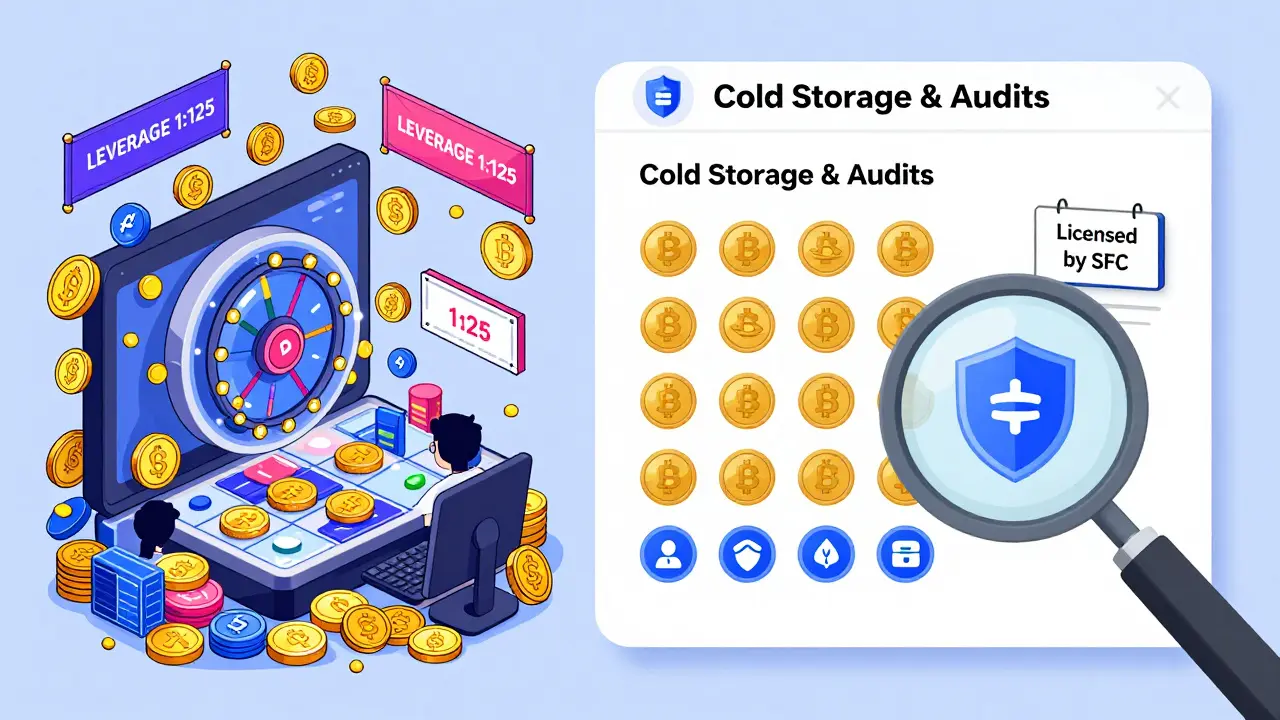
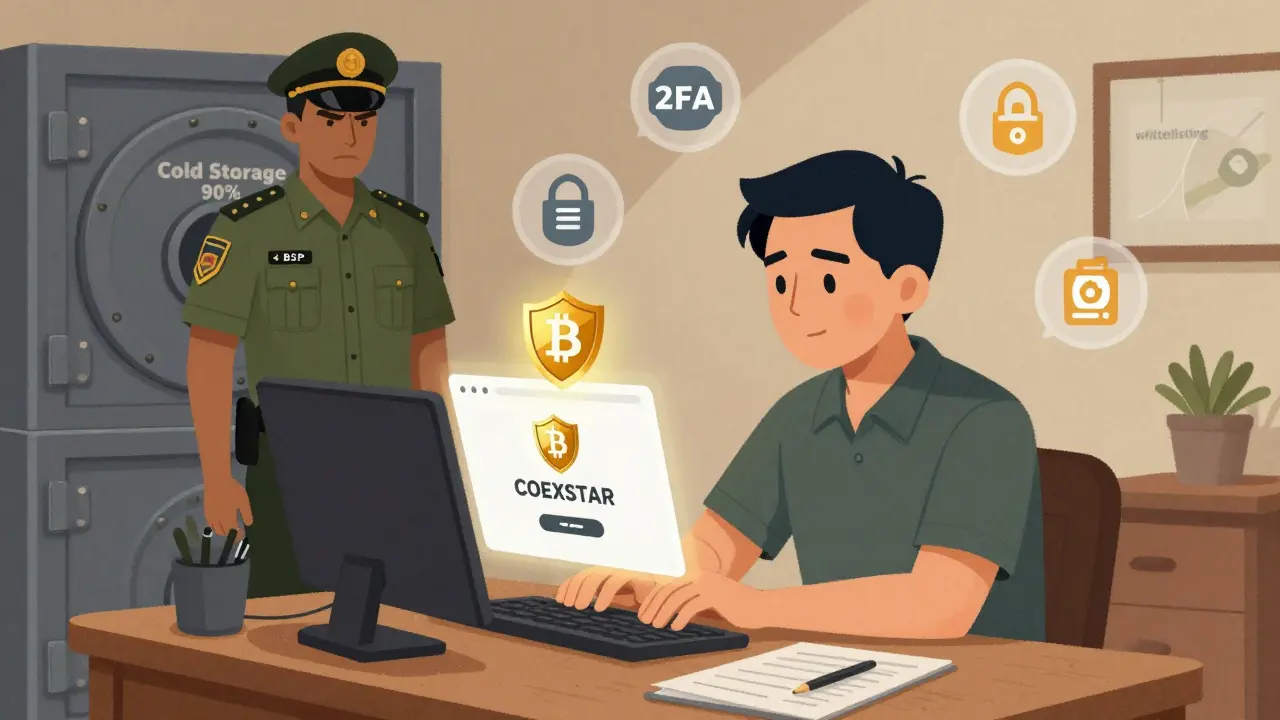
Security is where HashKey shines. All assets are stored in cold wallets. Two-factor authentication (2FA) is required. Data is encrypted with SSL. The exchange has never been hacked. That’s more than you can say for many larger platforms.But it’s not perfect. TradersUnion gave HashKey a 6.75/10 for security - meaning it meets basic standards but lacks advanced protections. No facial recognition. No biometric login. No insurance for fiat balances. And while 2FA is supported, some users report being logged out randomly, even on trusted devices. One user wrote: “I get forced to log in every 20 minutes. It’s like the platform doesn’t trust me - even though I’m the one who deposited the money.”
Trading Tools and Interface
The interface is clean but outdated. It works fine for beginners who just want to buy Bitcoin or swap ETH for USDT. But if you’re a day trader or algorithmic trader, you’ll be frustrated. There are no trading bots. No copy trading. No advanced charting tools like volume profile or order flow analysis. The mobile app is functional but slow. API access is available for institutional clients, but the documentation is basic.Trading tools scored only 5.25/10 by TradersUnion. That’s because HashKey prioritized compliance over innovation. While competitors like OKX added AI-powered alerts and social trading, HashKey stuck to the basics. If you need complex strategies, this isn’t the place.
Supported Cryptocurrencies
HashKey supports only 26 cryptocurrencies. That’s a tiny fraction compared to OKX (329) or Kraken (278). You won’t find obscure memecoins, new DeFi tokens, or niche Layer-2 projects here. The selection is limited to major coins and stablecoins: BTC, ETH, SOL, ADA, DOT, USDT, USDC, DAI, etc.This isn’t a bug - it’s a feature. HashKey only lists assets that meet strict compliance standards. That means no tokens tied to privacy coins, no coins with unverified teams, and no projects flagged by regulators. If you’re tired of rug pulls and scams, this might be a relief. But if you’re chasing the next 100x, you’ll be disappointed.
Customer Support and User Experience
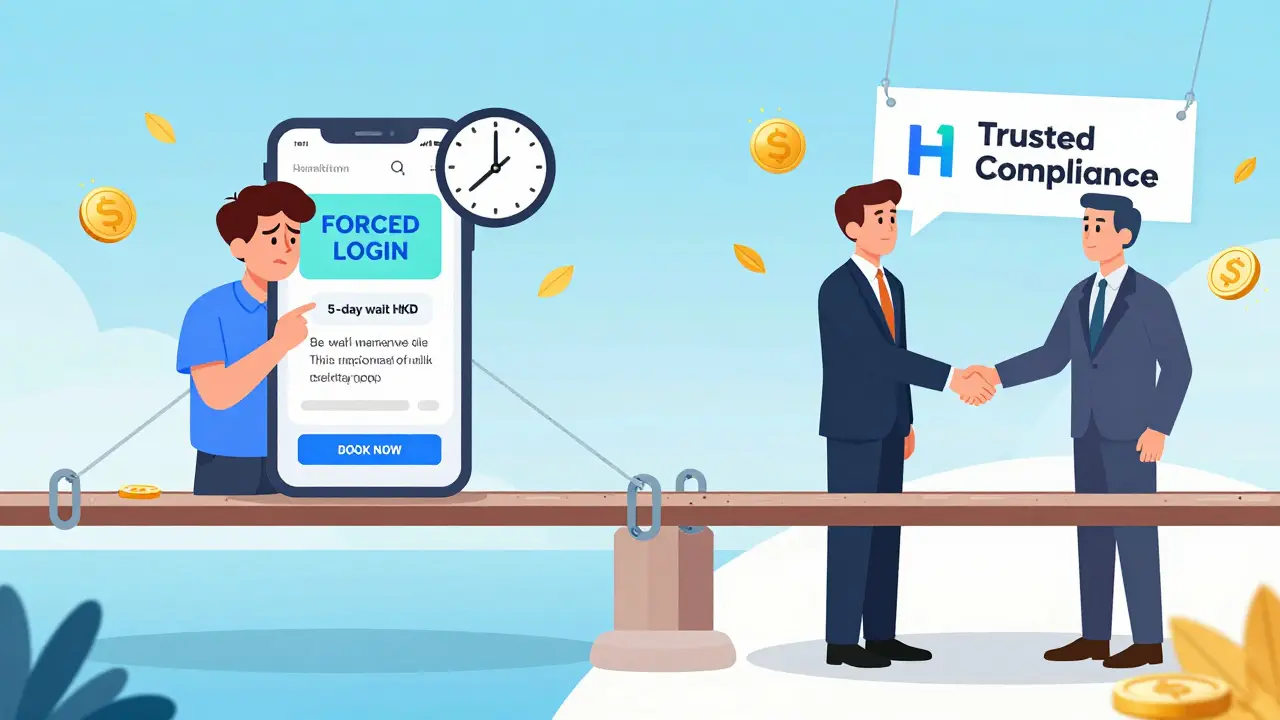
Support is a mixed bag. Live chat is available 24/7, but ticket responses take 24-48 hours. Email replies? Often take over a week. Trustpilot reviews show a 50/50 split between positive and negative feedback. The most common complaints:- Forced logins every few hours
- Slow fiat withdrawals (up to 5 business days)
- High fees on HKD withdrawals
- Unresponsive customer service after reporting issues
One user claimed they were accused of money laundering and asked to pay $362 to withdraw their own funds. After paying, they got no response. HashKey hasn’t publicly addressed this case, which raises red flags.
On the positive side, institutional clients get dedicated account managers. If you’re a hedge fund, family office, or enterprise, HashKey’s team is responsive and professional. Retail users? Not so much.
Who Is HashKey Exchange For?
This exchange isn’t for everyone. If you’re looking for:- High leverage (1:100+)
- 100+ new altcoins every month
- Copy trading or bots
- Fast customer support
- A sleek, modern UI
Then skip HashKey. Go to Bybit, OKX, or Kraken.
But if you’re:
- Based in Hong Kong or Asia
- Worried about regulatory risk
- Wanting to trade with fiat (HKD/USD)
- Trusting compliance over flashy features
- An institution or professional investor
Then HashKey is one of the safest choices in the market. It’s not the most exciting exchange, but it’s one of the most reliable.
The Bottom Line
HashKey Exchange is a compliance-first platform built for a new era of crypto regulation. It sacrifices speed, variety, and innovation to earn trust. In 2025, that’s a rare and valuable trait. If you live in Hong Kong or care deeply about legal safety, this is one of the few exchanges you can truly rely on. But if you’re chasing profits through aggressive trading or new tokens, you’ll be better off elsewhere.The future of crypto isn’t just about volume - it’s about legitimacy. HashKey is betting on that. And right now, that bet looks smart.
Is HashKey Exchange legal?
Yes. HashKey Exchange is fully licensed by the Hong Kong Securities and Futures Commission (SFC) as a Virtual Asset Trading Platform (VATP). It’s one of the first and only exchanges in Hong Kong to hold this license, making it fully compliant with local financial regulations.
Can I trade HKD on HashKey Exchange?
Yes. HashKey is one of the few global exchanges that supports direct HKD deposits and withdrawals. This makes it especially useful for users in Hong Kong who want to avoid third-party payment processors.
How many cryptocurrencies does HashKey support?
HashKey Exchange supports 26 cryptocurrencies, including Bitcoin, Ethereum, Solana, Cardano, and major stablecoins like USDT and USDC. It focuses on regulated, high-liquidity assets and avoids obscure or high-risk tokens.
Does HashKey Exchange have a mobile app?
Yes. HashKey has a mobile app for iOS and Android. It allows trading, viewing portfolios, and managing deposits. However, users report it’s slow, occasionally crashes, and lacks advanced features like charting tools or alerts.
Is HashKey Exchange safe for long-term holdings?
Yes, for regulated environments. HashKey stores 95%+ of assets in cold storage, undergoes regular audits by Big 4 firms, and has insurance coverage for digital assets. It has never suffered a security breach. For users prioritizing safety over features, it’s among the safest options available.
Why does HashKey have so few trading pairs?
HashKey intentionally limits its offerings to comply with Hong Kong’s regulatory framework. The SFC requires exchanges to list only assets that meet strict transparency, team verification, and liquidity standards. This reduces risk but also means you won’t find new memecoins or unverified tokens.
Does HashKey offer leverage trading?
Yes, but only up to 1:10 leverage on futures contracts. This is much lower than competitors like Bybit (1:125) or Binance (1:125). The limit is intentional - HashKey prioritizes risk control over high-leverage speculation.
Can I use HashKey if I’m not in Hong Kong?
Yes, but with restrictions. HashKey serves users in select international markets, including Singapore, Malaysia, and parts of Europe. However, it does not serve users in the U.S., Canada, or several other countries due to regulatory constraints. Always check their terms before signing up.
What is the HSK token?
HSK is HashKey’s native utility token. Holding HSK gives you fee discounts on trading, rewards for referring new users, and early access to new listings. It’s not a governance token, and it doesn’t offer staking rewards. Its main purpose is to incentivize trading on the platform.
How does HashKey compare to Binance or Coinbase?
HashKey is smaller, slower, and has fewer features than Binance or Coinbase. But it’s legally licensed in a major financial hub - something neither Binance nor Coinbase can claim in Hong Kong. If you’re in Asia and need compliance, HashKey is safer. If you want volume and tools, go with Binance or Coinbase.
Comments (10)

- bella gonzales
- March 4, 2026 AT 06:31 AM
I just don't have the energy to care about this anymore. They have 26 coins. Big deal. I could've made a list of 26 coins in 5 minutes. Why am I reading this? I just wanted to buy some BTC. Why does everything have to be a thesis?

- Robert Kromberg
- March 4, 2026 AT 11:59 AM
I get why people are frustrated with the limited pairs, but honestly? I'm tired of getting rug-pulled by some guy named 'Satoshi Nakamoto Jr.' on a random DEX. HashKey's approach is boring, sure. But boring keeps your money alive. I'd rather have 26 coins I trust than 300 I have to Google every time I trade.

- Lilly Markou
- March 5, 2026 AT 23:19 PM
The institutional-grade security measures, combined with audited asset segregation, represent a paradigm shift in digital asset custody standards. One cannot overstate the importance of regulatory compliance as a non-negotiable prerequisite for long-term capital preservation in an increasingly hostile regulatory landscape.

- McKenna Becker
- March 7, 2026 AT 11:05 AM
Compliance isn't sexy. But it's the only thing that survives when the house burns down. If you're trading because you think you're a genius, you're already losing. HashKey doesn't care if you're a genius. It cares if your money is safe. That's the point.

- precious Ncube
- March 9, 2026 AT 03:29 AM
If you're not trading 100+ memecoins, you're not serious. This is a bank, not an exchange. Who even uses HKD anymore? This feels like 2017 in a suit.

- Carl Gaard
- March 9, 2026 AT 15:37 PM
I tried HashKey after my last exchange got hacked 😭 and honestly? It's the only one that made me feel safe. Yeah the app is slow. Yeah I get logged out every 20 mins. But I know my coins aren't gonna vanish into the crypto ether. 🙏 I'll take slow and safe over fast and gone any day.

- Elizabeth Smith
- March 10, 2026 AT 21:32 PM
I'm not even mad anymore. I just feel sorry for people who think crypto is about trading. It's about survival. HashKey is the only one treating this like a financial system instead of a casino. The fact that they don't list every scam token is a feature. The fact that you don't get it means you haven't lost everything yet.

- Robert Conmy
- March 12, 2026 AT 18:45 PM
You people are pathetic. You call this 'safe'? It's a museum. You want to trade? Go to Bybit. You want to cry over your coins? Stick with HashKey. And don't act like you're some ethical investor because you avoid memecoins. You're just scared. This isn't safety. This is fear dressed up in a compliance suit.

- Amita Pandey
- March 13, 2026 AT 04:08 AM
The regulatory framework under which HashKey operates represents a necessary evolution of the digital asset ecosystem. The absence of speculative tokens is not a deficiency but a deliberate alignment with fiduciary responsibility. One must question the ethics of platforms that prioritize market expansion over systemic integrity.

- Paul Reinhart
- March 13, 2026 AT 22:38 PM
I used to think the same thing as the guy who said this is a bank, not an exchange. But then I remembered my friend who lost $80k on a fake Solana fork last year. I looked at HashKey and realized I didn't want to be that guy anymore. I don't care if the UI is clunky. I don't care if the withdrawal takes 3 days. I care that when I check my balance tomorrow, it's still there. I'm not trying to become a crypto billionaire. I'm trying to keep what I have. And for that, this is the only place I trust. Maybe that makes me boring. Maybe that makes me old. But I'd rather be boring and rich than wild and broke.
Post-Comment
Categories
Popular Articles