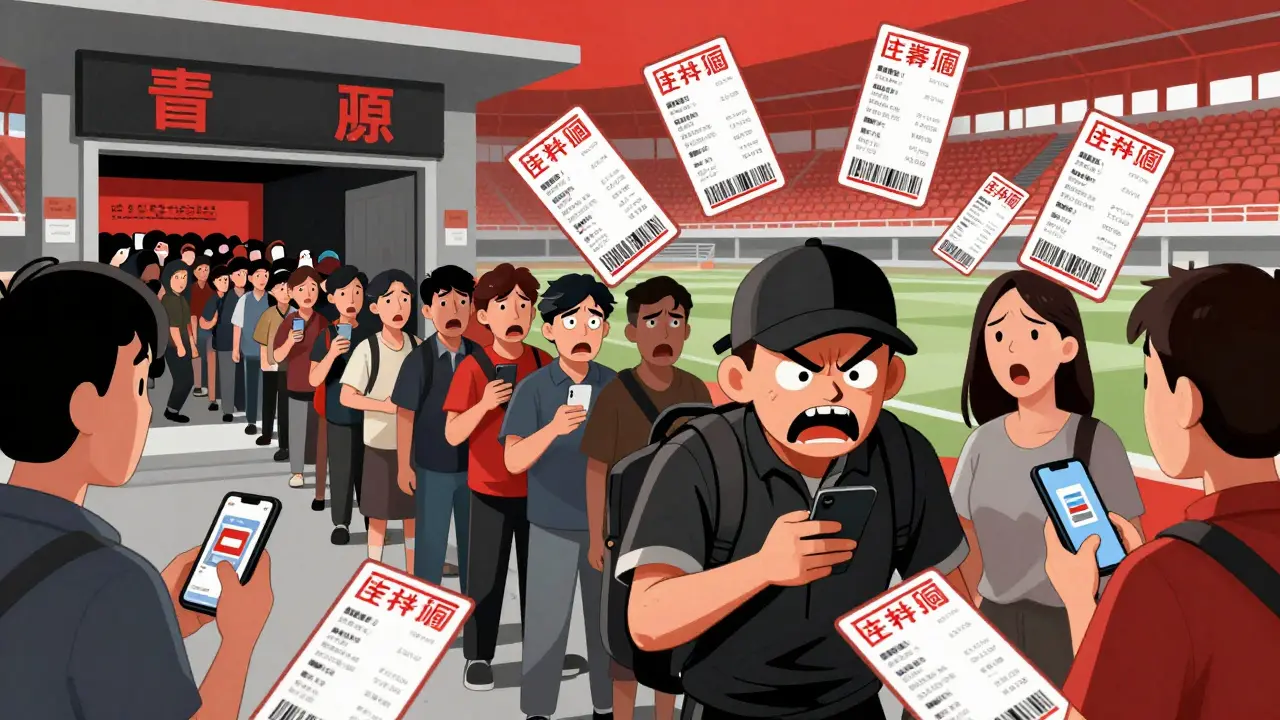

Ever bought a ticket for a massive concert only to find out it was a fake, or watched a bot snatch up every seat in seconds just to resell them at a 500% markup? It's a nightmare for fans and a headache for organizers. But the game is changing. By turning a simple entry pass into a blockchain ticketing system that uses unique digital assets to manage event admission, the industry is finally tackling the fraud and scalping issues that have plagued us for decades. Imagine a world where your ticket isn't just a QR code, but a programmable asset that ensures fair pricing and proves you're the rightful owner.
Why Traditional Tickets are Broken
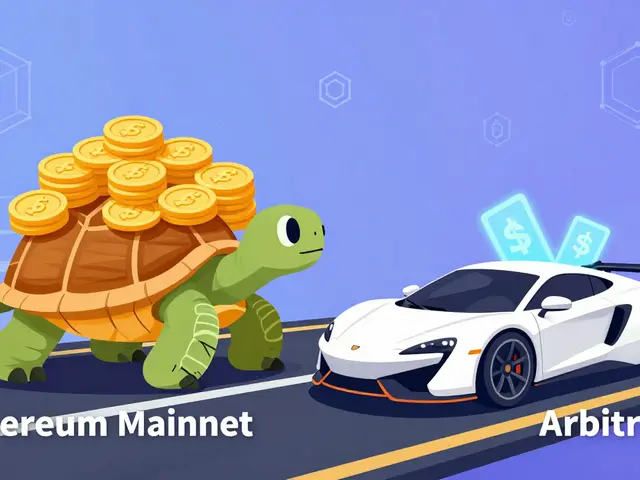
Traditional tickets-whether they are paper slips or PDFs-are basically just digital images. Once they are sent, the organizer loses almost all control. If a scammer sells the same PDF to ten different people, the venue only finds out when ten angry fans try to enter the same gate. This lack of transparency creates a breeding ground for Ticket Scalping, where middlemen buy bulk inventory to gouge fans on the secondary market.
When you use a standard digital ticket, there is no immutable record of who owns it. You're trusting a third-party seller on a site like eBay or Craigslist. If that seller is a fraud, you've lost your money and your chance to see the show. That's where the shift to decentralized tech comes in.
The Magic of NFT Tickets
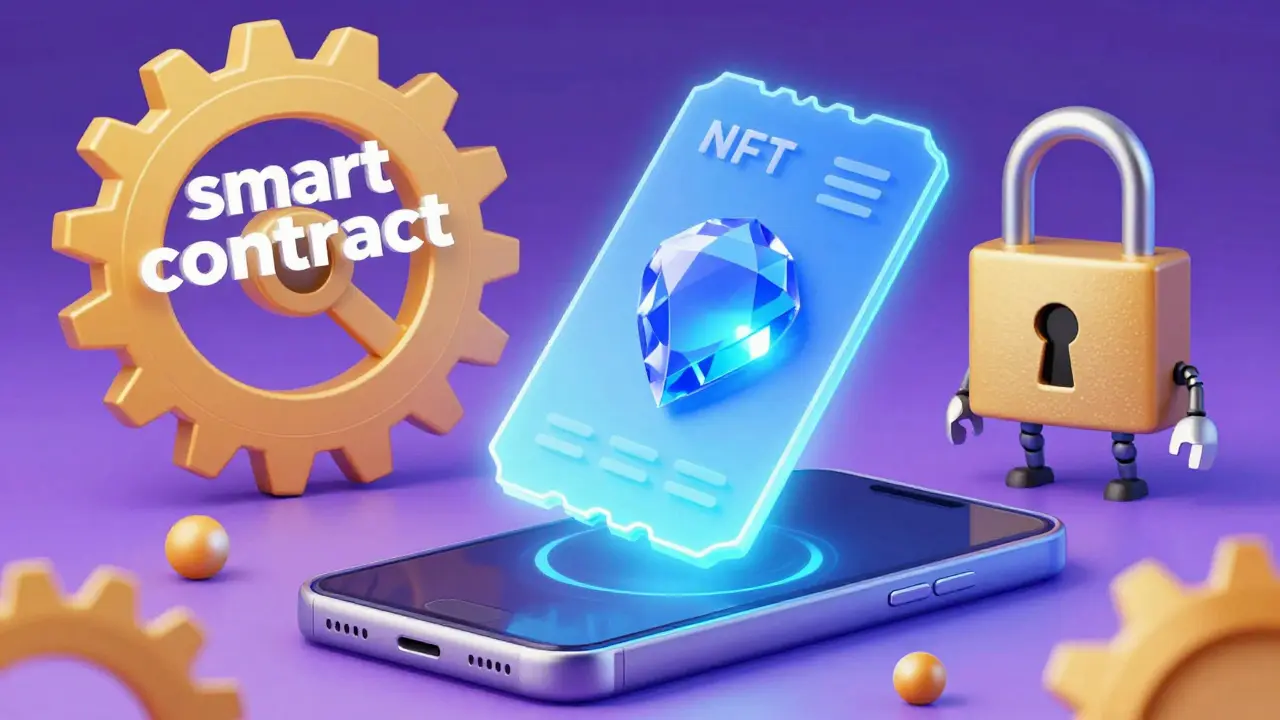
An NFT or Non-Fungible Token, is a unique digital identifier recorded on a blockchain that certifies ownership and authenticity isn't just a piece of digital art; in this context, it's a secure key. Because each ticket is minted as a unique asset on a distributed ledger, it cannot be duplicated. You can't "copy-paste" an NFT ticket the way you can a PDF.
Here is how the process actually works for the user and the organizer:
- Minting: The organizer creates a set number of unique tokens on the blockchain.
- Ownership: The ticket is sent to the buyer's crypto wallet, creating a permanent, public record of ownership.
- Verification: At the door, a quick scan verifies the token's authenticity against the blockchain in real-time.
- Programmability: The ticket can be embedded with rules via Smart Contracts self-executing contracts with the terms of the agreement directly written into lines of code.
| Feature | Traditional PDF/QR | NFT Blockchain Ticket |
|---|---|---|
| Duplication | Easy to copy/screenshot | Impossible (Unique Token) |
| Resale Control | None (Organizer is blind) | Full (Via Smart Contracts) |
| Authenticity | Requires manual verification | Instant blockchain proof |
| Revenue Stream | One-time sale | Ongoing royalties from resales |
Putting an End to Price Gouging
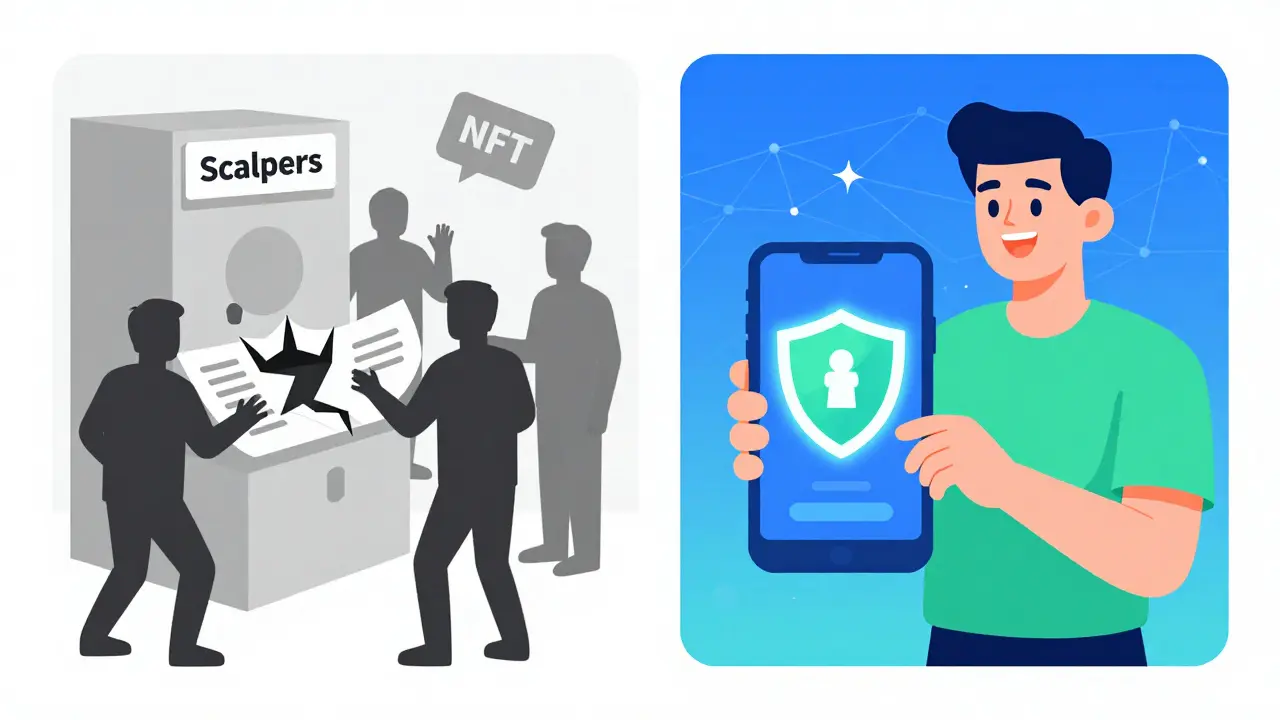
One of the biggest wins for fans is the ability to kill the "scalper's profit." Because Smart Contracts control the ticket's behavior, organizers can set a price ceiling. If a ticket was originally $100, the organizer can program the NFT so it can never be resold for more than $120. This effectively removes the incentive for bots to hoard tickets, as there is no massive profit to be made.
Moreover, organizers can now get a piece of the action. In the old world, if a ticket was resold for $1,000 on a third-party site, the artist and venue saw $0 of that profit. With blockchain, a royalty fee (say 5-10%) can be automatically sent back to the original issuer every time the ticket changes hands. This turns the secondary market from a liability into a new revenue stream.
Boosting the Attendee Experience
Going to a show is about more than just getting through the door. NFT tickets can evolve into "living" assets. Since the ticket is linked to a digital wallet, organizers can send updates, surprise perks, or exclusive content directly to the holder. Imagine your ticket suddenly updating to include a backstage pass because you've attended the last five tours-that's the power of programmable assets.
These tickets also simplify the venue experience. Beyond admission, they can be used for "in-app" spending at concessions or merchandise booths, reducing queues and making the rest of the night seamless. Plus, after the event, the NFT remains in your wallet as a digital collectible-a high-tech version of the old ticket stub that actually holds value.
The Hurdles: Is it Ready for Everyone?
It's not all sunshine and rainbows. The biggest barrier is the "wallet gap." Many regular people don't own a crypto wallet and find the idea of "minting" or "gas fees" intimidating. If a fan has to spend twenty minutes setting up a seed phrase just to enter a stadium, the system fails.
However, the industry is solving this with "custodial wallets." This allows users to log in with an email or social media account while the blockchain complexity happens in the background. Once the user experience feels as simple as using a banking app, the adoption curve will sharpen significantly.

Who Benefits the Most?
High-demand events are where this tech shines. If you're running a small local farmers market, a paper ticket is fine. But if you're managing a sold-out stadium tour or a massive music festival like Coachella, the risk of fraud is astronomical. For these organizers, the initial cost of implementing blockchain tech is a drop in the bucket compared to the losses caused by fraudulent tickets and the PR nightmare of fans being turned away at the gate.
Can I lose my NFT ticket if I lose my phone?
No, because the ticket isn't stored *on* your phone; it's stored on the blockchain and linked to your wallet. As long as you have your wallet recovery phrase or access to your account, you can log in from any device and retrieve your ticket.
Do I need to know how to trade cryptocurrency to use these tickets?
Not necessarily. Many modern platforms use "abstracted" wallets that allow you to buy tickets with a credit card and manage them via a standard login, hiding the blockchain technicalities from the user.
How does this stop bots from buying all the tickets?
While blockchain doesn't stop a bot from clicking "buy" faster than a human, it stops the *incentive* for bots. Since smart contracts can cap resale prices, bots can't flip tickets for huge profits, making the activity financially unattractive.
Is blockchain ticketing more expensive for the organizer?
Initial setup might be higher than a basic PDF generator, but it eliminates printing costs and creates new revenue through secondary market royalties, usually resulting in a net gain.
What happens if I want to give my ticket to a friend?
You simply transfer the NFT from your wallet to theirs. The organizer can decide if this transfer is free, requires a small fee, or is restricted to certain conditions via the smart contract.
Next Steps for Organizers
If you're an event planner, don't try to build a blockchain from scratch. Start by looking for specialized ticketing platforms that offer "white-label" NFT services. Test it on a smaller, mid-sized event first to gauge your audience's tech comfort level. Once you've mapped out your resale rules-whether you want a fixed price or a royalty percentage-you can scale it up to your biggest productions.

Comments (6)

- Artavius Edmond
- April 13, 2026 AT 08:52 AM
This sounds like a total win for the fans. I'm all for anything that stops those greedy scalpers from ruining the vibe for everyone else. Just imagine actually being able to afford a show without paying some random guy on the internet a thousand bucks. Super cool tech!

- 7stargee Emmanuel Obani
- April 14, 2026 AT 12:55 PM
Lmao as if this actually works 🙄 blockchain is just a buzzword for scams. the bots will just find a way to automate the wallets too. good luck with that 🤡

- Carroll Foster
- April 14, 2026 AT 21:57 PM
Oh sure, because adding another layer of cryptographic abstraction to a simple ticket purchase is exactly what the average consumer wants. I can't wait for the 'gas fee' spikes during a Taylor Swift drop to make a $200 ticket cost $500 just to mint it. Truly a masterclass in solving a problem by introducing three new ones. The sheer audacity of thinking a smart contract can outsmart a bot farm is peak 2024 delusions.

- Lela Singh
- April 15, 2026 AT 15:46 PM
Absolute game changer! This is a sparkling solution to a dusty old problem. No more fake tickets causing chaos at the gates. Pure brilliance!

- EDOZIEM MICHAEL
- April 17, 2026 AT 11:28 AM
the beauty of this is how it changes the relationship between the creator and the fan it is more than just a ticket its a digital memory that lives on forever

- Will Dixon
- April 19, 2026 AT 01:11 AM
i think its pretty cool for people who dont know how to use crypto. those custodial wallets make it way easier so you dont have to worry about losing your keys or anythign like that. it just helps everyone get in the door fair and square without the stress of gettin scammed by some bad actor online