
Imagine buying a concert ticket that doesn’t just get you in the door but also acts as a permanent souvenir, pays the artist every time you resell it, and is mathematically impossible to fake. That’s the promise of NFT tickets, which are digital admission passes stored on a blockchain that verify ownership through cryptographic methods. But beyond the hype, what actually happens when you swap your paper stub or PDF for a token on a ledger?
We’ve all felt the sting of the modern ticketing nightmare. You remember November 2022, right? The Ticketmaster crash for Taylor Swift’s Eras Tour wasn’t just bad luck; it was a symptom of a broken system overwhelmed by bots and scalpers. According to reports, that single sale saw 4.5 billion bot requests. Traditional systems were built for a different era. NFT ticketing emerged not just as a crypto trend, but as a technical fix for these specific industry failures: counterfeiting, predatory scalping, and the total lack of value after the event ends.
How NFT Tickets Actually Work
To understand NFT tickets, you have to forget about "collecting" them like baseball cards. Think of them as access keys with extra features. When an organizer creates an NFT ticket, they mint it on a blockchain network. Most platforms today use Polygon, a layer-2 scaling solution for Ethereum that offers low transaction fees and high speed because it’s cheap and fast. Ethereum itself is often too expensive for everyday ticket purchases due to gas fees that can spike from $1.50 to over $15 during peak times.
Here is the core mechanism:
- Minting: The organizer creates a unique token. This token contains metadata-event date, venue coordinates, seat number, and transfer rules.
- Purchase: You buy this token using cryptocurrency or sometimes fiat currency via a simplified gateway like MoonPay. The token is sent to your digital wallet.
- Verification: At the gate, you don’t show a static QR code. You present your wallet. The scanner checks the blockchain in real-time to confirm you hold the valid token.
The magic lies in the Smart Contract, a self-executing contract with the terms of the agreement directly written into code. This code enforces rules automatically. For example, it can prevent you from selling the ticket to a known bot account or ensure that 10% of any resale price goes back to the artist. It’s not a promise; it’s a program.
The Security Upgrade: Why Fakes Don’t Exist
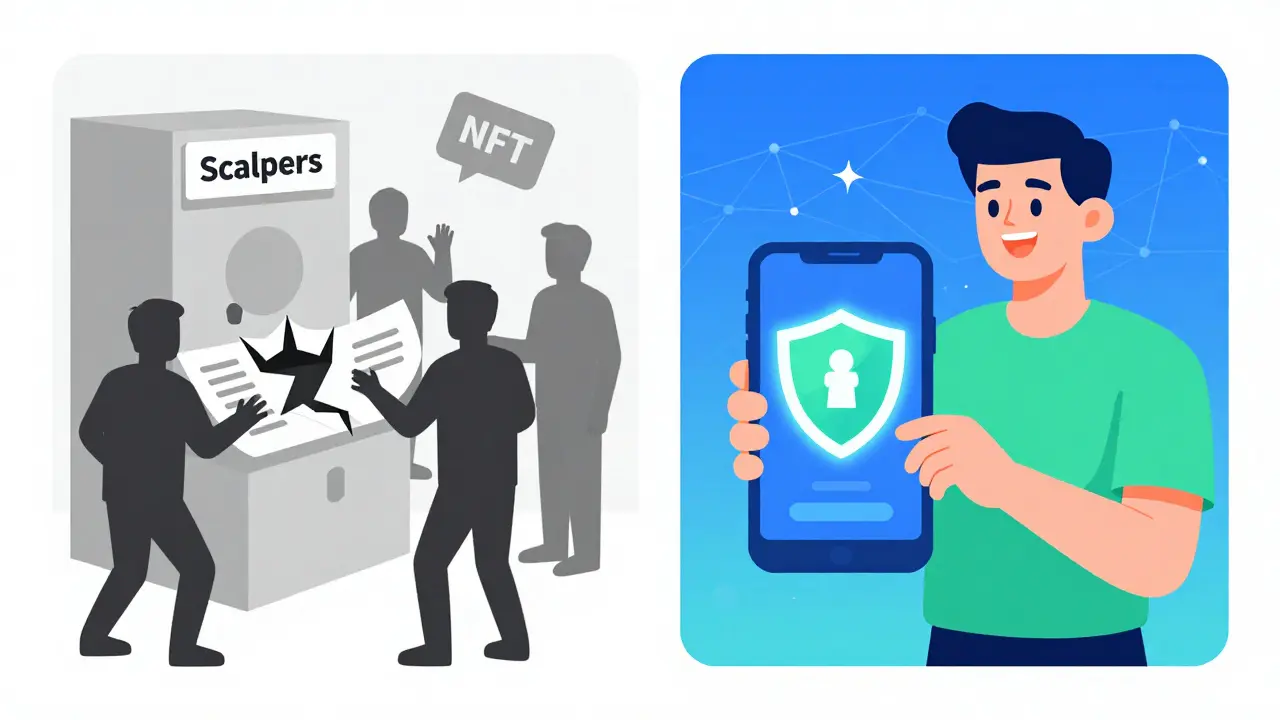
Let’s talk about fraud. In traditional ticketing, the National Association of Ticket Brokers reported counterfeit rates between 12% and 18%. How does that happen? Static QR codes. If someone takes a screenshot of your phone screen, they have a copy. They can print it, email it, or sell it five times. You might find out at the door that you’re holding the third copy.
NFT tickets solve this with dynamic verification. Platforms like GUTS Tickets use QR codes that refresh every 30 seconds. Even if someone screenshots your code, it expires before they can use it. More importantly, the blockchain knows who owns the ticket. Only the person whose wallet holds the token can generate the valid entry signal. It’s mathematically impossible to duplicate the ownership record without controlling the private key of the wallet.
This also stops bots. During the Taylor Swift sale, bots clicked faster than humans. NFT platforms implement "verifiable delay functions." These require a small amount of computational work or human interaction intervals that bots can’t bypass efficiently. It slows down the rush, giving real fans a fighting chance.
| Feature | Traditional Ticket (PDF/Paper) | NFT Ticket (Blockchain) |
|---|---|---|
| Fraud Risk | High (12-18% counterfeit rate) | Near Zero (Cryptographic uniqueness) |
| Resale Control | Low (Scalpers set arbitrary prices) | High (Organizers set caps & royalties) |
| Post-Event Value | None (Trash after event) | High (Collectible, unlockable content) |
| Entry Speed | ~4.7 seconds per scan | ~2.4 seconds per scan |
| User Barrier | Low (Everyone has email) | Medium (Requires wallet setup) |
Who Wins? Artists, Fans, and Organizers
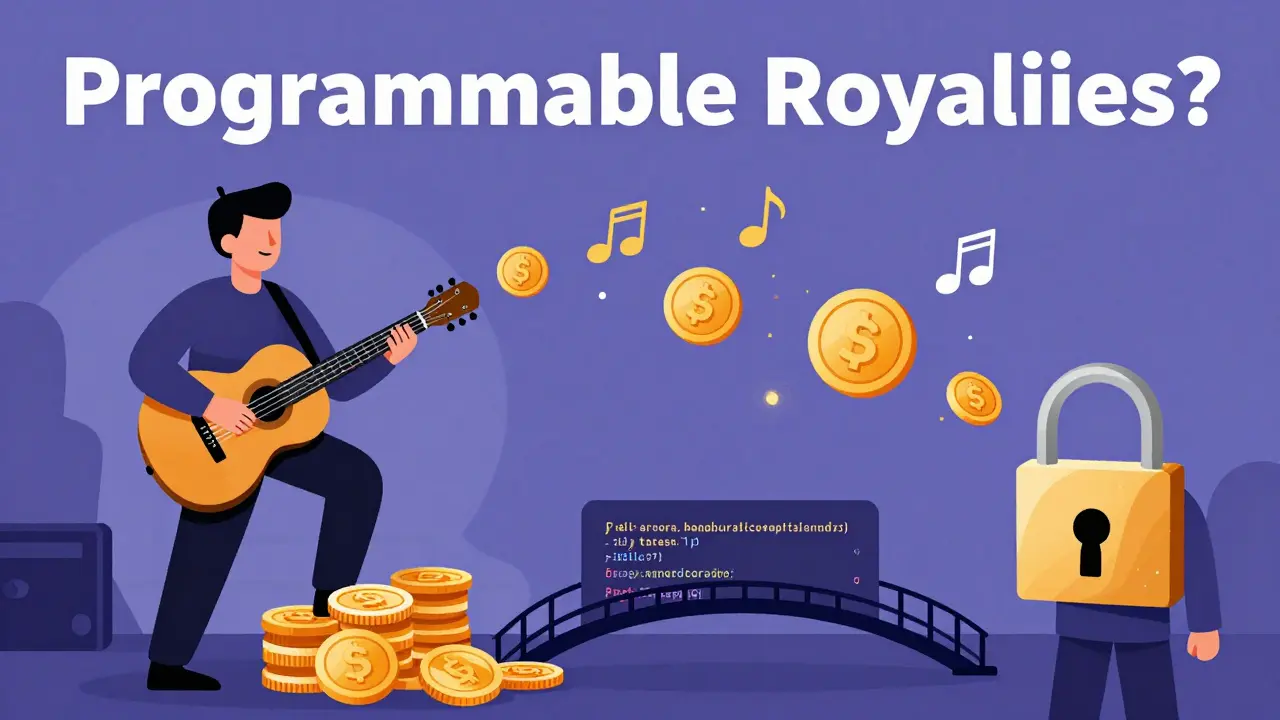
The biggest shift isn’t security; it’s economics. In the old model, if you bought a ticket for $100 and sold it for $300, the artist got nothing. The secondary market was a black hole for revenue. With NFTs, Programmable Royalties, a feature allowing creators to receive a percentage of future sales automatically change the game.
Platforms like ComeTogether allow organizers to embed a royalty clause-say, 5% to 15%-into the smart contract. Every time that ticket changes hands, the artist gets paid. This turns a one-time sale into a recurring revenue stream. For major players like the NBA or Coachella, this adds up to millions. For indie artists, it provides a safety net against predatory resale markets.
For fans, the benefit is twofold. First, you know you aren’t being ripped off by a scalper charging 500% markup. Second, the ticket becomes an asset. After the concert, your NFT might unlock exclusive backstage footage, a physical merch discount, or membership to a fan club. It transforms a disposable receipt into a permanent piece of memorabilia. User feedback from communities like r/NFTTicketing shows that early adopters love this "post-event utility," with some reporting 31% higher engagement with brands that offered collectible tickets.
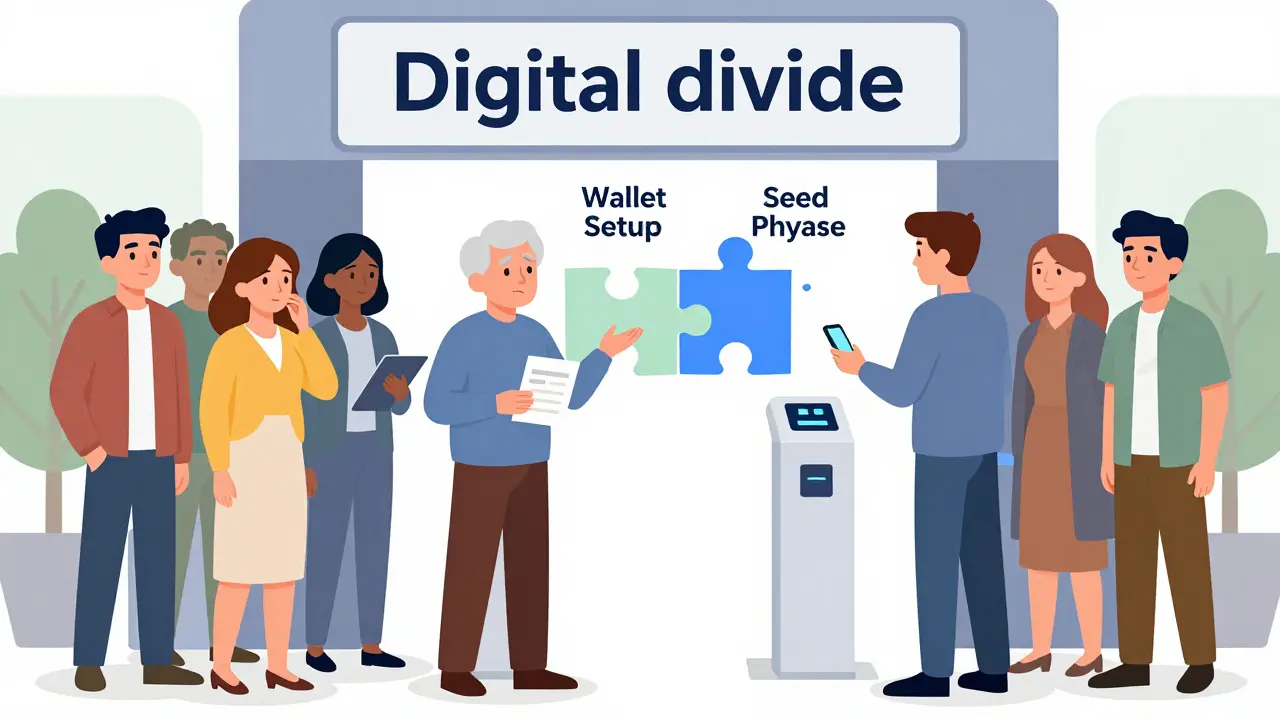
The Real Hurdles: Why Isn’t Everyone Using Them?
If it’s so great, why didn’t my local comedy club switch last week? The friction is real. An Eventbrite survey found that 68% of concertgoers are reluctant to use crypto-based systems because they seem complicated. And they’re right.
To use an NFT ticket, you need a Digital Wallet, such as MetaMask, which is a software application that stores private keys and interacts with blockchain networks. You need to manage seed phrases. You need internet connectivity at the gate. For a tech-savvy 30-year-old, this is fine. For a 70-year-old rock fan, it’s a barrier. One Reddit user shared a story of missing half a show trying to help their grandson connect his wallet to the scanner. That’s the "digital divide" in action.
Then there’s regulation. The U.S. Securities and Exchange Commission (SEC) has been vague about whether certain NFTs constitute securities. While pure admission tickets likely don’t, the legal gray area makes big companies cautious. The European Union’s MiCA regulations, effective June 2024, offer clearer frameworks, which is why adoption is moving faster in Europe than in North America in some sectors.
Finally, there’s the learning curve for staff. Venue employees aren’t blockchain developers. Queue-it reports that venues need 8-12 hours of staff training to handle NFT entry properly. If the Wi-Fi goes down at the gate, how do you verify? Hybrid systems are the current answer, keeping traditional scanners as backups.
Is It Worth It for Your Next Event?
NFT ticketing isn’t a silver bullet, but it’s a powerful tool for specific scenarios. If you’re running a massive stadium tour, the bot protection and speed are worth the headache. If you’re an independent artist wanting to build a loyal community, the post-event utility and royalties are game-changers.
However, if your audience is largely non-digital or your event is low-risk, the added complexity might outweigh the benefits. The technology is maturing rapidly. By 2026, we expect biometric integration (like fingerprint-linked wallets) to remove the need for manual wallet scanning. Until then, NFT tickets represent a bridge between the chaotic past of live entertainment and a more transparent, fairer future.
Do I need to buy Bitcoin to get an NFT ticket?
Not necessarily. While the underlying technology uses blockchain, many platforms now allow you to pay with credit cards. The platform handles the conversion to cryptocurrency behind the scenes. However, you will still need a digital wallet to store the ticket.
Can I resell my NFT ticket?
Yes, but with conditions. The smart contract may limit resale prices to prevent scalping or restrict transfers to verified users. Additionally, a portion of the resale price may automatically go back to the artist as a royalty.
What happens if I lose my wallet?
This is the biggest risk. Unlike a bank, there is no customer support to reset your password. If you lose your seed phrase or device without backing up your wallet, you lose access to the ticket permanently. Always store your recovery phrase securely.
Are NFT tickets environmentally friendly?
It depends on the blockchain. Ethereum used to consume significant energy, but it switched to Proof-of-Stake in 2022, reducing energy use by 99.9%. Most NFT tickets today use Polygon or similar Layer-2 solutions, which are carbon-neutral or very low-energy compared to traditional printing and shipping of paper tickets.
Will my NFT ticket work if the internet is down?
Generally, no. Verification requires checking the blockchain, which needs an internet connection. However, reputable vendors provide offline backup modes for scanners in case of network failure, though this reduces the security benefits.