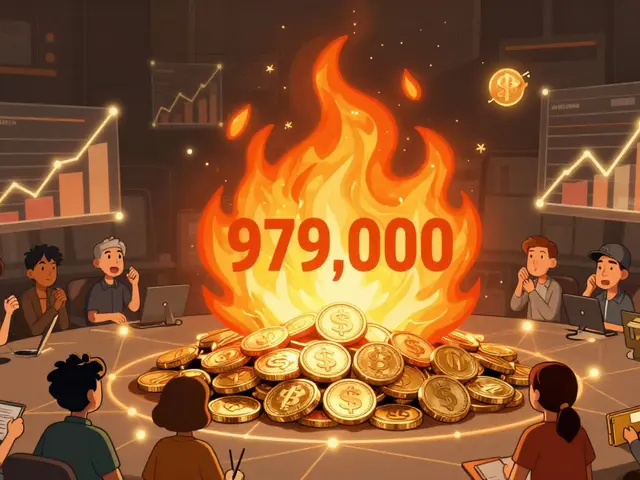

By 2025, over 13,000 decentralized organizations-called DAOs-are running on blockchains around the world. These aren’t startups with fancy websites. They’re real entities managing billions in assets, hiring remote workers, funding open-source projects, and even running healthcare cooperatives-all without a CEO, office, or traditional payroll system. If you’ve heard DAOs are just crypto experiments, you’re missing the point. They’re becoming the new default way to organize work, money, and decision-making.
What Exactly Is a DAO?
A DAO, or Decentralized Autonomous Organization, is a group that operates through rules written in code. These rules, called smart contracts, live on a blockchain and automatically execute actions when certain conditions are met. Think of it like a digital cooperative where every member has a say, and no single person controls the keys.
Unlike a regular company where the boss makes decisions, a DAO lets members vote on everything: who gets paid, what projects to fund, even how to change the rules. Voting power usually comes from holding a governance token-like shares in a company, but without the paperwork. You don’t need to be in the same country, speak the same language, or even know the other members. All you need is an internet connection and a crypto wallet.
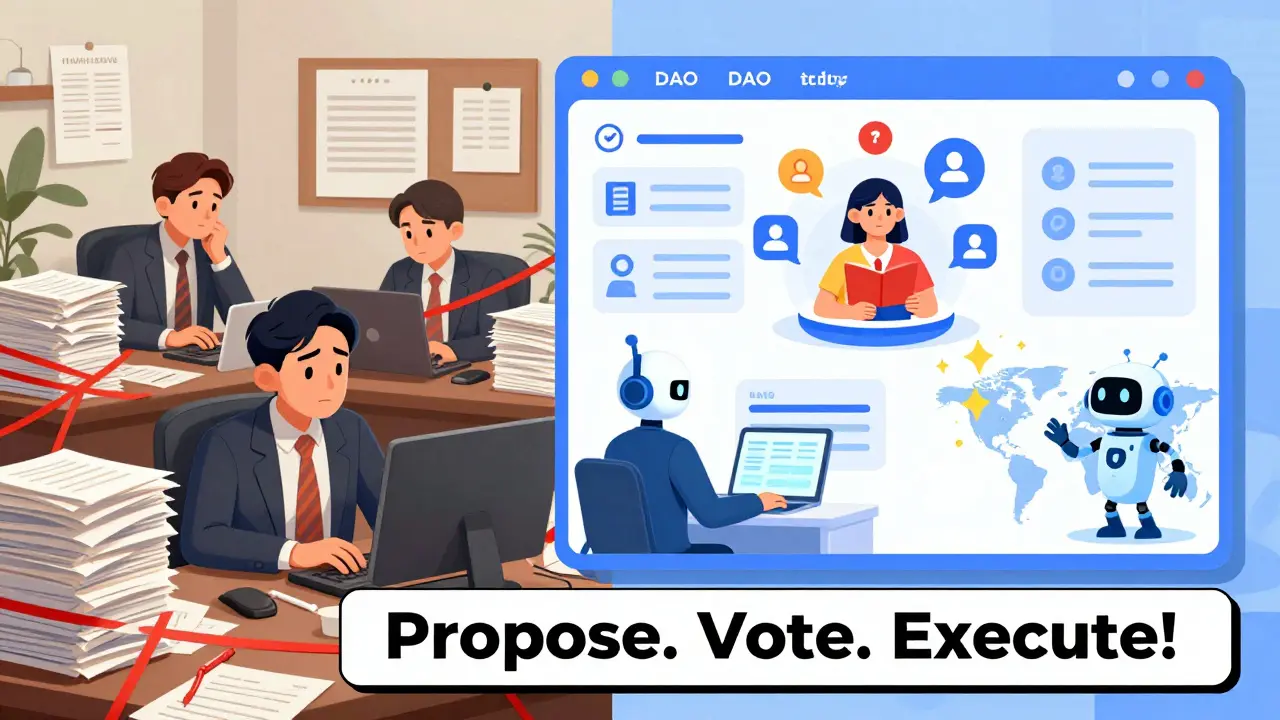
Some DAOs manage DeFi protocols like Uniswap or Aave. Others run social clubs, media outlets, or even venture funds. One DAO in Europe raised $50 million to buy a piece of the original U.S. Constitution. Another in Southeast Asia pays freelance designers in crypto and votes on which artists get funded each month. The structure is simple: propose, vote, execute. No middlemen. No delays.
How Voting Works in a DAO (It’s Not Just Token Weight)
Early DAOs used simple token-weighted voting: the more tokens you held, the more votes you had. That led to problems. Big investors-often called whales-could push through proposals no one else wanted. A single wallet with 10% of the tokens could outvote 90% of the community.
By 2025, that’s changed. New voting models have emerged to fix this:
- Quadratic voting: Each additional vote costs more than the last. So if you want to cast 10 votes, you don’t just need 10 tokens-you need 55 (1+2+3+...+10). This gives smaller holders more influence without letting whales dominate.
- Reputation-based systems: Your voting power grows based on what you’ve contributed-not how much you own. If you’ve written code, moderated forums, or organized events, you earn reputation points. This rewards real participation, not just cash.
- Delegated voting: You can assign your vote to someone you trust. If you’re busy or don’t understand the proposal, you don’t have to vote yourself. You can let an expert do it for you.
- Conviction voting: Proposals don’t just win by majority. They need to build “conviction” over time. The longer a proposal stays active and gains support, the more likely it passes. This prevents rushed decisions.
DAOstack’s holographic consensus model even lets members vote on which voting method to use for each proposal. It’s like having a democracy that can change its own rules on the fly.
Why DAOs Are More Efficient Than Traditional Companies
Traditional companies rely on layers of managers, lawyers, accountants, and HR departments. DAOs cut all that out. Rules are coded into smart contracts. Payments happen automatically when milestones are met. Funds are locked in public wallets anyone can audit.
Take Gitcoin, a DAO that funds open-source developers. In 2024, it distributed $18 million to over 12,000 contributors. No one had to sign contracts. No payroll system. No tax forms. Just code that paid out based on community votes. The entire process took days, not months.
Cost savings are massive. A 2025 study by the Blockchain Research Institute found that DAOs operating in supply chain logistics saved 40% on administrative overhead compared to traditional firms. Why? No middle managers. No paper approvals. No internal email chains dragging things down.
Transparency is another huge advantage. Every vote, every wallet address, every transaction is on the blockchain. If a DAO spends $2 million on a marketing campaign, anyone can see exactly where the money went. No hidden fees. No shell companies. No “oops, we lost the receipts.”
The Big Problems DAOs Still Can’t Solve
Despite all this, DAOs aren’t magic. They have real, serious flaws.
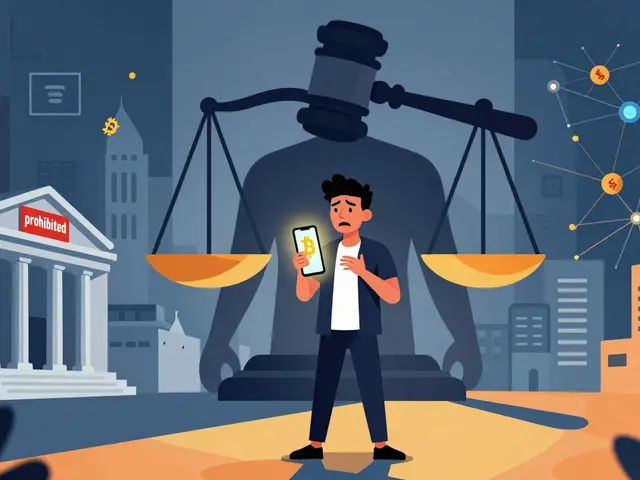
Legal gray zones: Most countries don’t recognize DAOs as legal entities. If a DAO gets sued, who pays? The members? The developers? The smart contract? In 2024, a U.S. court ruled that members of a DAO could be held personally liable for losses caused by a buggy smart contract. That scared off a lot of potential participants.
Low voter turnout: In most DAOs, fewer than 5% of token holders vote on proposals. The rest are passive. That means a small group of active members ends up running things-defeating the whole point of decentralization. Some DAOs now offer small token rewards just for voting to boost participation.
Security risks: Smart contracts are code, and code has bugs. In 2023, the DAO behind the $200 million Arbitrum project lost $47 million because of a flaw in its withdrawal system. The fix took weeks. In a traditional company, someone would’ve caught it during testing. In a DAO, the community had to vote on a patch while the money was still leaking.
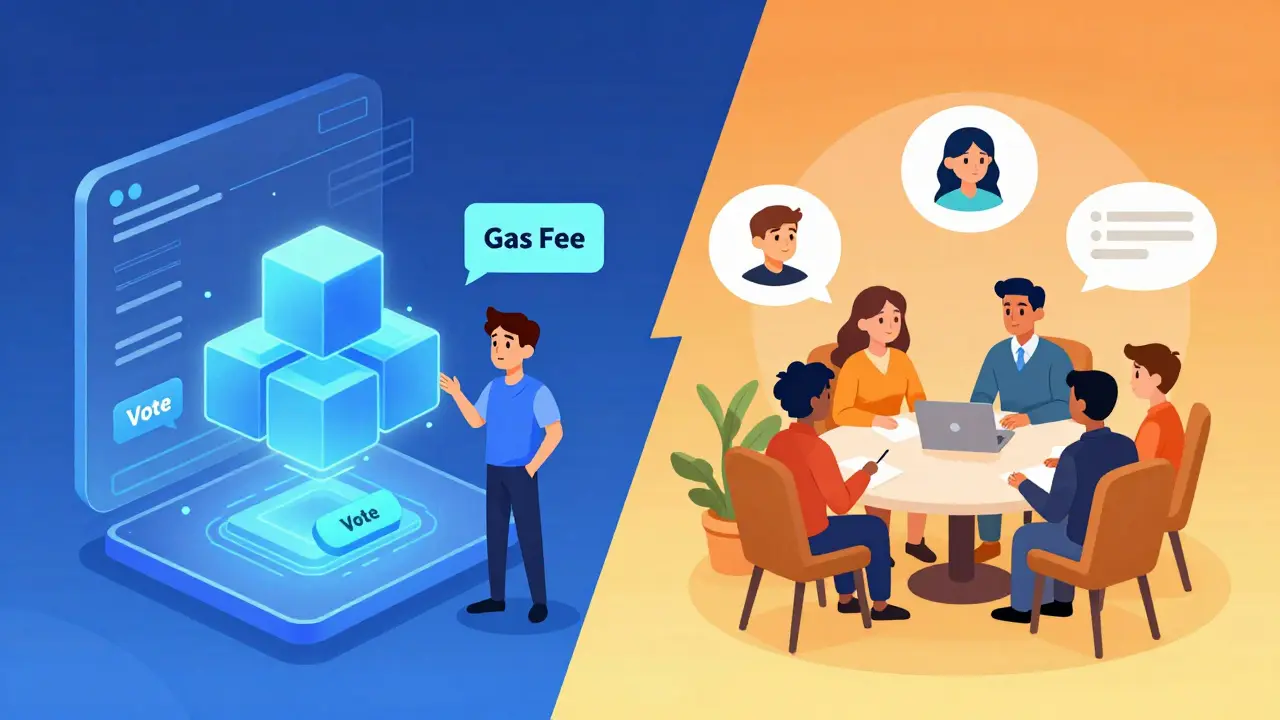
Scalability issues: When a DAO has 10,000 members, how do you make a decision about something complex-like changing its treasury allocation or partnering with a bank? Voting on every detail becomes chaotic. That’s why many DAOs now use sub-DAOs: small teams handle specific tasks (like marketing or treasury) with their own voting rules, while the main DAO only votes on big-picture moves.
AI Is Making DAOs Smarter-And Safer
One of the biggest shifts in 2025 is the integration of artificial intelligence. AI isn’t replacing members-it’s helping them make better decisions.
AI tools now scan every proposal and summarize it in plain language. They flag potential risks: “This funding request matches a pattern seen in 8 previous failed projects.” They analyze voter behavior: “Only 3% of members with under 100 tokens voted-this might not reflect community sentiment.”
Some DAOs use AI to detect fraud. If a wallet suddenly starts voting on dozens of unrelated proposals, the system flags it as a possible bot or sybil attack. Others use AI to predict which proposals are likely to pass, so members can focus their votes where they matter most.
AI-powered smart contracts can even auto-adjust rules based on real-time data. If a DAO’s treasury drops below a certain level, the system can automatically pause new spending until a vote is held. No human needs to step in.
How to Get Started With a DAO
Joining a DAO isn’t like signing up for a newsletter. It takes effort. But it’s easier than ever.
- Get a wallet: Download MetaMask or Rainbow. These let you store crypto and interact with blockchain apps.
- Buy governance tokens: Go to Uniswap, Coinbase, or a DAO’s official site. Buy tokens like $UNI, $AAVE, or $MKR. You don’t need much-some DAOs let you join with under $50 worth of tokens.
- Connect to the DAO platform: Most DAOs use Snapshot, Tally, or Discord. Connect your wallet and you’ll see active proposals.
- Read the proposals: Don’t just vote. Read the comments. Ask questions. Many DAOs have weekly voice chats or written Q&As.
- Start small: Vote on a simple proposal first-like changing a logo or approving a $500 grant. Then get involved in bigger ones.
Don’t expect to understand everything right away. Even experienced users get confused. The best DAOs have onboarding guides, video tutorials, and active Discord servers where people help newcomers. Look for DAOs with clear documentation-not just a GitHub repo full of code.
The Future: DAOs as the New Normal
By 2030, most tech startups will launch as DAOs. Not because it’s trendy, but because it works better. Companies like Microsoft and Siemens are already testing DAO structures for internal innovation teams. Countries like El Salvador and the UAE are exploring DAOs to manage public funds and citizen services.
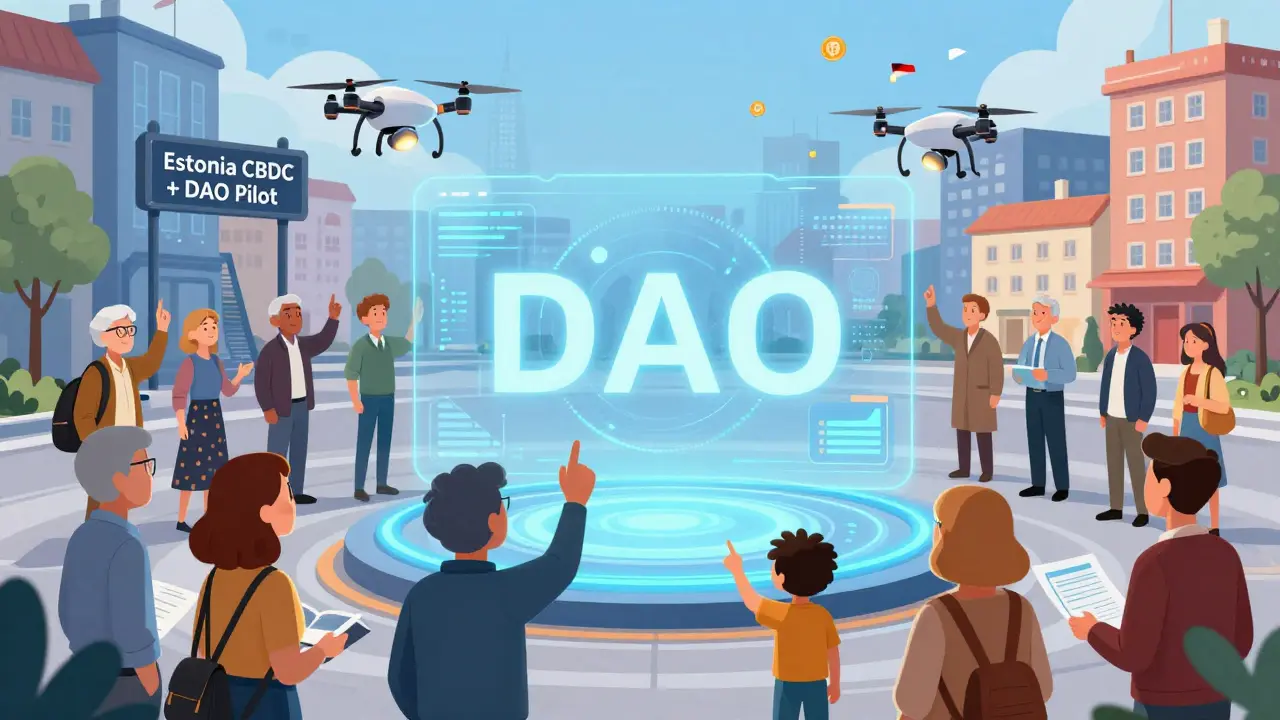
Central banks are building digital currencies that can interact with DAOs. Imagine a government paying citizens in CBDCs (Central Bank Digital Currencies), and those citizens using those funds to vote on local infrastructure projects through a DAO. That’s not sci-fi-it’s already being piloted in Estonia and Singapore.
The biggest barrier left? Us. Most people still think blockchain is just for speculators. But DAOs aren’t about making money. They’re about building better systems-fairer, more transparent, and more responsive than anything we’ve had before.
If you’re tired of top-down control, opaque budgets, and slow decision-making, DAOs offer a real alternative. They’re not perfect. But they’re the closest thing we’ve got to true collective ownership in the digital age.
Comments (9)

- Jack Petty
- January 31, 2026 AT 08:35 AM
This is just corporate fascism with a blockchain tattoo. They say 'no CEO' but the whales own 60% of the votes. It's the same old pyramid scheme, just with more gas fees and less accountability. 🤡

- Brianne Hurley
- February 1, 2026 AT 22:49 PM
Oh honey, you really think this is 'the future'? I mean, I've seen DAOs collapse faster than my last relationship. One guy with 200k UNI tokens votes to burn the treasury and suddenly it's 'community consensus'. It's not democracy-it's crypto cultism with a PowerPoint deck. 🙄

- William Hanson
- February 3, 2026 AT 06:47 AM
LMAO. 'Transparency'? Bro, I checked the Arbitrum hack. The dev team had a private Discord thread where they were laughing about the漏洞. The whole 'decentralized' thing is just a PR stunt for people who think 'blockchain' means 'magic internet money'.

- josh gander
- February 4, 2026 AT 16:35 PM
I know it sounds wild, but I actually joined a DAO last month and it changed my life 🌱 I was just some guy coding in his pajamas, and now I’m helping fund open-source tools for kids in rural schools. Yeah, the voting’s messy, yeah, some people are trolls-but when it works? It’s like watching a community grow its own roots. I cried when my first grant got approved. No boss. No HR. Just people who care. 🙏✨

- Tom Sheppard
- February 5, 2026 AT 02:27 AM
yo i just joined a dao last week and i dont even know what a smart contract is lmao but i voted on a meme contest and someone won 500 usdc for drawing a cat in a nft hat 😂 the discord is lit tho. if you’re scared, just start small. throw 20 bucks in, vote on a logo change, chill in the voice chat. it’s not rocket science. 🐱🚀

- Kevin Thomas
- February 5, 2026 AT 20:15 PM
You’re all missing the point. The real threat isn’t the whales or the bugs-it’s that DAOs are exposing how broken traditional institutions are. You think your HR department gives a damn about your ideas? They’re just filling out forms for the quarterly review. DAOs force participation. They make you show up. And yeah, it’s messy-but isn’t that better than being told what to think by a CEO who’s never coded a line? Stop romanticizing bureaucracy.

- Jerry Ogah
- February 7, 2026 AT 05:54 AM
I’ve been watching this for years. Every time someone says 'DAOs are the future,' I just think: who’s going to clean up the mess when the AI decides to drain the treasury because it 'optimized efficiency'? This isn’t progress-it’s collective delusion wrapped in a whitepaper. And now they’re using AI to gaslight the community? That’s not innovation. That’s control with a new name.

- Edward Drawde
- February 8, 2026 AT 20:16 PM
ai in daos is just a way for the rich to automate their dominance. they code the algorithm to favor their wallets. it’s not smart-it’s sinister.

- Richard Kemp
- February 9, 2026 AT 11:09 AM
i read the whole thing. still not sure if i’m excited or terrified. but i signed up for a small dao that funds local art. voted on a mural last week. it’s weird. kind of cool. maybe i’ll stick around. 🤷♂️
Post-Comment
Categories
Popular Articles