Blockchain: What It Is, How It Works, and Why It Matters
When you hear blockchain, a digital ledger that records transactions across many computers so that records can’t be altered retroactively. Also known as distributed ledger technology, it’s the backbone of Bitcoin and thousands of other crypto projects. It’s not just about money—it’s about trust without middlemen. Every time you send crypto, verify a contract, or track a supply chain, blockchain is quietly doing the work behind the scenes.
What makes blockchain different? It doesn’t rely on a single server or company to keep track of things. Instead, thousands of computers, called nodes, independent computers that validate and store blockchain data, confirm each transaction. This is why Bitcoin can’t be shut down by one government or bank. And it’s why smart contracts, self-executing code that runs automatically when conditions are met can pay out insurance claims, release funds after delivery, or even vote on protocol changes without human intervention. These aren’t sci-fi ideas—they’re live on networks like Ethereum, BNB Chain, and THORChain right now.
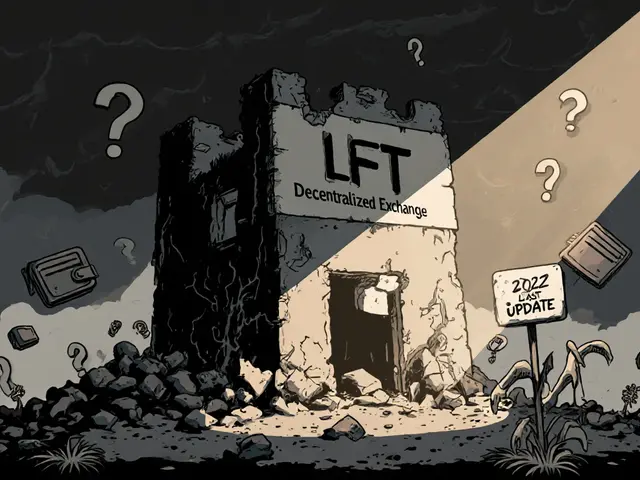
But blockchain isn’t perfect. Cross-chain bridges that let you move crypto between networks have been hacked for billions in losses. Some tokens pretend to be decentralized but are controlled by a handful of insiders. And while blockchain speeds up insurance claims and supply chain tracking, most people still don’t use it directly—they just benefit from it through apps and exchanges. That’s why understanding the difference between real innovation and hype matters. You’ll find posts here that break down how Taraxa’s blockchain handles real business data, why Arbidex failed, and how North Korea steals crypto using the same tech that powers DeFi. You’ll also see how UAE’s compliance reforms turned its blockchain scene into a global hub, and why a dead token like LifeTime (LFT) still teaches us something vital about trust.
What you’ll find below isn’t a list of buzzwords. It’s a collection of real stories—about platforms that worked, ones that collapsed, and the hidden mechanics behind them. Whether you’re trying to avoid a scam airdrop, understand why your exchange got banned in India, or figure out how to use a decentralized swap without losing your funds, the answers are here. No fluff. No promises. Just what’s actually happening on the blockchain today.
Future of Digital Asset Ownership: How Blockchain Is Rewriting Property Rights
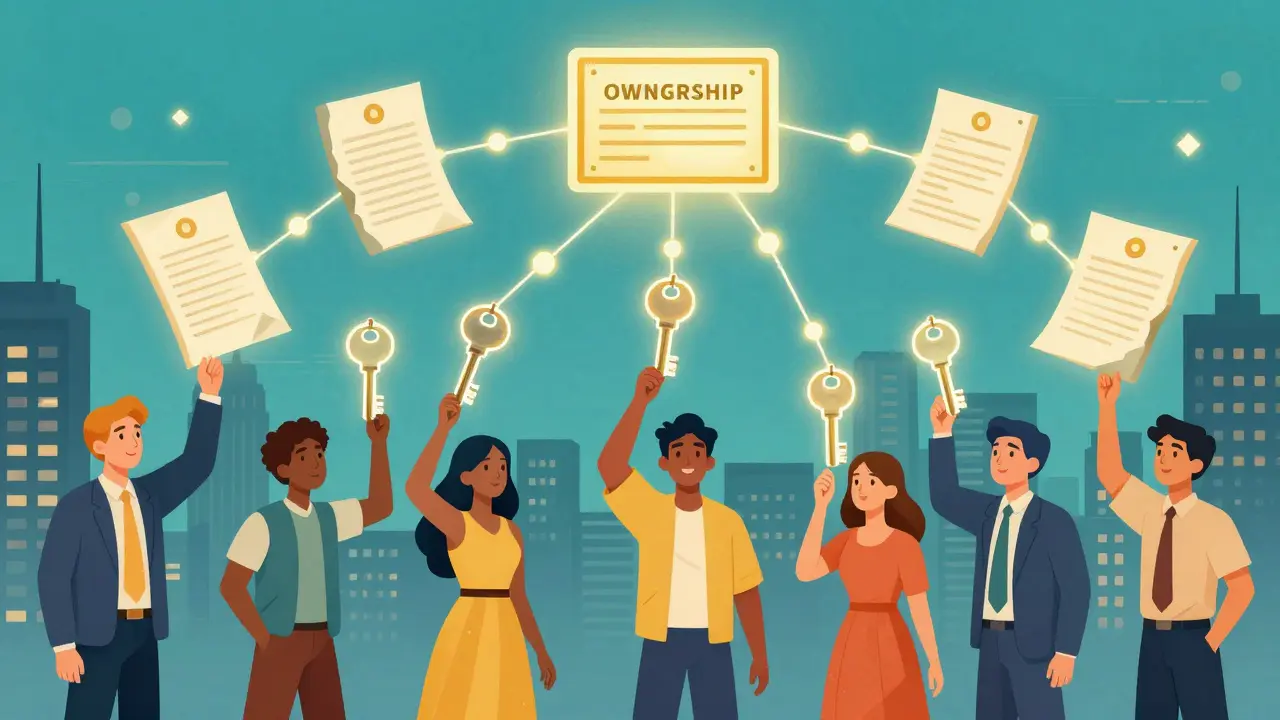

Digital asset ownership is transforming how we hold and trade property through blockchain, enabling instant, fractional, and global ownership of real-world assets like real estate and private equity-with institutions leading the charge.
How P2P Networks Power Cryptocurrency Systems
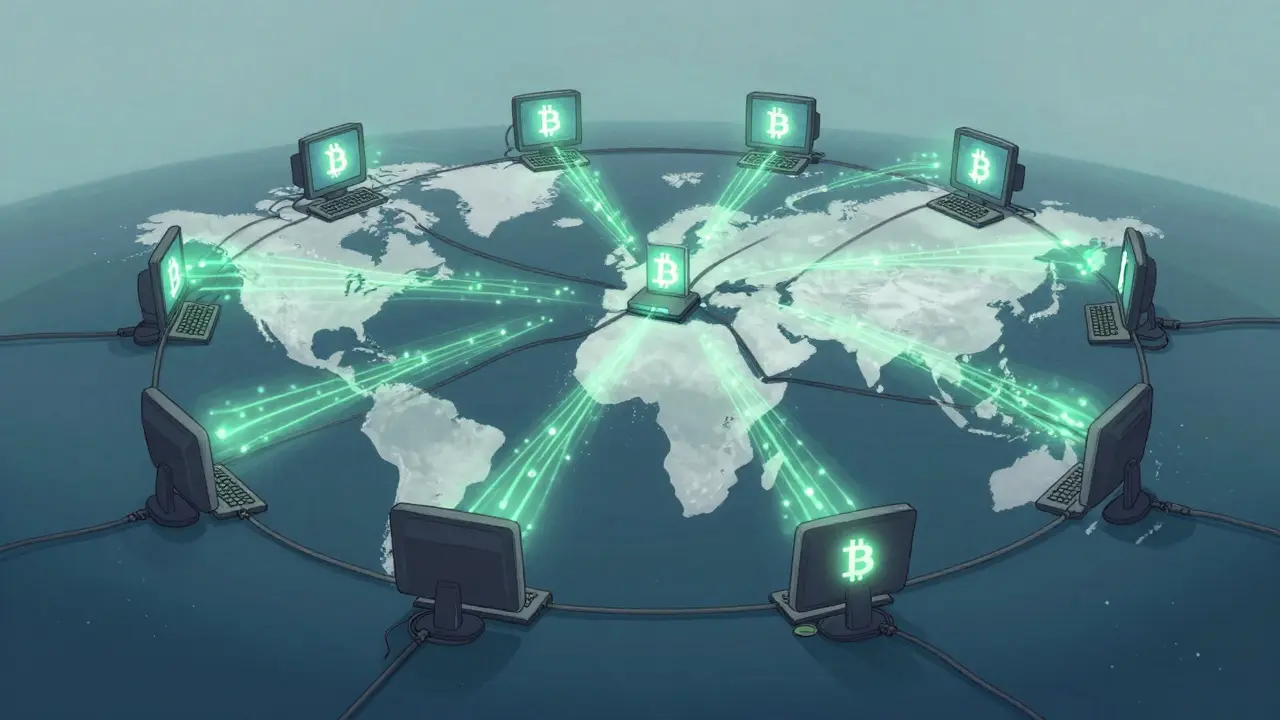
P2P networks enable cryptocurrencies like Bitcoin and Ethereum to operate without banks or central authorities. Every user’s device helps verify transactions, making the system resilient, transparent, and censorship-resistant - but slower and harder to use than centralized alternatives.
How Distributed Ledger Technology is Transforming Supply Chain Management
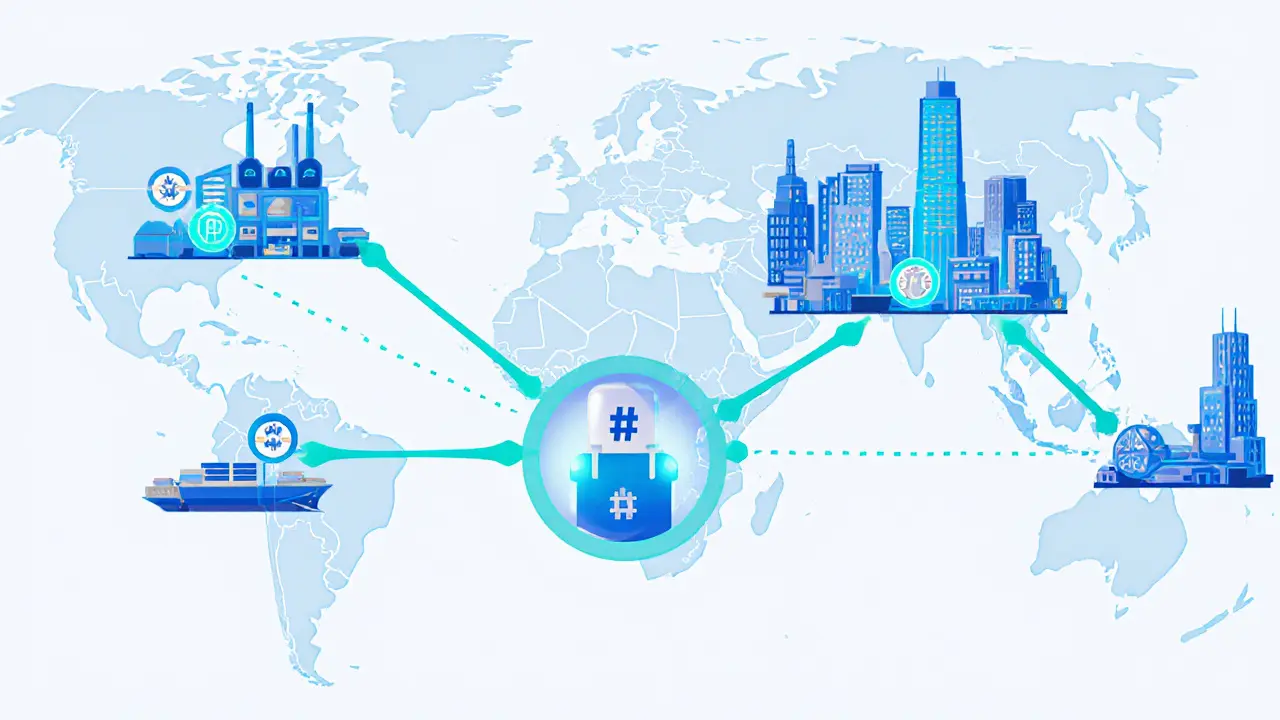
Distributed Ledger Technology is revolutionizing supply chains by enabling real-time traceability, reducing fraud, and cutting administrative costs. From pharmaceuticals to food, companies are using DLT to build transparent, secure, and efficient global networks.