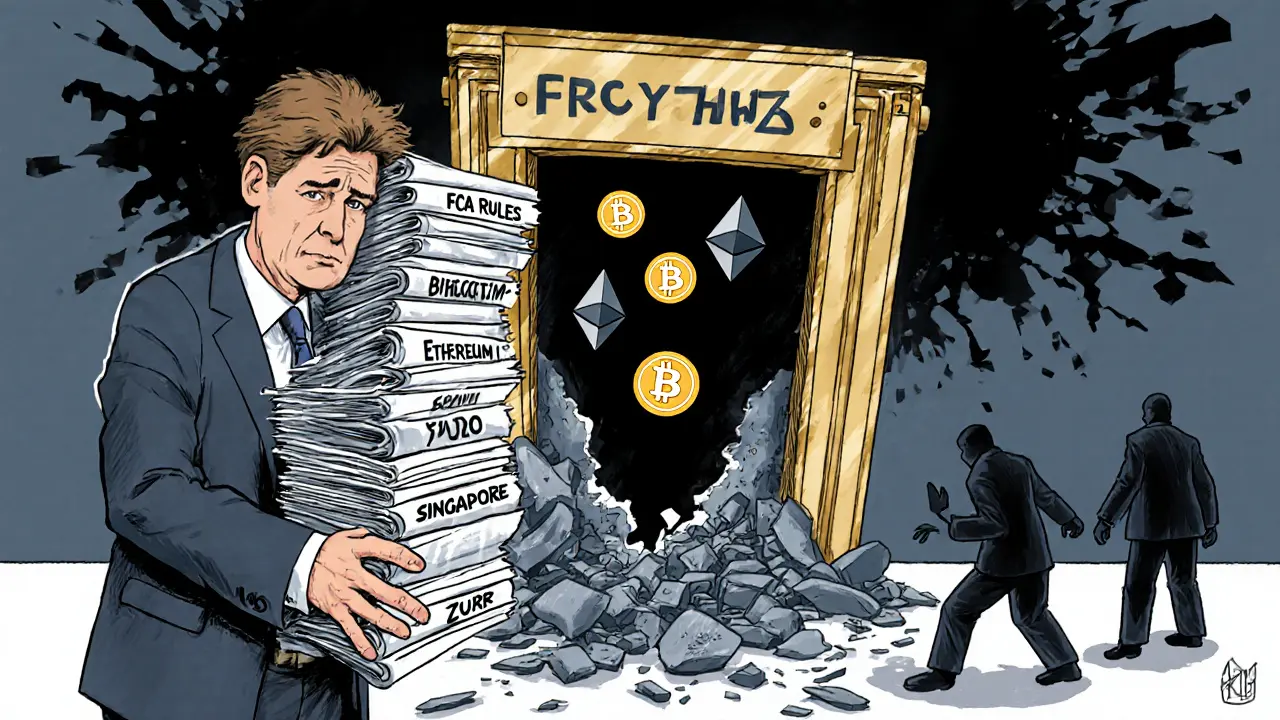

The UK once promised to be the world’s top crypto hub. But today, that dream is stuck in regulatory limbo. While 7 million Brits own crypto-more than one in eight adults-the government’s plan to welcome digital assets with open arms has hit serious roadblocks. The ambition was clear: make Britain the go-to place for crypto firms, innovation, and investment. But now, after the change in government, the energy has faded. What’s left is a complex, evolving set of rules that protect consumers but don’t always encourage growth.
What the UK Actually Regulates Now
The UK didn’t wait for global consensus. It moved fast on stablecoins-crypto coins pegged to pounds or dollars-because they’re used for everyday payments. By 2025, the Financial Conduct Authority (FCA) gained full power to license and monitor firms issuing or holding these coins. If a company wants to sell a pound-backed stablecoin in the UK, it must be authorized. No exceptions. That’s not just oversight-it’s control. The rules are strict. Firms must prove they can handle customer funds securely, prevent money laundering, and keep systems running even during cyberattacks. They need the same level of resilience as banks. The FCA also made it illegal to promote crypto assets to average consumers unless the promotion meets strict standards. That’s why you don’t see ads for Binance or Coinbase on UK TV anymore. But stablecoins are just the start. The real test is coming with Phase 2 of the framework, which rolls out later in 2025. This will cover everything else: Bitcoin, Ethereum, DeFi protocols, NFT marketplaces, crypto lending platforms, and staking services. If your business touches crypto and serves UK customers-even from abroad-you’ll need FCA approval. That’s a huge shift. Most countries only regulate firms physically inside their borders. The UK says: if you target Brits, you’re under our rules.Why the UK’s Rules Are So Broad
The government didn’t want to repeat mistakes made elsewhere. In 2022, the collapse of TerraUSD wiped out billions in global crypto value. Many UK investors lost money. The FCA found that 60% of retail crypto buyers didn’t understand how the assets worked. Fraud cases rose 40% in two years. So the UK’s approach is simple: if you’re selling crypto to people who don’t know what they’re buying, you’re part of the problem. That’s why the FCA is pushing the Consumer Duty-a rule originally for banks-onto crypto firms. Companies must now prove they’re acting in customers’ best interests. That means clear warnings, no misleading claims, and a way to handle complaints. For the first time, crypto users might get access to the Financial Ombudsman Service if they’re scammed. That’s a big deal. It means crypto isn’t treated as a wild frontier anymore-it’s part of the financial system. The law also now lets police seize crypto tied to crime. Under the Economic Crime and Corporate Transparency Act, authorities can freeze Bitcoin wallets without waiting for court orders. This isn’t about banning crypto. It’s about making sure criminals can’t hide behind anonymity.What’s Not Allowed-And Why
The UK doesn’t ban crypto. But it bans a lot of what makes crypto attractive to speculators. - No leverage trading for retail investors. You can’t borrow money to buy Bitcoin with 10x or 20x risk. That’s reserved for professional traders only. - No crypto derivatives like futures or options for regular people. These are too complex, too risky. - No advertising crypto as an investment. You can’t say “earn 12% with Ethereum.” That’s considered financial advice-and only licensed firms can give that. - No unregulated crypto ATMs. All machines must be registered and monitored. These aren’t arbitrary limits. They’re based on data. The Bank of England found that 78% of crypto losses in the UK came from high-risk trading, not theft or scams. The government’s goal isn’t to stop people from investing. It’s to stop them from losing everything.
The Political Shift That Changed Everything
Rishi Sunak, the former Prime Minister, was obsessed with crypto. He called it a “priority” and pushed for the UK to lead the world. He even proposed a digital pound-a central bank digital currency-and a Digital Securities Sandbox to let firms test blockchain-based assets in a safe environment. But after Labour took power in July 2024, the tone changed. Crypto vanished from government speeches. The new Chancellor didn’t mention it in his first budget. Regulatory progress slowed. Consultations that were supposed to end in early 2025 are now delayed. The FCA still works, but without clear political backing, firms are hesitant to invest. Industry insiders say the UK no longer feels like a crypto-friendly place. “It’s not hostile,” says Arvin Abraham, a fintech lawyer in London. “But it’s not enthusiastic either. That uncertainty is worse than a ban.” Companies that moved to the UK because of Sunak’s promises are now looking at Singapore, Dubai, or even Switzerland. Those places offer faster licensing, clearer tax rules, and government support. The UK offers rules-and more rules.How the UK Compares to Other Countries
The UK isn’t alone. But its approach is different. - United States: Fragmented. The SEC sues crypto firms for being unregistered securities. No clear federal rules. Chaos. - EU: MiCA law is comprehensive, but slow. Compliance deadlines stretch into 2026. - Singapore: Fast licensing. Low taxes. Pro-innovation. Crypto firms are flocking there. - Dubai: Zero capital gains tax. Free zones. Government-backed crypto licenses. - China: Total ban. No trading. No mining. No exceptions. The UK sits between the extremes. It’s not banning crypto like China. But it’s not offering tax breaks like Dubai. It’s trying to be the responsible adult. That’s smart for consumers. But is it smart for business?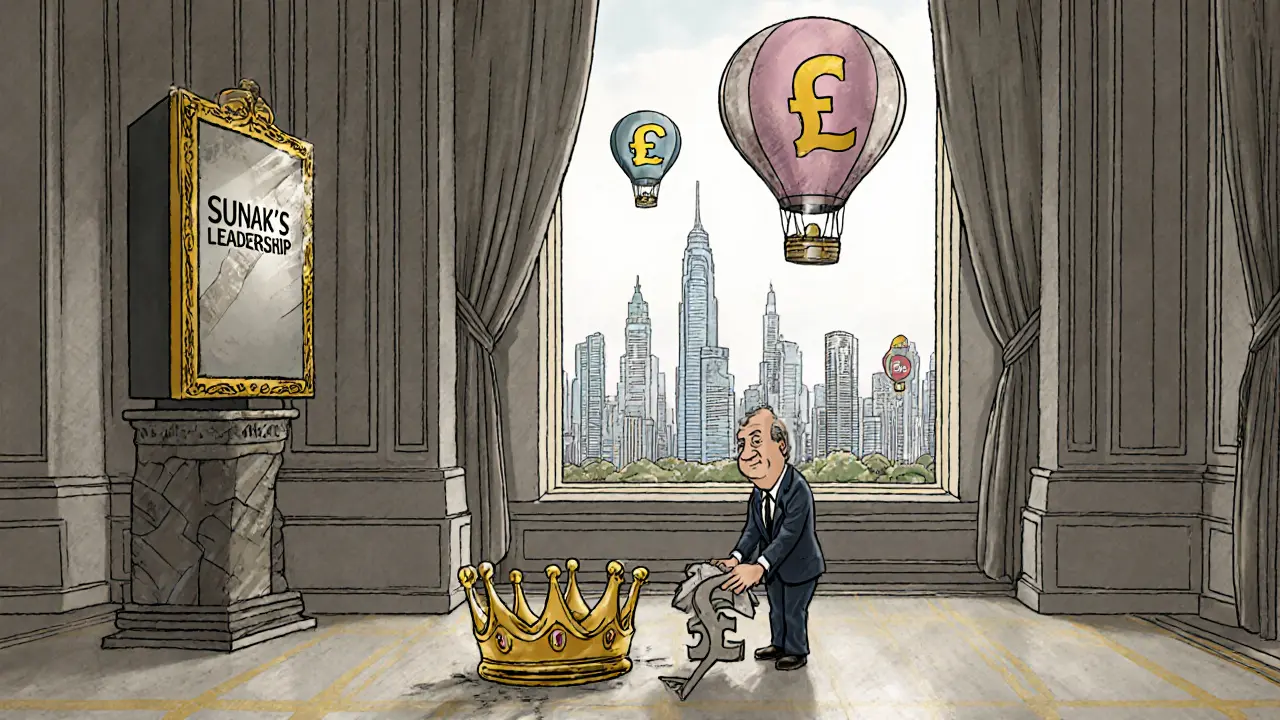
Who’s Winning and Who’s Losing
The winners? Legitimate firms with strong compliance teams. Companies that already follow bank-level rules are adapting fine. They see the UK’s rules as a badge of trust. Investors who want safety, not hype, are staying. The losers? Startups without deep pockets. A small crypto exchange in Manchester can’t afford the £500,000+ cost of FCA registration. Retail investors who want to trade Bitcoin with leverage are shut out. And crypto developers who want to build DeFi apps have nowhere to test them legally. Even worse, talent is leaving. Developers who could’ve built the next big UK crypto firm are moving to Berlin, Lisbon, or Toronto-places where the rules are clearer and the culture is warmer.The Future: Will the UK Still Be a Hub?
The UK still has advantages. It has one of the world’s most experienced financial regulators. It has deep capital markets. It has a legal system trusted globally. And it has millions of crypto users who already use it every day. But ambition without action is just noise. The regulatory framework is solid. The problem is the lack of political will to push it forward. If the government doesn’t act soon, the UK risks becoming a regulatory museum-full of well-designed rules that no one wants to use. Firms will keep registering, yes. But they’ll do it to satisfy the law, not because they believe in the UK as a crypto home. The real question isn’t whether the UK can regulate crypto. It’s whether it wants to lead in it.Is crypto legal in the UK?
Yes, crypto is legal in the UK. You can buy, sell, and hold Bitcoin, Ethereum, and other digital assets. But if you run a business that trades, exchanges, or issues crypto, you must be authorized by the Financial Conduct Authority (FCA). Unlicensed firms cannot operate in or target UK customers.
Can I trade crypto with leverage in the UK?
No. Retail investors are banned from trading leveraged crypto products like CFDs or derivatives. Only professional traders approved by the FCA can access these high-risk instruments. This rule was introduced to protect everyday users from massive losses.
Do I pay tax on crypto in the UK?
Yes. HMRC treats crypto as property. You pay Capital Gains Tax when you sell or trade crypto for profit. If you earn crypto through staking or mining, it’s treated as income and taxed at your marginal rate. There’s no tax-free allowance for crypto, unlike some countries.
Why can’t I advertise crypto on UK TV?
The FCA banned crypto ads that don’t meet strict standards because many were misleading. Ads promising high returns or downplaying risk were common. Now, only FCA-approved promotions can run, and they must clearly state that crypto is high-risk and not protected by the Financial Services Compensation Scheme.
Is the UK still trying to be a crypto hub?
The framework is still in place, but political momentum has faded. Under Labour, crypto is no longer a top policy priority. While the FCA continues its work, the government isn’t actively promoting crypto like it did under Rishi Sunak. Without stronger support, the UK risks falling behind global competitors like Singapore and Dubai.
Comments (9)

- Mark Adelmann
- November 26, 2025 AT 22:22 PM
Been holding BTC since 2017 and honestly the UK’s rules are kinda refreshing. No more sketchy ads telling me I’ll be rich by tomorrow. Just real talk about risk. Been waiting for this kind of sanity for years.

- SHASHI SHEKHAR
- November 27, 2025 AT 12:12 PM
Bro the UK is doing what no one else has the guts to do - protect dumb people from themselves. I’ve seen friends lose their rent money on leverage trades because some influencer said ‘to the moon’. Now they’re working at Uber. The FCA isn’t killing innovation, it’s killing greed disguised as opportunity. And yes I’m Indian and I still say this - if your country lets 18-year-olds trade 100x leverage with a meme coin, you’re not a hub, you’re a casino with Wi-Fi. 🚫📈

- Ben Costlee
- November 27, 2025 AT 19:30 PM
I get why people are mad. I used to work at a fintech startup in London. We spent 18 months trying to get licensed. The paperwork was insane. But here’s the thing - when we finally got approved, banks started talking to us. Investors stopped asking if we were a scam. The rules didn’t kill us. They just made us grow up. The UK’s not dead for crypto - it’s just outgrowing the wild west phase. We don’t need more hype. We need more trust.

- Abby cant tell ya
- November 29, 2025 AT 04:46 AM
Oh wow so now the government is your mom? ‘I’m doing this for your own good’ - yeah right. This isn’t regulation, it’s control. They don’t want you to make money, they want you to be safe and boring. And now they’re pushing out real innovators because they’re ‘too risky’. Wake up. This isn’t protecting people, it’s protecting the old banking cartel.

- ola frank
- November 30, 2025 AT 13:34 PM
Let’s analyze the structural implications: the UK’s regulatory architecture is a form of institutionalized risk aversion, predicated on a paternalistic consumer protection paradigm that conflates financial literacy with market access. By imposing bank-grade compliance on decentralized protocols, the FCA effectively enforces a centralized control layer atop inherently decentralized systems. This creates a regulatory arbitrage incentive - capital flows to jurisdictions with lower friction, such as Dubai or Singapore, where regulatory clarity is paired with fiscal incentives. The result is not a safer market, but a hollowed-out ecosystem where only incumbent players with >$1M compliance budgets survive. The UK isn’t leading - it’s locking itself in a regulatory cage of its own design.

- Angel RYAN
- November 30, 2025 AT 20:00 PM
People are mad but honestly the ads were wild. I saw one for a crypto app that said ‘turn $500 into $50k in 30 days’ - that’s not investing, that’s a pyramid scheme with a website. I’m not saying the rules are perfect but I’d rather have boring safety than another Terra crash. And yeah I know it’s slow but at least it’s not chaos

- stephen bullard
- December 2, 2025 AT 06:07 AM
Think about it - we’re not just regulating crypto. We’re deciding what kind of financial future we want. Do we want a world where anyone can gamble with borrowed money on a coin no one understands? Or do we want one where people can actually use digital money without getting ripped off? The UK chose the second path. It’s not sexy. But it’s sustainable. And honestly? That’s more revolutionary than any NFT monkey.

- imoleayo adebiyi
- December 3, 2025 AT 07:01 AM
As someone from Nigeria where crypto is often the only way to preserve value against inflation, I see both sides. The UK’s rules are strict, yes. But they also mean that when someone finally gets licensed, you know they’re not going to vanish tomorrow. In my country, we lose money to fake exchanges every week. Maybe the UK is too cautious, but at least their caution saves lives. I hope they keep going - even if slowly.

- Vaibhav Jaiswal
- December 3, 2025 AT 13:44 PM
Just saw a guy on Twitter saying ‘UK crypto is dead’ - bro it’s not dead, it’s just on a diet. No more junk food leverage trades, no more influencer scams. Now the real builders are left. And honestly? That’s the kind of crypto I want to be part of. Slow. Clean. Real.