
When you buy Bitcoin or Ethereum in Saudi Arabia, you’re not breaking the law-but you’re also not protected by it. That’s the strange reality millions of Saudis live with every day. There’s no official ban on holding crypto. But there’s no legal recognition either. You can own it. You can trade it. But if something goes wrong, the government won’t step in to help you. No refunds. No compensation. No legal recourse.
What the Government Actually Says
In 2018, Saudi authorities declared virtual currencies illegal and unlicensed. The Ministry of Finance warned citizens against investing in Bitcoin or altcoins, calling them unregulated and risky. Banks were told: no crypto transactions. No deposits. No withdrawals. No exchanges. This wasn’t just a suggestion-it was a hard rule. And for years, that was the official stance. But here’s the twist: the same government that banned crypto is quietly building the infrastructure to support it. The Saudi Central Bank (SAMA) is testing a digital currency with China, the UAE, Thailand, and Hong Kong. They’re running pilot programs for cross-border payments using blockchain. Major banks like Goldman Sachs and Rothschild are setting up tokenization platforms in Riyadh. These aren’t side projects. They’re billion-dollar initiatives backed by the state. So what’s the difference? The government doesn’t care if you hold Bitcoin in your wallet. But it won’t let you use it to pay for groceries, buy a car, or settle a business invoice. It doesn’t recognize crypto as money. It sees it as a speculative asset-like gold or art. And that’s why it’s allowed to exist in the shadows.Religious Approval Changed Everything
One of the biggest turning points came not from a government decree, but from a religious ruling. A top Islamic scholar issued a fatwa stating that using Bitcoin and other cryptocurrencies doesn’t violate Sharia law. Why does that matter? Because in Saudi Arabia, religion shapes finance. If a financial product is deemed haram, it dies. If it’s halal, it thrives-even if regulators are nervous. That fatwa didn’t make crypto legal. But it removed a major psychological barrier. Suddenly, millions of young Saudis felt comfortable buying crypto. They weren’t breaking religious rules. They were just investing. And that’s when the market exploded.The Crypto Market Is Booming-Despite the Rules
Saudi Arabia’s crypto market hit $23.1 billion in 2024. That’s more than any other country in the Middle East, except the UAE. And it’s growing fast. Transaction volumes jumped 153% in just one year. Around 4 million Saudis-11.4% of the population-own crypto. Most of them are under 30. That’s not a coincidence. Young people don’t trust traditional banks. They see crypto as freedom. A way to bypass state-controlled finance. In 2025, the market is expected to generate nearly $500 million in revenue. That’s not from big institutions. It’s from regular people buying Ethereum on peer-to-peer apps, trading Solana on decentralized exchanges, and holding Bitcoin as a hedge against inflation. The government doesn’t stop them. It just watches. And sometimes, it even encourages it-through indirect means.
What You Can and Can’t Do
Here’s the real breakdown:- You can: Buy, hold, and sell crypto using international exchanges like Binance, Kraken, or Bybit. You can store it in a hardware wallet. You can transfer it to friends or family. You can use peer-to-peer platforms like Paxful or LocalBitcoins.
- You cannot: Use crypto to pay for goods or services in Saudi Arabia. No store, restaurant, or government office accepts it. You can’t open a crypto account at any local bank. You can’t trade crypto through a licensed Saudi financial firm. And you can’t advertise crypto services using Saudi national symbols.
Taxes: No Capital Gains, But Watch Out
Good news: Saudi Arabia doesn’t tax personal crypto gains. If you bought Bitcoin for $10,000 and sold it for $30,000, you keep the $20,000 profit. No tax. No reporting. No paperwork. But if you run a business that trades crypto? That’s different. You’ll pay 15% capital gains tax. Plus, corporate income tax at 20%. And if you’re a Muslim business owner, you’ll also pay 2.5% zakat on your net worth-including crypto holdings. The Anti-Money Laundering Law doesn’t mention crypto by name. But it defines “funds” as any asset with value, including digital ones. So if you’re moving large amounts of crypto and the authorities suspect you’re laundering money, they can investigate. They’ve done it before. And they will do it again.What’s Coming in 2026?
New crypto regulations are expected in 2025. They’re not going to ban crypto. They’re going to control it. The government is working on a licensing system for crypto exchanges operating in Saudi Arabia. They want to force platforms to follow KYC and AML rules. They want to track transactions. They want to protect investors. They want to make sure crypto doesn’t become a tool for terror financing or fraud. That’s not a bad thing. But it’s not a free-for-all either. Once licensing starts, only approved platforms will be allowed to operate. Unlicensed apps might get blocked. Wallets might be flagged. Your funds could be frozen if you’re using a platform the government doesn’t trust. The message is clear: we won’t stop you from owning crypto. But we will make sure you do it on our terms.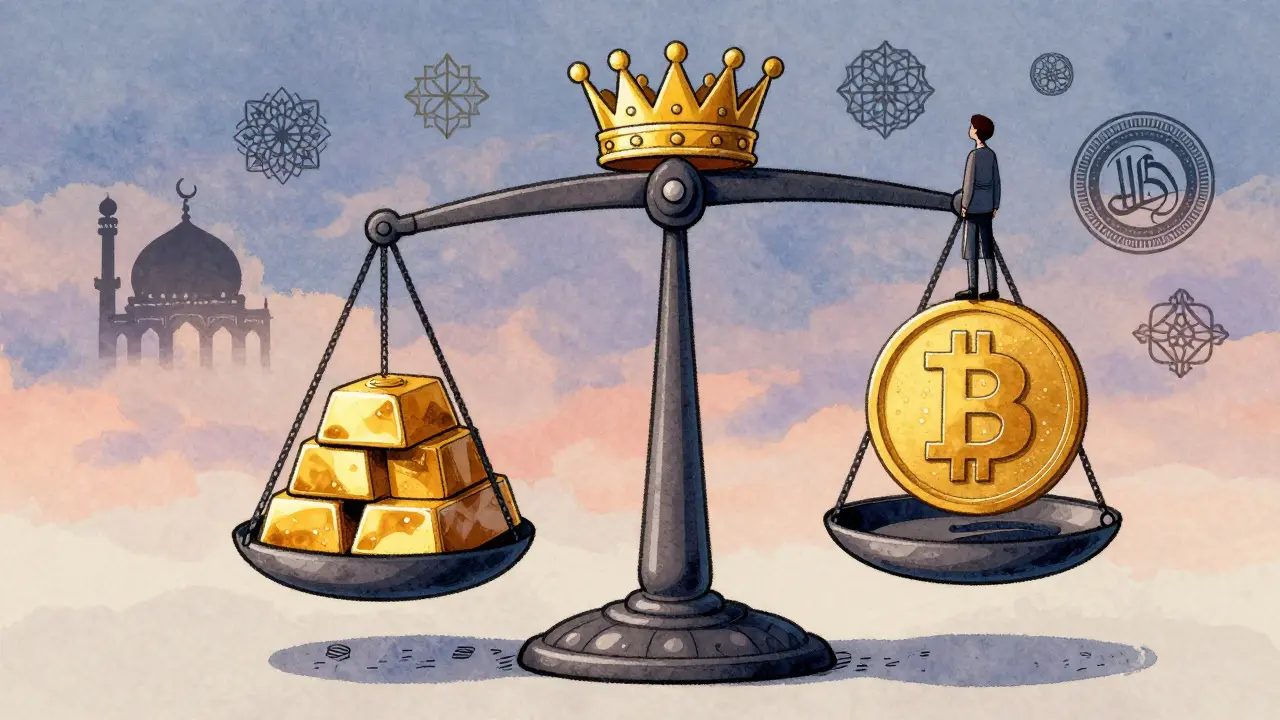
How Saudis Are Really Using Crypto
Most people don’t use crypto to buy things. They use it to save. The Saudi riyal is pegged to the U.S. dollar. Inflation is low. But the cost of living is rising. Young Saudis see crypto as a way to protect their savings from future devaluation. Some buy Bitcoin as digital gold. Others trade altcoins for quick profits. A growing number are staking Ethereum or Solana to earn passive income. They’re not waiting for the government to approve it. They’re building their own financial system-outside the banks, outside the rules, but still within the law.Is It Safe?
Safe? Not really. But it’s not dangerous either. There’s no fraud protection. No insurance. No FDIC-style safety net. If an exchange gets hacked, you lose everything. If the government cracks down, your account could be frozen. If you send crypto to the wrong address, it’s gone forever. But millions are doing it anyway. Why? Because the alternative-keeping money in a Saudi bank-isn’t much better. Interest rates are near zero. Inflation is creeping up. And the government controls everything. Crypto gives people choice. And in a country where choice is limited, that’s powerful.What You Should Do Now
If you’re holding crypto in Saudi Arabia:- Use a non-custodial wallet. Don’t leave your crypto on an exchange. Take control of your keys.
- Don’t use Saudi banks to fund crypto purchases. Use peer-to-peer platforms instead. They’re safer and more private.
- Keep records of all transactions. Even though there’s no tax now, that could change.
- Don’t advertise crypto services. Don’t use Saudi national symbols. You could get fined or worse.
- Stay updated. New rules are coming. When they do, you’ll need to know what’s allowed.
Is it legal to hold Bitcoin in Saudi Arabia?
Yes, holding Bitcoin or other cryptocurrencies is not illegal in Saudi Arabia. There is no law that bans individuals from owning crypto. However, the government does not recognize it as legal tender or provide any consumer protection. You own it, but you’re on your own if something goes wrong.
Can I buy crypto using my Saudi bank account?
No. Saudi banks are strictly prohibited from processing crypto transactions unless they receive special approval from SAMA-which no bank has received for retail customers. Most Saudis use peer-to-peer platforms or international exchanges and transfer funds via wire transfers or third-party payment services.
Do I have to pay tax on crypto profits in Saudi Arabia?
No, individuals do not pay capital gains tax on crypto profits. However, businesses that trade crypto are subject to a 15% capital gains tax, 20% corporate income tax, and 2.5% zakat if the owner is Muslim. Always keep records in case regulations change.
Are crypto exchanges banned in Saudi Arabia?
No, exchanges aren’t banned-but local ones are. You can use international platforms like Binance or Kraken. However, the government is preparing new rules that may require exchanges to get licensed. Unlicensed platforms could be blocked in the future.
Can I use crypto to pay for things in Saudi Arabia?
No. No business, government office, or service provider in Saudi Arabia accepts cryptocurrency as payment. It is not recognized as legal tender. Even if a merchant says they accept crypto, it’s not protected by law and could be shut down.
Is crypto halal or haram in Saudi Arabia?
A major Islamic scholar issued a fatwa stating that using Bitcoin and other cryptocurrencies does not violate Sharia law. This religious ruling has helped normalize crypto ownership among Saudi Muslims, even though the government has not officially endorsed it.
What happens if the government cracks down on crypto?
If new laws are passed, unlicensed exchanges may be blocked, and transactions could be monitored more closely. Your funds won’t be seized automatically, but using non-compliant platforms could lead to account freezes or legal scrutiny, especially if large sums are involved. Always use reputable, well-established services.
Is Saudi Arabia developing its own digital currency?
Yes. The Saudi Central Bank (SAMA) is actively developing a central bank digital currency (CBDC) in partnership with the UAE, China, Thailand, and Hong Kong. This project, called mBridge, is focused on cross-border payments-not retail crypto. It shows the government supports digital money, just not decentralized crypto.
Comments (6)

- Christina Shrader
- January 17, 2026 AT 03:59 AM
Just bought my first ETH last week using Paxful-wired cash from my Saudi bank account like a ghost. No one asked questions, no red flags. Feels wild, but also kind of empowering. I’m not waiting for permission to build my own financial future.
Still sleep with my seed phrase under my pillow though. No joke.

- Kelly Post
- January 17, 2026 AT 20:56 PM
It’s not about legality-it’s about power. The government doesn’t ban crypto because they’re afraid of it. They’re afraid of what happens when millions of young people realize they don’t need the state to be wealthy. The CBDC? That’s the real story. They’re building a digital monarchy, and they want you to think you’re free while you’re just trading one ledger for another.
Sharia approval didn’t make crypto halal-it made it palatable. And that’s how control works: not by force, but by framing.

- Tony Loneman
- January 18, 2026 AT 20:51 PM
Oh please. You think this is some underground revolution? Nah. It’s just rich Saudis using Binance to dodge taxes while their cousins buy Lambos in Monaco. Meanwhile, the average guy is stuck trading Solana on Telegram groups with scammers posing as ‘crypto gurus’ who vanish after he sends 5 BTC.
And don’t get me started on that ‘fatwa’-it’s not religion, it’s PR. The same clerics who blessed crypto are still preaching that women shouldn’t drive. Convenient, huh?
They’re not letting you be free. They’re letting you play in their sandbox so they can watch you dig your own grave with a golden shovel.

- Anthony Ventresque
- January 19, 2026 AT 01:22 AM
Really appreciate this breakdown. I’ve been following Saudi crypto for a while and the duality is fascinating. The fact that they’re building mBridge while ignoring retail crypto shows they’re not anti-innovation-they’re anti-disruption.
It’s like they’re saying: ‘You can have digital money, but only if we control the infrastructure.’
Also, the tax exemption for individuals is a sneaky genius move. It keeps the masses playing while quietly building a tax base from businesses. Smart. Scary. Real.

- Anna Gringhuis
- January 20, 2026 AT 04:31 AM
So let me get this straight: you can own crypto, but not use it. You can trade it, but not bank it. You can profit from it, but not protect it. And the government’s fine with all of it because they’re busy building their own version that’ll make you pay for the privilege?
Wow. So this isn’t a gray zone-it’s a trap dressed up as freedom. Classic Saudi efficiency: let people rebel, then monetize their rebellion.
Next up: mandatory ‘crypto wellness checks’ to ensure your Bitcoin holdings don’t cause ‘spiritual imbalance.’

- Michael Jones
- January 20, 2026 AT 10:39 AM
Correcting a minor but important detail in the original post: while it’s true that individuals aren’t taxed on crypto gains, the phrase ‘no reporting’ is misleading. Under the Anti-Money Laundering Law, large or suspicious transactions-regardless of asset type-are subject to scrutiny. If you transfer $50,000 in BTC from a P2P platform to a foreign wallet, and your bank flags the wire as unusual, you’ll be asked to explain the source-even if you owe zero taxes.
Also, ‘non-custodial wallet’ is correct advice, but users should understand that ‘your keys, your coins’ only applies if you know how to actually manage keys. Many lose funds to phishing, wrong addresses, or forgotten passphrases. Education matters as much as regulation.