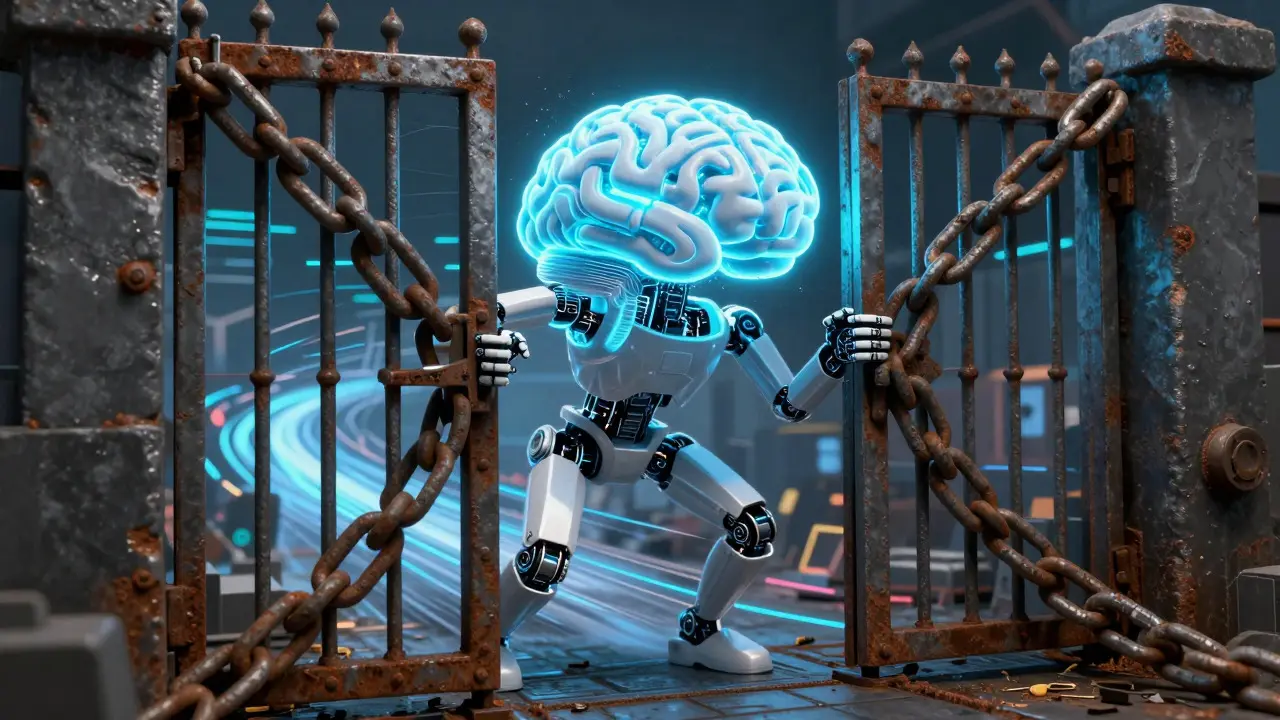

Imagine trying to run a high-speed video game on a computer from the 1990s. The graphics are too complex, the processor is too slow, and the storage is full. Now, replace that old computer with a blockchain network, which is a decentralized ledger system designed for security and immutability rather than speed. Replace the video game with an artificial intelligence model, which requires massive computational power and vast amounts of real-time data to function effectively. This mismatch is the core problem facing developers today. While combining AI and blockchain sounds like the perfect tech stack-offering transparent, tamper-proof AI decisions-the reality is fraught with technical friction.
You might hear hype about "decentralized AI" or "smart contracts that think." But behind the buzzwords lie serious architectural conflicts. Blockchain prioritizes consensus and security; AI prioritizes speed and data volume. When you force these two together without careful engineering, you get bottlenecks, exorbitant costs, and privacy nightmares. Let’s break down exactly why this integration is so difficult and what it takes to make it work in 2026.
The Scalability Wall: Why Blockchains Can’t Keep Up
The most immediate hurdle is raw performance. AI systems, especially those involving deep learning, need to process millions of data points per second. They thrive on high throughput. Blockchains, by design, are slow. They prioritize verification over speed.
Consider the numbers. Bitcoin processes about 7 transactions per second (TPS). Ethereum handles roughly 15 to 30 TPS. Even with recent upgrades, these networks struggle to handle basic payment volumes during peak times. Now, imagine an AI application that needs to update its model weights after every single transaction or analyze real-time market data across thousands of nodes simultaneously. It’s impossible on-chain.
| System Type | Transactions Per Second (TPS) | Primary Constraint |
|---|---|---|
| Bitcoin | ~7 TPS | Proof-of-Work block time |
| Ethereum | 15-30 TPS | Gas limits and block size |
| High-Frequency Trading AI | 10,000+ TPS | Latency requirements |
| Large Language Model Inference | N/A (Data-heavy) | Memory bandwidth |
This gap forces developers into hybrid architectures. You can’t run the heavy lifting of AI training directly on the blockchain. Instead, you have to compute off-chain and only store the results or hashes on-chain. This adds complexity. You now have to trust that the off-chain computation was done correctly, which defeats some of the purpose of using a trustless blockchain in the first place.
Data Storage Costs: The Big Data Problem
AI eats data. A modern large language model might require terabytes of text, images, or code to train. Blockchain hates big data. Storing information on a blockchain is incredibly expensive because every node in the network must replicate that data.
If you try to store just 1GB of data on Ethereum, you’re looking at thousands of dollars in gas fees. For an AI project that needs gigabytes of training datasets, the cost becomes prohibitive overnight. Furthermore, blockchain data is immutable. Once it’s written, it stays there. AI models, however, often need to be updated, corrected, or fine-tuned based on new information. If your training data contains errors, you can’t simply edit them out of the blockchain without breaking the chain’s integrity or creating messy workaround protocols.
This creates a paradox: AI needs clean, updatable, massive datasets. Blockchain offers fragmented, static, expensive storage. To solve this, many projects use decentralized storage solutions like IPFS or Arweave, but then you’re no longer storing data directly on the blockchain, which dilutes the "on-chain AI" narrative.
Privacy Paradox: Transparency vs. Confidentiality
One of blockchain’s selling points is transparency. Anyone can view the data. One of AI’s biggest risks is privacy leakage. When you combine them, you create a minefield for regulations like GDPR.
Here’s the issue: if you train an AI model using data stored on a public blockchain, that data is visible to everyone. Even if you anonymize names, advanced AI techniques can often re-identify individuals by cross-referencing other data points. This violates the "right to be forgotten" under GDPR. If a user demands their data be deleted, you can’t delete it from the blockchain. So, how do you comply?
Additionally, there’s the risk of adversarial attacks. Malicious actors can inject poisoned data into the blockchain to manipulate the AI’s future predictions. Since the blockchain is immutable, that bad data stays there forever, potentially skewing the model indefinitely unless the AI has robust filtering mechanisms-which brings us back to the need for off-chain processing.

Interoperability and Standardization Gaps
There is no universal standard for how AI and blockchain should talk to each other. Different blockchains use different consensus mechanisms, programming languages, and data structures. An AI model built for Ethereum might not work on Solana or Polkadot without significant rewriting.
This lack of interoperability slows adoption. Developers spend more time building custom bridges and adapters than actually innovating on the AI side. Without shared protocols for data sharing and smart contract execution, we end up with siloed ecosystems that don’t communicate well. Imagine trying to send an email from one provider to another if they didn’t agree on SMTP standards. That’s the current state of AI-blockchain integration.
Regulatory Uncertainty and Liability
Who is responsible when an AI-driven smart contract makes a mistake? If an autonomous decentralized organization (DAO) uses AI to vote on treasury allocations and loses money due to a flawed algorithm, who gets sued? The developers? The token holders? The AI itself?
Current laws aren’t ready for this. Regulatory frameworks lag far behind technology. Financial regulators are particularly wary of AI-powered trading algorithms operating on DeFi platforms without clear oversight. This uncertainty makes enterprises hesitant to invest heavily in these integrations. They fear compliance breaches and undefined liabilities. Until governments provide clear guidelines, many organizations will stick to traditional, centralized AI systems where liability is easier to assign.
The Skills Gap and Energy Concerns
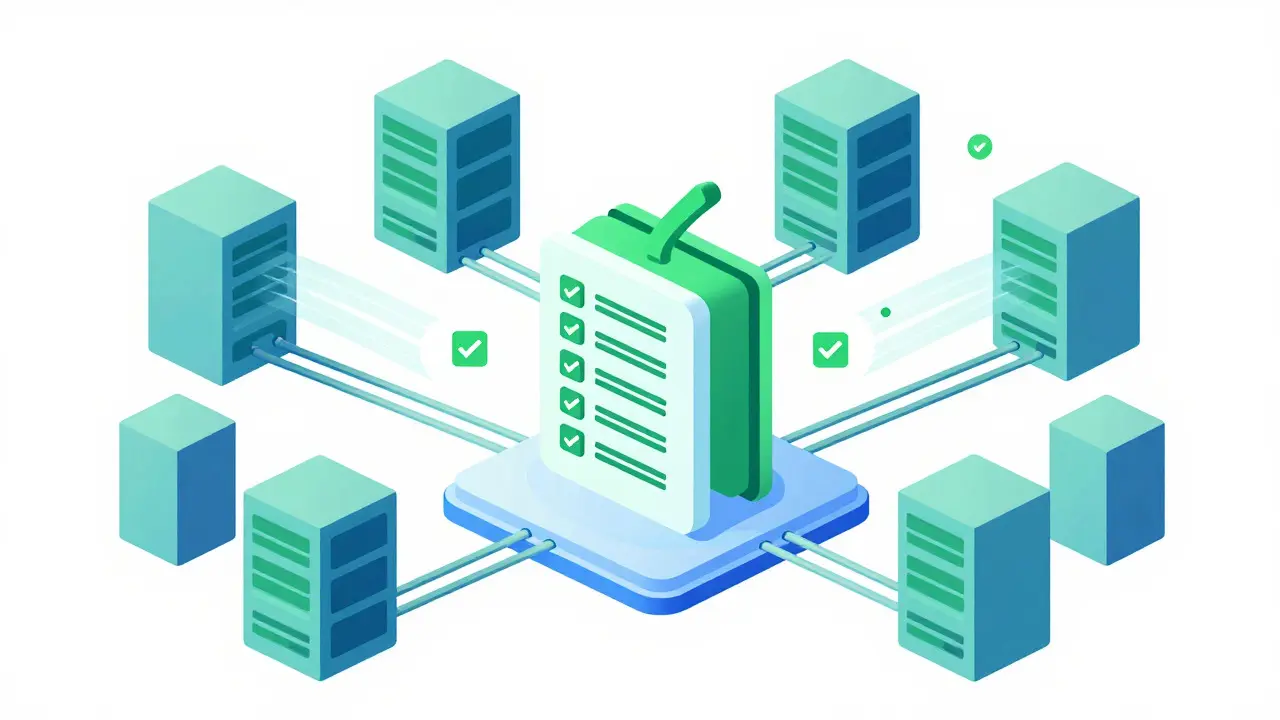
Finding talent that understands both machine learning and distributed ledger technology is hard. You need experts in cryptography, consensus algorithms, neural networks, and smart contract development. These skills rarely overlap in a single candidate. This shortage drives up hiring costs and extends project timelines.
Then there’s energy. Blockchain, especially Proof-of-Work chains like Bitcoin, consumes vast amounts of electricity. Training AI models also requires significant energy. Combining them without optimization leads to environmental inefficiency. While newer Proof-of-Stake chains are greener, the computational overhead of running AI logic still adds to the carbon footprint. Sustainability is becoming a key metric for tech adoption, and inefficient AI-blockchain hybrids risk being rejected by eco-conscious investors and users.
How Developers Are Adapting
Despite these challenges, progress is being made. The industry is moving toward pragmatic solutions rather than theoretical perfection.
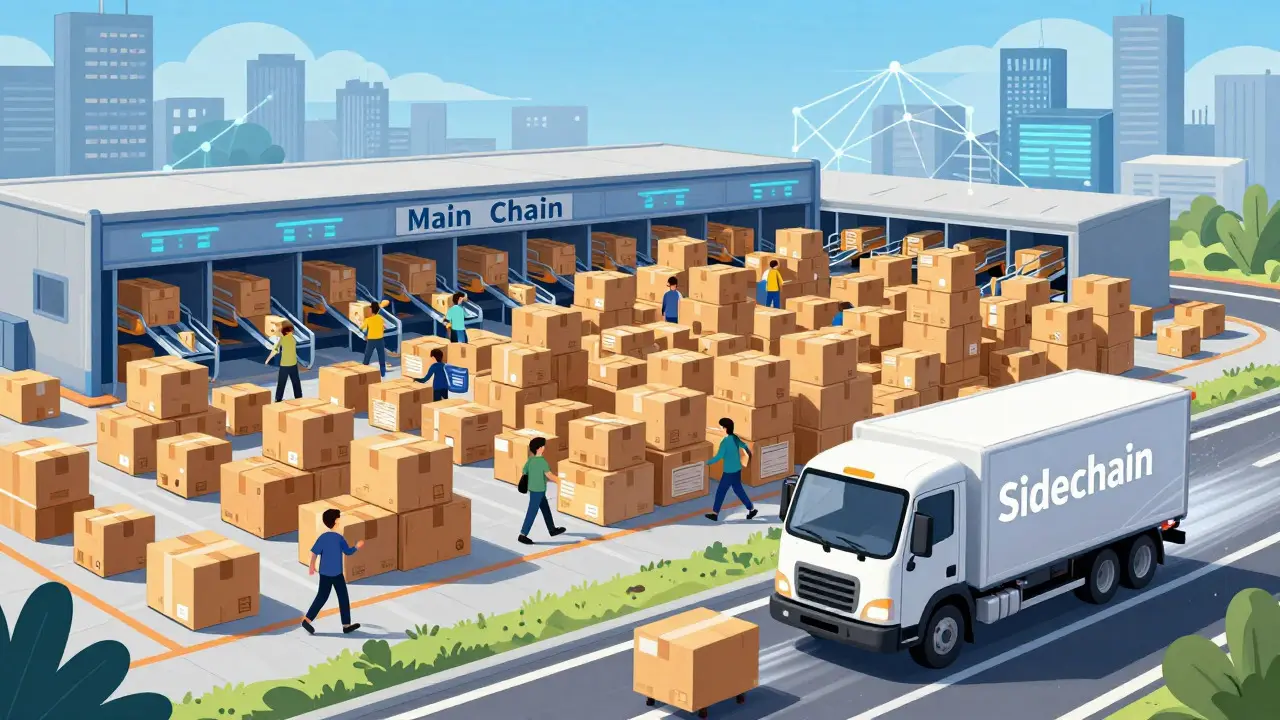
- Layer-2 Scaling: Using rollups and sidechains to handle high-frequency AI computations off the main chain while settling final states on-chain.
- Zero-Knowledge Proofs (ZKPs): Allowing AI to prove it performed a calculation correctly without revealing the underlying data, addressing privacy concerns.
- Federated Learning: Training AI models across multiple decentralized devices without centralizing the data, keeping sensitive information local.
These approaches acknowledge the limitations of pure on-chain AI. They accept that hybrid systems are the future. By separating storage, computation, and verification, developers can build scalable, private, and efficient applications.
Why is storing AI data on blockchain so expensive?
Blockchains require every node to replicate all stored data. This redundancy ensures security but makes storage costly. Storing 1GB on Ethereum can cost thousands of dollars in gas fees, whereas cloud storage costs fractions of a cent. AI models require terabytes of data, making direct on-chain storage economically unfeasible for most applications.
Can AI really run on the blockchain?
Not efficiently for complex tasks. Simple AI functions, like basic decision trees or lightweight inference, can run on-chain via smart contracts. However, training large models or processing big data requires off-chain computation. Most successful implementations use a hybrid approach, keeping heavy processing off-chain and only recording results on-chain.
How does blockchain help AI privacy?
Blockchain doesn't inherently improve privacy; it often complicates it due to transparency. However, when combined with technologies like Zero-Knowledge Proofs (ZKPs), blockchain can verify AI computations without exposing the underlying data. This allows for auditable AI processes while keeping sensitive inputs confidential.
What are the biggest regulatory risks for AI-blockchain projects?
The primary risks involve data protection laws like GDPR, which mandate the right to erasure. Since blockchain data is immutable, deleting personal data used for AI training is nearly impossible. Additionally, unclear liability for AI-driven smart contract failures creates legal ambiguity for businesses operating in decentralized finance (DeFi) or autonomous organizations.
Is the energy consumption of AI-blockchain integration sustainable?
It depends on the consensus mechanism. Proof-of-Work blockchains are energy-intensive, and adding AI computation increases this load significantly. Proof-of-Stake networks are much more efficient. However, the overall sustainability of hybrid systems remains a concern, driving research into green computing and optimized layer-2 solutions to reduce carbon footprints.