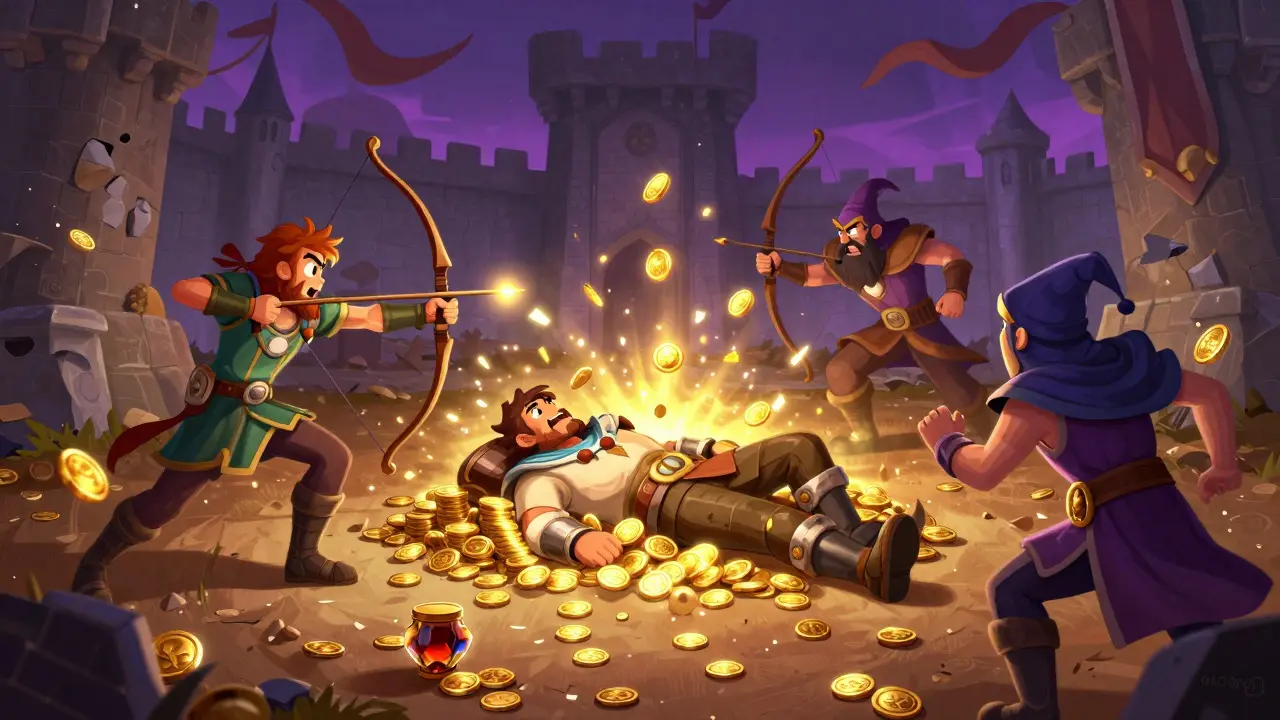

Imagine logging into a game where dying doesn't just mean respawning-it means your real-world assets drop on the ground for enemies to loot. That is the high-stakes reality of MagicCraft, a PVP Castle Siege play-to-earn game built on the Binance Smart Chain. The project recently wrapped up its highly anticipated Genesis NFT Campaign, distributing thousands of unique digital characters and millions of $MCRT tokens to loyal players. If you missed the window or are analyzing the mechanics for future opportunities, understanding exactly how this distribution worked is key to navigating the broader Web3 gaming landscape.
What Was the MagicCraft Genesis NFT Campaign?
The Genesis NFT Campaign was not a single event but a multi-phase initiative designed to seed the MagicCraft ecosystem with both utility assets and financial incentives. At its core, the campaign aimed to distribute a total prize pool consisting of 50 MagicCraft Genesis NFTs and 1,000,000 $MCRT tokens among 500 selected winners. This wasn't just about handing out free stuff; it was a strategic move to establish a holder base that would participate in the game's DAO governance and staking mechanisms. Participants who completed required tasks through platforms like CoinMarketCap became eligible, with winners announced via official social channels within 14 days of the campaign's conclusion.
A distinct secondary campaign also ran concurrently, documented by major crypto trackers, which focused purely on NFT distribution. This phase offered 222 random winners each a single MagicCraft Genesis NFT. The twist? One of these NFTs contained a hardcoded image revealing a Tesla prize. Winners knew immediately upon minting if they had hit the jackpot, adding a layer of instant gratification to the otherwise delayed reward process. These campaigns have since closed, meaning new participants must monitor official channels for future drops rather than expecting ongoing access to these specific pools.
Prize Structure: Who Got What?
The primary token and NFT distribution followed a strict tiered structure based on winner ranking. This hierarchy ensured that top performers received significantly higher value, incentivizing engagement and community activity. Here is the exact breakdown of the 500-winner pool:
| Winner Position | NFT Reward | $MCRT Token Reward |
|---|---|---|
| 1 - 50 | 1 MagicCraft Genesis NFT | 5,000 MCRT |
| 51 - 100 | None | 5,000 MCRT |
| 101 - 200 | None | 2,500 MCRT |
| 201 - 300 | None | 1,000 MCRT |
| 301 - 500 | None | 300 MCRT |
Note that while only the top 50 positions received physical NFTs in this specific tier, the separate 222-NFT campaign distributed Genesis characters more broadly. The $MCRT tokens served dual purposes: immediate liquidity for trading and long-term utility for staking. Stakers earned passive rewards and gained voting rights in the MagicCraft DAO, effectively turning a one-time airdrop into a permanent stake in the game's direction.
Inside the Genesis NFT Collection
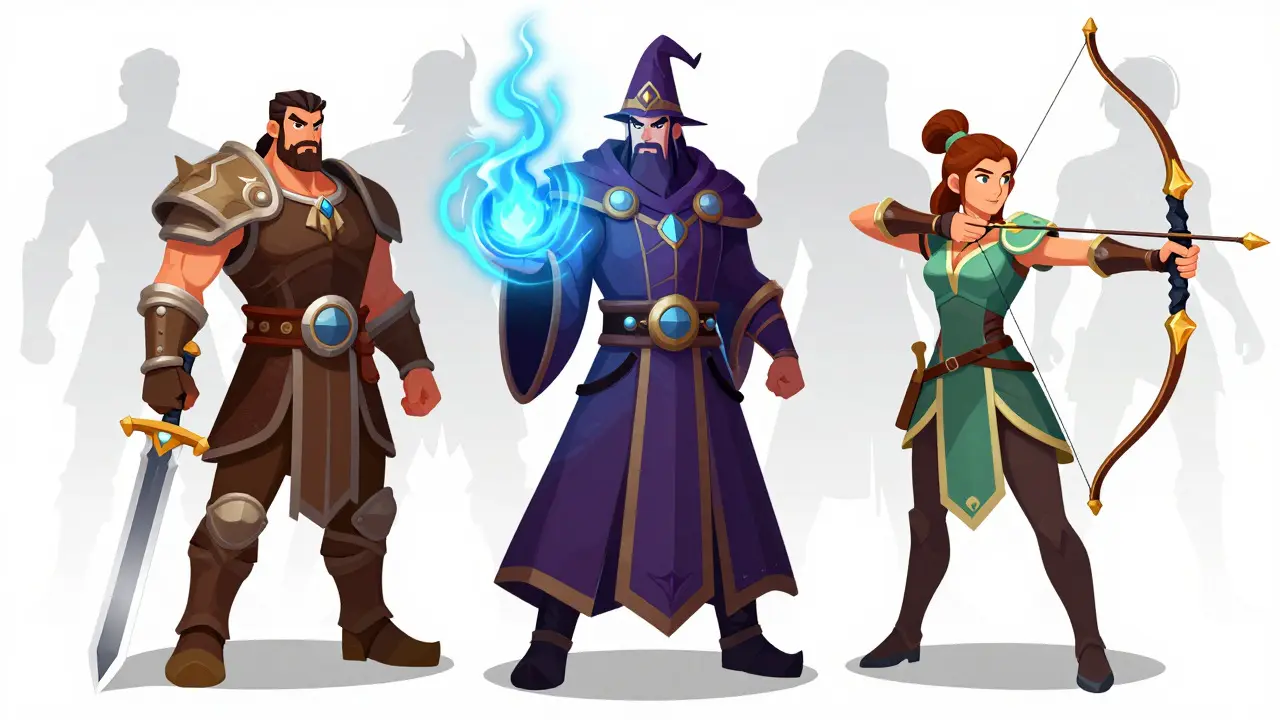
The MagicCraft Genesis NFTs form the backbone of the player's identity within the game. The collection comprises 9,999 unique characters, each belonging to one of three distinct classes: Warriors, Wizards, and Archers. These aren't static images; they are functional avatars with traits, weapons, armor, spells, and poses that evolve as players level up. The rarity system creates a clear hierarchy of value, with specific distribution percentages ensuring scarcity at the top end:
- Rare NFTs: 90% of the total supply. These are common entry points for most players.
- Epic NFTs: 9% of the total supply. These offer better stats and cosmetic flair.
- Legendary NFTs: 1% of the total supply. These are the grail items, offering significant gameplay advantages.
Rarity was revealed only upon minting, creating a 'loot box' style excitement. Within the game, holding a Genesis NFT unlocks comprehensive benefits including unique skills, access to exclusive realms, special events, and premium raids. More importantly, it grants access to the Web3 Lobby System, featuring VIP Lobbies and secondary currency lobbies. This system enhances earning potential, allowing holders to compete in higher-stakes matches where the payout in $MCRT is significantly larger than in standard free-to-play modes.
Gameplay Mechanics and Economic Utility
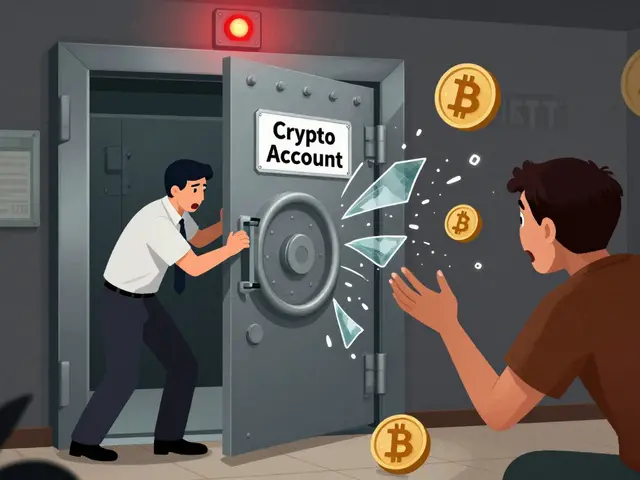
MagicCraft differentiates itself from other play-to-earn titles through its 'drop-on-death' mechanic. In traditional games, death is a minor setback. In MagicCraft, when a player dies in PVP combat, their real money and equipped items drop onto the battlefield. Enemies can then loot these assets, creating intense, high-stakes gameplay where every fight has tangible financial consequences. This mechanic drives engagement because players must be strategic about when to engage and what gear to equip.
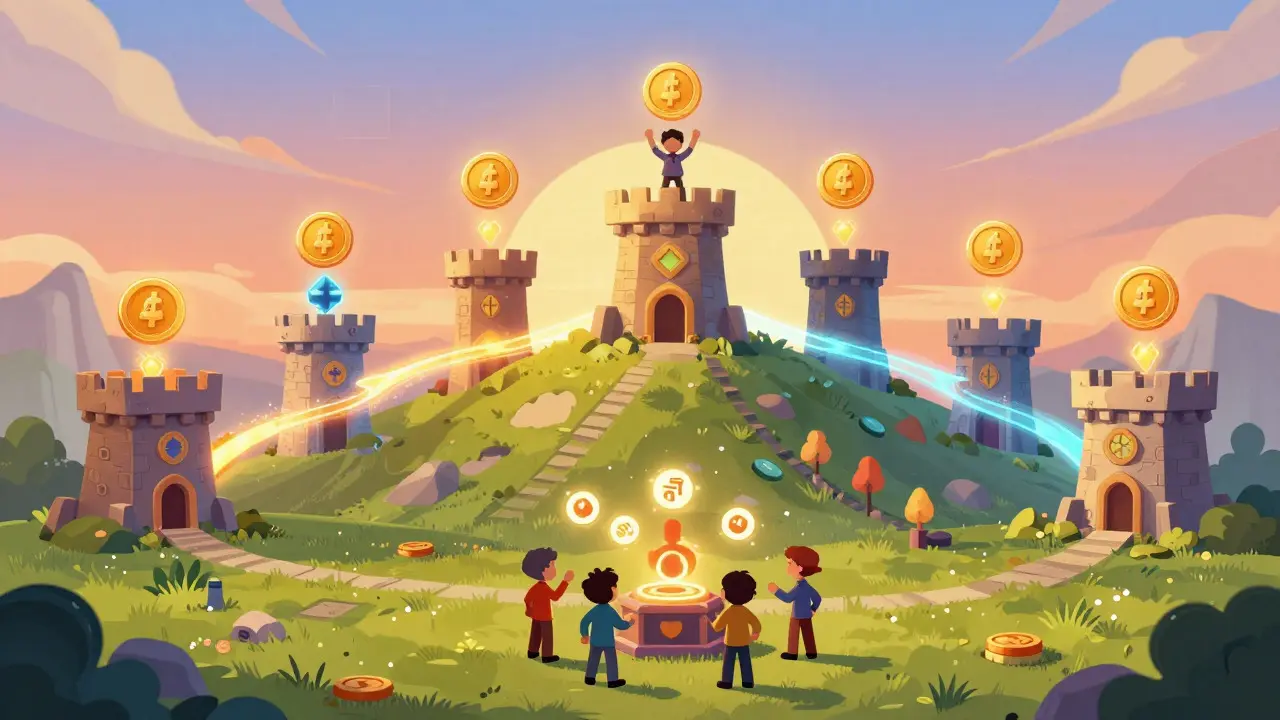
The broader narrative involves seven powerful castles built by Elders, storing magical energy called Magicus. Clans compete to seize these castles, and successful victories allow players to collect taxes in $MCRT. This creates a sustainable earning loop: win battles, secure territory, collect tax revenue, and reinvest in better NFTs or stake tokens for governance power. The game supports both free-to-play and play-to-earn models, lowering the barrier to entry while rewarding those willing to invest in NFTs for competitive edges.
Marketplace and Minting Process
For those who acquired NFTs through the airdrop or purchased them later, the MagicCraft marketplace serves as the central hub for trading. Successfully minted NFTs could be listed for sale exclusively using $MCRT tokens, reinforcing the native currency's demand. The platform supported two selling mechanisms: auction-based bidding and fixed-price instant purchases. Buyers could submit bids for rare items or snap up fixed-price listings instantly, providing liquidity for sellers.
New users could mint their own Revelation and Genesis NFTs through the official page at app.magiccraft.io/nft_mint. However, a critical detail for new buyers or minters is the processing delay. Newly purchased or minted NFTs take approximately 30 minutes to 1 hour to appear in user inventories. This delay often causes confusion, leading players to think their purchase failed when it is simply being indexed on the blockchain. Additionally, the marketplace featured free promotional NFTs from partners, though these typically unlocked skins rather than full gameplay utility and could not be resold.
Strategic Implications for Future Participants
Since the documented airdrop campaigns have concluded, prospective participants face a different landscape. The closure status indicates these were time-limited promotional events, not ongoing distributions. To catch future opportunities, players must actively monitor official MagicCraft social channels and partner platforms like CoinMarketCap. The strategy shifts from passive waiting to active engagement: completing tasks, joining guilds, and participating in early gameplay sessions to qualify for subsequent drops.
The integration of Binance Smart Chain provides transaction efficiency and lower fees compared to Ethereum-based alternatives, making frequent interactions (like minting or trading) economically viable. For long-term holders, the DAO governance structure offers a path beyond gaming. By staking $MCRT, users earn rewards and vote on protocol changes, aligning their interests with the project's sustainability. This combination of gaming utility, financial incentive, and governance power positions MagicCraft as a robust ecosystem rather than a fleeting trend.
Is the MagicCraft MCRT airdrop still open?
No, the specific Genesis NFT Campaign airdrops documented in 2024-2025 have concluded. Winners were announced within 14 days of the campaign closing. Future opportunities will likely be announced through official MagicCraft social media channels and partner platforms like CoinMarketCap.
What are the benefits of holding a MagicCraft Genesis NFT?
Holding a Genesis NFT unlocks unique skills, spells, and abilities in-game. It provides access to exclusive realms, special events, and premium raids. Crucially, it grants entry to the Web3 Lobby System, including VIP Lobbies, which offer enhanced earning opportunities and exclusive gameplay experiences compared to standard free-to-play modes.
How does the 'drop-on-death' mechanic work in MagicCraft?
When a player dies in PVP combat, their equipped items and any held real-money assets drop onto the battlefield. Opposing players can then loot these dropped assets. This creates high-stakes gameplay where players must carefully manage their risk and strategy during engagements.
Where can I buy or sell MagicCraft NFTs?
NFTs can be traded on the official MagicCraft marketplace. Sales are conducted exclusively using $MCRT tokens. The platform supports both auction-style bidding and fixed-price instant purchases. Note that newly minted or purchased NFTs may take 30 minutes to 1 hour to appear in your inventory.
What is the role of $MCRT in the MagicCraft ecosystem?
$MCRT is the native cryptocurrency used for all transactions within the MagicCraft ecosystem, including NFT purchases and in-game rewards. It powers the DAO governance model, where stakers earn rewards and voting rights. It is also the currency used to pay taxes collected from castle sieges, creating a circular economic model.
Comments (10)

- Steve Sulley
- August 27, 2026 AT 09:35 AM
let's be real here, this is just another rug pull waiting to happen. the 'drop on death' mechanic sounds like a brilliant way to ensure player churn because nobody likes losing their actual hard earned cash to some random kid in laggy server. it’s not gaming, it’s gambling with extra steps and worse odds than a casino. i’ve seen enough of these BSC projects rise and fall in a week, so why trust this one? the fact that they had to do an airdrop to get people interested tells you everything about the organic user base. zero.

- Alan Hawkins
- August 29, 2026 AT 02:35 AM
I actually think the risk mechanic is what makes it interesting compared to the usual grind-farm-loot loops we see in Web3. If you’re careful, you can secure territory and passively earn taxes, which feels more strategic than just clicking buttons for tokens. The DAO aspect is also a nice touch for long-term holders who want governance rights rather than just trading assets.
- Steve Sulley
- August 29, 2026 AT 23:54 PM
strategic? sure, if you have infinite bankroll and no fear. most players will quit after the first time they lose their starter gear to a cheater. the 'passive income' from taxes is only real if you win, and winning requires better gear, which costs money. it’s a cycle designed to bleed new users dry. very philosophical of you to miss the obvious trap.

- Linda Jevne
- August 30, 2026 AT 14:46 PM
There is something almost poetic about the idea of digital mortality mirroring physical consequence. We are used to video games being safe spaces where failure is costless, but MagicCraft reintroduces the weight of loss. It forces a kind of mindfulness in combat that I haven't felt since the early days of competitive FPS titles. The rarity tiers also create a fascinating social hierarchy; owning a Legendary isn't just about stats, it's about status within the clan structure. It reminds me of how guilds functioned in old-school MMOs, where your gear defined your worth to the group. The integration of Binance Smart Chain lowers the friction for entry, which is crucial for mass adoption, though it does dilute the exclusivity slightly. Still, the narrative of Elders and castles provides a mythological backbone that many modern blockchain games lack. They often focus too much on the tech and forget the story. Here, the lore drives the mechanics, which is a welcome shift. The 30-minute mint delay is annoying, yes, but it ensures data integrity on the chain. It’s a small price to pay for transparency. I’m curious to see how the VIP lobbies evolve over time. Will they become gated communities or remain accessible to high-level free-to-play players? That balance will determine the project's longevity. For now, it feels like a promising experiment in high-stakes engagement.

- Carey Thornton
- September 1, 2026 AT 00:17 AM
Oh, wonderful, another bloated guide written by someone who clearly hasn't spent a dime on the ecosystem yet. Let us dissect this 'masterpiece' of journalism. The author speaks of 'strategic implications' as if we are all PhDs in blockchain economics. In reality, this is a niche toy for crypto whales who enjoy the thrill of the drop. The tiered rewards are laughable-50 NFTs for the top tier? That’s not scarcity, that’s a club membership fee. And don’t get me started on the 'loot box' reveal upon minting. How delightfully retro. We are living in the age of transparent metadata, yet here we are, celebrating the opacity of a gacha machine. The Tesla prize? A gimmick. A shiny bauble to distract from the fact that $MCRT liquidity is likely thin as paper. But sure, let’s pretend this is a robust ecosystem and not a speculative bubble waiting to burst. The prose is flowery, the tables are neat, but the soul is missing. Purely performative content for the algorithm. Bravo.

- David Powell
- September 2, 2026 AT 23:06 PM
Sure, let's pretend the 30-minute indexing delay isn't a sign of a backend struggling to keep up with demand. Or maybe it's just lazy development. Either way, calling it a 'robust ecosystem' is doing a lot of heavy lifting in that article. I'm still waiting for the day when my NFT appears instantly, but until then, I'll be keeping my expectations at sea level.

- Ellie Brooks
- September 4, 2026 AT 05:12 AM
You know, I think the key here is really just staying active in the community channels because, honestly, the best opportunities in these kinds of projects usually come from being part of the conversation before the official announcements even drop, right? It’s all about building those connections and understanding the vibe of the team, which seems pretty solid based on the gameplay mechanics described here, especially the way they handle the castle sieges and tax collection, which adds such a cool layer of strategy that goes beyond just fighting for the sake of fighting! I’m really hoping they keep up the momentum with future events because the potential for growth is definitely there if they manage the tokenomics well, and it would be amazing to see more integrations with other BSC games in the future to create a larger interconnected universe for players to explore and invest in!

- Dave Worth
- September 4, 2026 AT 16:04 PM
🚨 WAKE UP SHEEPLE 🚨
They are using the 'Genesis' name to confuse you with the original Genesis blocks of Bitcoin. This is a psyop to make you think it has deep historical significance. Look at the dates. 2024-2025? Who decided the timeline? The 'Elders' mentioned in the lore? 👀 They are controlling the narrative. The drop-on-death feature isn't for gameplay, it's to create a sink for your tokens so the insiders can dump on you. The Tesla prize? A distraction. Watch the insider wallets. They bought low during the campaign. You are buying high. Stay alert. 🕵️♂️💰📉

- Kelechi Precious Nwachukwu
- September 5, 2026 AT 07:40 AM
It is quite dramatic how everyone is either selling or buying without looking at the code. I have been observing the smart contract audits quietly. The logic for the loot drops seems sound, provided the RNG is truly decentralized. Many people complain about the typos in the docs, but that is minor compared to the security risks. One must be respectful of the developers' effort, even if the marketing is aggressive. The boundary between game and finance is blurring, and that is dangerous if not managed well. I believe in patience. Let the market settle. Do not chase the hype. Wait for the next update cycle. Then decide. The truth is in the data, not the tweets.

- Valentine Okpala
- September 6, 2026 AT 16:05 PM
So, we’re back to the 'high stakes' narrative again, are we? 🙄 It’s charming, in a dated sort of way. Like watching a Victorian gentleman try to explain the internet. The 'drop on death' mechanic is essentially Russian Roulette with a wallet. I suppose for the adrenaline junkies out there, it’s a thrill ride. But for the rest of us who prefer our assets to stay attached to our accounts unless we explicitly choose to sell them... well, it’s a bit much. 😅 Let’s hope the DAO voting actually means something and isn’t just another checkbox for the devs to tick off while they count their bags. Keep dreaming, folks. 💤