

You might be looking for a platform with low fees or obscure altcoins, which is often where Xuebi appears on your radar. But before you deposit your hard-earned money, you need to ask the uncomfortable question: who is actually watching over this exchange? In the world of digital assets, transparency isn't just a nice-to-have; it's the difference between keeping your funds and losing them to a hack or a sudden shutdown.
Xuebi positions itself as a standard centralized exchange (CEX), offering trading for over 50 cryptocurrencies. On paper, it looks like any other mid-tier platform. However, when you dig into the details, a significant gap emerges. Unlike giants like Coinbase or Kraken, Xuebi does not clearly disclose its regulatory jurisdiction, corporate structure, or specific security certifications. This ambiguity is the central theme of this review. We will break down what we know about Xuebi’s features, compare it against industry standards, and help you decide if the risks are worth taking.
The Basics: What Is Xuebi?
Xuebi is a centralized cryptocurrency exchange that allows users to buy, sell, and trade digital assets including Bitcoin and Ethereum. It operates similarly to other CEXs by holding user funds in consolidated wallets controlled by the platform. The platform supports more than 50 cryptocurrencies, which is a decent selection for casual traders but pales in comparison to major competitors. For context, Binance offers over 350 assets, while Coinbase lists more than 200. If you are only interested in major coins like BTC, ETH, and SOL, Xuebi likely has what you need. But if you hunt for newer projects or niche tokens, you may find yourself limited.
One of the most glaring issues with Xuebi is the lack of public information regarding its founding date, leadership team, or headquarters location. Established exchanges usually have a clear 'About Us' page detailing their history and compliance efforts. Xuebi’s opacity makes it difficult to verify its long-term viability. In an industry where trust is currency, this silence raises red flags. You are essentially trusting a black box with your private keys and fiat deposits.
Security and Regulatory Status: The Big Concern
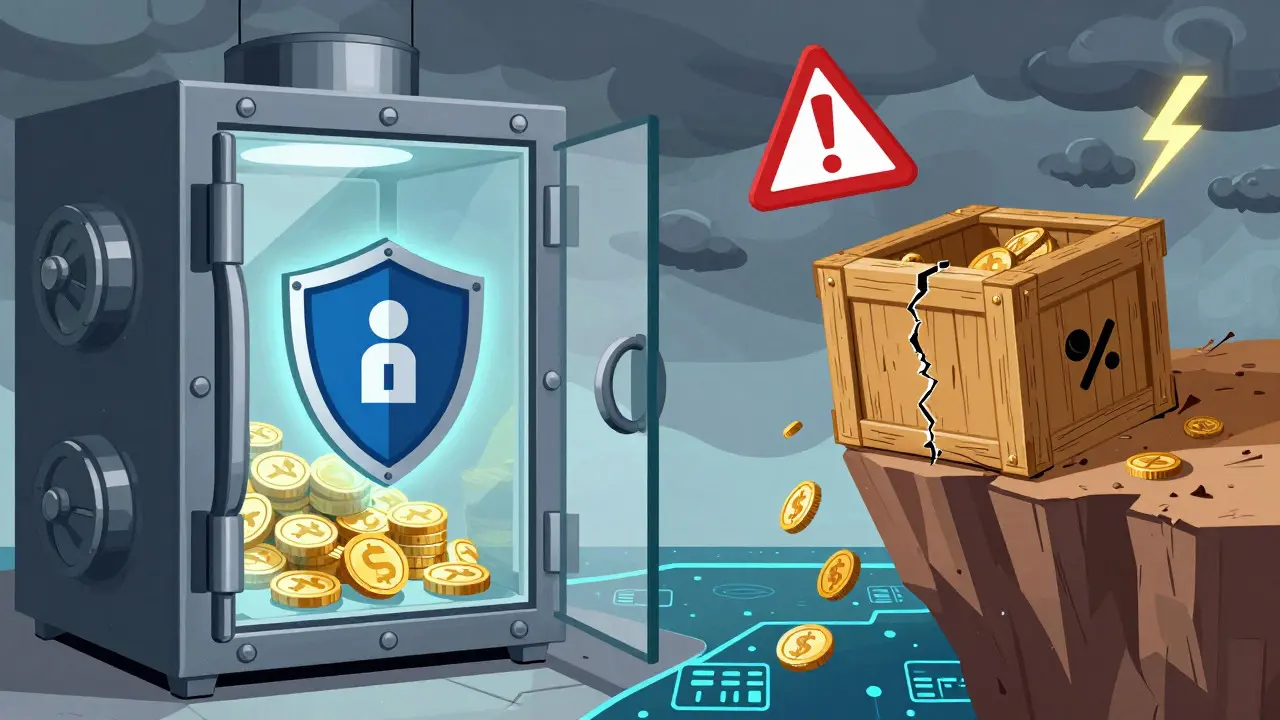
When evaluating any crypto exchange, security is non-negotiable. Industry standards recommend that exchanges store at least 98% of customer funds in cold storage (offline wallets) and maintain insurance coverage. Major players like Gemini and Coinbase publicly disclose these metrics to build trust. Xuebi, however, does not provide transparent details about its cold storage ratio or insurance policies. While it likely implements basic measures like two-factor authentication (2FA) and encryption, the absence of verified data means you cannot confirm how robust these defenses really are.
Regulatory oversight is equally critical. Exchanges like Kraken hold multiple US state money transmitter licenses, and Binance operates under frameworks in Dubai and elsewhere. Xuebi’s regulatory status is unspecified. This places it in a risky category. Without a clear license from a major financial authority, users have less legal recourse if something goes wrong. Consider the historical context: hacks at MtGox, Bitfinex, and Coincheck resulted in over $606 million in losses. Many of these incidents occurred because exchanges lacked rigorous, audited security protocols. As global regulations tighten-such as the EU’s MiCA regulation effective in 2024 and the FATF Travel Rule-the pressure on unregulated platforms increases. If Xuebi fails to adapt or obtain proper licensing, it could face restrictions or even closure, leaving users scrambling to withdraw funds.
Fees and Trading Experience
Let’s talk money. Xuebi uses a variable fee structure based on trading volume. Unfortunately, specific fee schedules, maker-taker models, and withdrawal costs are not prominently documented in available sources. This lack of clarity can lead to unexpected costs. On established platforms, you can easily calculate your trading expenses before placing an order. With Xuebi, you might discover higher fees only after executing trades.
The user interface is described as operational and standard for a CEX. It includes basic charting tools and order types. However, compared to top-tier exchanges, Xuebi lacks detailed specifications for advanced features like API availability, complex derivatives trading, or institutional-grade execution speeds. For day traders who rely on low latency and deep liquidity, this might be a dealbreaker. For long-term holders or occasional spot traders, the interface should suffice. Keep in mind that without a robust API, automating your trading strategies becomes nearly impossible.
| Feature | Xuebi | Coinbase | Kraken | Binance |
|---|---|---|---|---|
| Supported Cryptocurrencies | 50+ | 200+ | 200+ | 350+ |
| Regulatory Status | Unspecified | US Regulated (NYDFS) | US Licenses + Global | Multi-Jurisdictional |
| Cold Storage Disclosure | Not Publicly Verified | ~98% Disclosed | High Ratio Disclosed | SAFU Fund + Cold Storage |
| User Trust Score (Trustpilot) | Low Volume / Limited Data | 4.4/5 (4,500+ reviews) | 4.1/5 (1,000+ reviews) | 3.9/5 (10,000+ reviews) |
| Customer Support | Email & Live Chat | 24/7 Comprehensive | 24/7 Live Chat (<2 min avg) | 24/7 Tiered Support |
User Experience and Community Sentiment
How do real users feel about Xuebi? This is where the picture gets murky. Unlike Coinbase, which boasts thousands of reviews on Trustpilot, or Kraken, which has a massive Reddit community, Xuebi has a very limited online footprint. There are no significant threads on Reddit, few detailed reviews on Trustpilot, and minimal discussion in major crypto forums. This absence of community feedback is a double-edged sword. It could mean the platform is new and hasn’t had time to build a reputation, or it could indicate a small user base due to trust issues.
Customer support is available via email and live chat. However, there are no documented response time metrics or satisfaction scores. On major exchanges, you can expect quick responses during peak hours. With Xuebi, you are flying blind. If you encounter a withdrawal issue or a locked account, you won’t have a track record to tell you how quickly or effectively they resolve problems. For peace of mind, many experienced traders prefer platforms with proven, responsive support teams.

Risk Assessment: Should You Use Xuebi?
So, is Xuebi safe? The answer depends on your risk tolerance. If you are a high-risk trader willing to gamble on potentially lower fees or unique token access, Xuebi might offer opportunities. But if you are a conservative investor looking for stability and security, the lack of regulatory clarity and security transparency is a major hurdle.
Here are some practical steps if you decide to use Xuebi:
- Use Hardware Wallets: Don’t keep large amounts of crypto on the exchange. Move profits to a hardware wallet like Ledger or Trezor immediately.
- Enable Strong 2FA: Use an authenticator app (like Authy or Google Authenticator) rather than SMS, which can be intercepted.
- Whitelist Withdrawal Addresses: If the feature is available, whitelist your personal wallet addresses to prevent phishing attacks.
- Start Small: Test the platform with a small amount first to verify deposit and withdrawal speeds before committing larger sums.
Compare this to using a regulated exchange like Coinbase or Kraken, where you benefit from legal protections, insured cold storage, and a large community backing the platform. The convenience of Xuebi must be weighed against the potential for higher risk. In an industry where $606 million has been lost to hacks in recent years, caution is always better than regret.
Future Outlook and Final Verdict
Looking ahead, the cryptocurrency landscape is becoming more regulated. The EU’s MiCA regulation and increasing SEC enforcement in the US are pushing out uncompliant players. Deloitte analysts project that by 2025, only exchanges with full regulatory compliance in at least two major jurisdictions will survive. Xuebi’s current lack of visible regulatory engagement puts it at a competitive disadvantage. Unless it publishes transparency reports, obtains licenses, or partners with reputable custodians, its long-term viability remains uncertain.
In summary, Xuebi is a functional exchange with a reasonable selection of coins, but it lacks the transparency and regulatory backing of its competitors. It is suitable for short-term trading of major assets if you take strict personal security precautions. For long-term holdings or large portfolios, consider sticking with established, regulated platforms where your funds are protected by law and industry-standard security practices.
Is Xuebi a regulated exchange?
As of 2026, Xuebi does not clearly disclose its regulatory jurisdiction or licenses. Unlike Coinbase or Kraken, which hold specific US or international licenses, Xuebi’s regulatory status is unspecified, making it harder to verify its legal standing.
What cryptocurrencies can I trade on Xuebi?
Xuebi supports over 50 cryptocurrencies, including major assets like Bitcoin (BTC) and Ethereum (ETH). While this is sufficient for mainstream trading, it is fewer options than competitors like Binance (350+) or Coinbase (200+).
Are my funds safe on Xuebi?
Fund safety depends on the exchange's security infrastructure. Xuebi does not publicly disclose its cold storage percentage or insurance coverage. To mitigate risk, users should enable 2FA and move large balances to hardware wallets.
How are Xuebi fees structured?
Xuebi uses a variable fee structure based on trading volume. Specific maker-taker rates and withdrawal fees are not prominently documented, so users should check the latest fee schedule on the platform before trading to avoid surprises.
Does Xuebi have good customer support?
Support is available via email and live chat. However, there are no published response time metrics or user satisfaction scores. Compared to major exchanges with 24/7 dedicated teams, Xuebi’s support quality is less verifiable.

Comments (8)

- Hicham Mounir
- August 20, 2026 AT 15:11 PM
Look, I get it. We all want that extra edge, right? But sometimes the 'edge' is just a fancy word for risk. This platform feels like a black box, and honestly, in crypto, if you can't see the lights on the back of the car, maybe don't drive at night. Just keep your big money safe.

- michelle aguilar
- August 21, 2026 AT 19:39 PM
One must always question the provenance of such... obscure entities; truly, the lack of regulatory transparency is a testament to their... let us say, unique approach to compliance! It is quite the spectacle, isn't it? 🙄✨

- Mohamed Shoaeb
- August 23, 2026 AT 02:23 AM
I think its actually pretty chill for what it is. If you just want to trade some BTC or ETH without the noise of Binance, this works fine. The fees are decent too. No need to overthink it unless you are moving millions around daily.

- Quang Thai Tran
- August 24, 2026 AT 18:27 PM
It is evident that one must view this entity with extreme skepticism. The absence of a clear jurisdiction suggests a deliberate obfuscation, likely to evade the tightening noose of global financial surveillance. One cannot help but wonder: who is really pulling the strings behind this veil of anonymity?

- Dianne Ritter
- August 26, 2026 AT 08:13 AM
Meh. It's fine. I guess. As long as you aren't keeping your life savings there, why worry about it? Just use it for small trades and move on with your day.

- Calliope Clio
- August 26, 2026 AT 22:02 PM
Ugh, another shady exchange trying to ride the wave of 'low fees' while hiding from regulators?! 🙄💅 Honestly, if they can't even tell us where they are based, how do we know they won't just vanish into thin air next Tuesday? It’s giving major red flag energy and I’m not here for the mystery novel vibes! 😤📉

- Abigail Sparks
- August 26, 2026 AT 23:34 PM
Stop being so paranoid! Listen up, everyone. If you are going to use Xuebi, just follow the basic rules. Turn on 2FA. Use a hardware wallet for anything serious. Start with $50 to test the withdrawal speed. If it works, great. If not, leave. Don't be lazy with your security settings. That is the only way to play this game safely. Get it done!

- OLIVER CHRISTIAN
- August 27, 2026 AT 14:06 PM
Great point about the hardware wallets. I've been using mid-tier exchanges for years and the biggest lesson I learned is that the exchange is just a tool, not a vault. Keep your cold storage separate. Also, check the API docs if you plan to automate anything, because if they don't have a robust API, you're stuck doing manual entries which gets old fast. Stay safe out there folks.