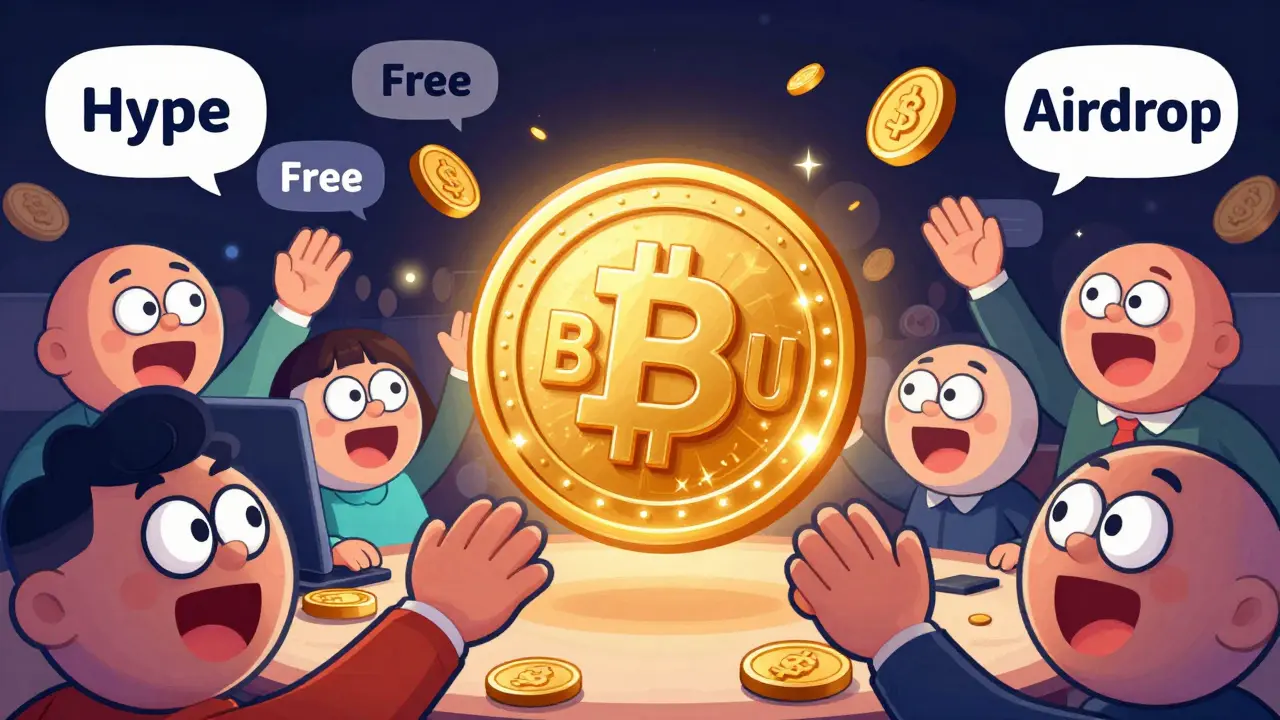

You’ve probably seen the hype around ByteNext (BNU), especially with whispers of a community airdrop floating across crypto forums. The promise is simple: get free tokens tied to an NFT marketplace called AvatarArt. But before you start connecting wallets or chasing links, you need to know the full picture. The reality on the ground for ByteNext in early 2026 is starkly different from the launch-day excitement.
This article breaks down exactly what the ByteNext airdrop entails, how the token works within its ecosystem, and-most importantly-the critical risks you face if you decide to participate. We’ll look at the hard data regarding trading status, liquidity, and utility so you can make a decision based on facts, not just FOMO.
The Core Concept: What Is ByteNext?
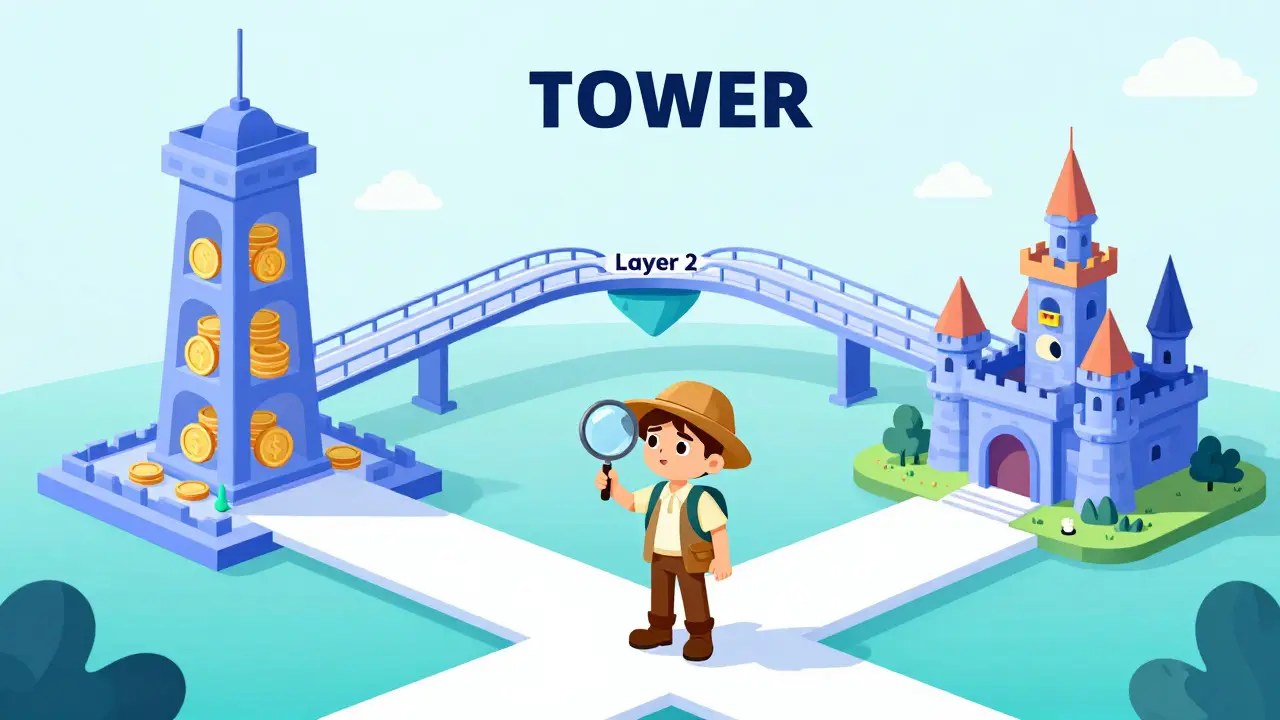
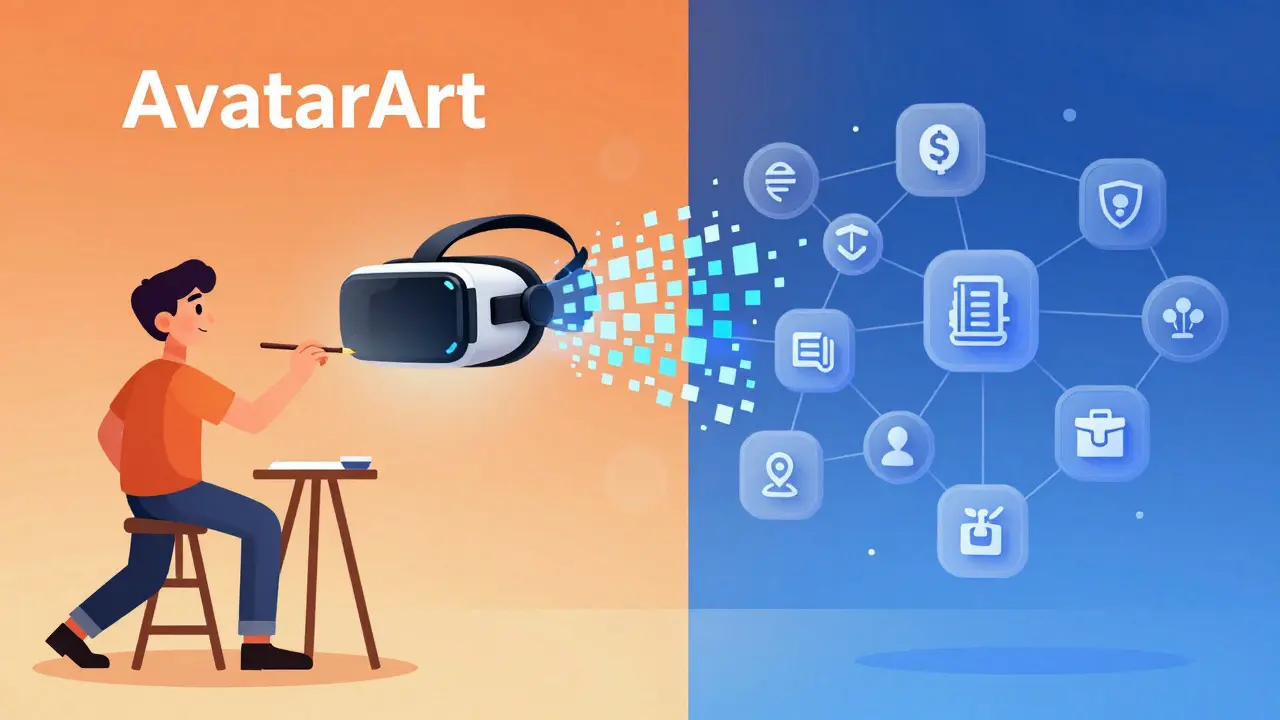
To understand the airdrop, you first have to understand what you’re getting. ByteNext is a cryptocurrency token designed to power the AvatarArt platform, an NFT marketplace built on the Binance Smart Chain. The project’s stated goal was to bridge the gap between traditional artists and the blockchain world. Unlike generic NFT platforms that focus heavily on digital-native art, AvatarArt aimed to help physical artists convert their work into digital assets and participate in global exhibitions.
The BNU token isn’t just a speculative asset; it has defined utility functions within this ecosystem. If the platform were operating at peak capacity, holding BNU would allow you to:
- Pay Fees: Use BNU as the primary currency for transaction fees on the AvatarArt marketplace.
- Buy Advertising: Purchase placement slots for your artwork in 3D virtual reality exhibitions.
- Receive Royalties: Artists use BNU to compensate creators when secondary sales occur.
- Stake and Farm: Provide liquidity using LP tokens to earn rewards.
- Governance: Vote on platform changes and evaluate NFT works.
On paper, this looks like a comprehensive ecosystem. However, utility only matters if there is activity. Without active users buying and selling art, these features remain theoretical.
The Community Airdrop Program Details
The specific program mentioned in recent discussions is the "ByteNext 25,000 $BNU Tokens Community Airdrop." Here is what we know about this distribution event:
| Feature | Details |
|---|---|
| Total Supply Distributed | 25,000 BNU tokens |
| Target Audience | Community members and early adopters |
| Eligibility Criteria | Specific criteria are not publicly detailed in official sources |
| Distribution Mechanism | Direct wallet transfer (exact method unclear) |
| Token Contract | Binance Smart Chain (BSC): 0x4954...0a7b77 |
The lack of transparent eligibility criteria is a red flag. In legitimate, large-scale airdrops, projects usually publish clear tasks-such as following social media, joining Discord, or holding specific other tokens. When details are vague, it often indicates either a poorly organized team or a potential scam designed to harvest wallet addresses. Always verify the contract address against official channels like GitHub repositories or verified Twitter accounts before interacting with any smart contracts.
Critical Market Reality: Trading Status and Liquidity
This is the most important section for anyone considering claiming or holding BNU. As of mid-2026, the market conditions for ByteNext are extremely concerning. Data from major tracking platforms reveals a near-total collapse in trading activity.
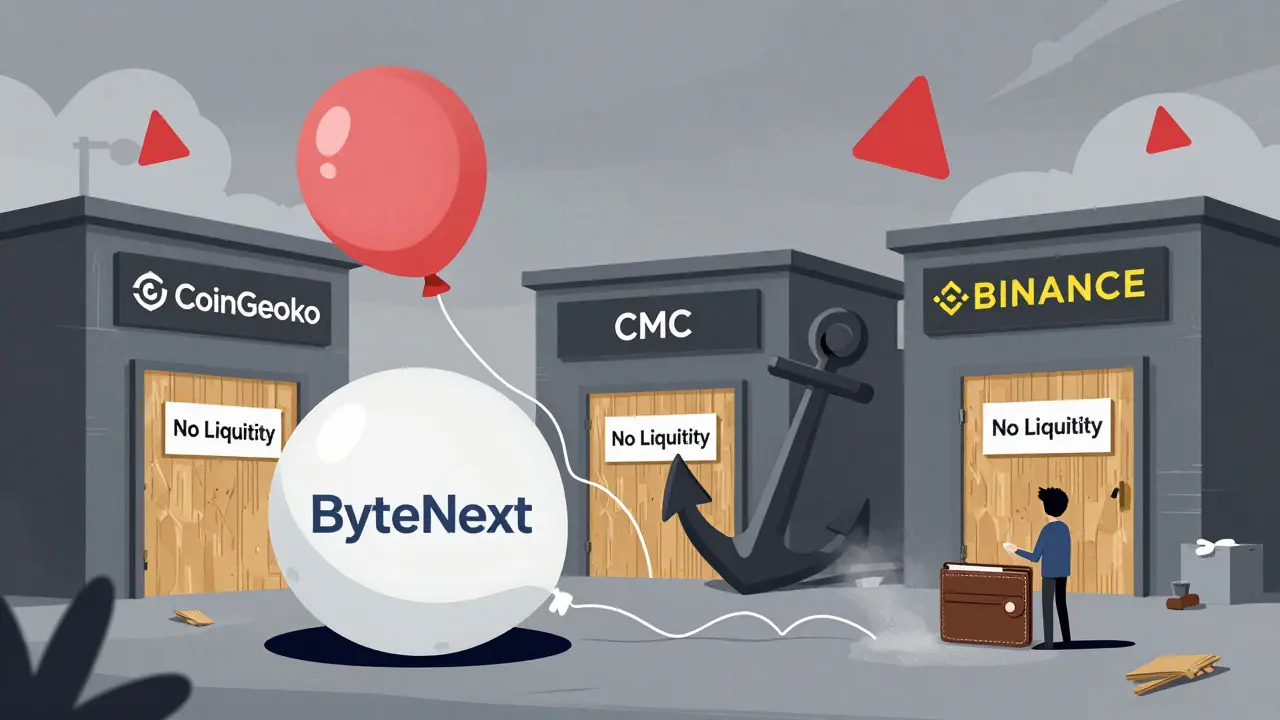
CoinGecko reported that BNU stopped trading on all listed exchanges approximately two weeks prior to current data points. This cessation of trading means there is no liquid market. You cannot sell the tokens even if you want to. Other platforms show equally grim statistics:
- CoinMarketCap: Displays $0 USD pricing with zero trading volume.
- Binance: Shows 1 ByteNext costing $0.
- Coinbase: Lists a price of $0.000603, but with a 24-hour volume of only $6.36. This micro-volume suggests isolated, likely manipulated trades rather than genuine market interest.
The token has declined 99.90% from its all-time high. To put this in perspective, the all-time high was recorded at $0.000741. Currently, the token is trading just 9.90% above its lowest recorded price. This indicates that the asset has lost almost all of its value and has found a floor near zero.
Why Has Trading Stopped?
When a token stops trading on major exchanges, it usually comes down to three factors:
- Lack of Liquidity: There are no buyers willing to purchase the token at any reasonable price. Exchanges delist tokens that fail to meet minimum volume requirements to maintain credibility.
- Regulatory or Compliance Issues: The exchange may have removed the pair due to legal concerns or failure by the project team to provide necessary documentation.
- Project Abandonment: The development team may have ceased operations, leaving the token without marketing support or technical maintenance.
For ByteNext, the combination of zero volume on CoinMarketCap and Binance, coupled with the halt on CoinGecko-listed exchanges, strongly suggests a collapse in market confidence. Without active development updates or news coverage, the likelihood of a recovery is low.
Risks for Airdrop Participants
If you receive BNU tokens through the community airdrop, here is what you need to consider:
1. Illiquidity Risk
The biggest risk is that the tokens are worthless because you cannot sell them. Even if the price shows $0.000603 on one platform, attempting to sell a significant amount would crash the price instantly due to the lack of buy orders. You might end up with tokens that cost more in gas fees to move than they are worth in value.
2. Security Vulnerabilities
Interacting with unknown contracts to claim airdrops can expose your wallet to malware or phishing attacks. Ensure you are using a dedicated burner wallet, not your main storage wallet, when testing any claims.
3. Opportunity Cost
Time spent monitoring a dead project is time taken away from opportunities in healthy ecosystems. The NFT space has evolved significantly since ByteNext’s peak, with established platforms offering better security, liquidity, and user experience.
How to Verify Official Channels
If you still wish to proceed, you must rely on primary sources only. Do not trust random Telegram groups or unverified websites. Check the following official resources:
- Website: bytenext.io
- Twitter: twitter.com/bytenextio
- Facebook: facebook.com/ByteNext
- GitHub: github.com/bytenext
Look for recent commits on GitHub. If the code repository hasn’t been updated in months, the project is likely inactive. Check the Twitter account for recent engagement. Low follower counts and lack of replies suggest a dormant community.
Conclusion: Proceed with Extreme Caution
The ByteNext (BNU) airdrop offers free tokens, but the underlying asset faces severe challenges. With trading halted on major exchanges, a 99.9% drop from all-time highs, and unclear utility in the current market, BNU represents a high-risk, low-reward proposition. For most users, the safest approach is to avoid participation entirely. If you do choose to claim the tokens, treat them as a speculative experiment with no expectation of financial return, and never invest additional funds into trying to revive the position.
Is the ByteNext (BNU) token still tradable?
As of mid-2026, trading for BNU has effectively stopped on most major exchanges. CoinGecko reports a halt in trading, while CoinMarketCap and Binance show zero volume or zero pricing. Limited activity may exist on smaller platforms like Coinbase, but liquidity is extremely low.
What is the current price of BNU?
Pricing varies significantly due to lack of volume. Coinbase lists it around $0.000603, but this reflects minimal trading activity. Other major trackers report $0.00. The token is down 99.90% from its all-time high of $0.000741.
How do I participate in the ByteNext Community Airdrop?
Official details on eligibility criteria are scarce. The program distributes 25,000 BNU tokens. Always verify instructions through official channels like bytenext.io or the verified Twitter handle @bytenextio. Be wary of third-party sites asking for private keys.
What is the purpose of the BNU token?
BNU is designed to power the AvatarArt NFT marketplace on the Binance Smart Chain. Its utilities include paying transaction fees, purchasing advertising in VR exhibitions, staking for rewards, and governance voting within the platform.
Is ByteNext a safe investment?
No. Given the cessation of trading on major exchanges, the dramatic price decline, and lack of recent development updates, ByteNext poses significant financial risk. It is considered highly speculative and illiquid.