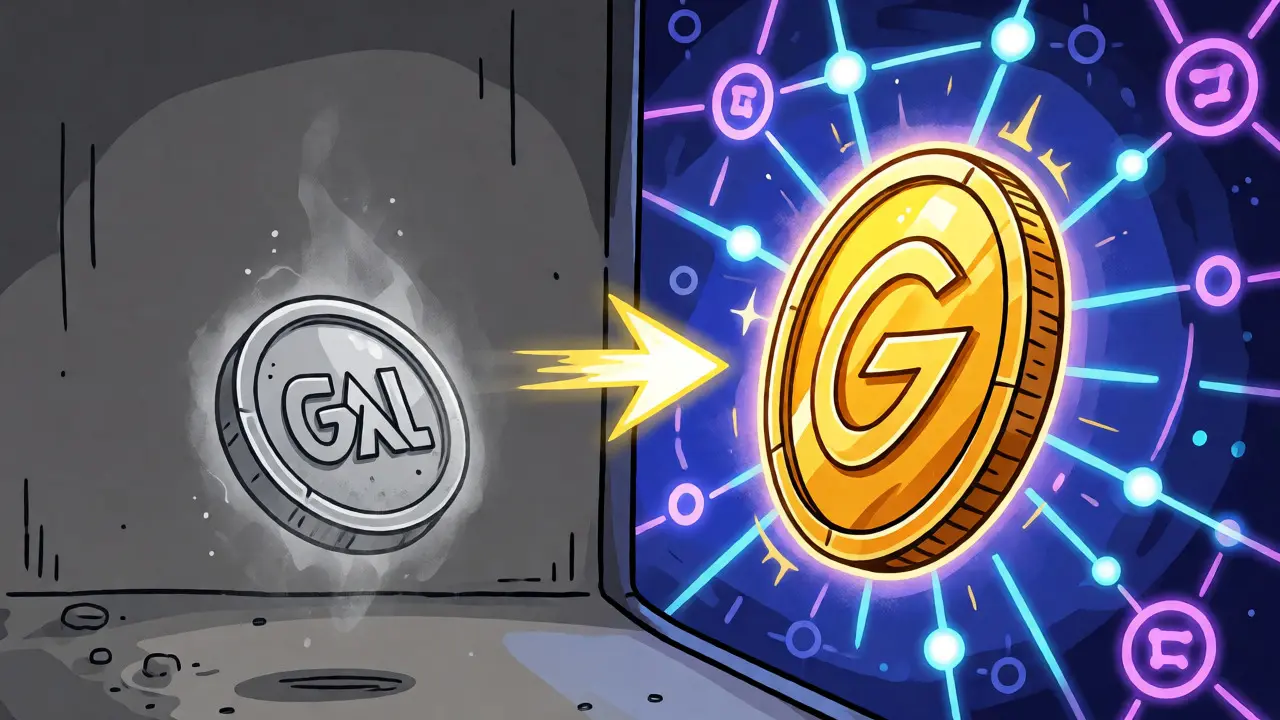

If you still have GAL in your wallet and wonder why it looks like a ghost of its former self, you’re not alone. The short answer? It’s gone. Or rather, it transformed. In July 2024, the Galxe ecosystem executed a massive token swap, converting every GAL into a new asset called G, the native token of the Gravity blockchain network.
This wasn’t just a rebranding exercise. It was a fundamental shift from a utility token for an app platform to the gas money for a whole new Layer 1 blockchain. If you’re trying to figure out what you own now, how to move it, or if it’s worth holding, this guide breaks down exactly what happened, the math behind the swap, and the current state of play as of late 2026.
The Big Switch: From App Token to Network Fuel
For years, GAL served as the lifeblood of Galxe. You used it to pay for quests, mint credentials, and access features within the Galxe dApp ecosystem. But Galxe had bigger ambitions. They wanted their own blockchain, one optimized for the kind of high-volume identity and credential data they were already processing.
Enter Gravity. This is an EVM-compatible Layer 1 blockchain that uses AptosBFT consensus. To make Gravity work properly, they needed a single, unified native asset. That’s where G comes in. On July 9, 2024, the public migration portal opened, allowing holders to swap their old GAL for the new G tokens. The conversion rate was fixed at 1 GAL = 60 G.
Why such a weird ratio? It’s mostly about unit economics and supply distribution. By multiplying the token count by 60, the team created a larger circulating supply base, which can sometimes help with liquidity and making transaction fees feel less "expensive" in terms of token units. But don’t be fooled: getting 60 times more tokens didn’t mean you got 60 times richer. Your economic value stayed roughly the same, subject to market forces.
How the Migration Actually Worked
If you held GAL on a centralized exchange (like Binance or Coinbase), you probably didn’t do anything. The exchanges handled the swap automatically. But if you were self-custodial-meaning you held GAL in MetaMask, Rabby, or another Web3 wallet-you had to take action.
The process was straightforward but required attention to detail:
- Connect your wallet: You went to the official Galxe migration portal.
- Select amount: You chose how much GAL to swap.
- Approve and Sign: You paid a small gas fee on Ethereum or BNB Chain to approve the burn.
- Burn and Mint: The smart contract burned your GAL and issued the corresponding amount of G on the same chain.
Crucially, the G tokens were initially issued on the legacy chains (Ethereum and BNB Smart Chain) before users could bridge them to the Gravity Mainnet. This multi-step nature is where many people get confused today. Just because you have G in your wallet doesn’t mean you have the *native* G needed to interact with the Gravity L1 directly.
What Is G Used For?
Now that you hold G, what does it actually do? Unlike GAL, which was primarily an application-specific token, G has dual roles. It’s both the fuel for the Gravity network and the currency for the Galxe app suite.
| Feature | Legacy GAL | Current G |
|---|---|---|
| Primary Role | App Utility & Governance | Network Gas, Staking, App Utility |
| Network | Ethereum / BNB Chain | Gravity L1 (Native) + ERC-20/BEP-20 representations |
| Staking | Limited Platform Staking | Validator Security & Governance |
| Conversion | N/A | 1 GAL = 60 G |
On the Gravity Mainnet, G is mandatory. You need it to pay for transactions, just like ETH on Ethereum or SOL on Solana. You also stake G to secure the network and participate in governance votes. Within the Galxe apps-like Galxe Passport or Alva-you use G to pay for specific services and rewards.
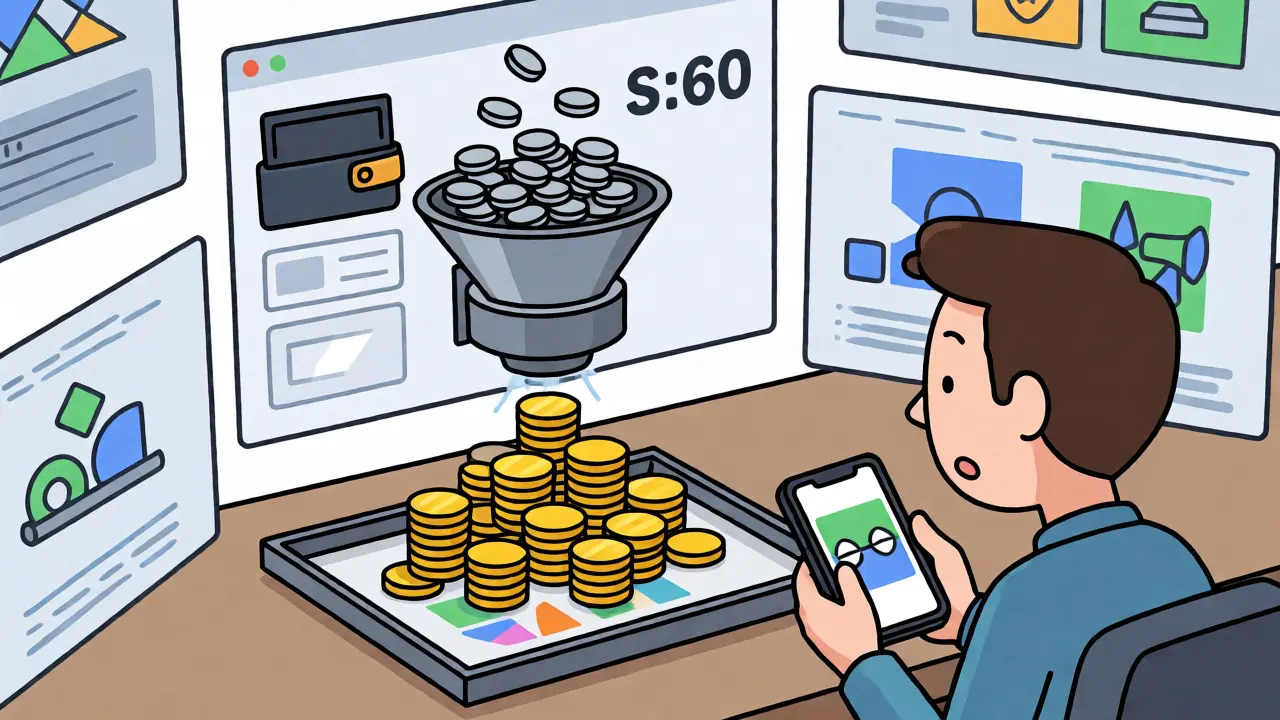
Supply and Market Reality Check
Let’s look at the numbers, because crypto articles often gloss over the messy details. The total initial supply of G was set at 12 billion. However, tracking sites disagree on how much is actually floating around in the market.
As of November 11, 2026, data providers show conflicting figures. CoinGlass reports a circulating supply of roughly 11.2 billion G, while CoinPaprika and Finary suggest closer to 7.2 billion. Why the gap? It likely comes down to how different platforms define "circulating." Some might exclude locked team allocations or staked amounts differently than others.
With a price hovering around $0.003, the market cap sits near $33 million. This makes G a small-cap asset. It’s volatile, illiquid compared to major coins, and sensitive to news. If you’re looking for stable returns, this isn’t it. This is a bet on whether the Gravity network gains actual traction beyond its parent company’s existing user base.
Technical Nuances: Native vs. Wrapped
Here is where things get technical, and where mistakes cost money. There are different versions of G:
- Native G: Lives on Gravity Mainnet (Chain ID 127001). This is the real deal for paying gas on L1.
- ERC-20 G: Lives on Ethereum. Contract address: 0x9C7BEBa8F6eF6643aBd725e45a4E8387eF260649.
- Wrapped G: Exists on other chains via bridges.
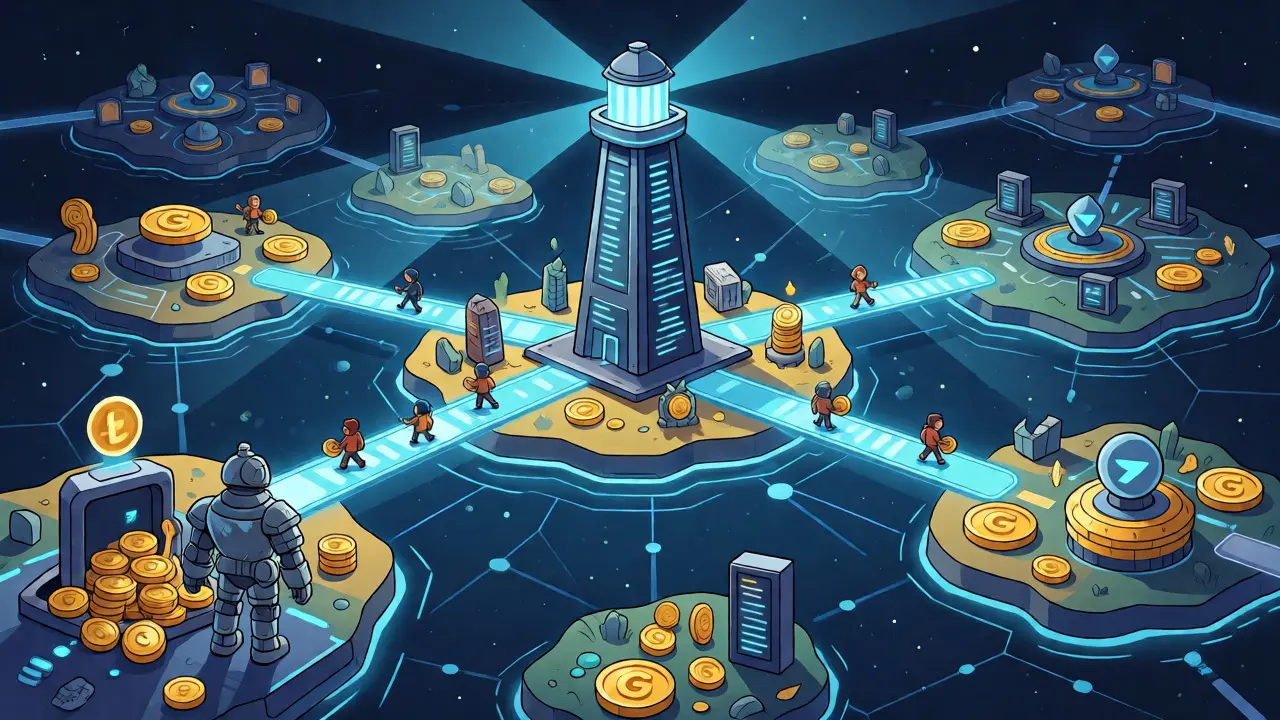
You cannot use ERC-20 G to pay for gas on Gravity L1 directly. You must bridge it. The canonical bridge locks your ERC-20 G on Ethereum and mints native G on Gravity. Be careful with withdrawal times; moving assets back through the bridge can take up to seven days. Always verify the chain ID and contract address before sending funds.
Risks and Criticisms
No project is perfect, and the GAL-to-G transition had its critics. The primary concern is centralization during the early phases. Gravity launched with a permissioned validator set. While the goal is decentralization, early users are trusting a smaller group of nodes to keep the network running. Additionally, the complexity of managing tokens across multiple networks (Ethereum, BNB, Gravity Alpha, Gravity L1) creates friction for average users.
There’s also the risk of "legacy confusion." Many wallets and trackers still display GAL labels or outdated pricing. Users might accidentally send funds to old contracts or misunderstand their balance. The Galxe team has stated that the old migration page is being retired, signaling that the transition phase is officially over. Now, it’s all about building on G.
Frequently Asked Questions
Is GAL still a valid cryptocurrency?
No, GAL is considered a legacy token. It was migrated to G in July 2024. While some older listings may still exist, the active utility and development focus are entirely on the G token.
What is the conversion rate from GAL to G?
The fixed conversion rate was 1 GAL to 60 G. This means if you had 100 GAL, you received 6,000 G after the migration.
Do I need to claim my G tokens manually?
If you held GAL on a centralized exchange, the swap was automatic. If you held it in a self-custodial wallet, you had to use the official migration portal between July and August 2024. As of late 2026, the manual claim window has largely closed or moved to legacy support channels.
Where can I buy G tokens?
G is listed on several major exchanges including Binance, OKX, and Gate.io. You can also trade it on decentralized exchanges within the Gravity ecosystem once bridged.
What is the difference between Gravity Alpha and Gravity Mainnet?
Gravity Alpha was an earlier Layer 2 solution based on Arbitrum Nitro. Gravity Mainnet is the newer, independent Layer 1 blockchain using AptosBFT consensus. Development has shifted entirely to the Mainnet L1.