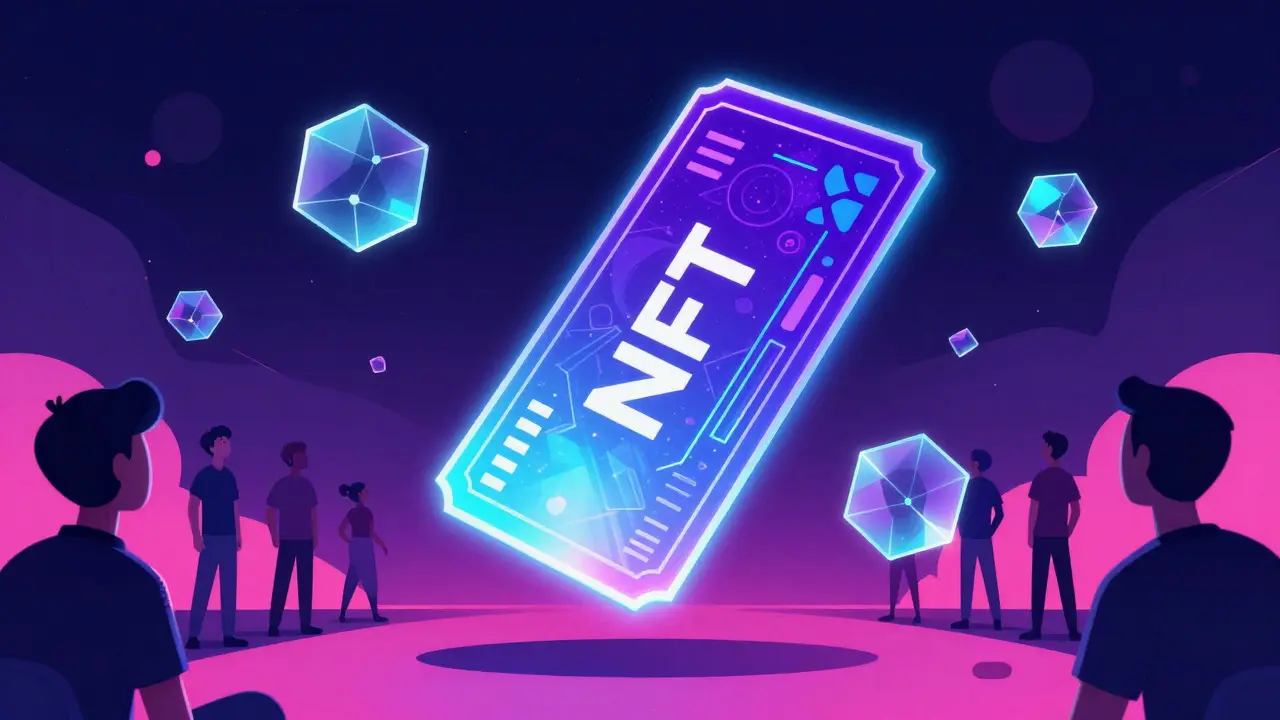

Remember the buzz around Play2Earn games in early 2021? That was when FEAR NFT Games made waves with a specific ticket-based airdrop that caught the attention of crypto gamers. If you're searching for details on the "FEAR Play2Earn NFT tickets airdrop," you're likely looking to understand how it worked, what the rewards were, or if there's any current value left in the project. The short answer is that this specific campaign has long closed, but understanding its mechanics offers valuable insights into how blockchain gaming projects distribute tokens and engage communities.
What Was the FEAR Play2Earn NFT Tickets Airdrop?
FEAR NFT Games is a blockchain gaming project focused on creating immersive experiences where players can earn digital assets through gameplay. In partnership with CoinMarketCap, one of the largest cryptocurrency data aggregators, the team launched a targeted distribution event. This wasn't just a random token drop; it was structured around "NFT tickets."
The core mechanism involved distributing 2,000 Play2Earn NFT airdrop tickets. Each ticket held a specific value: 25 FEAR tokens. For context, FEAR is the native utility token of the ecosystem. By tying the reward to an NFT ticket rather than a direct wallet transfer, the project aimed to create a sense of ownership and exclusivity among recipients. These tickets served as entry passes to test their gaming platform while simultaneously rewarding participants with liquid assets.
How the Distribution Model Worked
Unlike standard airdrops that simply send tokens to a list of wallets, the FEAR campaign used a two-tier approach to maximize engagement. The initial phase targeted existing holders and active community members who had already shown interest in the project. The second phase opened up to new users willing to "test" the game for free. This strategy addressed a common pain point in Web3 gaming: user acquisition without heavy marketing spend.
- Loyal Holder Rewards: Existing $FEAR token holders received priority access or higher multipliers, incentivizing them to keep their assets in the ecosystem.
- New Player Onboarding: New users could participate by completing simple tasks within the game interface, lowering the barrier to entry compared to buying expensive NFTs upfront.
- Partnership Leverage: Collaborating with CoinMarketCap provided credibility and visibility, ensuring the airdrop reached a broad audience of serious crypto investors rather than just casual gamers.
This model reflects the broader trend of "Play-to-Airdrop" mechanics, which emerged as a significant distribution method in the NFT gaming space. Instead of paying high gas fees to mint an NFT immediately, players could earn their way into the ecosystem through gameplay or task completion.
The Follow-Up: FEAR x CoinMarketCap Campaign
After the initial ticket airdrop was declared a "huge success" by the development team, they didn't stop there. They launched a larger follow-up campaign also branded under the FEAR x CoinMarketCap umbrella. This second wave allocated 20,000 $FEAR tokens, valued at approximately $30,000 USD at the time of distribution.
The scale increased significantly here. While the first round focused on quality (2,000 tickets), the second focused on quantity, aiming to reach over 500 winners. The deadline for this campaign was September 24, 2021, at 2 PM EST. This rapid succession of campaigns shows the project's aggressive growth strategy during the peak of the NFT mania.
| Campaign Phase | Reward Type | Total Quantity | Approximate Value | Target Audience |
|---|---|---|---|---|
| Initial Ticket Airdrop | NFT Tickets | 2,000 | 50,000 FEAR Tokens (25 per ticket) | Existing Holders & Early Testers |
| Follow-Up Token Drop | $FEAR Tokens | 20,000 | $30,000 USD | Broad Community (500+ Winners) |

Project Background and Financial Context
To understand the significance of these airdrops, we need to look at the financial health of FEAR NFT Games at the time. The project had completed four funding rounds, raising a total of $1.24 million through token launches, IDOs (Initial DEX Offerings), and additional financing. This capital injection allowed them to fund marketing efforts like the CoinMarketCap partnership and develop their gaming infrastructure.
However, the market environment shifted rapidly. At the time of data collection for this analysis, the project maintained a market capitalization of $117.47K. This figure highlights the volatility typical of smaller-cap blockchain gaming projects. While the airdrops generated hype and user sign-ups, sustaining long-term value requires continuous product updates and active player retention, which are challenging metrics to track in the fast-moving crypto space.
Current Status: Is It Too Late?
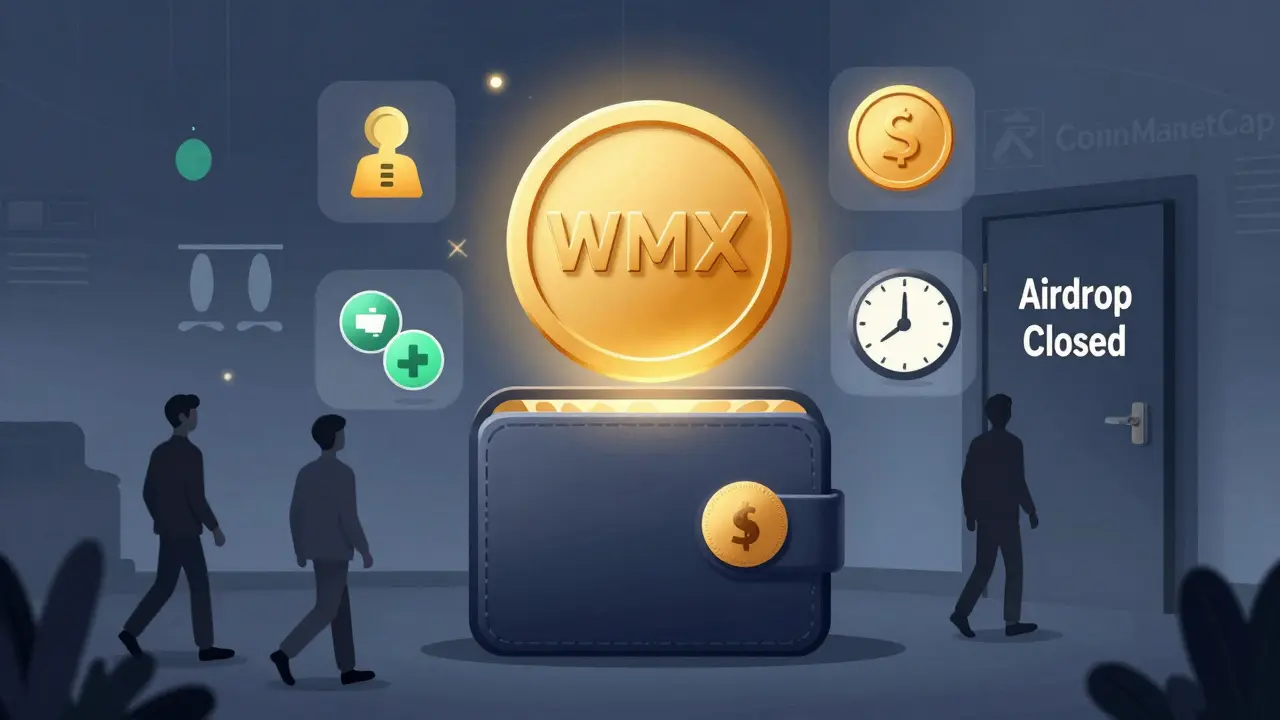
If you are reading this in 2026 hoping to claim those original tickets, the reality is stark. The platform explicitly noted, "It looks like you are too late! The airdrop is closed." The window for participation shut down shortly after the September 2021 deadline. For most users, the immediate financial opportunity from that specific event is gone.
However, the legacy of the FEAR airdrop remains relevant for several reasons:
- Historical Data Point: It serves as a case study in how mid-tier gaming projects used airdrops to bootstrap their user base before major competitors entered the scene.
- Token Utility Insight: It demonstrated the effectiveness of using NFTs as gatekeepers for token rewards, a model still seen in modern GameFi projects.
- Community Engagement: The partnership with a major aggregator like CoinMarketCap showed that credibility transfers. Users were more likely to trust and join a project backed by established data providers.
Lessons for Modern Crypto Gamers
While the FEAR tickets themselves may no longer be tradable or claimable, the strategies employed offer practical lessons for anyone participating in current Play2Earn or Play-to-Airdrop campaigns. First, always verify the source. The FEAR campaign benefited from the CoinMarketCap seal of approval. In today's landscape, check if the airdrop is listed on reputable platforms or verified by the official project social channels. Scams often mimic popular past events to lure victims. Second, understand the cost-benefit ratio. In 2021, gas fees were high, and many players spent more on transaction costs than they earned in small airdrops. Always calculate the potential return against the network fees and time investment required. Finally, monitor the project's ongoing development. An airdrop is just the beginning. Look for regular updates, active Discord communities, and transparent roadmap progress. Projects that disappear after the initial hype cycle rarely deliver long-term value.
Frequently Asked Questions
Can I still claim the FEAR Play2Earn NFT tickets?
No, the original airdrop campaign concluded in September 2021. The official status indicates the airdrop is closed, meaning new participants can no longer claim the initial 2,000 tickets or the subsequent 20,000 token distribution.
What was the value of each FEAR NFT ticket?
Each of the 2,000 Play2Earn NFT tickets was valued at 25 FEAR tokens. This equated to a total distribution of 50,000 FEAR tokens across all winning tickets in the initial phase.
Who partnered with FEAR NFT Games for the airdrop?
The airdrop was conducted in partnership with CoinMarketCap, a leading cryptocurrency market data provider. This collaboration helped validate the project and reach a wider audience of crypto investors and gamers.
How much did FEAR NFT Games raise in funding?
FEAR NFT Games raised a total of $1.24 million through four funding rounds. These funds came from token launches, IDOs, and additional private financing, supporting their development and marketing efforts including the airdrops.
Is the FEAR token still active in 2026?
While the specific airdrop opportunities have closed, the FEAR token continues to exist on the blockchain. However, its market capitalization and active user base should be checked on live tracking sites, as small-cap gaming projects can experience significant volatility or reduced activity over time.