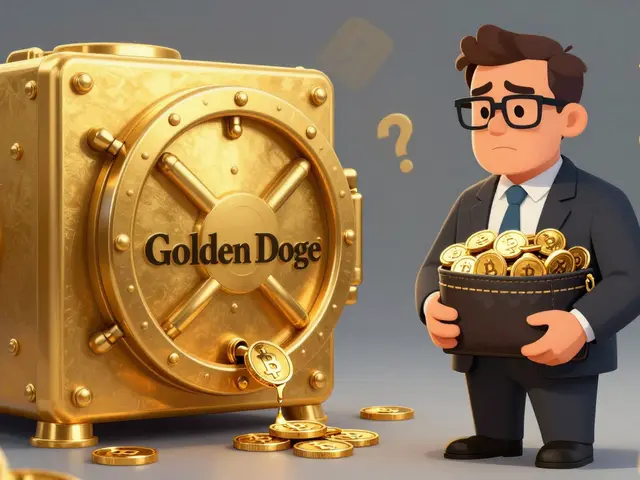

EDOGE Token Value Calculator
Current EDOGE Value Calculator
EDOGE is currently trading at $0.000000004163 per token, meaning you'd need over 240 billion EDOGE tokens to equal $1. Calculate how much your EDOGE tokens are worth today.
What This Calculator Shows
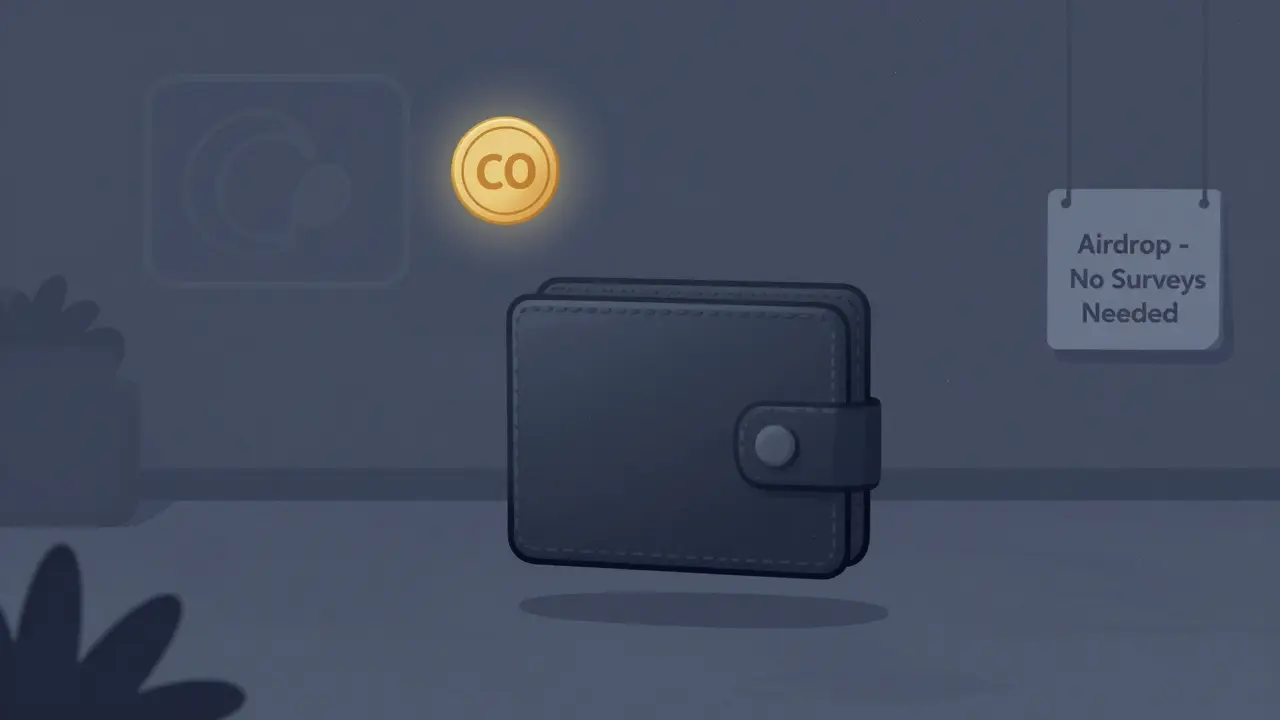
This tool calculates the current USD value of your EDOGE tokens based on the market price mentioned in the article. With EDOGE's extremely low value, you'll see why it's essentially worthless today.
If you have EDOGE tokens, this calculator demonstrates why they're not valuable and reinforces the article's key lesson: attention is temporary in crypto, and trust is everything.
Back in June 2021, if you were scrolling through CoinMarketCap, you might’ve seen a pop-up offering free EDOGE tokens. It wasn’t a scam. It was a real airdrop - part of a short-lived partnership between the ElonDoge project and one of the biggest crypto data sites in the world. The promise? $20,000 worth of EDOGE tokens, handed out over five days to users who completed simple tasks. Thousands signed up. Many got tokens. And then… silence.
What Was the ElonDoge x CoinMarketCap Airdrop?
The ElonDoge x CoinMarketCap Mission airdrop was a promotional campaign launched in June 2021. It wasn’t just another meme coin giveaway. It was a coordinated push between a new Dogecoin-inspired token and a trusted crypto data platform. CoinMarketCap, which had already built a reputation for helping users track prices and understand blockchain projects, used this airdrop to teach people about decentralized tokens while giving them free EDOGE.
The campaign was branded as an "interplanetary partnership with the CoinMarketCap station," leaning into the space-themed humor common in Doge-style projects. Users had to complete a 5-day checklist: follow ElonDoge on Twitter, join their Telegram, watch a short explainer video, and answer a quiz about the token. Each step unlocked a portion of the $20,000 EDOGE pool.
It wasn’t huge by today’s standards - some airdrops now distribute millions - but in mid-2021, when Dogecoin was surging and meme coins were everywhere, this felt like a legit opportunity. CoinMarketCap had just launched its own "Learn and Earn" model, where users got paid in crypto for learning. This airdrop was part of that same playbook.
What Is EDOGE, Really?
ElonDoge (EDOGE) is a meme coin built on the Binance Smart Chain. It doesn’t have a whitepaper. It doesn’t have a team of engineers working on a revolutionary protocol. It was created as a joke, like Dogecoin, but with a twist: it tied itself to Elon Musk’s online persona and the viral energy of meme culture.
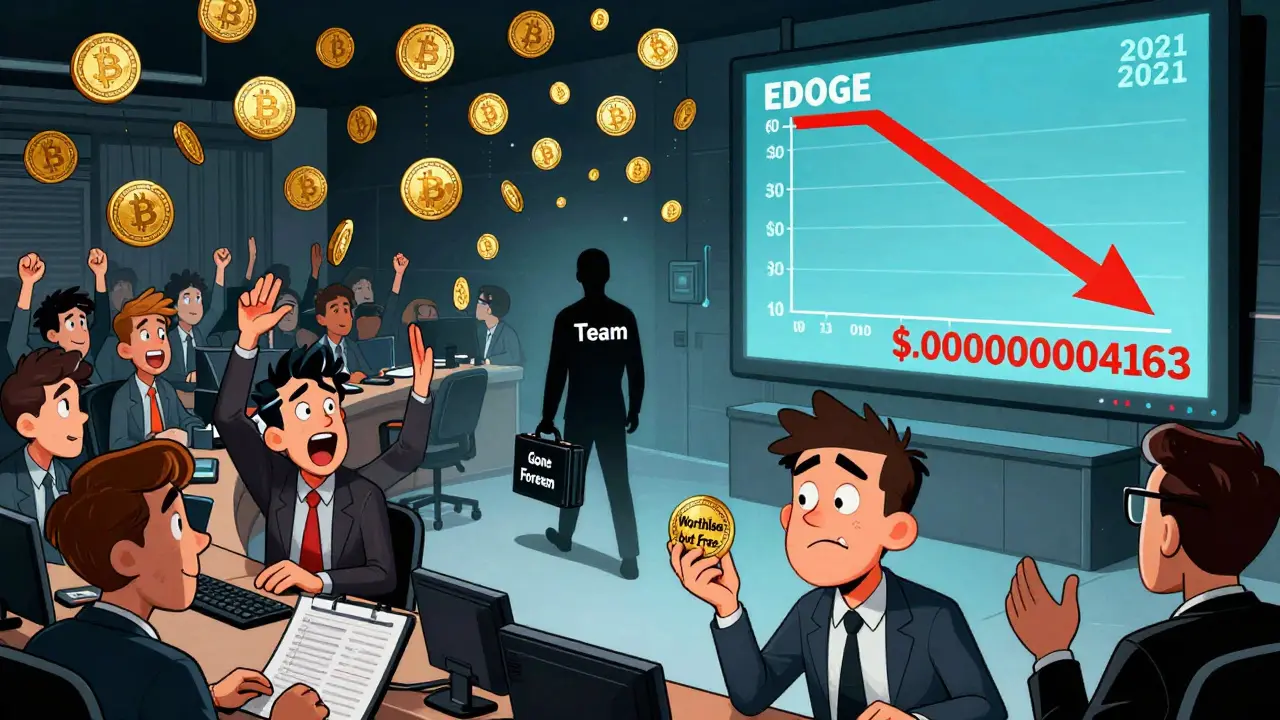
At its peak, during the airdrop, EDOGE had a small but active community. But today, the token trades at $0.000000004163. That’s less than half a billionth of a dollar. You’d need over 240 billion EDOGE to make $1. The 24-hour trading volume? Barely noticeable. Most exchanges don’t even list it anymore.
So why does it still exist? Because of EDAO - the ElonDoge DAO token.
The Role of EDAO: Governance Over the Ghost
While EDOGE was the airdropped token, EDAO was the real attempt at building something lasting. Launched at the same time, EDAO was designed as a governance token. Holders could vote on things like NFT auctions, partnerships, and how funds from the ElonFuel launchpad were used.
At launch, 100,000 EDAO tokens were created. Two percent went to liquidity, meaning a small pool was set up on PancakeSwap to let people trade it. The rest was meant to be distributed to early supporters - including airdrop participants. The idea was simple: if people had a say in the project’s future, they’d stick around longer than just flipping tokens for a quick profit.
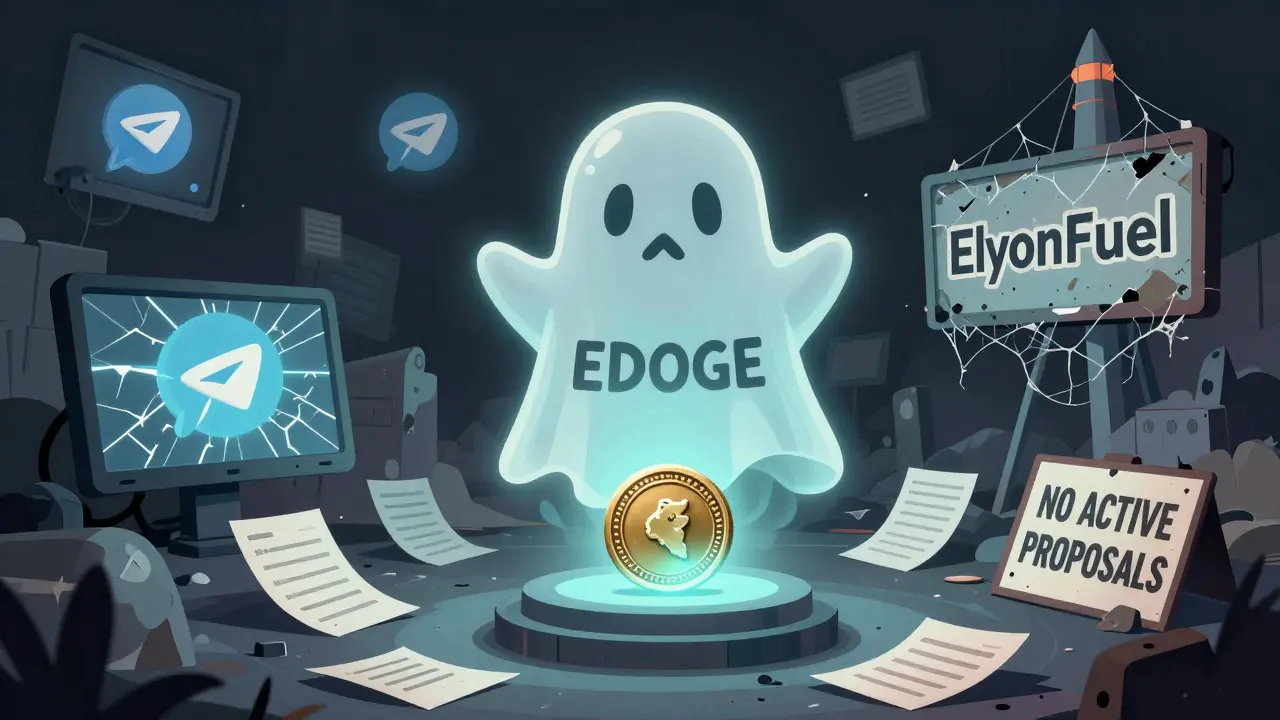
But here’s the problem: no one’s voting. No NFT auctions have happened. No partnerships have been announced. The ElonFuel launchpad? Dead. The DAO exists on paper, but not in practice. It’s a ghost town with a voting system no one uses.
Why Did It Fade So Fast?
ElonDoge didn’t fail because it was a bad idea. It failed because it was a product of its time - the 2021 meme coin frenzy.
That year, every new meme coin got an airdrop. Every project had a Telegram group. Every token had a space theme. Investors weren’t buying utility - they were buying hype. CoinMarketCap’s airdrop gave EDOGE instant visibility. But visibility doesn’t equal value.
Compare it to Doge-1 Mission to the Moon, another meme coin from the same era. It still has over 2,000 holders and a $124,000 market cap. Why? Because it kept running marketing campaigns, dropped NFTs, and kept the community engaged. ElonDoge didn’t. After the airdrop ended, the team vanished. No updates. No roadmap. No Twitter posts for months.
Even CoinMarketCap moved on. Today, their airdrop page shows zero active campaigns. The historical section for ElonDoge? It loads forever - as if the data was buried on purpose.
What Happened to the People Who Got the Tokens?
If you got EDOGE in June 2021, you probably thought you scored. You had free crypto. You told your friends. Maybe you even held for a few weeks.
But by August 2021, the price had dropped 90%. By 2022, it was worth almost nothing. Most people sold early - either out of fear or because they didn’t understand how to store or use the token. A few held on, hoping for a comeback. None got one.
There’s no record of anyone cashing out EDOGE for a profit after the initial hype. No success stories. No big wallets still holding it. Just a long trail of wallets with billions of tokens worth less than a penny.
Is There Any Value Left in EDOGE or EDAO?
Technically? Yes. You can still trade EDOGE on PancakeSwap. You can still hold EDAO. But there’s no liquidity. No buyers. No reason to use either token.
EDAO might have had potential as a governance tool, but without active users, it’s just a digital artifact. No one’s proposing changes. No one’s voting. It’s like owning a key to a door that’s been welded shut.
If you still have EDOGE or EDAO, treat them like collectibles - not investments. They’re relics of a wild time in crypto, when a meme and a Twitter post could launch a token. But they’re not tools. They’re not assets. They’re museum pieces.
What This Airdrop Teaches Us About Crypto
The ElonDoge x CoinMarketCap airdrop is a perfect case study in how not to build a lasting crypto project.
It shows that:
- Airdrops can bring attention, but not loyalty.
- Memetic branding doesn’t replace real utility.
- Partnerships with big platforms don’t guarantee survival.
- Without community engagement, even well-funded projects die.
Today, most serious crypto projects avoid the meme coin playbook. They focus on real use cases: DeFi protocols, tokenized assets, decentralized storage. The ones that still use memes? They’re careful. They build communities. They deliver updates. They don’t disappear after a $20,000 giveaway.
ElonDoge didn’t just fade away. It vanished. And that’s the real lesson here: in crypto, attention is temporary. Trust is everything.
What Should You Do If You Still Have EDOGE?
If you’re sitting on EDOGE or EDAO tokens:
- Don’t invest more. There’s no upside.
- Don’t hold hoping for a rebound. The market has moved on.
- If you want to recover even a fraction of gas fees, try swapping them for BNB or USDT on PancakeSwap - even if it’s worth pennies.
- Use this as a learning experience. Next time, ask: "What does this token actually do?" before claiming an airdrop.
Most importantly - don’t feel bad. You weren’t stupid. You were part of a trend. Millions did the same thing. The system was designed to make you feel like you were getting something free. You were. But the value? It was never real.
Can I still claim EDOGE tokens from the 2021 airdrop?
No. The ElonDoge x CoinMarketCap airdrop ended in June 2021. The campaign page is offline, and the smart contract is no longer accepting new participants. Any website claiming to still distribute EDOGE is a scam.
Is EDOGE listed on major exchanges like Binance or Coinbase?
No. EDOGE is only available on decentralized exchanges like PancakeSwap, and even there, trading volume is nearly zero. It’s not listed on any centralized exchange due to lack of demand and liquidity.
What’s the difference between EDOGE and EDAO?
EDOGE was the airdropped meme token meant for distribution and hype. EDAO is the governance token that was supposed to let holders vote on project decisions. Neither has any real use today, but EDAO had the potential to be more valuable - if anyone had used it.
Why did CoinMarketCap partner with ElonDoge?
CoinMarketCap was testing its "Learn and Earn" model in mid-2021. Partnering with a trending meme coin helped them attract new users and educate them on how airdrops work. It wasn’t an endorsement of ElonDoge’s long-term value - just a marketing experiment.
Are there any similar airdrops happening now?
CoinMarketCap currently has no active airdrops. Most major platforms have scaled back meme coin promotions after the 2021 crash. New airdrops today focus on DeFi, Layer 2 protocols, or real-world asset tokens - not memes.

Comments (7)

- Jessica Petry
- December 16, 2025 AT 02:58 AM
This is why crypto is just a giant Ponzi scheme dressed up as innovation. People think they're getting something for free, but the only thing being distributed is regret. EDOGE wasn't a failure-it was inevitable. The entire meme coin ecosystem is built on the delusion that virality equals value. And yet, here we are, five years later, still picking through the ashes like it's some kind of archaeological dig.
Meanwhile, the real builders? They're quietly creating infrastructure nobody sees. But no one wants to talk about that. Too boring. Too hard. Too… legitimate.
EDOGE was never meant to last. It was a marketing stunt disguised as a community. And CoinMarketCap? They knew exactly what they were doing. They didn't endorse EDOGE-they exploited it. And we all played along like obedient sheep.
It's not that people were stupid. It's that they wanted to believe. And that's the real tragedy.

- Kathryn Flanagan
- December 16, 2025 AT 08:32 AM
Hey, I remember when I got those EDOGE tokens! I didn’t know what I was doing, but I followed the steps because it seemed fun. I watched the video, joined the Telegram, even took the quiz-I thought I was learning something cool.
Then I saw the price drop and got scared. I sold it for like 0.0001 USD because I didn’t understand wallets or how to hold crypto. I felt dumb. But honestly? I’m not mad. I learned a lot just by trying.
Now I check every airdrop like, ‘What’s the real use here?’ Not just ‘Is it meme-y?’ I still don’t know everything, but I’m trying. And that’s okay. We all start somewhere. You don’t have to be a genius to be smart about crypto. Just curious. And patient.
Also, if you still have EDOGE, don’t stress. It’s not a loss. It’s a story. And stories matter more than numbers sometimes.

- Nicholas Ethan
- December 17, 2025 AT 20:14 PM
EDOGE was a liquidity grab disguised as a community initiative. The airdrop served as a front for token distribution without any commitment to long-term development. Market capitalization was artificially inflated through promotional channels with no underlying utility. The subsequent collapse was not an anomaly but the predictable outcome of a zero-sum marketing exercise. Governance token EDAO was never activated. No proposals. No quorum. No accountability. This is not a cautionary tale. It is a textbook case study in crypto theater.

- Rakesh Bhamu
- December 19, 2025 AT 19:53 PM
I think the real lesson here isn’t about EDOGE-it’s about how we treat crypto as entertainment instead of technology.
I remember when I first saw this airdrop. I was in India, working a 12-hour shift, and I clicked on it just to see what it was. I didn’t expect anything. But I did it because it felt like a game. And that’s the problem. We treat crypto like a slot machine with a blockchain label.
EDAO could’ve been something. If the team had hosted weekly AMAs, if they’d let holders vote on small things-even just naming a new NFT collection-it might’ve stuck. But they didn’t. They vanished. And that’s worse than a scam. It’s disrespect.
Don’t blame the users. Blame the builders who thought a meme and a Twitter post were enough. We all want to believe. But belief without action? That’s just wishful thinking.

- Lynne Kuper
- December 21, 2025 AT 09:52 AM
Oh honey. You thought you got free money. You didn’t. You got a digital post-it note that said ‘maybe someday.’
And now you’re sitting there like ‘why did they do this to me?’ Sweetie, they didn’t do it to you. They did it to the algorithm. To the hype. To the 17-year-old in Ohio who thought Doge was a religion.
Next time? Read the whitepaper. Or better yet-don’t read it. Just ask: ‘Who’s getting rich here?’ If the answer is ‘the team who launched it and vanished,’ walk away. Not because you’re smart. Because you’re not a sucker.

- Lloyd Cooke
- December 21, 2025 AT 17:32 PM
EDOGE was not a token. It was a mirror. It reflected the collective unconscious of a generation raised on dopamine, memes, and the illusion of instant transcendence.
We sought meaning in blockchain not because we understood it, but because we feared meaninglessness. The airdrop was not a giveaway-it was a sacrament. A ritual of belonging in a world where belonging had been commodified.
EDAO was the ghost in the machine-the silent prayer that someone, somewhere, would care enough to vote.
But the temple was empty. The priests had left. And the faithful? They scattered, clutching worthless relics, wondering if the gods ever existed-or if they were just the echo of our own desire to believe.
Perhaps the true value of EDOGE was never in its price. But in the silence that followed its collapse. That silence? That was the sound of enlightenment.
Or perhaps just boredom.

- Jessica Eacker
- December 22, 2025 AT 10:48 AM
If you still have EDOGE, just swap it for BNB and call it a day. You’re not losing anything by letting go.