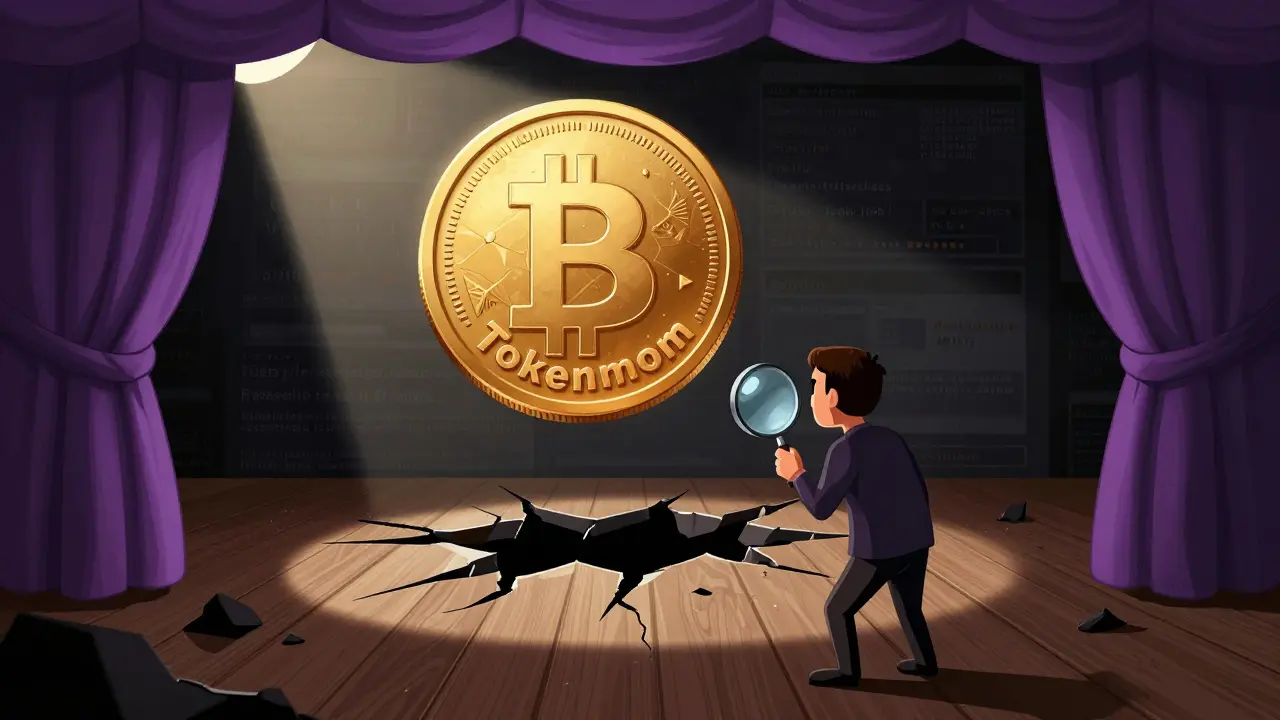

You find a new cryptocurrency exchange promising zero fees, no identity checks, and total security. It sounds too good to be true, right? That is exactly the pitch for Tokenmom, a platform marketed as a decentralized exchange for Ethereum-based tokens. But when you dig deeper, the floor falls out. There are no independent reviews, no security audits, and barely any technical details. In an industry rife with exit scams and phishing sites, this silence is deafening. Before you connect your wallet or send a single satoshi, you need to understand what is really going on behind the curtain.
The Promise vs. The Reality
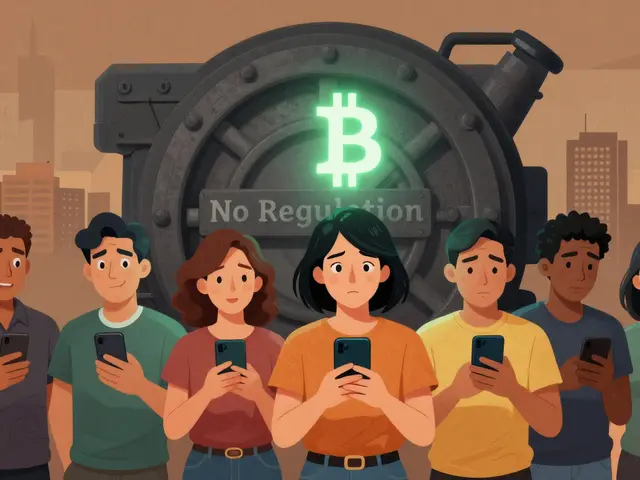
Tokenmom positions itself as a haven for traders who hate bureaucracy. Their marketing claims are bold: trade without creating an account, skip the Know Your Customer (KYC) verification process, and keep your funds safe even if the platform gets hacked. They promise that because it is a non-custodial model, your private keys stay with you. On paper, this aligns with the core ethos of decentralization-"not your keys, not your coins."
However, promises mean nothing without proof. Legitimate exchanges, whether centralized or decentralized, provide transparency. They publish whitepapers, list their founding teams, and share regulatory compliance status. Tokenmom offers none of this. The only information available comes from promotional posts on user-generated content platforms like Steemit and Ecency. These are not financial news outlets; they are often filled with paid promotions and affiliate links. If a platform cannot answer basic questions about its technology or team, why should you trust it with your assets?
Red Flags in Decentralized Trading
When evaluating any crypto platform, especially one claiming to be decentralized, you must look for specific indicators of legitimacy. Here is what is missing from Tokenmom’s profile:
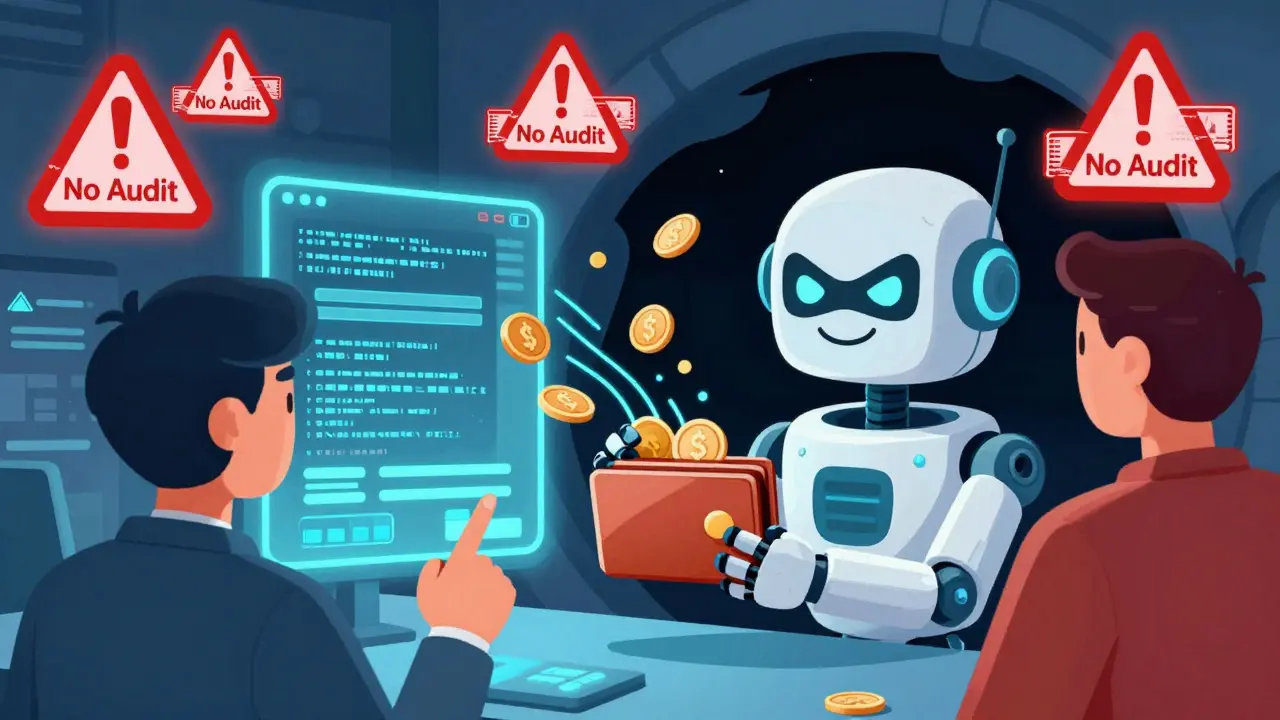
- No Security Audits: Reputable DeFi protocols undergo rigorous code audits by firms like CertiK or Trail of Bits. Tokenmom has no public record of such audits. Without them, there is no guarantee the smart contracts don’t have backdoors.
- Absence of Regulatory Info: While decentralization can exist outside traditional banking regulations, operating completely in the shadows is suspicious. Major jurisdictions require some form of registration or disclaimer. Tokenmom provides zero legal jurisdiction details.
- Zero Community Presence: Go to Reddit, Twitter, or major crypto forums. You will not find organic discussions about Tokenmom. Real users complain, praise, and troubleshoot. A complete lack of community voice suggests the platform may not have active real-world users.
- Vague Technical Specs: There is no documentation on how the matching engine works, what liquidity pools are used, or how slippage is handled. This opacity makes it impossible to assess execution quality.
In the crypto world, anonymity for developers is sometimes acceptable, but total obscurity for a financial product is a major warning sign. The California Department of Financial Protection and Innovation tracks numerous crypto scams, and many follow this exact pattern: high promises, low transparency, and eventual disappearance.
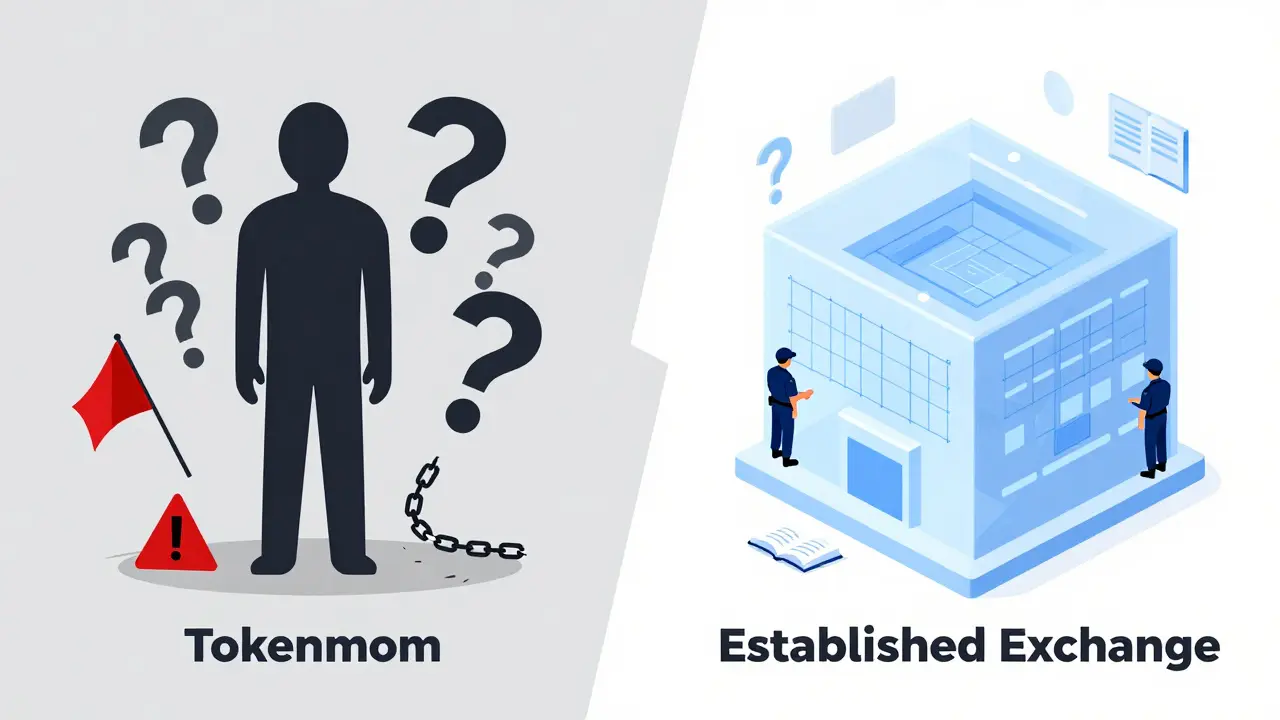
How Tokenmom Compares to Established Exchanges
To understand the risk, compare Tokenmom to established players. Let’s look at Gemini, a regulated centralized exchange founded in 2014. Gemini publishes SOC 1 Type 2 certifications, supports over 70 cryptocurrencies, and clearly lists maker/taker fees ranging from 0% to 0.40%. They have a known headquarters, identifiable founders (the Winklevoss twins), and clear customer support channels.
| Feature | Tokenmom Claims | Industry Standard (e.g., Gemini, Coinbase) |
|---|---|---|
| Security Audits | None publicly available | Regular third-party audits published |
| KYC Requirements | None required | Strict KYC/AML compliance |
| Team Transparency | Anonymous/Unknown | Publicly listed founders and staff |
| Fee Structure | Not disclosed | Clear tiered fee schedules |
| Regulatory Status | Unclear/None stated | Licensed in multiple jurisdictions |
The contrast is stark. When you use a platform like Gemini, you know who holds your money and under what laws. With Tokenmom, you are flying blind. The claim that "no KYC" equals "more freedom" often masks a lack of infrastructure to prevent fraud or recover stolen funds. If you get scammed on a non-KYC platform, there is no recourse. No support ticket will help you. No insurance fund exists.
The Risk of Non-Custodial "Guarantees"
Tokenmom’s biggest selling point is that your tokens remain in your personal wallet, implying that even if the exchange is hacked, your funds are safe. This is technically true for non-custodial wallets-you control the keys. However, this does not protect you from interface scams.
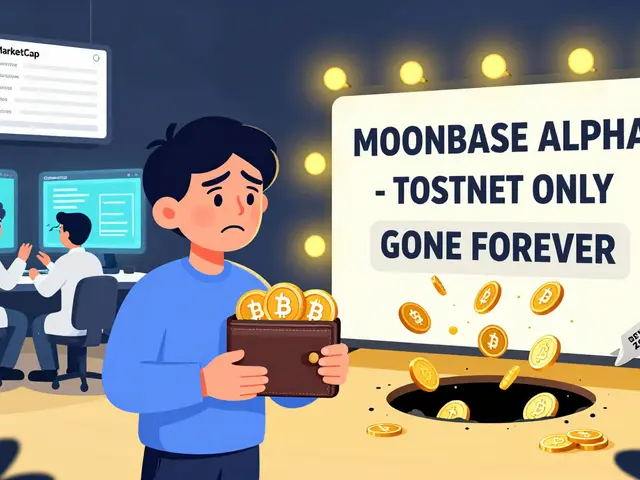
Many fraudulent platforms mimic legitimate interfaces. They might show you a fake balance, allow you to "trade" with phantom liquidity, and then ask you to pay a small fee to withdraw. Once you interact with a malicious smart contract or approve a transaction on a fake site, hackers can drain your wallet instantly. The fact that Tokenmom lacks verifiable smart contract code means you cannot verify if the front-end you see matches the backend logic. You could be interacting with a honeypot designed to steal your assets.
Furthermore, the absence of deposit requirements is odd. Most exchanges, even decentralized ones, require gas fees or initial liquidity provision. If Tokenmom truly requires no deposits and no registration, how do they sustain operations? How do they pay for server costs, development, and security? Free services in finance usually cost you your data or your principal.
Who Should Avoid Tokenmom?
If you are looking for a place to store long-term holdings, execute large trades, or simply trade safely, Tokenmom is not the answer. Specifically, avoid this platform if:
- You are a beginner who needs customer support guidance.
- You value regulatory protection and insured assets.
- You want transparent fee structures to calculate profitability.
- You rely on community feedback to gauge platform reliability.
For those interested in decentralized trading, there are safer alternatives. Platforms like Uniswap, SushiSwap, or PancakeSwap have open-source code, millions of dollars in Total Value Locked (TVL), and years of audit history. You can verify their smart contracts yourself. Tokenmom offers none of these safeguards.
Final Verdict: Proceed with Extreme Caution
Based on the available evidence, Tokenmom fails to meet the basic standards of legitimacy expected in the cryptocurrency industry. The lack of independent reviews, security audits, team information, and regulatory compliance creates a high-risk environment. While the concept of a no-KYC, non-custodial exchange appeals to privacy advocates, the execution here appears hollow. Promotional posts on niche blogs do not constitute due diligence.
In 2026, the crypto market is maturing. Users expect transparency, security proofs, and accountability. Tokenmom offers none of these. Until the platform releases verifiable technical documentation, undergoes independent security audits, and establishes a genuine community presence, it should be treated as unverified and potentially dangerous. Your capital is better protected on platforms with proven track records and open-source integrity.
Is Tokenmom a legitimate crypto exchange?
There is insufficient evidence to classify Tokenmom as a legitimate exchange. It lacks security audits, regulatory compliance info, and independent user reviews, which are standard for reputable platforms. The absence of these critical elements raises significant red flags regarding its legitimacy.
Does Tokenmom require KYC verification?
According to its promotional materials, Tokenmom does not require Know Your Customer (KYC) verification for withdrawals or trading. However, the lack of KYC combined with a lack of regulatory oversight increases the risk for users, as there is no identity verification to aid in fraud recovery.
Are my funds safe on Tokenmom?
While Tokenmom claims to be non-custodial, meaning you hold your private keys, the platform itself has no verified security audits. This means the smart contracts or interface could contain vulnerabilities or malicious code that could compromise your funds despite the non-custodial model.
What cryptocurrencies does Tokenmom support?
Tokenmom markets itself as focusing on Ethereum-based tokens. However, detailed information about supported pairs, liquidity depth, or other cryptocurrencies is not publicly available in authoritative sources.
Where can I find independent reviews of Tokenmom?
Currently, there are no independent reviews from reputable financial publications or established crypto review sites. Available content is primarily promotional posts on user-generated platforms like Steemit, which are not considered reliable sources for financial due diligence.


Comments (7)

- Tuan Nguyen
- July 12, 2026 AT 14:43 PM
It is frankly exhausting to witness the collective amnesia of this community regarding basic due diligence. The average retail investor, in their infinite wisdom, mistakes obscurity for sophistication. Tokenmom is not a 'hidden gem'; it is a digital ghost town designed by sociopaths who understand that anonymity is not a feature, but a liability shield. You do not need a PhD in cryptography to realize that if there are no audits, there is only malice waiting to be exploited. The fact that people still fall for the 'no KYC' siren song suggests a fundamental lack of intellectual curiosity or perhaps just a desperate desire to lose money quickly. It is pathetic.

- Hazel Fruitman
- July 14, 2026 AT 09:21 AM
i mean its kinda scary how easy it is to get scammed these days right? like why would anyone trust a site with no reviews?? its just reckless behavior honestly and ppl deserve what they get for being so careless with their own security

- Autumn Story
- July 15, 2026 AT 13:54 PM
I really appreciate you sharing this detailed breakdown! It’s so important to stay safe out there... I always double-check everything before connecting my wallet!! It makes me feel much better knowing there are people looking out for others’ safety! Please keep writing these helpful posts!!! 😊

- Mark Tuason
- July 16, 2026 AT 21:56 PM
This analysis is quite thorough and highlights critical gaps in transparency. While the desire for privacy is understandable, the absence of regulatory compliance and security audits presents significant risks that cannot be ignored. It is prudent to adhere to established platforms that have demonstrated accountability over time.

- Ella Collinson
- July 17, 2026 AT 22:51 PM
The semantic void left by the absence of verifiable smart contract bytecode is indicative of a high-probability honeypot scenario. When we analyze the liquidity depth versus the tokenomic structure, the asymmetry suggests a classic rug-pull architecture. The lack of CertiK or Trail of Bits verification isn't just an oversight; it's a structural failure of the protocol's integrity layer. We must deconstruct the frontend interaction patterns to see if the approval functions are maliciously coded to drain ERC-20 allowances. This is not speculation; it is empirical risk assessment based on known exploit vectors in DeFi ecosystems.

- Ray Arney
- July 19, 2026 AT 08:44 AM
Yeah, I’ve seen similar stuff before. Better to stick with Uniswap or PancakeSwap where you can actually check the code. No point risking it all on something shady.

- Andrew Schneider
- July 21, 2026 AT 01:03 AM
Oh, please! 🙄 You guys are all such sheep following the herd into the abyss! 🐑💀 Tokenmom is probably the next big thing while you’re busy reading boring whitepapers from Coinbase! 📉🚫 Who needs audits when you have vibes? ✨ I’m buying the dip because FUD is just fear talking! 🗣️🔥 Don’t let the nerds ruin your financial freedom! 🕺💸 #CryptoKing #ScamAlertIsMySuperpower 🦸♂️💰