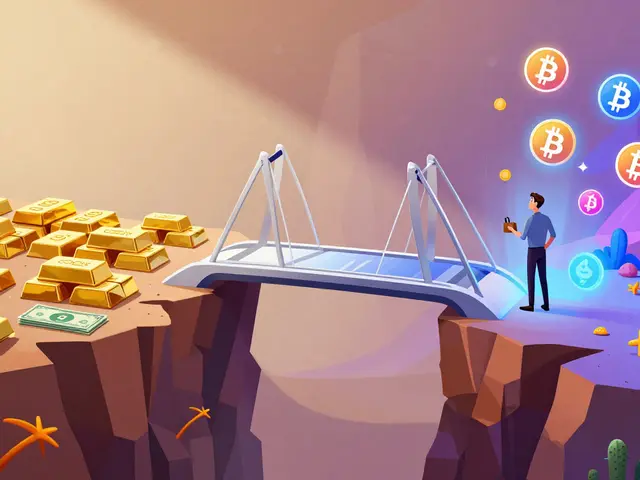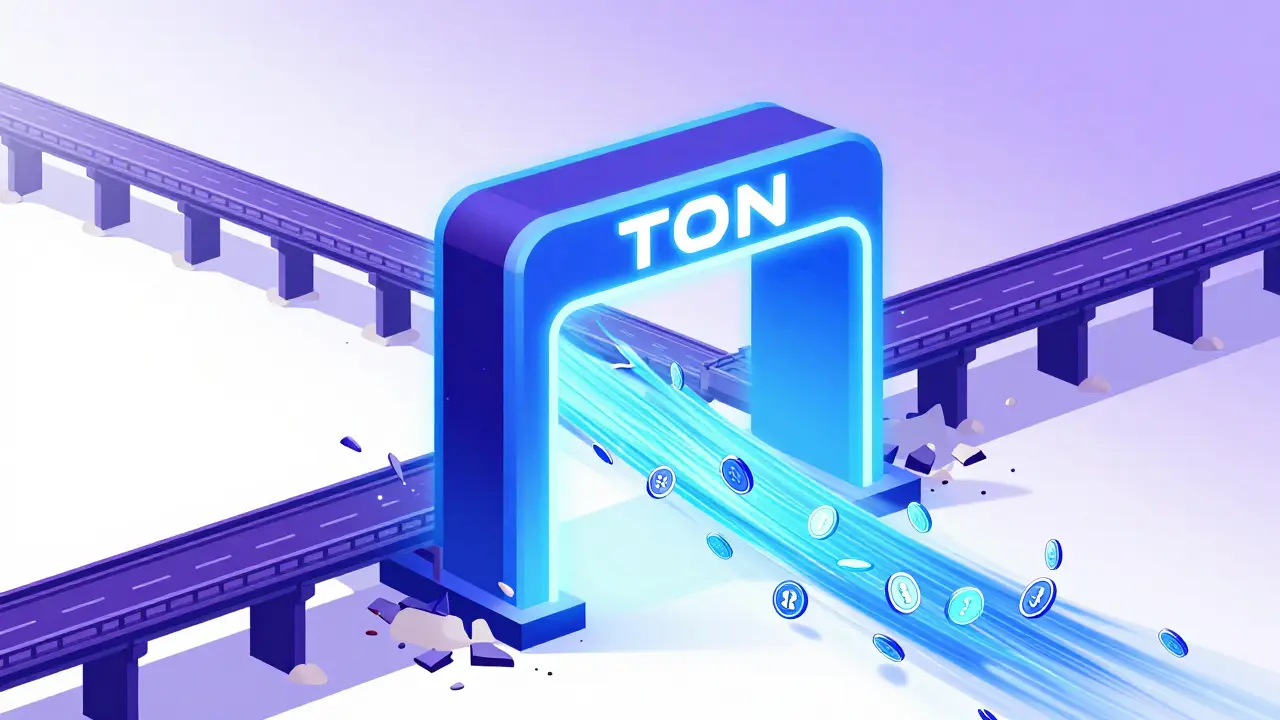

If you've spent any time in the Telegram ecosystem recently, you've probably noticed that the TON blockchain is exploding. But as the network grows, the biggest hurdle for users is usually moving assets without getting lost in a maze of bridges and complex wrappers. That's where STON.fi v2 is a decentralized exchange (DEX) built exclusively for The Open Network, acting as a native automated market maker (AMM) that allows users to swap tokens without leaving the TON ecosystem. Also known as STON.fi, it's designed to be the high-speed, low-cost gateway for anyone who wants to trade TON-based assets without the headache of centralized exchanges.
For most people, the appeal of a DEX is simple: you keep your keys, you keep your coins. But STON.fi v2 does something more specific. By going "all-in" on TON, it removes the need for cross-chain bridges-which are notorious for being both slow and risky. However, this specialization is a double-edged sword. You get incredible speed and nearly zero fees, but you won't find ten thousand different coins here like you would on Uniswap. It's a niche tool for a specific community.
Quick Takeaways for Traders
- Speed: Most swaps settle in under 10 seconds.
- Cost: Gas fees are fractions of a cent, making it vastly cheaper than Ethereum-based platforms.
- Security: Smart contracts have been audited by Trail of Bits, a heavy hitter in blockchain security.
- Barrier to Entry: Extremely low; you can start trading with as little as $1.
- Main Trade-off: Limited token selection and shallow liquidity for very large trades.
How STON.fi v2 Actually Works
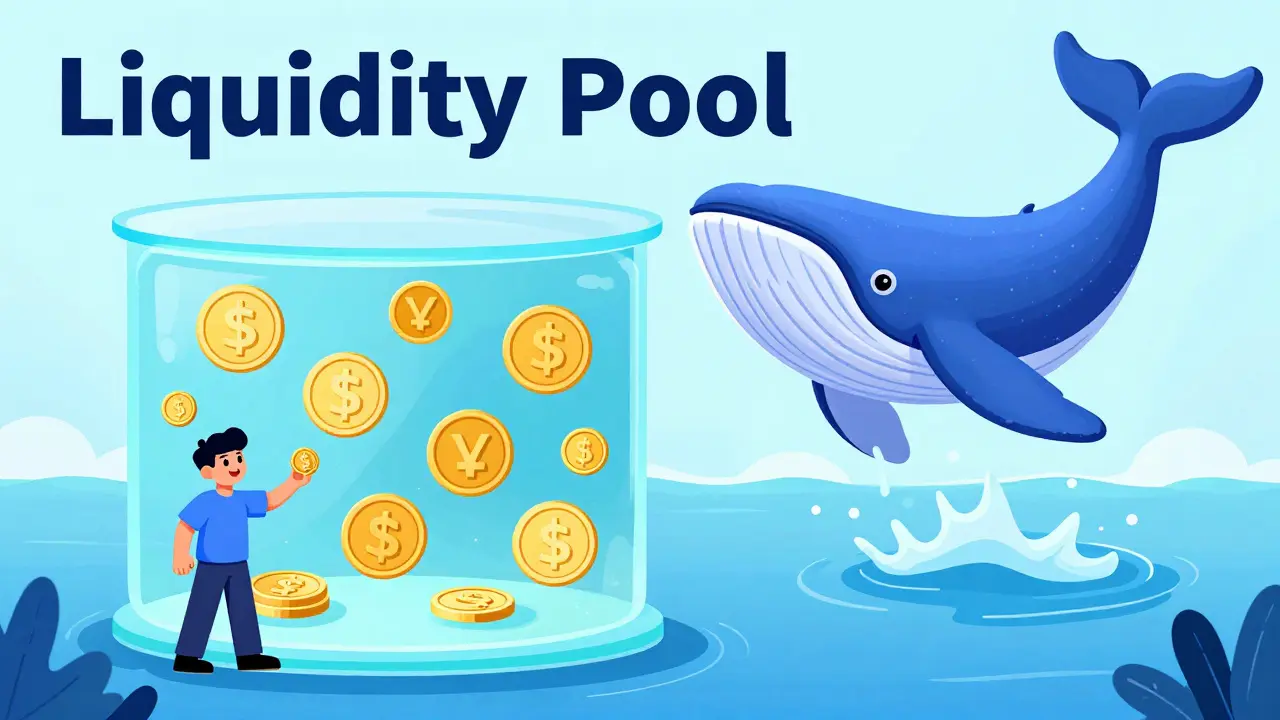
At its core, STON.fi v2 uses an Automated Market Maker is a DeFi protocol that uses liquidity pools rather than a traditional order book to allow assets to be traded automatically (AMM) model. Instead of waiting for a buyer or seller to match your price, you trade against a pool of assets. To keep things efficient, the platform blends this with a Request-for-Quote (RFQ) execution style, which helps balance the user experience with the actual liquidity available in the pools.
Because it lives natively on the TON blockchain, it leverages TON's unique consensus mechanism. In plain English: the network is fast, and the exchange reflects that. While an Ethereum swap might take minutes and cost you five bucks in gas, a swap on STON.fi v2 is practically instant and costs almost nothing. This makes it a paradise for micro-investors or people trading "meme coins" within the Telegram sphere where every cent of profit counts.
The Trading Experience: Pros and Cons
Using the platform is refreshingly simple. You don't need to create an account, upload your passport, or wait for an email verification. You simply connect a TON-compatible wallet-like Tonkeeper or OpenMask-and you're ready to go. Most users find they can execute their first swap within ten minutes of landing on the site.
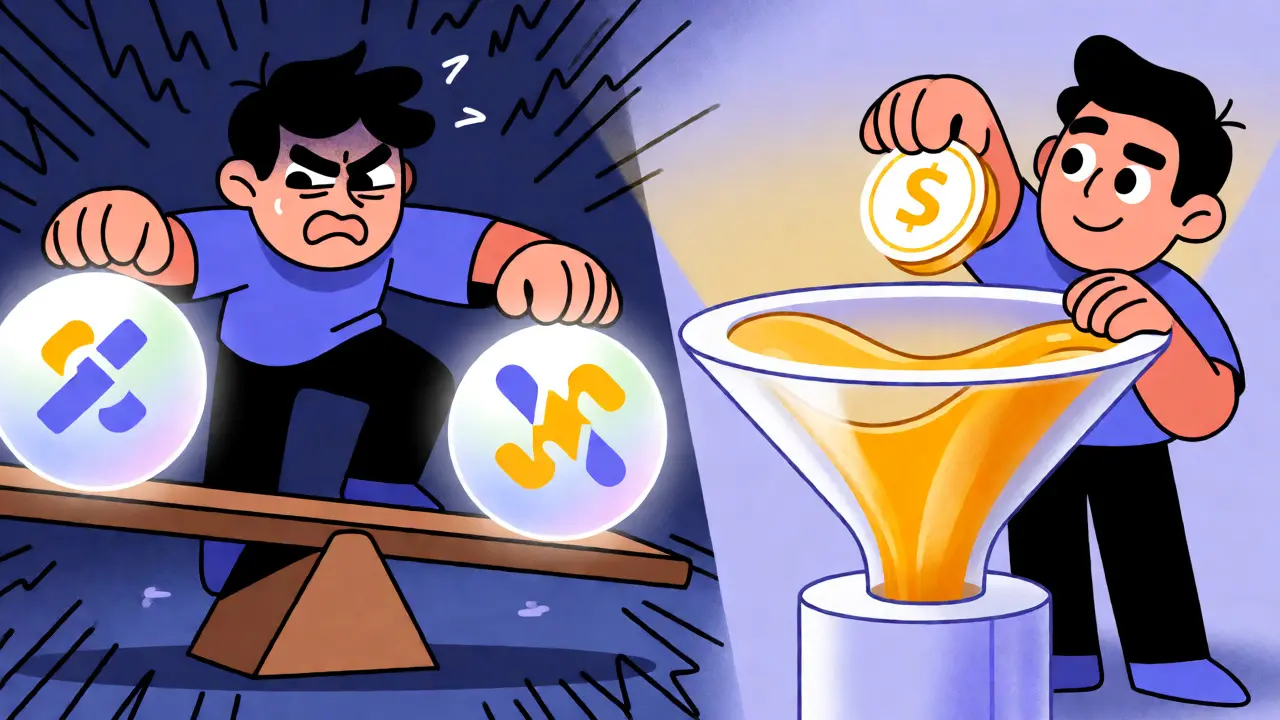
However, there are a few "gotchas" you should know about. The most significant is liquidity. As of late 2024, daily trading volumes were hovering between $300,000 and $500,000. While that's plenty for a casual user, it's a problem for "whales." If you try to swap $10,000 or more in a single go, you'll likely experience price slippage-where the actual price you get is significantly worse than the quoted price. In some cases, this slippage can exceed 2-5%.
| Feature | STON.fi v2 | Typical DEX (e.g., Uniswap) |
|---|---|---|
| Transaction Speed | < 10 Seconds | Variable (Network Dependent) |
| Average Gas Fee | Fractions of a cent | $0.50 - $5.00+ |
| Token Variety | Limited (20-30 core TON tokens) | Very High (10,000+) |
| KYC Requirements | None | None |
| Min. Deposit | $1 | No minimum (Wallet dependent) |
Understanding the STON Token and Incentives
The platform isn't just a place to swap; it has its own economy centered around the STON token is the native utility and governance token of the STON.fi platform used for staking and rewards . Holding STON allows you to participate in governance, meaning you have a say in how the platform evolves. More importantly, it enables users to earn GEMSTON rewards through staking.
This creates a flywheel effect. Users provide liquidity to the pools to earn fees, and they stake STON to earn more rewards. For those looking at the investment side, predictions have been modest but steady. Some analysts have projected a slow climb in value through 2026, tied largely to the overall growth of the TON network and its integration with Telegram.
Security and Risks: What You Need to Know
In the world of DeFi, "audited" is a word you want to see. The fact that Trail of Bits audited the v2 smart contracts is a massive green flag. They are widely respected for finding the kind of bugs that lead to multimillion-dollar exploits. That said, no audit is a guarantee of absolute safety.
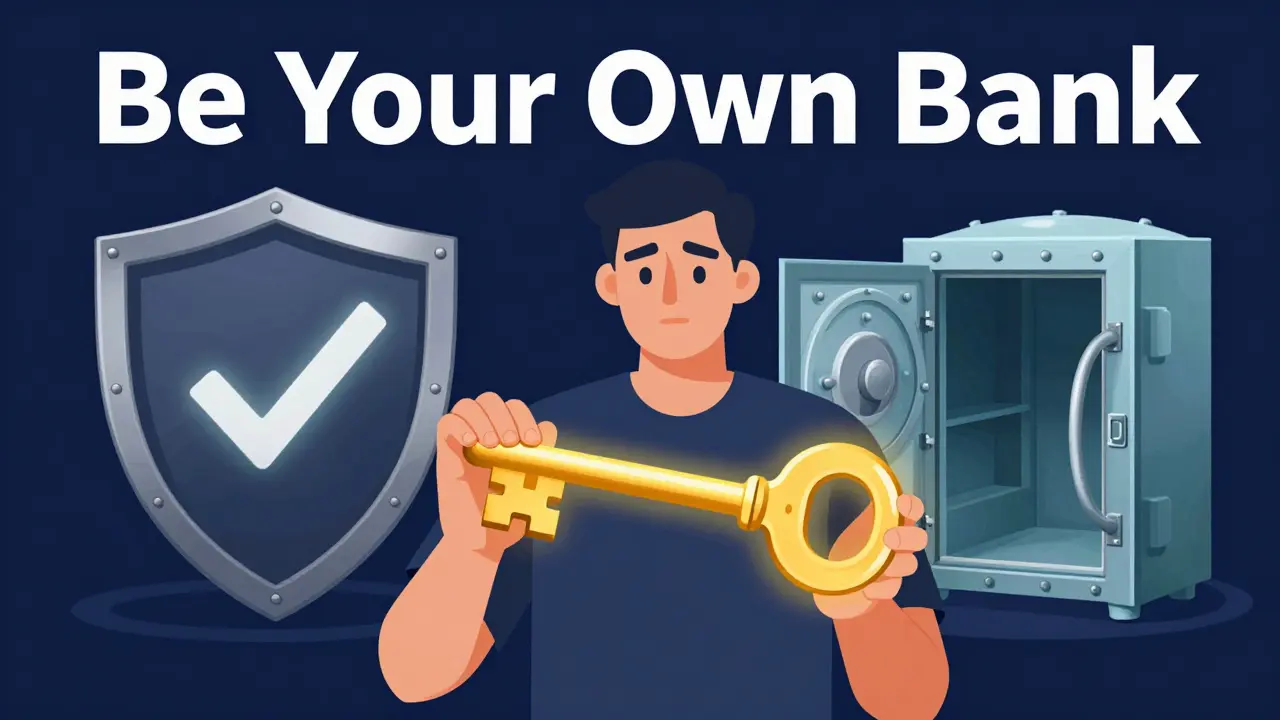
The bigger risk here isn't necessarily a hack, but the lack of regulation. STON.fi v2 isn't regulated by any government authority. While that's standard for a decentralized exchange, it means there's no "customer support" line to call if you send tokens to the wrong address. You are your own bank. If you lose your seed phrase or make a mistake in a transaction, the money is gone. This is the trade-off for the privacy and freedom that DeFi provides.
Who is STON.fi v2 For?
If you are a high-frequency trader moving millions of dollars, you'll find the liquidity here too shallow. You'd be better off with a larger aggregator. But if you're a Telegram user who wants to swap USD₮ for TON or try out new ecosystem tokens like NOT or MAJOR, this is arguably the best tool for the job.
It's specifically built for:
- TON Beginners: The UI is clean and doesn't intimidate people who are new to crypto.
- Micro-Traders: The low fees mean you don't lose your entire profit to gas costs.
- Privacy Seekers: No KYC means your identity remains your own.
Is STON.fi v2 safe to use?
The platform's smart contracts have been audited by Trail of Bits, which is a top-tier security firm. However, as a decentralized exchange, it is unregulated, and users are responsible for their own private keys and transaction accuracy.
What are the fees on STON.fi v2?
Transaction fees (gas) on the TON blockchain are extremely low, often costing only fractions of a cent. While some reports mention spot trading commissions around 0.3%, the primary cost for users is the minimal network gas fee.
Can I trade any cryptocurrency on STON.fi?
No. STON.fi v2 is specialized for the TON ecosystem. It only supports tokens that exist on the TON blockchain. You cannot trade Ethereum or Solana tokens here without first using a bridge to move them into the TON network.
What is slippage and why does it matter on STON.fi?
Slippage is the difference between the expected price of a trade and the price at which the trade is actually executed. Because some liquidity pools on STON.fi are shallow, very large trades can cause the price to move significantly, resulting in higher slippage (sometimes over 2-5%).
How do I connect my wallet to STON.fi?
Open the STON.fi website in a TON-compatible browser (like the one built into Tonkeeper). Click the "Connect Wallet" button and approve the connection request in your wallet app. No registration or KYC is required.
Next Steps and Troubleshooting
If you're ready to try it out, start by downloading Tonkeeper. It's the most common wallet for this ecosystem and integrates seamlessly with the exchange. If you encounter an error saying "Slippage too high," try reducing your trade size or slightly increasing your slippage tolerance in the settings menu.
For those looking to earn passive income, explore the Liquidity Provider (LP) section. Just be aware of impermanent loss-the risk that the price of your deposited assets changes compared to when you deposited them. STON.fi has integrated tools to help you calculate this, which is a huge win for novice liquidity providers.
Comments (10)

- Jimmy vasquez
- April 27, 2026 AT 23:27 PM
The low gas fees are definitely the biggest selling point here. If you're just messing around with small amounts of TON or those Telegram-based tokens, it's way better than trying to move things through a CEX just to avoid fees.

- Andrew Todd
- April 28, 2026 AT 23:39 PM
This is just a toy for people who don't know real trading. Real money stays in US markets or top tier chains. This TON stuff is just a playground for kids

- Emily A
- April 29, 2026 AT 07:37 AM
It is quite naive to suggest that a Trail of Bits audit equals absolute security. One must remember that audits only cover the code as it existed at the time of the review; they do not account for future updates or unforeseen systemic vulnerabilities within the TON virtual machine itself.

- Felix Eduardo Velasquez
- April 30, 2026 AT 11:37 AM
The trade-off between decentralization and liquidity is a fundamental tension in DeFi. While the shallow pools on STON.fi create slippage for whales, it's a necessary stage of growth for any ecosystem-specific DEX. We are essentially watching the birth of a financial layer for a social network, which raises interesting questions about the future of integrated commerce.

- Rain Richardsson
- May 1, 2026 AT 15:21 PM
Slippage is a real pain.

- Alex Mazonowicz
- May 2, 2026 AT 13:20 PM
I tried it today!!! It was so fast!!! I love how easy it is to get started!!! This is the future of crypto for sure!!!

- Gabby Puche
- May 3, 2026 AT 08:56 AM
Totally agree with the vibe here! It's so chill to just connect a wallet and go 🚀 Just be careful with those meme coins though lol 💎

- Kristi Swartz
- May 4, 2026 AT 09:59 AM
everyone knows liquidity is the only thing that matters in a dex and this one barely has any so its basically useless for real traders who actually know what they are doing

- Iestyn Lloyd
- May 4, 2026 AT 20:36 PM
I've found that splitting larger trades into smaller batches over a few hours can help mitigate the slippage issues mentioned. It's a bit more tedious, but it preserves more of the capital for the average user.

- AP Fisher
- May 5, 2026 AT 22:45 PM
I wonder if they will add more tokens soon. It would be cool if it became more like a hub for everything on TON without needing to bridge so much.