
You see the ads. A shiny new Ourbit interface promises instant trades, massive bonuses, and leverage up to 200x. It looks slick on your phone. But before you wire your hard-earned Bitcoin there, you need to look past the user-friendly design. This Ourbit crypto exchange review digs into the data that marketing brochures often hide. The short answer? Proceed with extreme caution. Independent security assessments give this platform a failing grade, and major financial regulators have issued specific warnings about its operations.
The Core Problem: Trust vs. Promise
In the crypto world, trust is the only currency that matters more than the tokens themselves. If an exchange holds your keys, they hold your fate. Ourbit positions itself as a secure hub for spot and futures trading, offering features like P2P markets and NFT access. On the surface, it checks the boxes for a modern platform. However, when we strip away the UI polish, significant red flags emerge regarding its legitimacy and safety protocols.
Why does this matter? Because unlike a bank account protected by FDIC insurance (in the US) or similar schemes elsewhere, crypto exchanges are often unregulated black boxes. If Ourbit disappears tomorrow, can you get your money back? Current evidence suggests the answer might be "no." Let’s break down why industry experts are raising their eyebrows.
Regulatory Red Flags: MAS and FinCEN Warnings
One of the first things any serious trader checks is regulatory status. You want to know who watches the watchmen. For Ourbit, the picture is murky at best. Two major financial authorities have flagged issues with how this company operates under its licenses.
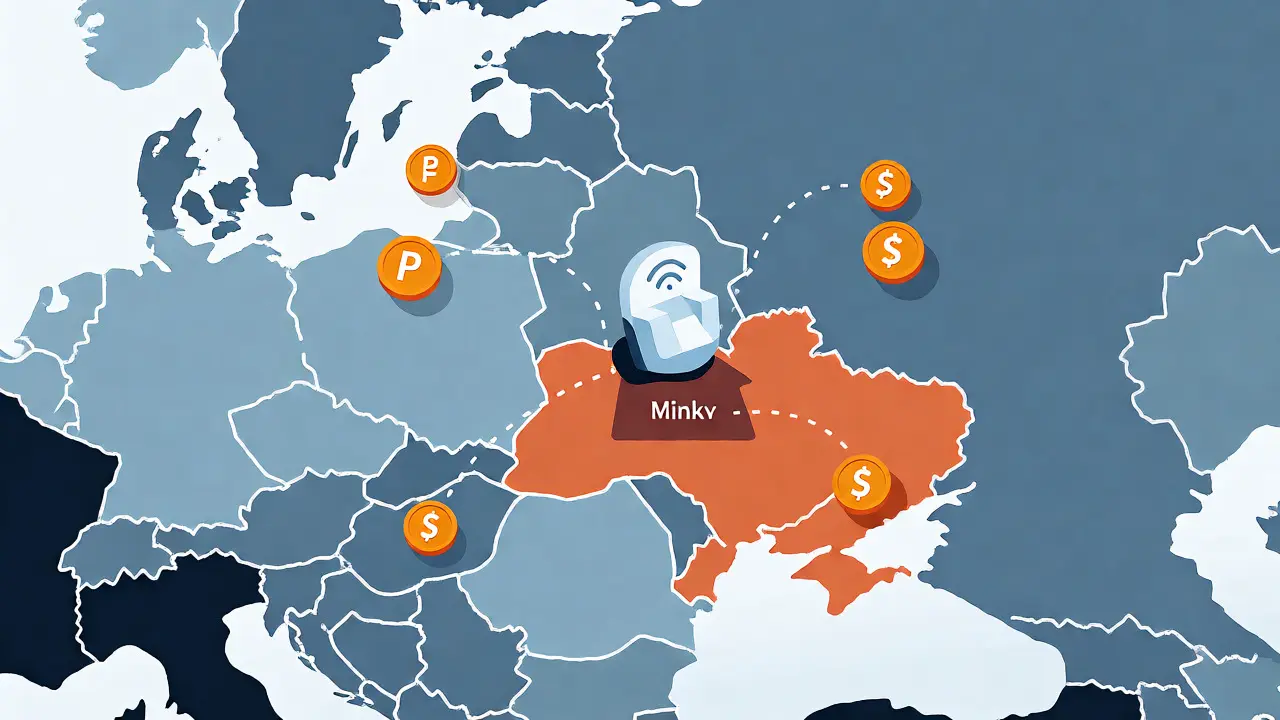
The Monetary Authority of Singapore (MAS) issued a warning stating that Ourbit’s activities extend beyond the scope authorized by its license. Similarly, the Financial Crimes Enforcement Network (FinCEN) in the United States noted that Ourbit’s Money Services Business (MSB) registration covers activities outside its approved business model. These aren't minor administrative typos. These are formal notices suggesting the exchange may be operating without proper authorization for certain services. When a regulator says, "You're doing things you weren't licensed to do," it’s a signal to step back.
| Authority | Status | Implication |
|---|---|---|
| Monetary Authority of Singapore (MAS) | Warning Issued | Operations exceed licensed scope |
| FinCEN (USA) | Warning Issued | MSB license scope exceeded |
| CER.live Security Rating | DD (Failing) | Low security score (25%) |
Security Assessment: A Failing Grade
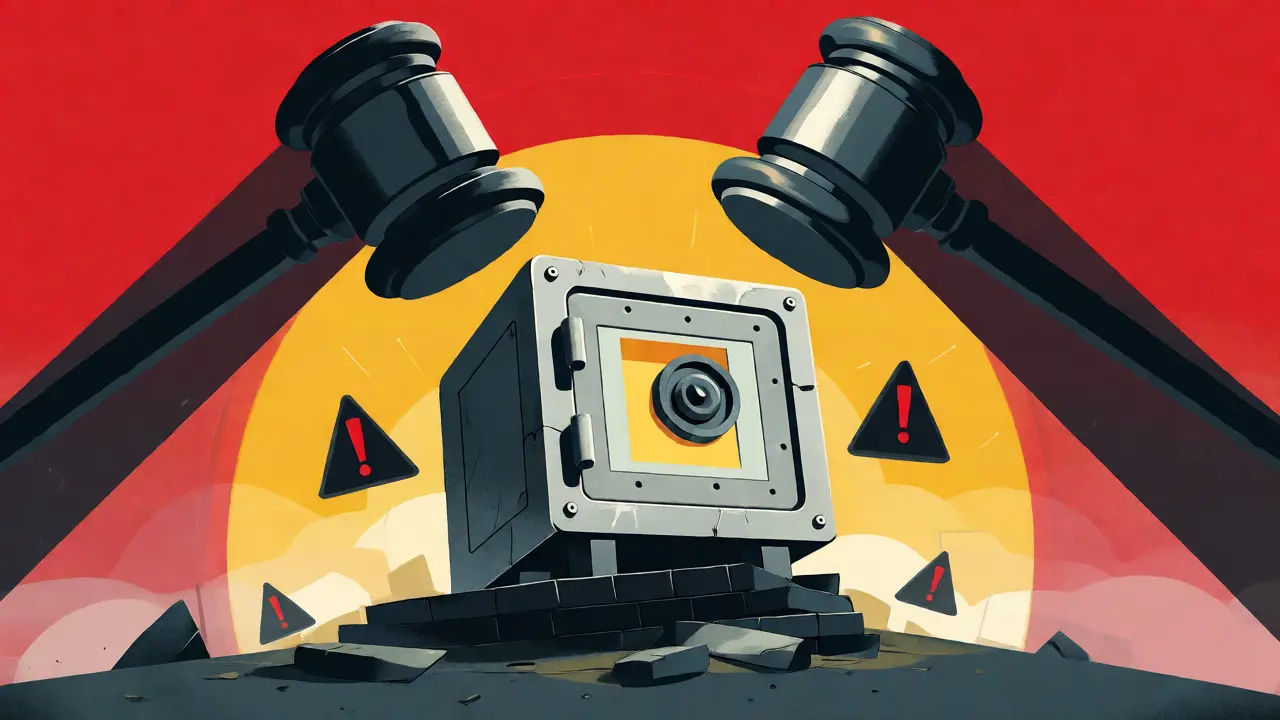
If regulations are the legal shield, security audits are the physical lock on the door. Here, Ourbit performs poorly according to independent third-party evaluators. CER.live, a reputable platform that rates crypto exchange security, assigned Ourbit a 'DD' rating. That is not a typo. In many grading systems, DD is near the bottom of the barrel.
What does a 'DD' rating actually mean? It indicates a security score of just 25%. The assessment highlights three critical failures:
- No Certification: The platform lacks recognized security certifications from top-tier auditing firms.
- No Penetration Testing: There is no record of approved, rigorous penetration testing to find vulnerabilities before hackers do.
- No Bug Bounty Program: Ethical hackers aren't incentivized to report bugs, meaning flaws may sit undetected for years.
User Experience and Features: What You Get
To be fair, if you ignore the risk factors, the product itself isn't terrible. The mobile app markets "instant trades" for Bitcoin and Ethereum, and the execution speed seems adequate for casual traders. They offer a suite of features designed to attract different types of users.
- Futures Trading: Leverage up to 200x allows for aggressive speculation.
- Automated Bots: Built-in tools for algorithmic trading without needing external software.
- P2P Marketplace: Direct buying and selling between users, useful for fiat conversions.
- NFT Marketplace: Integrated access to non-fungible tokens.
The Fine Print: Terms of Service Risks
Most people skip the Terms of Service (ToS). Don’t. In Ourbit’s case, the ToS reveals a heavy bias toward protecting the exchange, not the user. Several clauses stand out as particularly concerning for anyone holding significant assets on the platform.
First, Ourbit reserves the right to freeze accounts or restrict trading pending investigations. While this sounds reasonable, the definition of "investigation" is vague. Second, and more alarming, the platform claims unilateral authority to seize profits deemed "illicit" without prior notification. Who decides what is illicit? How is that decision made? Without clear dispute resolution mechanisms, this power is absolute.
Furthermore, liability clauses place the burden entirely on the user. If a hacker accesses your account after you receive a security notification, you are held jointly liable. The exchange explicitly states that complete security risk elimination is impossible, effectively disclaiming responsibility for losses due to hacking, phishing, or protocol failures. In plain English: if they lose your money, it’s probably your fault.
Promotional Tactics: Too Good to Be True?
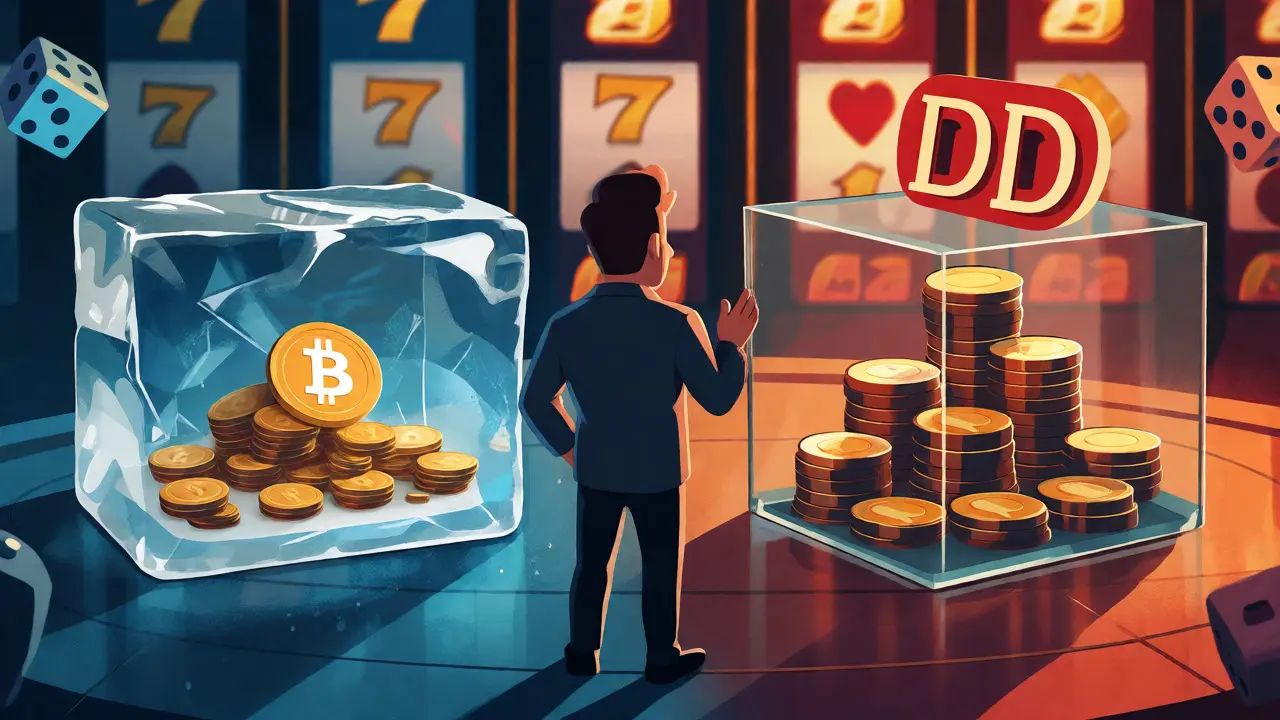
How does Ourbit attract users? Aggressive promotions. You’ll see offers for $5,000 bonuses and 50% fee discounts via referral codes. While bonuses are common in crypto, the scale here raises suspicion. Risk assessment reports note that these unusually generous offers mirror patterns seen in earlier cryptocurrency scams.
Think about it: if the platform has low security ratings and regulatory warnings, why spend so much on customer acquisition? Often, high bonuses are bait to get deposits in quickly before users realize the risks. Once your funds are locked in, withdrawing them can sometimes reveal hidden hurdles or delays, though Ourbit claims fast withdrawals. Caution is warranted when the incentive to deposit outweighs the confidence in the platform's stability.
Alternatives and Final Verdict
Should you use Ourbit? If you are a beginner looking for a safe haven for your long-term holdings, absolutely not. The combination of regulatory warnings, failing security grades, and unfavorable terms creates a high-risk environment. Your capital is safer on exchanges with transparent proof-of-reserves, clear regulatory licenses (like CFTC or FCA), and a track record of surviving market crashes.
For experienced traders willing to gamble with small amounts they can afford to lose, Ourbit might offer a playground for high-leverage futures. But treat it as such-a casino, not a vault. Do not store life savings here. Keep your main holdings in cold storage or on regulated, audited platforms.
The future of Ourbit remains uncertain. As global regulators tighten their grip on crypto, platforms operating in gray areas face increasing pressure. Without substantial improvements in compliance and security transparency, Ourbit’s viability as a trustworthy mainstream exchange is questionable at best.
Is Ourbit a legitimate exchange?
Ourbit is a registered entity, but its legitimacy is contested. Major regulators like MAS and FinCEN have issued warnings that its operations exceed its licensed scope. Additionally, independent security raters give it a failing 'DD' grade, suggesting it lacks the robust infrastructure of fully legitimized peers.
Is my money safe on Ourbit?
Safety is relative. Ourbit uses standard measures like cold storage and 2FA. However, it lacks third-party audits and bug bounty programs. The Terms of Service also allow the exchange to freeze accounts or seize profits without notice, adding legal risk to the technical risk. It is considered high-risk compared to regulated alternatives.
Does Ourbit require KYC verification?
Like most centralized exchanges, Ourbit typically requires Know Your Customer (KYC) verification for fiat deposits and higher withdrawal limits. You will need to provide government ID and proof of address. Failure to complete KYC can result in restricted access to funds.
Can I withdraw all my funds easily?
While the platform advertises fast withdrawals, user experiences vary. Some users report smooth transactions, while others cite delays during high-volume periods or account reviews. Given the regulatory warnings, there is a non-zero risk of temporary freezes affecting withdrawal capabilities.
What are the fees on Ourbit?
Ourbit offers competitive maker and taker fees, often lower than traditional brokers. They frequently run promotions, such as 50% fee discounts for referred users. Always check the current fee schedule on the dashboard, as promotional rates may expire or change based on trading volume tiers.