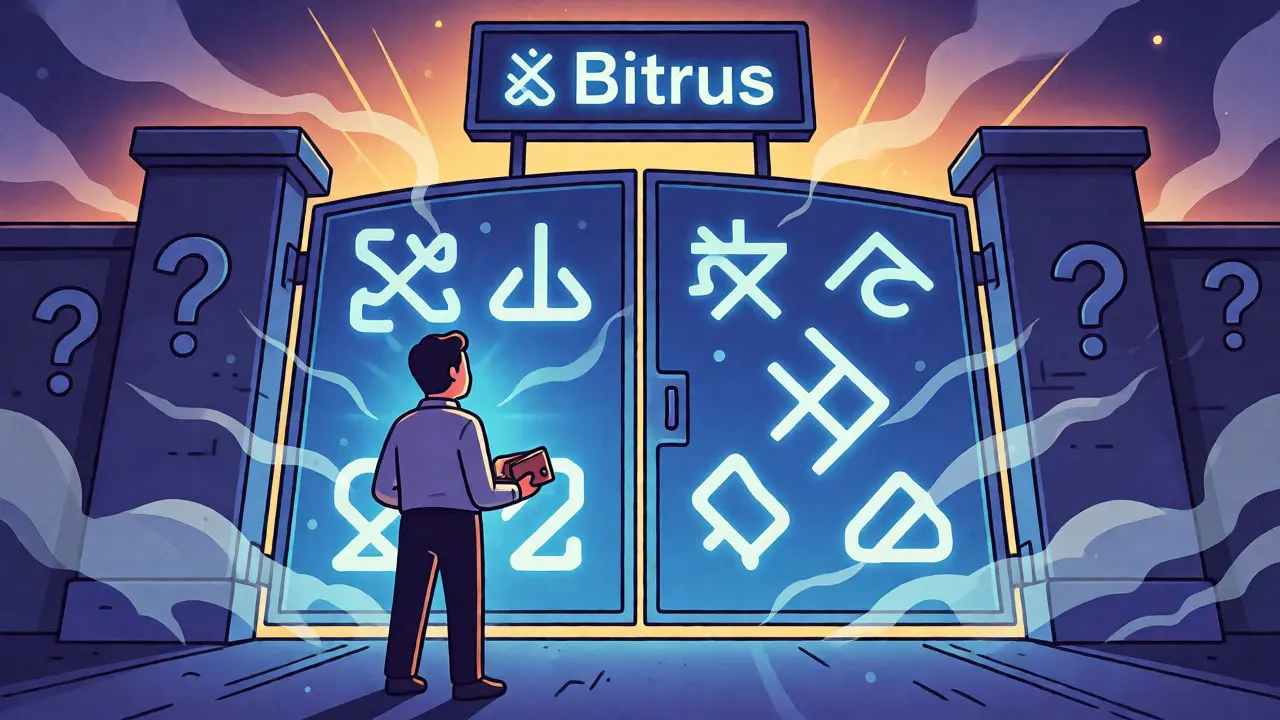

So, you've stumbled upon Bitrus and are wondering if it's the next big thing or just another ghost town in the crypto desert. Here is the hard truth right off the bat: as of late 2026, Bitrus isn't really an exchange you can trade on yet. It’s a website with a waitlist button and a lot of questions. If you’re looking for charts, order books, or withdrawal proofs, you won’t find them here. Instead, you’ll find a landing page promising "early access" and a native token called BTRS. But should you put your money into a platform that hasn’t even opened its doors? Let’s break down what we actually know versus what is still hidden in the shadows.
The Current State of Bitrus
Most established exchanges like Coinbase or Kraken have years of trading history, millions of users, and public audits. Bitrus has none of that. The official site at bitrus.com currently functions mostly as a lead-generation tool. You sign up, you get on a list, and you wait. There is no live trading interface, no API documentation for developers, and no clear launch date. This puts it squarely in the pre-launch phase, which is a high-risk zone for any investor. Without a working product, there is no way to test the user experience, check the liquidity depth, or verify if the backend infrastructure can handle real market pressure.
The lack of transparency extends to the team behind the project. Who built Bitrus? Where are they based? Are they experienced fintech veterans or new entrants learning on the job? These answers aren’t published on the site. In the crypto world, anonymity or vague team structures often raise red flags, especially when combined with a token launch before the product is ready. You aren’t just buying into a tech stack; you’re buying into trust. Right now, Bitrus asks for that trust without giving much proof in return.
Understanding the BTRS Token
The core of the Bitrus ecosystem seems to revolve around its native asset, BTRS. While ICOholder lists this token as part of the platform’s structure, detailed tokenomics are scarce. Usually, exchange tokens serve specific purposes: fee discounts, governance rights, or staking rewards. Does BTRS offer all three? We don’t know. Is there a fixed supply or is it inflationary? Still unclear. Without a whitepaper detailing distribution schedules, vesting periods, or utility mechanisms, evaluating the token’s potential value is nearly impossible.
Think about it this way: if you buy a stock but don’t know how many shares exist or who owns them, you’re gambling, not investing. The same logic applies here. Until Bitrus publishes a comprehensive whitepaper explaining exactly how BTRS fits into their OTC (Over-The-Counter) trading vision, treat the token as highly speculative. Don’t let the buzzword "OTC capabilities" fool you into thinking this is a professional-grade institutional platform yet. That feature set needs to be demonstrated, not just promised.
Security and Regulatory Risks
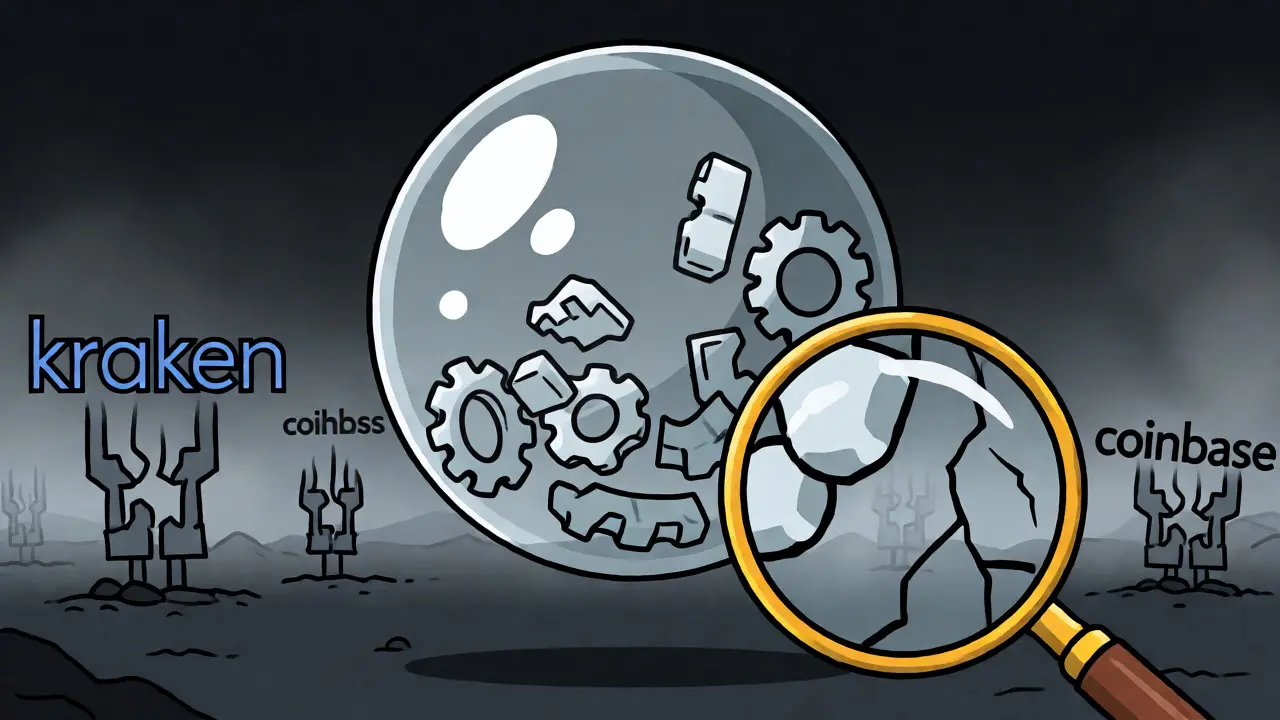
Security is the number one concern for any crypto holder. Established exchanges invest heavily in cold storage, multi-signature wallets, and third-party audits. They display badges from firms like McAfee or NSFOCUS. Bitrus? Silence. There are no mentions of custody solutions, insurance policies for user funds, or independent security audits. If the platform goes live tomorrow and gets hacked, where does your money go? With no regulatory licenses disclosed-such as those from the FCA, SEC, or MAS-you have little legal recourse if things go wrong.
| Feature | Bitrus | Established Exchanges (e.g., Kraken) |
|---|---|---|
| Launch Status | Waitlist / Pre-launch | Live & Operational |
| Regulatory Licenses | Undisclosed | Multiple Jurisdictions |
| Security Audits | None Public | Regular Third-Party Audits |
| User Reviews | N/A | Thousands on Trustpilot |
| Supported Assets | Unknown | 100+ Cryptocurrencies |
This comparison highlights the gap. When you compare Bitrus to competitors like Bitrue or Bittrex Global, the difference in maturity is stark. Bitrue, for instance, has documented certifications and over a million app downloads. Bittrex, despite its recent liquidation issues, had a long operational history. Bitrus starts from zero. For risk-averse investors, this uncertainty is a dealbreaker. For degens chasing early gains, it might look like an opportunity, but the odds are stacked against you.
Community Feedback and Market Presence
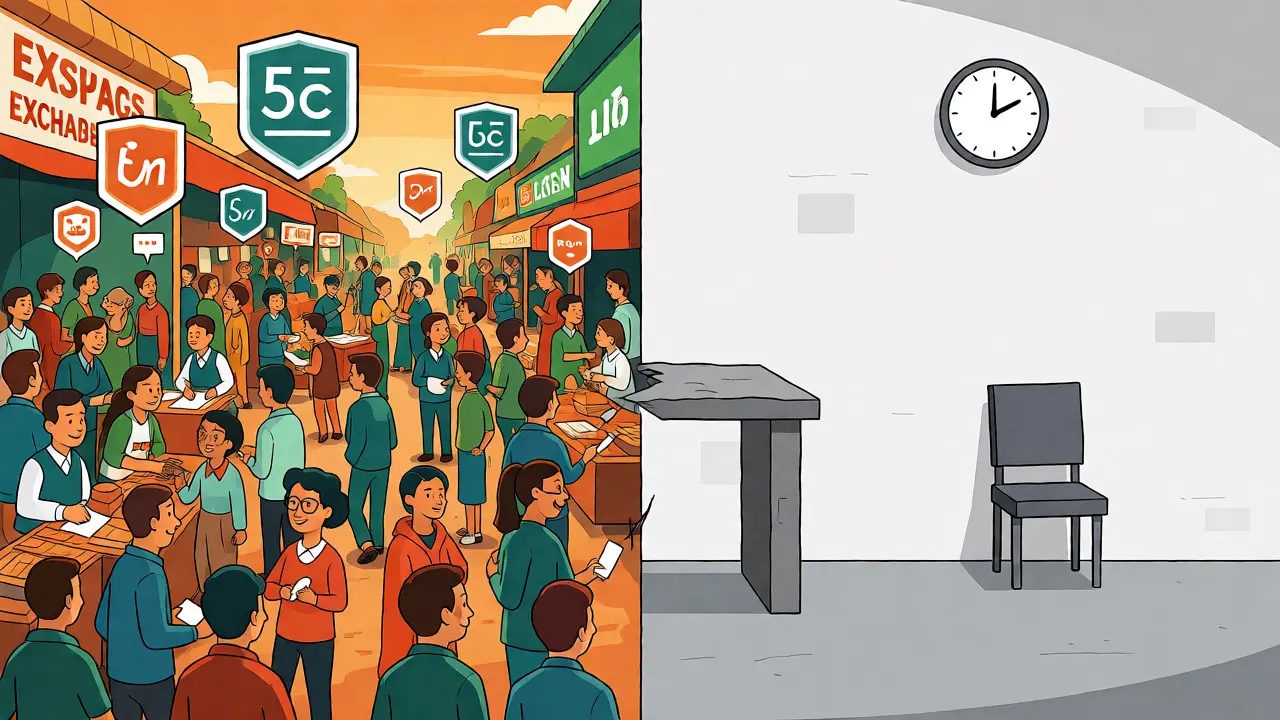
You’d think a new exchange would have a buzzing community on Reddit or Twitter by now. Surprisingly, Bitrus has almost no footprint on major social platforms. Search for "Bitrus crypto" on Trustpilot, and you’ll likely find nothing. No YouTube reviews, no influencer shoutouts, no forum debates. This absence of organic chatter suggests two possibilities: either the marketing budget is non-existent, or the user base is too small to generate noise. Neither scenario inspires confidence.
In contrast, successful launches usually come with a wave of beta testers sharing screenshots, complaints about bugs, and praise for features. That feedback loop is crucial for refining the product. Without it, Bitrus is flying blind. When they do launch, early adopters will essentially be unpaid QA testers. Will the support team be responsive? Will withdrawals process smoothly? These are critical questions that remain unanswered because no one has actually used the platform yet.
Should You Wait or Join the Waitlist?
Joining the waitlist costs nothing but your email address, so there’s no harm in signing up if you’re curious. However, committing capital to the BTRS token or planning to move significant assets to Bitrus requires caution. My advice? Hold off until they publish a whitepaper, announce a launch date, and secure at least one reputable regulatory license. Watch for independent audits of their smart contracts and custody systems. If they skip these steps and rush to market, consider walking away.
The crypto industry is littered with projects that looked promising on paper but failed in execution. Bitrus needs to prove it can deliver more than just a sleek landing page. Keep an eye on their official channels for updates, but maintain a healthy skepticism. Until you see real trading volume and hear from real users, Bitrus remains a concept, not a commodity.
Is Bitrus a scam?
There is no evidence labeling Bitrus as a scam, but it lacks the transparency and operational history required to confirm legitimacy. It appears to be a pre-launch project with limited information available.
Can I trade on Bitrus right now?
No, Bitrus is currently in a waitlist stage. There is no active trading interface or public market data available for users to trade cryptocurrencies.
What is the BTRS token?
BTRS is the native token associated with the Bitrus platform. Its specific utility, supply, and distribution details are not fully documented in public sources.
Does Bitrus have regulatory licenses?
As of the latest updates, Bitrus has not publicly disclosed any regulatory licenses or compliance frameworks, which is a significant gap compared to regulated exchanges.
How does Bitrus compare to Bitrue?
Bitrue is an established exchange with millions of users, verified security, and extensive asset support. Bitrus is a newer, unproven platform with no operational history, making Bitrue a safer bet for most traders.