Crypto Migration: Why Users Switch Blockchains and What It Means for You
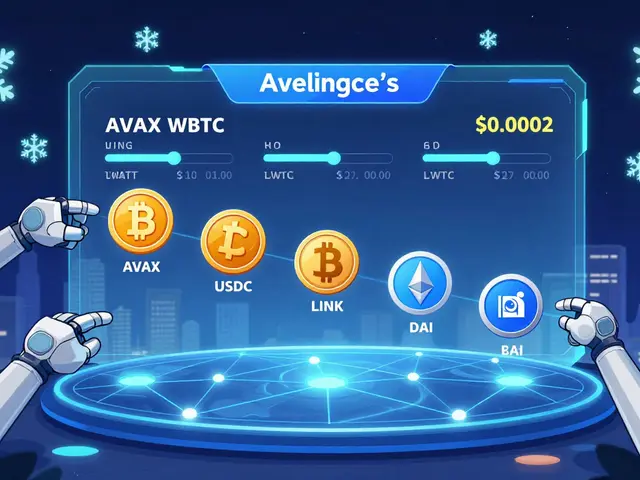
When you hear crypto migration, the process of moving digital assets from one blockchain network to another. Also known as blockchain switch, it’s not just a technical move—it’s a survival tactic for users tired of high fees, slow transactions, or broken protocols. People aren’t just hopping chains for fun. They’re fleeing networks that cost $50 to send $10, or platforms that got hacked, or tokens that lost all liquidity. And they’re not alone. In 2024, over 12 million wallets migrated from Ethereum to Layer 2s or alternative chains like Solana and Polygon, according to on-chain data from blockchain analysts.
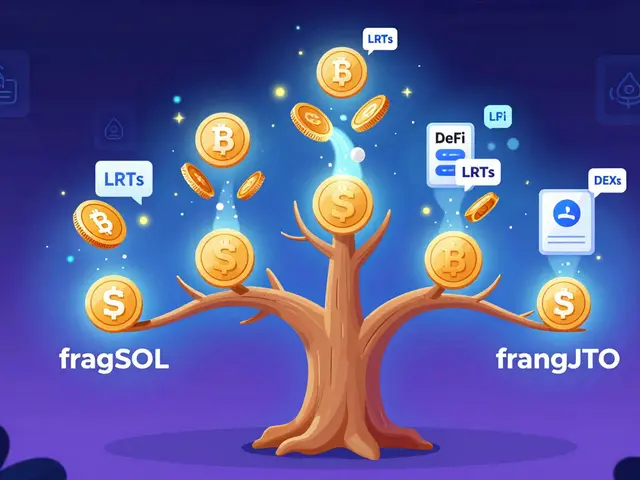
This shift is driven by three things: cost, control, and capability. cross-chain transfer, the technical method used to move crypto between blockchains is the engine behind it. But it’s also the biggest risk. Bridges like the one exploited in the $600M Ronin hack show how easily bad actors can trick users into trusting fake pathways. Meanwhile, wallet migration, the act of moving funds and keys from one wallet system to another is often overlooked. Many users think they’re just swapping tokens, but they’re actually rebuilding their entire digital identity—relinking dApps, reapproving allowances, and relearning how to interact with new interfaces. And DeFi migration, the movement of liquidity and staking positions from one protocol to another? That’s where the real money lives. When Juicebox died and users pulled out, they didn’t just cash out—they moved their entire funding strategy to newer, more transparent platforms like DAOhaus or MetaDAO.
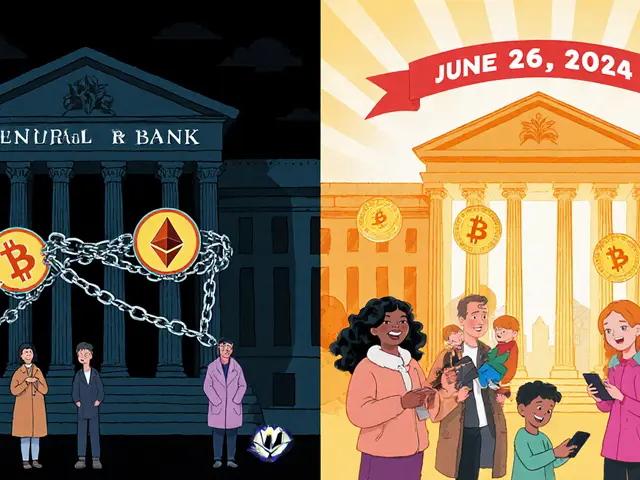
What you’ll find below isn’t a list of tutorials on how to migrate. It’s a collection of real stories—what went wrong, what worked, and what got ignored. From the collapse of FTX Turkey to the rise of THORChain’s native swaps, from the scammy ZappyPay imposter to the quiet death of LifeTime (LFT), these posts show you the hidden traps and quiet wins in today’s shifting crypto landscape. You’ll see how North Korea exploits weak bridges, how Bolivia’s legal flip changed migration patterns, and why a simple token swap can cost you more than you think. This isn’t theory. It’s what’s happening right now, to real people, with real money. And if you’re thinking about moving your crypto, you need to know what’s already broken—and what’s still standing.
What Is Quantum-Resistant Cryptography and Why It Matters Now
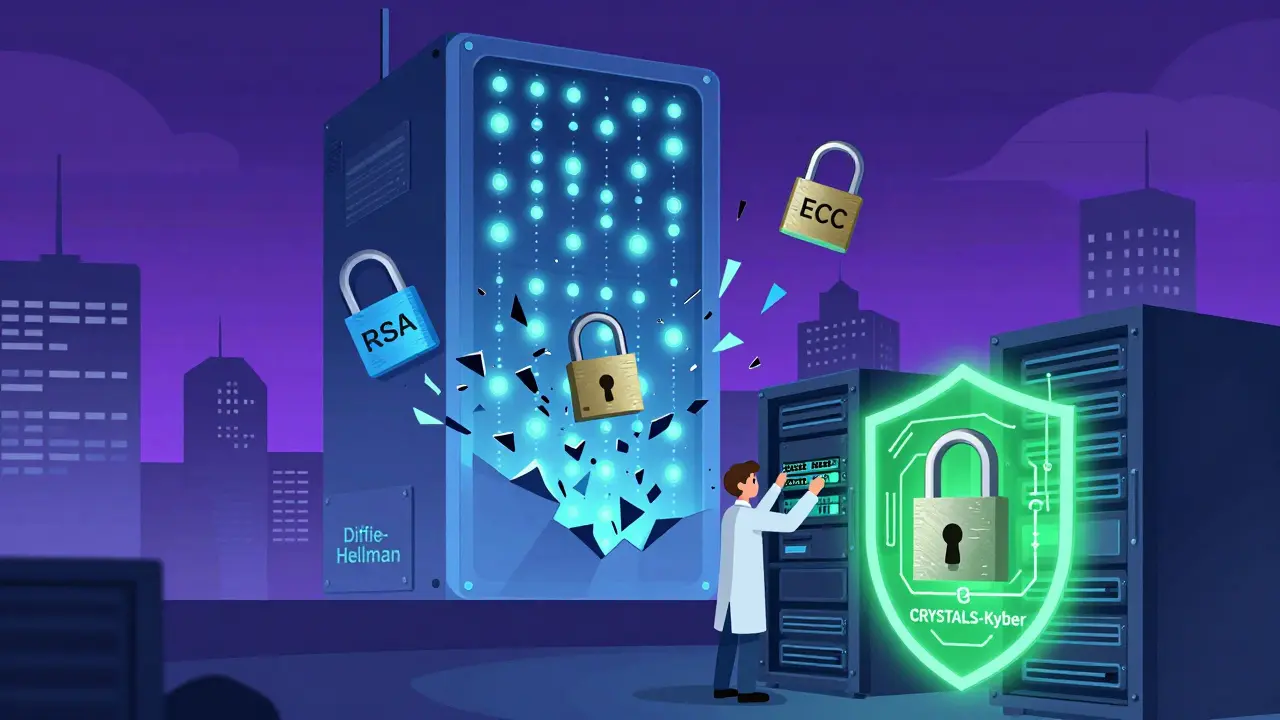

Quantum-resistant cryptography is the next generation of encryption designed to protect data from future quantum computer attacks. Learn how it works, why it matters now, and what you should do before 2030.