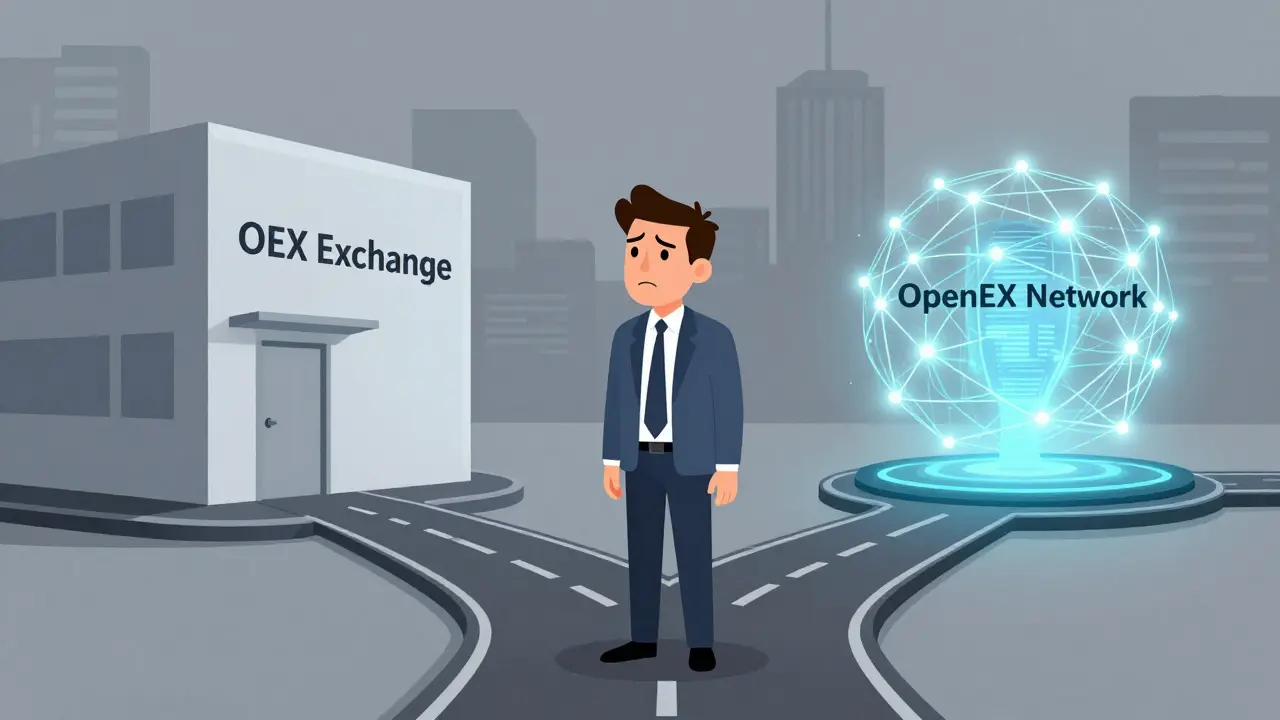

Confusion is the first thing you will encounter when looking for information about OEX. The term refers to two completely different entities in the cryptocurrency space: an international centralized trading platform and the native utility token of the OpenEX Network. If you are here to buy or trade, you need to know exactly which one you are dealing with. Mixing them up can lead to wasted time, unexpected fees, or even lost funds. This review breaks down both the OEX exchange platform and the OEX token so you can make a smart decision before committing your capital.
The landscape of crypto exchanges is crowded. You have giants like Binance and Coinbase dominating the headlines. Then you have newer platforms trying to carve out a niche with promises of simplicity and lower costs. OEX fits into this second category. But does it deliver on its promises? Let's look at the facts, the missing pieces, and what that means for your wallet.
The OEX Exchange Platform: Simplicity vs. Transparency
The OEX cryptocurrency exchange markets itself as a user-friendly hub for both beginners and seasoned traders. The core value proposition is ease of use. If you find complex charting interfaces overwhelming, OEX aims to provide a streamlined experience where buying, selling, and trading digital currencies feels straightforward. It supports a wide range of cryptocurrencies and offers advanced features like margin trading and various order types for those who want more control over their entries and exits.
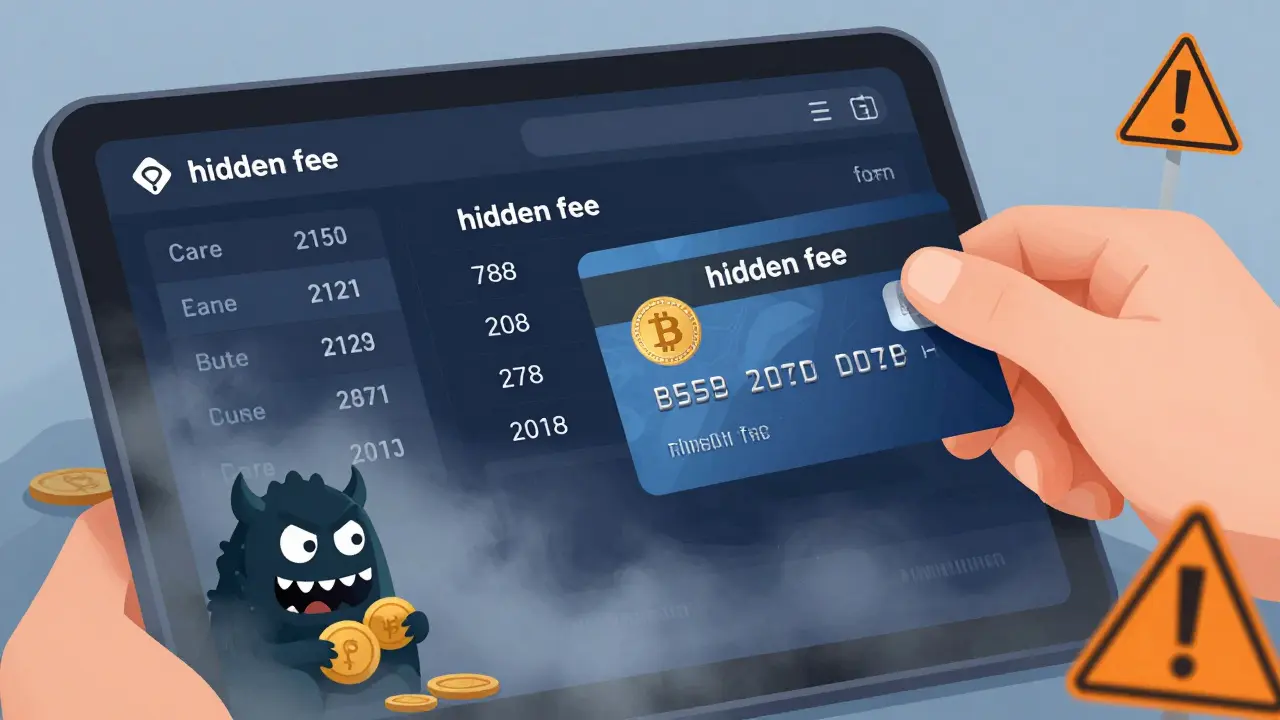
However, the biggest red flag for any serious investor is transparency. Or rather, the lack of it. While the platform advertises a flat trading fee of 0.20%, which is technically lower than the industry average of roughly 0.25%, the fine print is notably absent. There is no public disclosure of withdrawal fees or supported deposit methods. Imagine walking into a restaurant where the menu lists the price of the burger but stays silent on the cost of delivery or the service charge. That is the current state of OEX’s fee structure. For high-volume traders, hidden withdrawal fees can quickly eat into profits, making the attractive 0.20% trading fee less impressive.
| Feature | OEX Exchange | Industry Standard (e.g., Binance, Kraken) |
|---|---|---|
| Trading Fee | Flat 0.20% | Tiered, often starting at 0.10% - 0.25% |
| Withdrawal Fees | Not publicly disclosed | Clearly listed per asset |
| Deposit Methods | Limited public info | Credit card, Bank transfer, P2P, Crypto |
| User Interface | Simplified, beginner-focused | Complex, feature-rich |
| Regulatory Info | Limited documentation | Detailed compliance pages |
Security Measures: What We Know and What We Don't
When you put money on an exchange, security is non-negotiable. OEX claims to employ multi-layered protection systems. The most critical aspect mentioned is cold storage. This means the majority of user funds are kept offline, away from internet-connected servers that are vulnerable to hacking. This is a standard best practice among reputable exchanges. Additionally, the platform mandates two-factor authentication (2FA) for account access, adding a necessary layer of defense against unauthorized logins.
But here is where you need to be cautious. Major competitors like Coinbase or Kraken publish detailed security audit reports, regulatory registration numbers, and proof of reserves. OEX lacks this level of public scrutiny. Without third-party audits or clear regulatory compliance statements, you are relying entirely on the platform’s word regarding its security infrastructure. In the crypto world, trust is good, but verification is essential. The absence of detailed security documentation is a significant disadvantage compared to established players.
The OEX Token: Powering the OpenEX Network
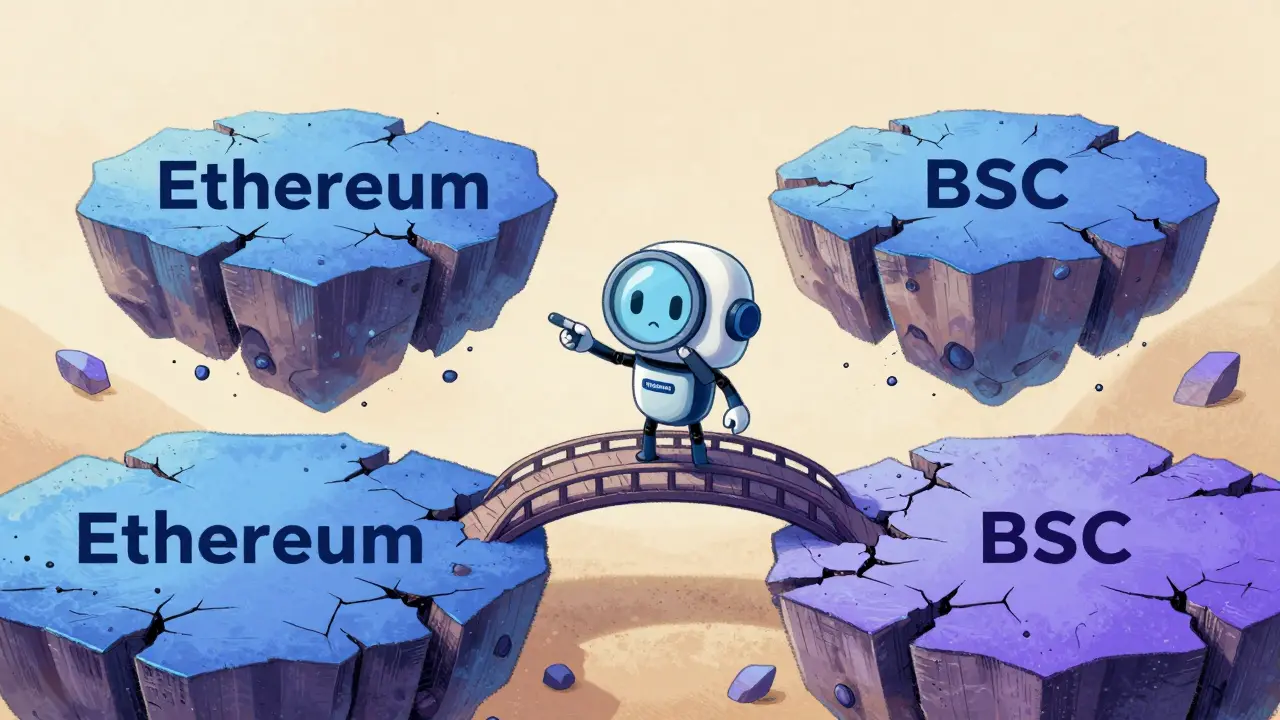
Now, let’s switch gears to the other "OEX". The OEX token is the native currency of the OpenEX Network, a Web3 platform built on Layer 2 blockchain technology designed for fast, secure, and cross-chain digital asset exchange. This is not just a coin; it is a utility token intended to facilitate transactions within this specific ecosystem. The network leverages Uni-Layer2 chains and integrates artificial intelligence to enable seamless transfers across multiple blockchains. Think of it as a bridge that allows assets from Ethereum to talk to assets on other networks without the usual delays and high gas fees.
As of mid-2025, the OEX token has shown significant volatility. It traded around $0.0015, swinging between a yearly low of $0.0009 and a high of $0.0042. That is a massive spread, indicating a highly speculative asset. The token’s primary use case involves cross-chain trading and participating in the decentralized governance of the network. Users can vote on proposals, shaping the future of the platform. This aligns with the broader Web3 trend of community-driven development.
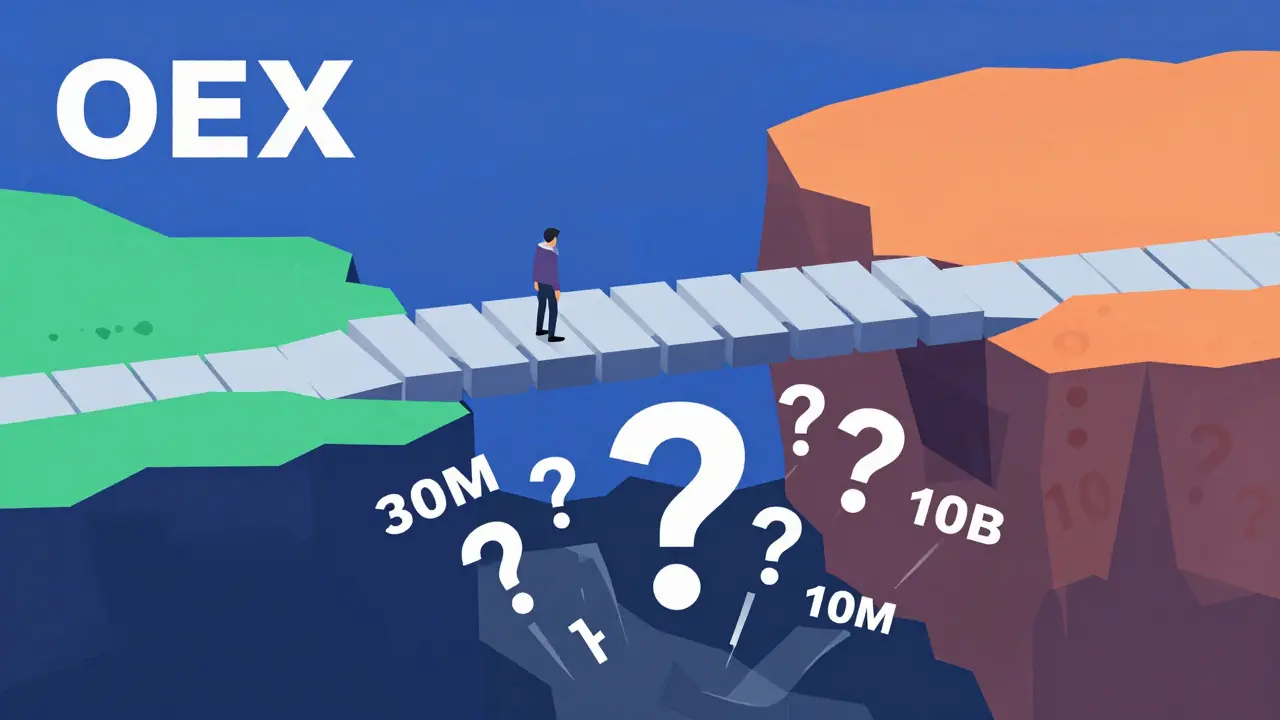
However, there is a glaring issue with the OEX token’s fundamentals: contradictory supply data. Some sources claim a total supply of 30 million tokens, while others state 10 billion. In finance, accuracy is key. When basic metrics like supply are disputed, it raises questions about the project’s documentation and transparency. Before investing in the OEX token, you must verify the current circulating supply on a reliable blockchain explorer, as this directly impacts scarcity and potential value.
User Experience and Community Sentiment
If you are looking for a flood of reviews on Trustpilot or Reddit threads praising OEX, you will likely come up empty-handed. The lack of substantial user feedback is a double-edged sword. On one hand, it means fewer horror stories about frozen accounts. On the other hand, it means there is no peer validation of the platform’s reliability. New users often rely on the experiences of others to gauge risk. With OEX, you are essentially early adopters testing the waters.
The OpenEX Network, conversely, maintains an active presence on social media channels like Twitter and Telegram. This suggests a dedicated team working on marketing and community engagement. However, social media activity does not always translate to technical stability or user satisfaction. The mobile-first approach of the OpenEX Network is promising for accessibility, but the complexity of navigating decentralized exchanges (DEXs) remains a barrier for many novice users. Unlike centralized exchanges where customer support can help reset a password, DeFi interactions require users to manage their own private keys and understand transaction signatures.
Market Positioning and Future Outlook
In a market dominated by institutional-grade platforms, OEX’s strategy of simplicity and competitive trading fees is a valid attempt to capture market share. It appeals to traders who are frustrated by the steep learning curve of major exchanges. Similarly, the OpenEX Network taps into the growing demand for Layer 2 solutions and cross-chain interoperability, competing with heavyweights like Polygon and Arbitrum.
For the OEX exchange to succeed long-term, it must address its transparency gaps. Publishing clear fee schedules, deposit options, and security audits is not optional; it is required to build trust. For the OpenEX Network, resolving the supply discrepancy and providing verified smart contract audits will be crucial. The future of both entities depends on their ability to evolve from promising concepts into transparent, reliable services. As regulations tighten globally, platforms that operate in the shadows may find themselves struggling to survive.
Practical Tips for Using OEX
- Start Small: If you decide to try the OEX exchange, begin with a small amount you can afford to lose. Test the deposit and withdrawal processes thoroughly before moving significant funds.
- Verify Token Details: For the OEX token, always check the latest contract address and supply data on a blockchain explorer like Etherscan or BscScan. Do not rely solely on marketing materials.
- Enable 2FA Immediately: Regardless of the platform’s security claims, always activate two-factor authentication on your account. Use an authenticator app, not SMS, for better security.
- Monitor Liquidity: Be aware that the OEX token may have low liquidity on some decentralized exchanges. This can lead to slippage, where you get less token than expected due to large price impacts from your trade.
- Stay Updated: Follow official channels for announcements. Given the limited public information, direct communication from the team is your best source for updates on new features or policy changes.
Is OEX exchange safe to use?
Safety is relative. OEX uses cold storage and requires 2FA, which are positive steps. However, it lacks public security audits and detailed regulatory compliance information compared to major exchanges. This increases the risk profile. Always exercise caution and never store large amounts of crypto on any exchange long-term.
What are the fees on OEX exchange?
The trading fee is a flat 0.20%. However, withdrawal fees and deposit method costs are not publicly disclosed. This lack of transparency means you could face unexpected charges when moving funds off the platform. Compare this carefully with exchanges that list all fees upfront.
What is the difference between OEX exchange and OEX token?
They are separate entities. The OEX exchange is a centralized platform for trading various cryptocurrencies. The OEX token is the native utility coin of the OpenEX Network, a Layer 2 blockchain solution focused on cross-chain transactions and decentralized governance. One is a service provider; the other is a digital asset within a specific ecosystem.
Why is there conflicting information about OEX token supply?
Sources vary widely, citing either 30 million or 10 billion total supply. This discrepancy highlights a lack of standardized, verified documentation. Investors should check real-time data on blockchain explorers to determine the accurate circulating supply, as this affects the token's valuation and scarcity.
Can I use fiat currency to buy OEX token?
Direct fiat purchases are unlikely for the OEX token itself, as it is a utility token on a decentralized network. Typically, you would need to buy a base currency like ETH or USDT on a centralized exchange and then swap it for OEX on a decentralized exchange (DEX). The OEX exchange platform may offer fiat on-ramps for general trading, but details are currently limited.

Comments (7)

- ravi mahla
- June 10, 2026 AT 23:24 PM
Wow, another exchange promising the moon while hiding the fees in the fine print. Classic move. I tried signing up just to see if their 'simplified' interface was actually usable or just a trap for noobs. The UI is clean, sure, but where are the withdrawal limits? Where is the proof of reserves? It feels like walking into a casino that doesn't show you the odds.
Also, this confusion between the exchange and the token is hilarious. Like naming your dog 'Spot' and then also naming your car 'Spot'. Just confusing on purpose so people don't notice the lack of audits. Stay away until they publish real data.

- Mark Brunschwiler
- June 12, 2026 AT 13:03 PM
I feel a deep sadness when I read posts like this. People are so eager to trust these new platforms because they look shiny. But the truth is, we are all just pawns in a larger game. The OEX token supply discrepancy isn't an accident; it's a feature of the system designed to keep us guessing. When you lose money, who do you blame? Yourself for not reading the contract? Or the platform for lying about the supply? It breaks my heart to see beginners get burned by greed disguised as innovation. We need more empathy in crypto, less speculation.

- Sonya O'Brien
- June 12, 2026 AT 14:43 PM
I have to say that I really appreciate the thoroughness of this review because it highlights exactly why transparency is such a crucial component of any financial platform, especially in the volatile world of cryptocurrency where users are often left vulnerable to hidden fees and unclear security protocols which can lead to significant financial loss over time. While the flat 0.20% trading fee does sound appealing on the surface compared to the tiered structures of larger exchanges like Binance, the absence of publicly disclosed withdrawal fees is genuinely concerning for anyone looking to execute high-volume trades or simply move their funds out of the platform without incurring unexpected costs that could erode their profits significantly. Furthermore, the distinction between the centralized exchange and the OpenEX Network token is vital for investors to understand clearly, as conflating the two could result in purchasing assets with vastly different risk profiles and utility cases, thereby complicating portfolio management and potentially leading to misguided investment decisions based on incomplete information regarding the actual nature of the asset being acquired. It is also worth noting that the lack of substantial user feedback on major review sites creates a vacuum of peer validation, forcing new users to rely heavily on marketing materials rather than community consensus, which is a precarious position to be in given the history of rug pulls and failed projects in the Web3 space.

- Filbert Reeves
- June 13, 2026 AT 03:16 AM
typo alert: its obvious this is a front for some shadowy group trying to wash money through layer 2 tech. nobody believes the supply is 30m vs 10billion. its a psyop. i checked the blockchain myself and the contracts are obfuscated. they dont want u to know where the money goes. cold storage? please. its all hot wallets connected to offshore servers. dont fall for the hype machine. they are watching u right now. stay off grid.

- Nick Rice
- June 13, 2026 AT 15:58 PM
Look, I get the skepticism, but let's cut the noise. If you're going to trade, do your homework. The 0.20% fee is competitive, yes, but if you can't find the withdrawal fees on their site, you're doing it wrong. Check their Telegram, check their docs. Stop whining about 'hidden risks' and start verifying. That said, the lack of audits is a red flag I won't ignore. I'm keeping my main stack on Kraken until OEX proves itself. Don't put life savings on a platform that hasn't earned trust yet. Simple as that.

- Amit Thakur
- June 15, 2026 AT 02:30 AM
Bro, the slippage on OEX token is insane right now. I tried swapping USDT for OEX on Uniswap and lost 15% due to low liquidity. This is what happens when you ignore order book depth. You need to monitor the TVL (Total Value Locked) before entering. Also, the smart contract hasn't been audited by CertiK or SlowMist, which is a massive security gap for a Layer 2 solution. The MEV bots are eating alive here. Educate yourself on gas optimization and sandwich attacks before dipping your toes in. It's not just about the price, it's about the infrastructure integrity. Wake up!

- Eric Scheinberg
- June 15, 2026 AT 11:45 AM
The analysis provided herein is quite accurate regarding the regulatory ambiguities surrounding the OEX platform. It is imperative that potential investors recognize the disparity between the advertised simplicity and the operational opacity. Until comprehensive third-party audits are published and regulatory compliance is explicitly detailed, prudent capital allocation suggests avoiding significant exposure to this entity.