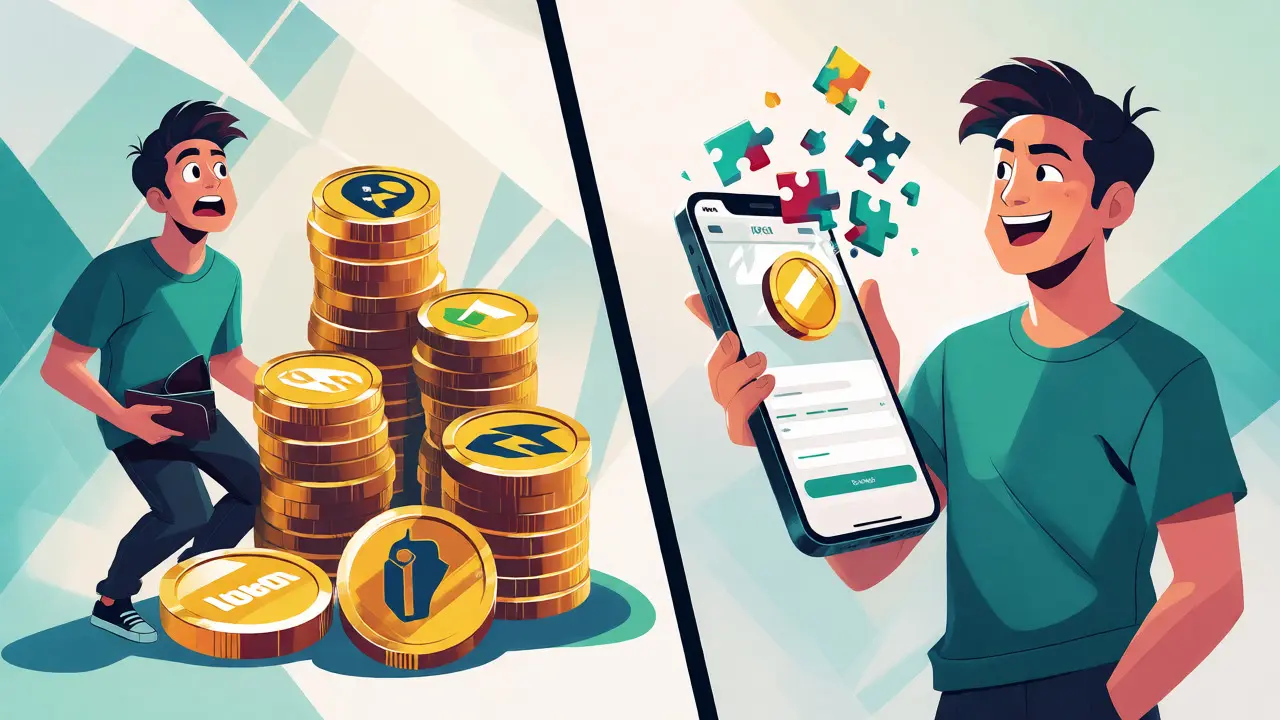

Buying a single Paris Saint-Germain fan token used to mean spending over $10 just to get in the game. For casual sports fans with small budgets, that barrier was real. KAYEN Protocol is a community-driven, non-custodial decentralized exchange built specifically for Chiliz Chain, and it changes that math entirely. Launched in August 2024, this platform lets you buy fractions of high-value tokens without handing your crypto keys to a centralized broker. But does a niche exchange on a specialized blockchain actually deliver the security and liquidity you need? We dug into the data, user feedback, and technical specs to find out if KAYEN belongs in your portfolio or if it's just another hype cycle.
The Core Problem KAYEN Solves
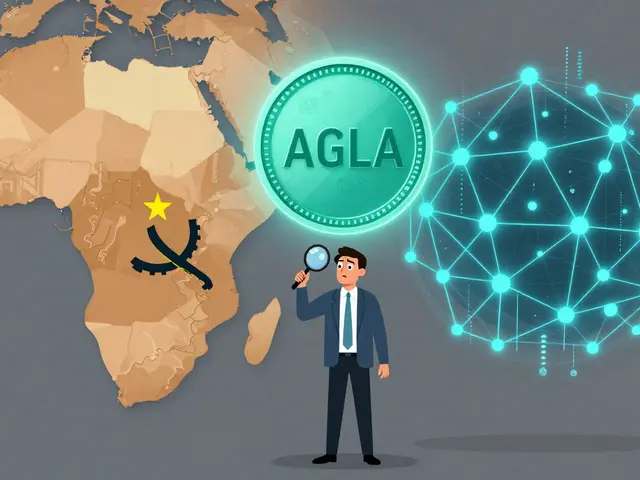
Chiliz Chain dominates the sports blockchain sector, but before KAYEN, trading its assets felt fragmented. You had centralized exchanges like Socios.com (which isn't really an exchange) and general-purpose DEXs that didn't understand the unique structure of Fan Tokens. Fan Tokens are digital assets representing voting rights and rewards for sports teams, often with high unit prices that limit accessibility. KAYEN stepped in to bridge this gap. It’s not trying to be the next Uniswap; it’s trying to be the best place to trade PSG, Juventus, or Manchester City tokens using self-custody wallets.
The protocol operates as a fully non-custodial system. This means when you swap tokens, they never leave your MetaMask or TrustWallet. You keep your private keys. For many users burned by FTX or Celsius, this control is worth more than any yield farming opportunity. The platform handles bridging, swapping, wrapping, and liquidity provision all in one interface, reducing the friction that usually comes with moving assets between different DeFi protocols on Chiliz Chain.
How KAYEN’s Dual AMM System Works
Most decentralized exchanges use a constant product formula (like x*y=k). It’s simple, but it wastes capital when prices move wildly-which Fan Tokens do constantly. KAYEN uses a dual Automated Market Maker (AMM) architecture. This setup supports both traditional constant product pools and concentrated liquidity positions, similar to Uniswap V3 but optimized for Chiliz Chain’s Proof-of-Authority consensus.
Why does this matter? Concentrated liquidity allows market makers to provide funds only within specific price ranges where trades actually happen. According to analysis from 101 Crypto, this approach improves capital efficiency by roughly 18% compared to standard AMMs for volatile assets. In plain English: better pricing for you, less slippage on large orders, and higher fees for liquidity providers who manage their positions actively.
Another critical feature is the wrapping mechanism. Many Fan Tokens have high individual values, making them hard to trade in small amounts. KAYEN creates wrapped versions of these tokens pegged 1:1 to the original value. You can buy 0.25 of a Barcelona token instead of needing to afford a whole one. These wrapped tokens are fully redeemable at any time, maintaining the link to the underlying asset while enabling fractional trading.
Performance Metrics and User Experience
Speed and cost are where KAYEN shines against Ethereum-based competitors. Because it runs on Chiliz Chain, transaction confirmation times average just 3.2 seconds. Compare that to Ethereum mainnet, which can take minutes during congestion. Gas fees are equally attractive: the average transaction costs about $0.02 paid in CHZ (Chiliz Chain’s native token). On Uniswap, that same swap might cost $1.25 or more depending on network congestion.
User experience gets mixed reviews, though mostly positive. Early adopters praise the intuitive interface designed specifically for fan token traders. A Reddit user noted that the wrapping feature let them buy fractional PSG tokens for the first time, calling it a "game changer for small investors." However, there is a learning curve. About 31% of new users reported confusion about how wrapping works initially. KAYEN responded by adding an interactive tutorial system, which reportedly reduced confusion by 63% in internal testing.
Support quality sits at 3.8/5 based on Trustpilot reviews. The documentation is comprehensive but leans technical, which might frustrate beginners. The Discord community is active with over 12,500 members and regular AMAs, providing a good fallback if you get stuck. Just don’t expect 24/7 live chat support like you’d get on Coinbase.
Liquidity and Token Selection Limitations
Here is the biggest catch: KAYEN is exclusive. It only supports assets on Chiliz Chain. If you want to trade Bitcoin, Ethereum, or Solana, you need a different platform. At launch, there were only 42 active liquidity pools compared to Uniswap’s 250,000+ across all chains. While this number has grown, it remains a fraction of major DEXs.
This narrow focus means lower liquidity depth for some pairs. If you’re trading obscure Fan Tokens, you might face higher slippage or longer wait times for order execution. KAYEN captured 37% of Chiliz Chain’s DEX volume in its first two weeks, proving demand exists. But that represents just 0.08% of the overall global DEX market. You aren’t going to diversify your entire crypto portfolio here; this is a specialized tool for sports enthusiasts.
| Feature | KAYEN Protocol | Uniswap (Chiliz Integration) | Socios.com (Centralized) |
|---|---|---|---|
| Custody Model | Non-Custodial (Self-Keys) | Non-Custodial | Custodial (Platform Holds Keys) |
| Fan Token Wrapping | Yes (Native Feature) | No | N/A (Fixed Prices) |
| Avg. Transaction Fee | ~$0.02 (in CHZ) | Variable (Gas Dependent) | Spread + Withdrawal Fees |
| Asset Variety | Chiliz Ecosystem Only | EVM Compatible Assets | Partner Teams Only |
| Security Audits | Limited Public Disclosure | Multiple Independent Audits | Standard Centralized Compliance |
Security Concerns and Transparency
Security is the elephant in the room. Unlike established giants like Kraken or even Uniswap, KAYEN lacks widely publicized, independent third-party audit reports. Blockchain Security Group’s CTO Mark Johnson flagged this as a concern, stating that "any DEX without multiple independent security audits is playing with fire." As a non-custodial protocol, the risk shifts to smart contract vulnerabilities rather than exchange insolvency, but bugs still happen.
The protocol benefits from Chiliz Chain’s infrastructure, which includes 24/7 monitoring and regular assessments. However, relying on the chain’s security doesn’t guarantee the application layer is bug-free. Users should treat early-stage DeFi protocols with caution. Start with small amounts until you trust the system. The absence of margin trading or complex derivatives reduces some attack vectors, but it also limits functionality for advanced traders.

Who Should Use KAYEN?
KAYEN is ideal for three types of users:
- Casual Sports Fans: Those who want to own a piece of their favorite team without paying premium prices or trusting a centralized custodian.
- CHZ Holders: Investors already holding Chiliz tokens who want to earn yield by providing liquidity without leaving the ecosystem.
- DeFi Beginners: Users comfortable with MetaMask who want a simpler entry point into decentralized trading than navigating Ethereum gas wars.
It’s not for you if you need cross-chain swaps beyond Chiliz, require advanced order types like stop-losses, or plan to trade major cryptocurrencies alongside your fan tokens. The roadmap includes cross-chain bridging to Ethereum and Polygon scheduled for late 2024, which could change this limitation, but for now, it’s a walled garden.
Future Outlook and Roadmap
The SportFi sector is growing fast, projected to reach $3.8 billion by 2026 according to Messari. KAYEN is positioned to capture a significant slice of this growth if it maintains its first-mover advantage on Chiliz Chain. Recent updates have improved gas optimization and launched a Launchpad for community projects. Future plans include a V2 AMM with dynamic fee tiers and integration with Chiliz Chain 2.0.
Long-term viability depends on two factors: expanding liquidity and improving security transparency. If KAYEN publishes rigorous audit reports and attracts more institutional liquidity, it could become the default gateway for sports tokens. If it stays opaque and illiquid, it risks becoming a ghost town once the initial hype fades.
Is KAYEN Protocol safe to use?
KAYEN is non-custodial, meaning you retain control of your private keys, which eliminates counterparty risk associated with centralized exchanges. However, it currently lacks publicly disclosed independent security audits for its smart contracts. Users should exercise caution, start with small amounts, and monitor official announcements for future audit releases.
Can I trade Bitcoin or Ethereum on KAYEN?
No, KAYEN exclusively supports assets on Chiliz Chain. You cannot directly trade Bitcoin or Ethereum unless they are bridged and wrapped into Chiliz-compatible formats, which may involve additional steps and fees outside the KAYEN interface itself.
What are the fees on KAYEN Protocol?
Trading fees vary by pool but generally range from 0.1% to 0.3%. Network gas fees are significantly lower than Ethereum, averaging around $0.02 per transaction, paid in CHZ tokens. There are no deposit or withdrawal fees charged by the protocol itself, though external bridges may have their own costs.
How does the wrapping feature work?
Wrapping converts high-value Fan Tokens into smaller, tradable units pegged 1:1 to the original token's value. This allows users to buy fractions of expensive tokens. Wrapped tokens can be unwrapped back to the original asset at any time through the KAYEN interface, maintaining full redemption rights.
Does KAYEN offer staking or yield farming?
Yes, users can provide liquidity to pools to earn trading fees. Specific yield farming programs and incentive campaigns are periodically launched via the KAYEN Launchpad and community governance proposals, rewarding LPs with additional CHZ or partner tokens.