
Have you seen the rumors swirling about a massive CMC x BIRD airdrop? You are not alone. Social media feeds and Telegram groups have been buzzing with claims that CoinMarketCap (CMC) is partnering with Bird Finance on the HECO Chain to distribute free tokens. It sounds like the kind of opportunity every crypto holder dreams of: a partnership with a major data aggregator and a chance to get in early on a new token.
But here is the hard truth: there is no such thing as a legitimate CMC x BIRD airdrop. This is a classic case of confusion mixed with potential deception. After digging through contract addresses, historical data, and community feedback, it becomes clear that this "opportunity" is likely a trap designed to drain your wallet or steal your private keys. Before you connect your wallet to any suspicious site, let’s break down exactly what is happening behind the scenes.
The Myth of the CMC Partnership
CoinMarketCap is one of the most trusted names in cryptocurrency data. Because of its reputation, scammers love to use its name to lend credibility to fake projects. The rumor suggests that CMC has partnered with Bird Finance (HECO) to launch an airdrop. However, CoinMarketCap does not typically run direct airdrops for specific tokens in this manner. They list projects; they rarely distribute them directly to users via partnerships that bypass standard exchange listings.
If you look closely at the details, the pieces don't fit. CoinMarketCap lists hundreds of thousands of tokens. Being listed on CMC does not mean CMC endorses the project or is distributing tokens for it. The "CMC x BIRD" headline is a marketing trick. It relies on you seeing the big brand name and ignoring the shady project attached to it. In reality, CoinMarketCap has issued no official announcement regarding a partnership with Bird Finance for an airdrop. This silence from a company that usually promotes its listings loudly is a huge red flag.
Bird Finance vs. Bird.Money: A Tale of Two Projects
One reason this rumor is so confusing is that there isn't just one "Bird" project. There are multiple entities using similar names, which creates chaos for investors. To understand the risk, you need to know which bird you are looking at.
| Project Name | Chain/Platform | Primary Function | Current Status (2026) |
|---|---|---|---|
| Bird Finance (HECO) | HECO Chain | Yield Aggregation / Staking | Defunct / Website Down |
| Bird.Money | Ethereum | Risk Analysis / Credit Scoring | Service Discontinued |
| BIRDS Token | Various | Meme/Community Token | Active (Unrelated to above) |
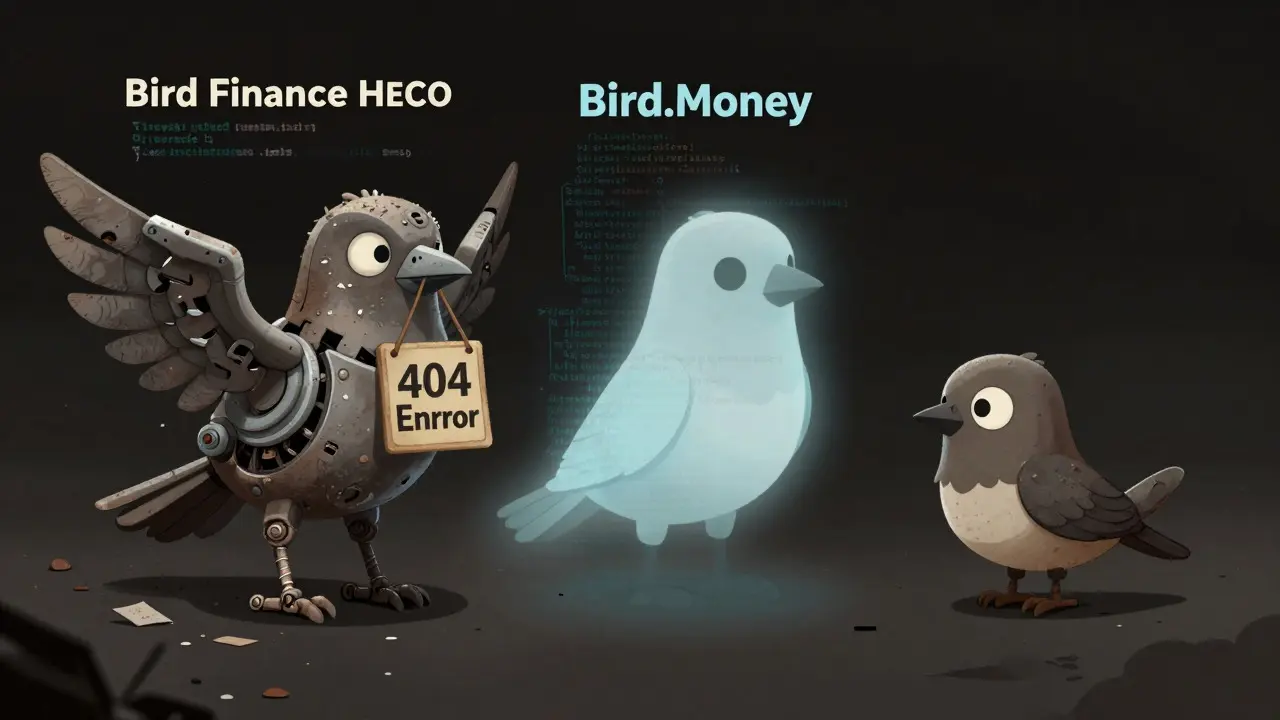
Bird Finance (HECO) was originally pitched as a cross-chain revenue aggregation protocol. It promised high yields through staking and auto-compounding. Its contract address on HECO was 0xed6a...8b0f3d. However, as of late 2025 and into 2026, the circulating supply shows zero on major trackers, and trading volume is nonexistent. The website returns 404 errors, meaning the developers have effectively abandoned the ship.
Then there is Bird.Money, which operated on Ethereum. This project focused on DeFi risk analysis, creating a "BIRD Score" for creditworthiness. While it had some traction during the 2021 DeFi boom, its GitHub repository hasn't seen meaningful updates since mid-2022. The service officially discontinued operations in April 2023. Despite this, its token still holds a tiny market cap, but the technology never fully materialized beyond whitepaper promises.
Finally, there is the BIRDS token, which is completely unrelated to the finance protocols mentioned above. This token ran its own Telegram-based airdrop, documented by crypto news sites, but it has no connection to CoinMarketCap or the HECO Chain. Scammers often mix these names together to confuse users. If you are looking for the "CMC x BIRD" airdrop, you might be clicking on links for any of these three, none of which offer the promised reward.
Red Flags That Signal a Scam
When evaluating any airdrop, especially one involving lesser-known chains like HECO, you need to watch for specific warning signs. The Bird Finance situation exhibits almost all of them.
- Inactive Communication Channels: The official Telegram group for Bird Finance (@birdfinance_heco) went silent in early 2022. The last message from admins was about "temporary maintenance." In the crypto world, six months of silence is permanent death. A live project with an active airdrop would have constant updates.
- Broken Infrastructure: Attempting to connect a MetaMask wallet to the Bird Finance dashboard results in "contract not found" errors. If the core functionality of the platform is broken, how can they possibly distribute tokens?
- Negative Community Sentiment: User reviews on platforms like Trustpilot paint a grim picture. One user reported losing $3,200 after staking tokens, only for the website to disappear two weeks later. Reddit threads from 2022 label the project a "scam," citing rapid value drops from $0.50 to near-zero.
- Hyper-Deflationary Mechanics: Bird Finance used a model where 50% of the supply was sent to a "blackhole" address, and transaction fees were heavily taxed (6%). While this sounds good for holders, industry reports show that 92% of such models fail within six months because liquidity dries up. Without liquidity, you cannot sell your tokens even if you get them.
The Danger of Fake Airdrop Sites
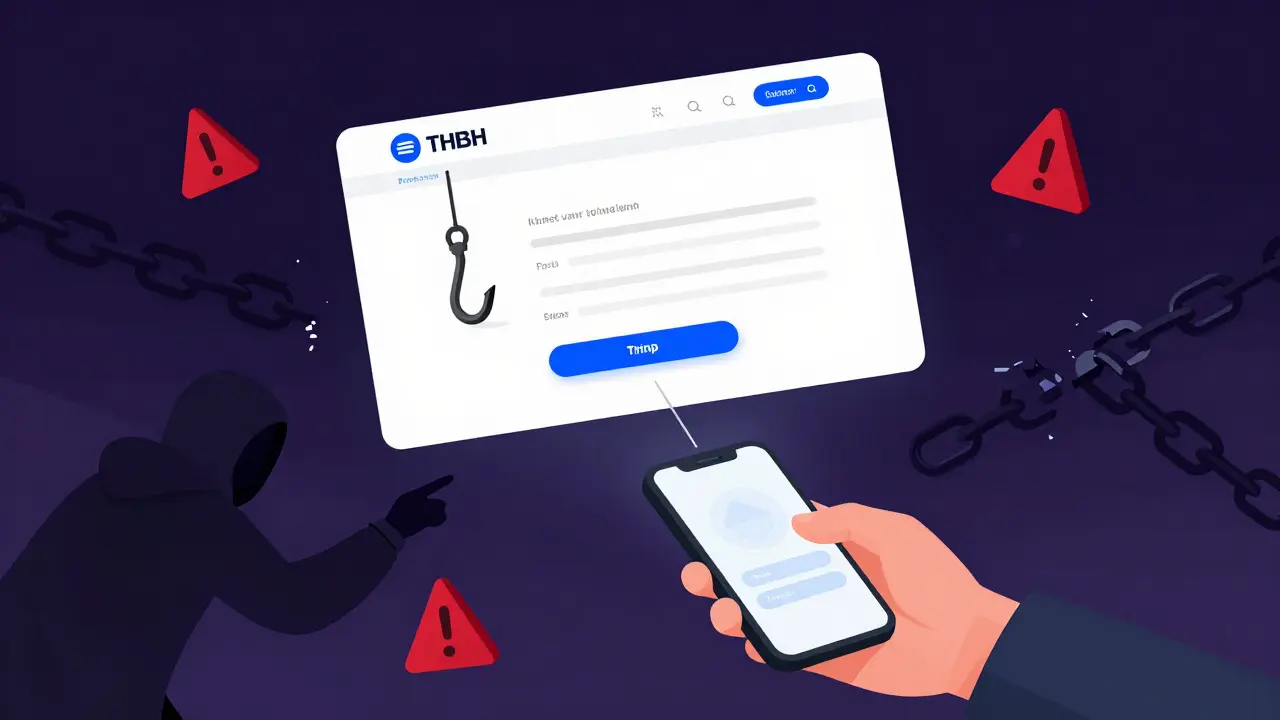
So, if the real project is dead, why are people talking about an airdrop? The answer is phishing. Scammers create fake websites that look identical to the original Bird Finance or even mimic CoinMarketCap's design. These sites claim to offer a "CMC Exclusive Drop" to lure victims.
Here is how the scam works:
- You click a link from Twitter, Telegram, or a spam email claiming to be the official CMC x BIRD portal.
- You land on a site that looks professional, featuring logos of both CoinMarketCap and Bird Finance.
- You are asked to connect your wallet (MetaMask, Trust Wallet, etc.) to "claim" your airdrop.
- Once connected, the smart contract executes a malicious function. It doesn't send you tokens; it drains your existing assets.
- Alternatively, the site may ask you to sign a "gas fee" transaction that is actually a approval for unlimited spending of your funds.
This method has wiped out countless wallets. The key takeaway is simple: if a project's main website is down and its social media is dead, any site claiming to host its airdrop is a lie. Always verify URLs. Look for slight misspellings like "coinmarketcap-official.com" or "bird-finance-airdrop.net" instead of the verified domains.
How to Verify Legitimate Airdrops
Not all airdrops are scams, but they require diligence. Here is a checklist to protect yourself before connecting your wallet to any new platform.
- Check Official Sources Only: Go to the project's verified Twitter account or Discord. Do not trust links from random comments or DMs. If the project is defunct, their official channels will likely say so or be inactive.
- Use Reputable Trackers: Check CoinGecko or CoinMarketCap directly. If a token has zero volume, zero market cap, or is labeled "Preview" with no circulating supply, proceed with extreme caution. For Bird Finance (HECO), the lack of circulating supply indicates the project is stalled or dead.
- Analyze the Contract: Use tools like Etherscan or HeCoScan. Look at the token holders. If most tokens are held by a few unknown wallets, it's a centralization risk. Check the contract code for "honeypot" functions that prevent selling.
- Search for Recent News: Google the project name plus "scam" or "review." If the latest news is from 2022 or earlier, the project is likely abandoned. Fresh projects have fresh news.
- Never Share Seed Phrases: No legitimate airdrop will ever ask for your 12-word seed phrase. If a site asks for it, close the tab immediately.
What Should You Do Now?
If you have already interacted with a suspicious Bird Finance or CMC-related site, act fast. First, check your wallet balance. If funds are missing, transfer remaining assets to a new wallet with a fresh seed phrase immediately. Second, revoke approvals. Use tools like Revoke.cash to see if your wallet has granted spending permissions to unknown contracts. Revoke any approvals linked to Bird Finance or unfamiliar addresses.
For those who haven't clicked anything yet, the best advice is to stay away. The "CMC x BIRD" narrative is a ghost story in the crypto world-a rumor haunting empty projects. The real Bird Finance on HECO is dead. Bird.Money is discontinued. And CoinMarketCap isn't handing out free money through backdoor deals.
Crypto investing is risky enough without falling for traps based on confusion. Focus on projects with active development, transparent teams, and liquid markets. If something sounds too good to be true, especially when it involves a major brand name being used in a shady context, it almost certainly is.
Is there really a CoinMarketCap x Bird Finance airdrop?
No, there is no legitimate partnership between CoinMarketCap and Bird Finance for an airdrop. This is a rumor likely spread by scammers to phish for wallet connections. CoinMarketCap has not announced such a collaboration.
Is Bird Finance (HECO) still active?
No, Bird Finance (HECO) appears to be defunct. Its website returns 404 errors, its Telegram channel has been inactive since 2022, and it has zero circulating supply on major tracking platforms as of 2026.
What is the difference between Bird Finance and Bird.Money?
Bird Finance operated on the HECO Chain as a yield aggregator, while Bird.Money operated on Ethereum as a risk analysis platform. Both are now largely inactive or discontinued, but they are separate projects with different technologies and histories.
How can I tell if a crypto airdrop is a scam?
Look for inactive social media, broken websites, and requests for seed phrases. Legitimate projects have active communities, verifiable smart contracts, and clear communication. If a site uses a major brand name like CoinMarketCap without official confirmation, it is likely a scam.
Did I lose my money if I connected my wallet to a fake Bird site?
Connecting your wallet alone doesn't always drain funds, but signing transactions on a malicious site can. Check your transaction history immediately. If you signed an approval or transfer, move remaining funds to a new wallet and revoke approvals using tools like Revoke.cash.
Why do scammers use the name CoinMarketCap?
Scammers use well-known brand names to build false trust. Users are more likely to connect their wallets if they believe a reputable company like CoinMarketCap is involved. Always verify announcements on the official CoinMarketCap blog or social media channels.
Is the BIRDS token related to Bird Finance?
No, the BIRDS token is a separate entity, often associated with meme culture or unrelated community projects. It has no technical or operational connection to Bird Finance (HECO) or Bird.Money, despite the similar naming convention.
What happened to Bird.Money's BIRD Score technology?
Bird.Money's BIRD Score technology, which aimed to provide credit scoring for DeFi, failed to gain significant adoption. The project discontinued services in 2023, and its GitHub repository has been inactive for years, indicating the technology was never fully realized or maintained.