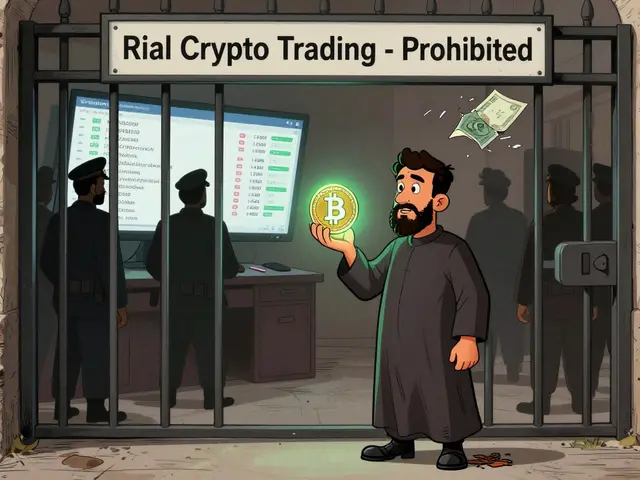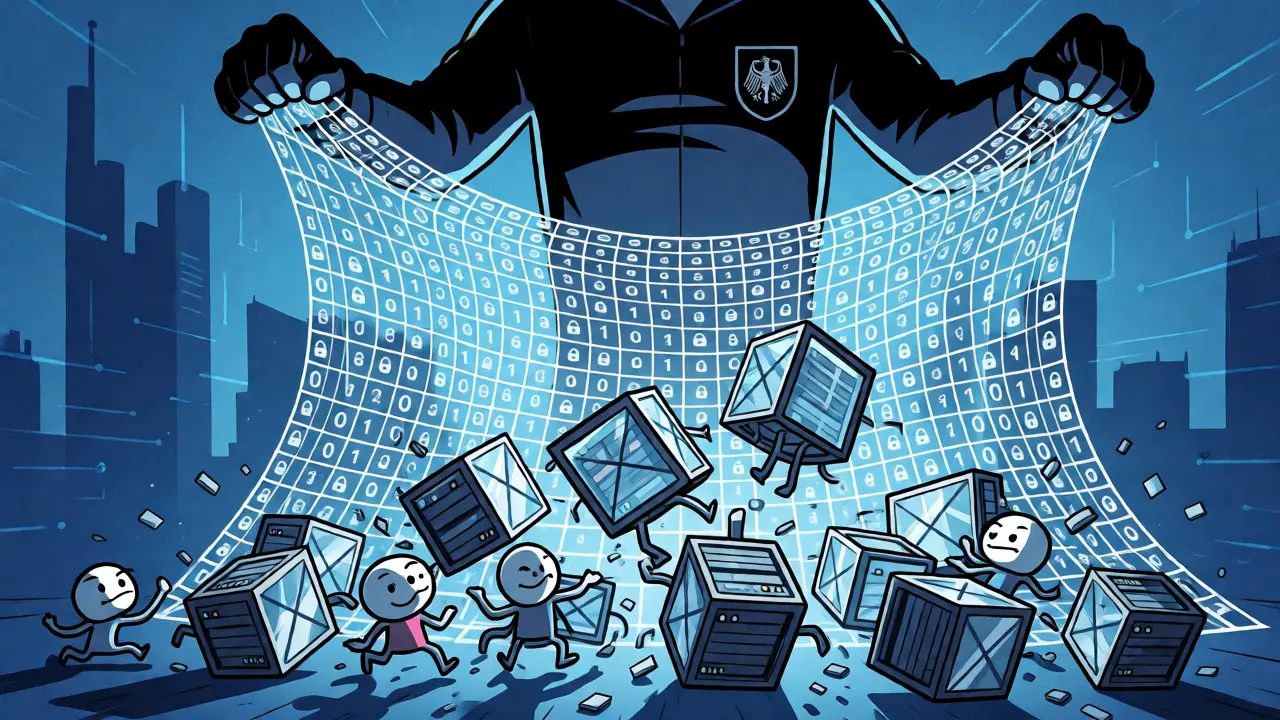

Imagine waking up to find that every transaction you’ve made over the last two years is now sitting on a government server. No names, no phone numbers, just cold hard data linked to your IP address. That’s exactly what happened to thousands of users when Operation Final Exchange hit the internet in September 2024. This wasn’t just another regulatory slap on the wrist. It was a coordinated, high-stakes takedown by Germany’s Federal Criminal Police Office (BKA) that dismantled 47 Russian-language cryptocurrency exchanges overnight. The message from law enforcement was blunt and chilling: "We have found their servers... We have their data - and therefore we have your data."
If you thought using a no-KYC (Know Your Customer) exchange meant you were invisible, this operation proved otherwise. By seizing development, production, and backup servers simultaneously, German authorities didn’t just shut down services; they captured the entire digital footprint of these platforms. For anyone involved in crypto finance, especially those navigating the complex web of international sanctions, understanding how this happened is crucial for protecting your assets and privacy moving forward.
The Anatomy of a Digital Takedown
Most people assume that if an exchange goes down, the operators just spin up new servers elsewhere. Not this time. Operation Final Exchange was designed with one goal: total infrastructure capture. The BKA, working alongside Frankfurt’s Public Prosecutor’s Office, executed simultaneous raids that targeted every layer of the technical stack. They seized over 8 terabytes of data. To put that in perspective, that’s enough information to reconstruct the financial history of every user who ever touched these platforms.
The targets weren’t random. These 47 exchanges were specifically chosen because they catered to Russian-speaking users and facilitated transactions for banks under international sanctions. Unlike major exchanges like Coinbase or Binance, which require ID verification, these platforms operated on an "instant-swap" model. You sent Bitcoin, you got Rubles or Dollars back, no questions asked. This simplicity made them magnets for money launderers, ransomware gangs, and sanctioned entities trying to move capital out of Russia without triggering alarms at traditional banks.
| Metric | Detail | Impact |
|---|---|---|
| Targeted Exchanges | 47 Russian-language no-KYC platforms | Disrupted primary laundering channels for sanctioned banks |
| Data Seized | 8+ Terabytes (IPs, Transactions, Logs) | Created permanent forensic trail for future prosecutions |
| Infrastructure Hit | Dev, Prod, and Backup Servers | Prevented immediate service restoration by operators |
| Primary Users | Russian speakers, Cybercriminals, Sanctioned Entities | Forced migration to riskier, less efficient methods |
Why No-KYC Was the Perfect Storm
You might wonder why regulators waited so long to act. The truth is, no-KYC exchanges existed in a gray zone. They weren’t technically illegal, but they bypassed the anti-money laundering (AML) rules that keep the global financial system honest. By removing the human element-no IDs, no selfies holding credit cards-they removed the friction that usually stops bad actors. But they also removed the safety net for legitimate users.
When the BKA moved, they exploited a critical vulnerability in these platforms: centralization disguised as anonymity. While users thought they were trading anonymously, the exchanges themselves held massive amounts of metadata. Every swap left a digital breadcrumb. Because these services relied on centralized order books rather than true decentralized protocols, all that data lived on specific servers. Once those servers were physically seized, the anonymity illusion shattered.
This distinction matters. Decentralized exchanges (DEXs) like Uniswap operate differently, where trades happen directly between wallets via smart contracts. In contrast, the seized platforms acted more like traditional brokers, holding custody of funds temporarily. That custody model is what gave law enforcement the leverage they needed. If you’re using a platform that holds your keys, you’re trusting their security-and their compliance with local laws. When those laws change, or when enforcement gets aggressive, your trust can quickly turn into liability.
The Ripple Effect on Sanctions and Crime
Operation Final Exchange wasn’t just about catching criminals; it was about geopolitical strategy. With Western nations tightening economic restrictions on Russia, finding ways to move money became a national priority for Moscow. These exchanges served as vital pipelines, allowing sanctioned banks to convert frozen or restricted currencies into liquid crypto assets, which could then be moved globally.
By cutting off these pipelines, Germany struck a blow against sanctions evasion networks. Chainalysis, a leading blockchain analytics firm, noted that instant-swap exchanges play a "central role" in facilitating on-chain cybercrime. The operation highlighted how easily criminal proceeds from ransomware attacks or darknet sales could be washed through these low-friction environments. Without the ability to instantly swap crypto for fiat currency without ID checks, criminals face higher costs and greater risks.
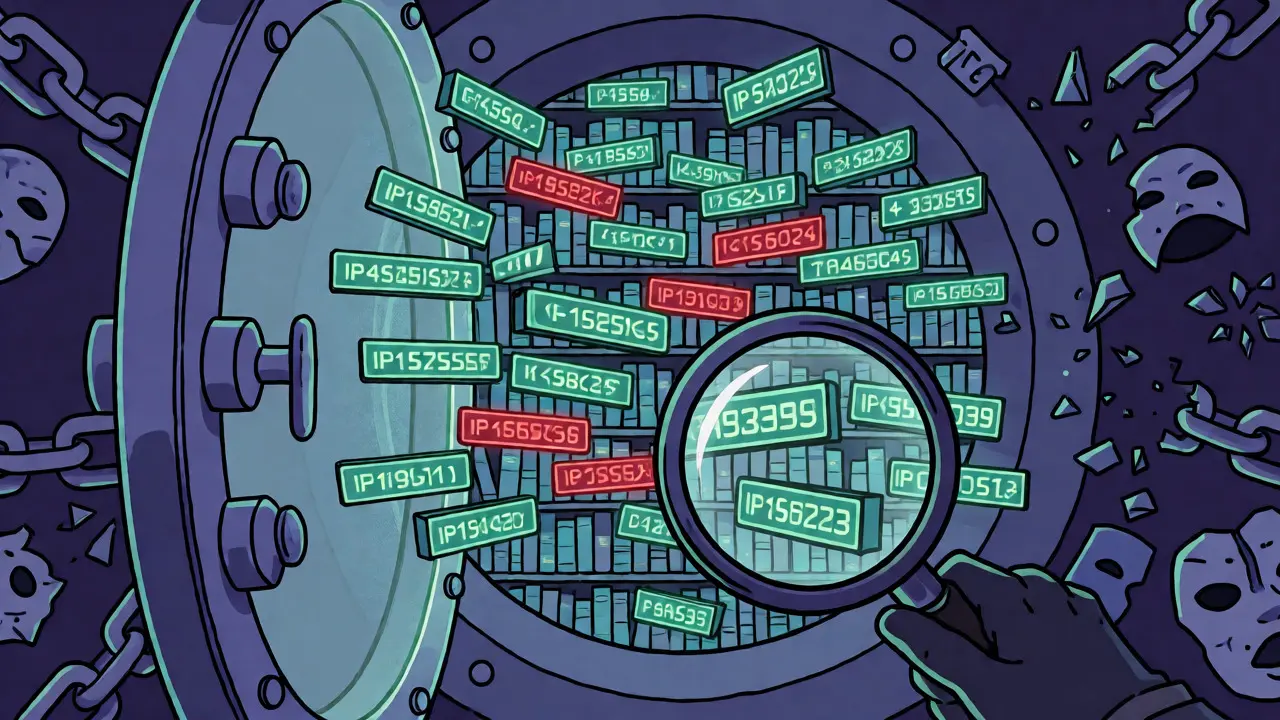
But it’s not just criminals feeling the heat. Legitimate users who valued privacy are now scrambling. Reddit threads and Telegram groups dedicated to crypto privacy reported a spike in anxiety. Many users realized that their previous assumption of invisibility was flawed. The seized data includes IP addresses and timestamps, which can be cross-referenced with other datasets. If you used one of these exchanges while traveling or from a home network, your location history might already be part of the evidence pile.
Lessons for Crypto Investors and Privacy Seekers
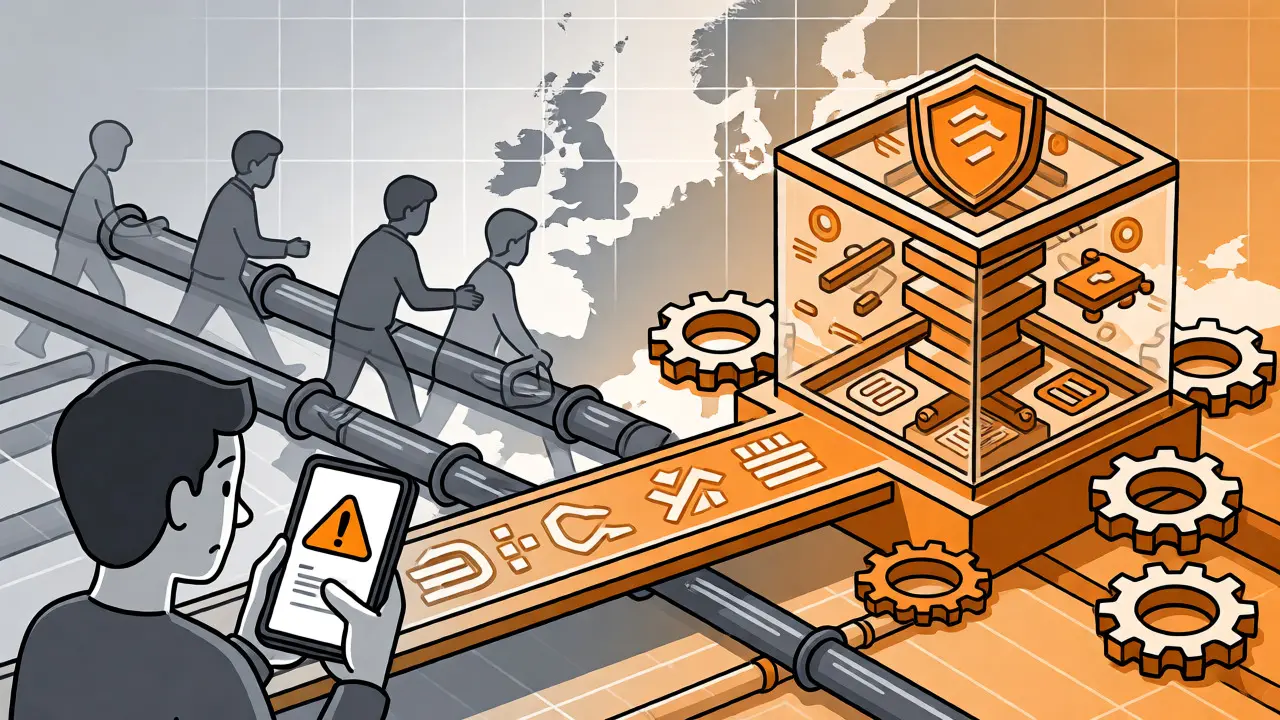
So, what does this mean for you? If you’re still active in the crypto space, relying on a single jurisdiction or a single type of exchange is risky. The success of Operation Final Exchange shows that governments are investing heavily in blockchain forensics. Agencies aren’t just guessing anymore; they have tools that can trace funds across chains and link wallet addresses to real-world identities with surprising accuracy.
Here are three practical takeaways to protect yourself:
- Diversify Your Custody: Don’t leave large amounts of crypto on any exchange, especially smaller, offshore ones. Move assets to self-custody wallets where you control the private keys.
- Understand the Jurisdiction: Know where your exchange is registered and whose laws apply to its servers. A platform hosted in Germany faces different pressures than one hosted in a tax haven with weak enforcement.
- Assume Metadata is Permanent: Treat every on-chain transaction as public record. Even if a platform doesn’t ask for your name, your IP address and timing patterns can identify you if the data falls into the wrong hands-or the right hands, depending on your perspective.
Furthermore, consider the shift toward compliant DeFi (Decentralized Finance). As centralized no-KYC options shrink, users may migrate to DEXs. However, DEXs aren’t a magic bullet either. Smart contract vulnerabilities and front-running bots introduce new risks. The goal isn’t just to avoid regulation, but to understand the trade-offs between convenience, cost, and privacy.
The Future of Enforcement
Germany has positioned itself as a leader in crypto crime enforcement. Following previous seizures like ChipMixer, Operation Final Exchange signals that European authorities are willing to use physical infrastructure seizures as a primary tool. This approach is more effective than fines, which criminal enterprises often treat as a cost of doing business. Taking away the servers removes the business entirely.
We can expect similar operations to spread. The EU is increasingly coordinating on sanctions enforcement, and agencies like the FBI and FinCEN are watching closely. If Germany’s model proves successful in generating convictions and recovering assets, other countries will likely replicate it. For the average investor, this means the era of "wild west" crypto is ending. Compliance is becoming the default, and the burden of proof is shifting. Instead of proving you’re guilty, you might soon need to prove you’re clean.
The 8 terabytes of data seized in this operation will likely generate investigations for years. Authorities have stated that this information will lead to "substantive financial intelligence." That means arrests, asset freezes, and potentially new regulations targeting the remaining no-KYC providers. The psychological impact is already visible: user trust scores for privacy-focused exchanges have dropped, and many are reconsidering their exposure to unregulated platforms.
What exactly is a no-KYC exchange?
A no-KYC (Know Your Customer) exchange allows users to buy, sell, or swap cryptocurrencies without providing personal identification documents such as a passport, driver's license, or selfie. These platforms prioritize speed and privacy but typically lack the robust anti-money laundering controls found on regulated exchanges like Coinbase or Kraken.
Why did Germany target these specific exchanges?
The 47 exchanges targeted in Operation Final Exchange primarily served Russian-speaking users and facilitated transactions for banks under international sanctions. They were identified as key infrastructure for money laundering, sanctions evasion, and processing proceeds from cybercrimes like ransomware attacks.
Can I be prosecuted for using a seized exchange?
Using a no-KYC exchange is not inherently illegal. However, if the seized data links your transactions to illicit activities-such as buying goods on darknet markets or receiving funds from known criminal wallets-you could face investigation. Law enforcement uses the seized IP addresses and transaction logs to build cases against suspected offenders.
How did authorities seize the servers?
The German Federal Criminal Police Office (BKA) conducted coordinated raids on physical server locations hosting the exchanges' development, production, and backup systems. By securing the hardware and copying the data before operators could wipe it, they preserved the complete operational history of the platforms.
Are decentralized exchanges (DEXs) safer from enforcement?
DEXs are harder to shut down because they run on smart contracts across a blockchain rather than centralized servers. However, they are not immune to scrutiny. Regulators can target the front-end interfaces, liquidity providers, and fiat on-ramps/off-ramps associated with DEX usage. Additionally, blockchain analytics can still trace flows even in decentralized environments.