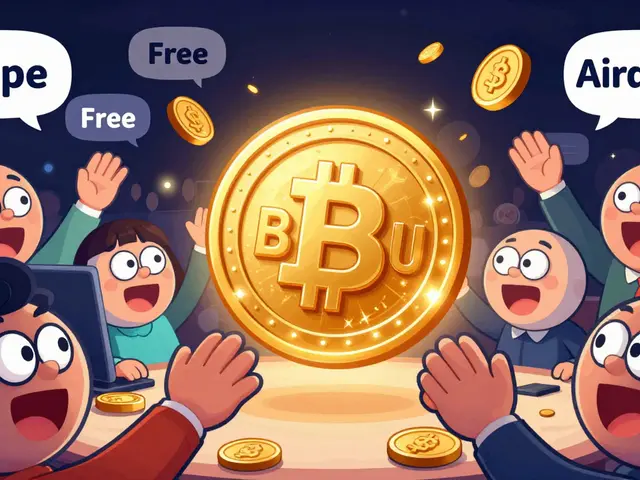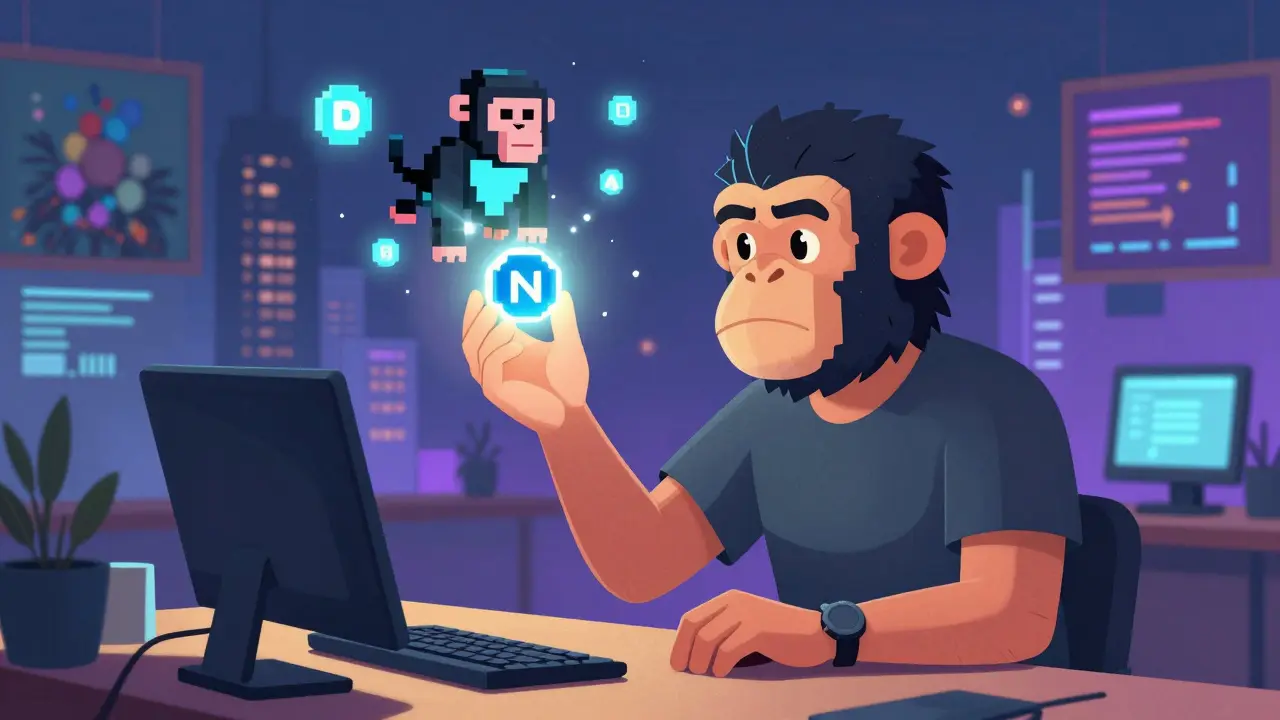

Five years ago, buying a digital image meant downloading a file you could copy a thousand times. Today, someone paid $5 million for a single animated NFT of a pixelated ape. That shift isn’t just about hype-it’s about blockchain giving digital art something it never had before: true ownership.
Ownership That Can’t Be Copied
Before blockchain, digital art was fragile. A JPEG could be saved, shared, reposted, or stolen without consequence. Artists had no way to prove they created it-or earn anything when it sold again. Blockchain changed that. Every NFT is a unique digital certificate stored on a public ledger. It doesn’t store the image itself, but it holds the proof: who made it, who owns it, and every time it changed hands.This isn’t theoretical. In 2025, over 4.2 million digital artworks were verified on blockchain networks. Artists like Refik Anadol and Beeple don’t just sell pieces-they sell history. Each resale triggers a smart contract that automatically sends 10% back to the original creator. No middleman. No negotiation. Just code doing what it was built to do.
From Speculation to Substance
The NFT boom of 2021 was wild. Prices soared. People bought JPEGs as investments. Then came the crash. But the survivors didn’t disappear-they adapted.By 2025, NFT-specific revenue dropped to $479 million, but the broader digital art market grew to $5.8 billion. Why? Because people stopped buying just for profit. They started buying for access. Owning an NFT now means entry to private Discord servers, early concert tickets, physical merchandise drops, or even voting rights in artist collectives.
Platforms like OpenSea and Blur now prioritize utility over rarity. A digital painting isn’t valuable because it’s rare-it’s valuable because it unlocks a real-world experience. One artist in Tokyo sells animated NFTs that change based on weather in the buyer’s city. Another gives owners a monthly physical print shipped to their door. These aren’t gimmicks. They’re business models built on lasting value.
AI Is Changing How Art Is Made
Artists aren’t just using blockchain-they’re using AI to create it. Tools like Adobe’s Generative Fill and Midjourney are now standard in digital studios. A painter might sketch a character, then use AI to generate 200 variations, pick the best ones, and mint them as a collection.Some NFTs are even alive. Dynamic NFTs update in real time. A portrait might change color based on stock market trends. A landscape might shift with the seasons. One collection called “Echoes of Tomorrow” updates its visuals every time its owner logs into their wallet. These aren’t just art-they’re interactive experiences.
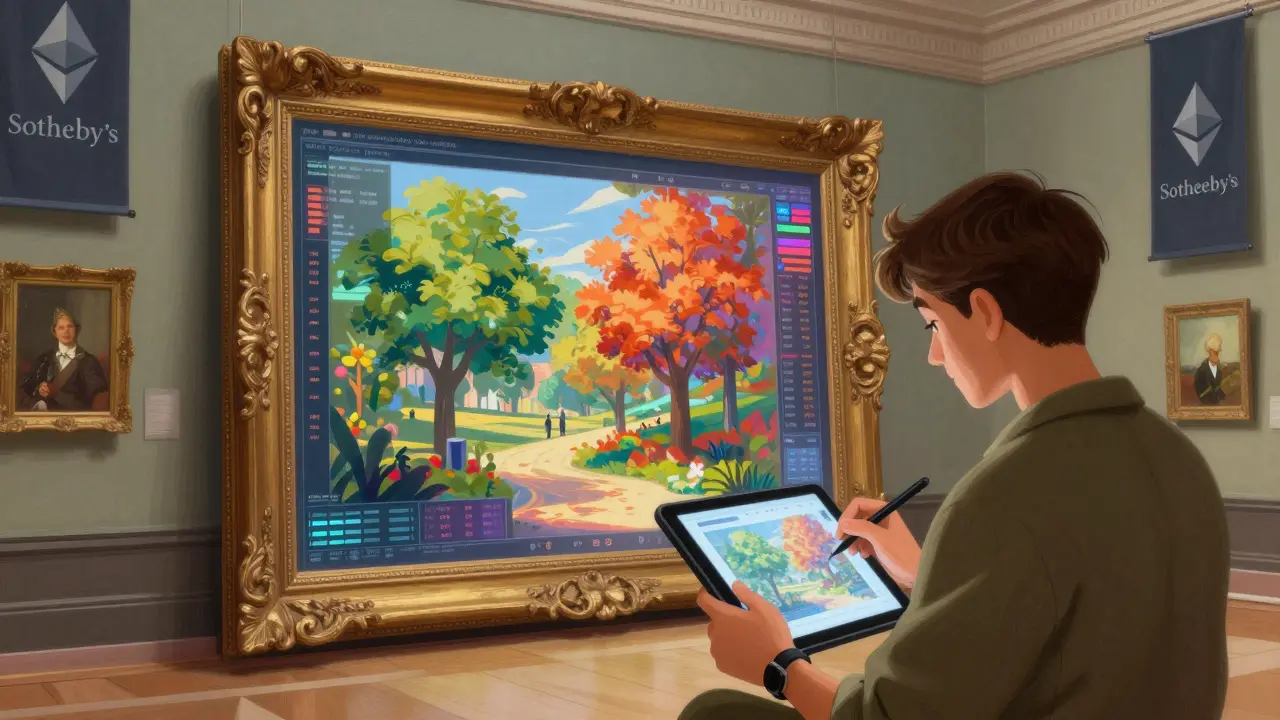
Major galleries are taking notice. Sotheby’s now holds regular NFT auctions alongside Old Masters. Artnet and Saatchi Art have launched dedicated digital sections. In 2025, 17% of all art sales at major auction houses included blockchain-verified pieces. That’s not a footnote anymore. It’s part of the main catalog.
Energy Concerns Are Being Fixed
One of the biggest criticisms of NFTs was their environmental cost. Early NFTs ran on Ethereum, which used proof-of-work-like Bitcoin-consuming massive amounts of electricity.That changed in 2022 when Ethereum switched to proof-of-stake. Energy use dropped by 99.95%. Today, most NFTs are minted on networks like Solana, Polygon, and Flow-all designed to be lightweight and sustainable. OpenSea now shows carbon impact estimates for every transaction. Artists can choose to mint only on green networks. The conversation isn’t about whether blockchain is bad for the planet anymore-it’s about how fast we can make it better.
Real-World Assets Are Going Digital
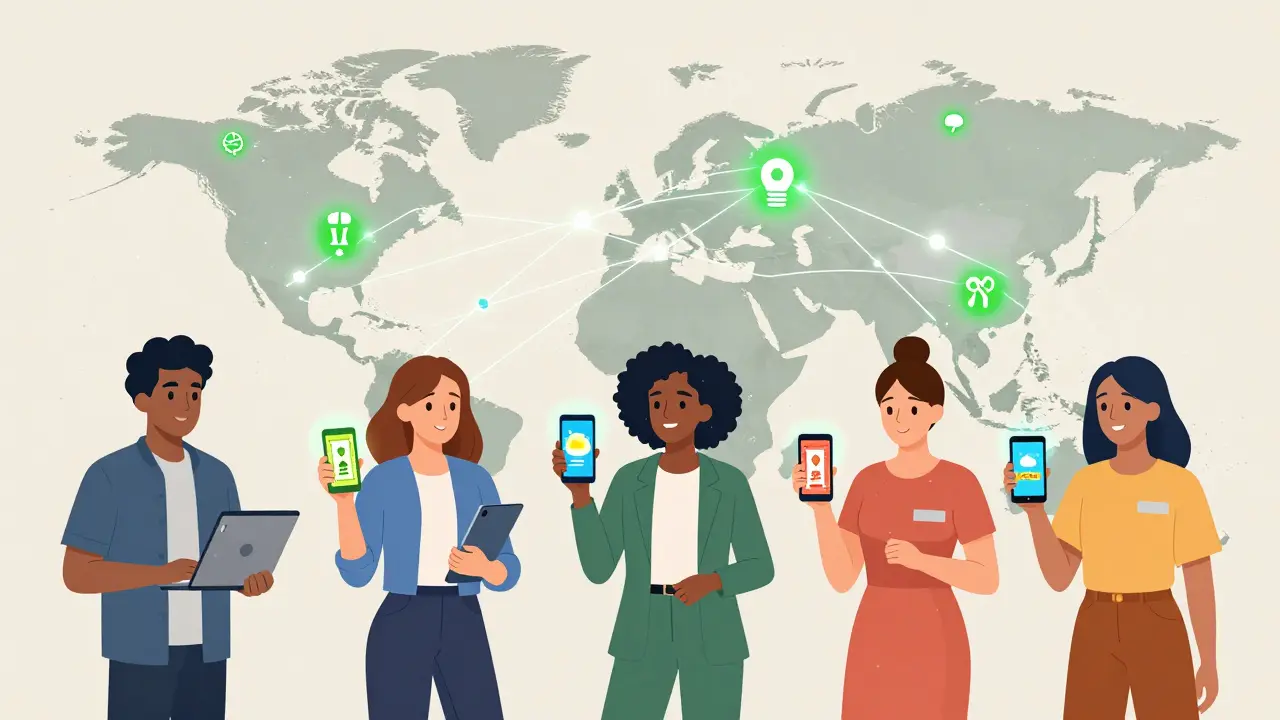
The next frontier? Tokenizing physical things. A painting in a Paris gallery can now be split into 1,000 NFT shares. Each share gives you 0.1% ownership and a portion of any future sale. A vintage Rolex, a rare bottle of wine, even a piece of real estate-now all have digital twins on the blockchain.This isn’t sci-fi. Companies like RealT and Securitize are already doing it. A collector in Singapore can buy 5% of a 19th-century oil painting in New York. A small investor in Lagos can own a slice of a sculpture in London. Blockchain is breaking down borders, not just in art, but in who gets to own it.
Why This Matters for Artists
For creators, this is the first time in history they can earn from their work long after it leaves their hands. A digital illustrator in Manila can make $50,000 in royalties over five years from a single NFT sale-because every time it changes hands, she gets paid. No gallery takes 50%. No platform takes 15%. The code ensures it.But it’s not easy. You need a crypto wallet. You need to understand gas fees. You need to pick the right marketplace. Learning the basics takes 2-4 weeks. Mastering it? That takes months. But the tools are getting better. OpenSea, Foundation, and SuperRare now offer step-by-step guides, video tutorials, and even live support chats for new artists.
What’s Next?
The future isn’t about more NFTs. It’s about smarter ones.Expect more integration with gaming. Imagine wearing your NFT art as a skin in a virtual world-and earning real money every time someone sees it. Expect more education. Universities like UCLA and RISD now offer courses in blockchain art. Expect more regulation. Governments in the EU and U.S. are drafting laws to protect digital creators and buyers.
By 2032, the digital art market will be worth nearly $18 billion. That’s not because people are gambling. It’s because they finally have a way to own, support, and interact with digital creativity in a way that’s fair, transparent, and lasting.
Blockchain didn’t invent digital art. But it gave it a soul.
Can anyone create NFT art, or do you need to be a professional artist?
Anyone can create NFT art. You don’t need formal training or gallery representation. All you need is a digital file, a crypto wallet, and access to an NFT marketplace like OpenSea or Foundation. Thousands of first-time creators have sold their work successfully. The barrier isn’t skill-it’s understanding the process. Many platforms now offer free minting tools and tutorials to help beginners get started.
Are NFTs still worth buying, or is it just a bubble?
NFTs as speculative investments have cooled, but the value of NFTs as ownership tools is growing. Buying an NFT today isn’t about flipping it for profit-it’s about owning something with real utility: access to events, community perks, or ongoing royalties. The most valuable NFTs now aren’t the rarest-they’re the ones that give you something you can actually use. Think of it like a concert ticket that also gives you backstage passes every year.
How do I start selling my digital art on the blockchain?
First, create a crypto wallet like MetaMask or Phantom. Then, choose a marketplace-OpenSea for beginners, Foundation for curated art, or Blur for low fees. Upload your artwork, set a price, and choose whether to mint on Ethereum, Solana, or Polygon. Most platforms let you mint for free (lazy minting) and only charge fees when someone buys. You’ll also set a royalty percentage (usually 5-10%) so you earn every time your art resells.
Do I need to know about cryptocurrency to get involved?
You don’t need to be an expert, but you do need to understand the basics. You’ll need a wallet to store your art and pay small fees. You’ll need to know how to send and receive crypto-usually ETH, SOL, or MATIC. Most platforms walk you through this. Many artists learn by doing. Start small: mint one piece, sell it for $5, and see how the system works. You’ll learn faster by using it than by reading about it.
What’s the difference between an NFT and a regular digital file?
Anyone can download a JPEG of a digital artwork. But only one person owns the NFT-the official, blockchain-verified version. It’s like the difference between a poster of the Mona Lisa and the original painting in the Louvre. The image is the same, but the ownership record is unique and unchangeable. The NFT proves you’re the legal owner, and that record can’t be deleted, forged, or copied.
Can I display NFT art in my home?
Yes. Many collectors use digital frames, smart TVs, or OLED displays to show their NFTs at home. Some companies, like NFT Frames and Artex, sell frames designed specifically for displaying animated and interactive NFTs. Others print their NFTs as limited-edition physical prints. Owning an NFT doesn’t mean you’re stuck with a screen-it means you can choose how to experience it.
Comments (6)

- Chidimma Catherine
- January 22, 2026 AT 19:16 PM
Blockchain is changing everything for artists in developing nations like Nigeria where traditional galleries never gave us a chance
My first NFT sold for 0.3 ETH and I sent half to my younger sister’s school fund
I didn’t need a degree or a connection-just a phone and the will to try
People say it’s a bubble but my royalties keep coming every time someone resells my piece
I’m not rich but I’m free in a way my uncle who painted murals in Lagos never was
They told us digital art isn’t real art but look at the way my daughter stares at my animated moon on her tablet
She knows it’s hers and that’s enough
Tokenization isn’t magic-it’s justice
Let the gatekeepers keep their velvet ropes
We’re building our own galleries now
And we’re not asking permission

- Mike Stay
- January 23, 2026 AT 23:13 PM
The evolution of NFTs from speculative frenzy to functional cultural infrastructure represents one of the most profound paradigm shifts in creative economics since the invention of the printing press
What we’re witnessing is not merely a technological adaptation but a redefinition of authorship, provenance, and value transmission in the digital age
The integration of dynamic, real-time responsive art forms with blockchain-based ownership structures enables a level of interactivity and personalization previously unattainable in any medium
Furthermore, the transition from proof-of-work to proof-of-stake has not only mitigated environmental concerns but has fundamentally altered the economic accessibility of participation in this ecosystem
When one considers that institutions like Sotheby’s now catalog NFTs alongside Renaissance masterpieces, it becomes evident that this is no longer a fringe movement but a central pillar of contemporary art history
The convergence of AI-assisted creation with immutable ownership records is generating a new class of hybrid artifacts that blur the lines between artist, algorithm, and audience
This is not a fad-it is the institutionalization of digital creativity as a legitimate, enduring, and economically viable domain
The artists who thrive in this space are not those who chase hype, but those who understand that utility, community, and authenticity are the true arbiters of lasting value
Future historians will look back at this period not as the NFT boom, but as the renaissance of creator sovereignty

- Shamari Harrison
- January 24, 2026 AT 10:52 AM
If you're new to NFTs, start with Polygon or Solana-gas fees on Ethereum can eat your whole budget
Use OpenSea’s free minting option so you don’t pay anything until someone buys
Set your royalty at 7%-it’s the sweet spot between fair and attractive
Don’t overthink the art-just make something you love and post it
I’ve seen teachers, nurses, and high school kids sell NFTs that made them rent money
You don’t need fancy software-canva, procreate, even手机拍照都能做
Join a Discord group and ask questions-most creators are happy to help
And don’t listen to the haters who say it’s dead
The money’s in the utility now, not the JPEG
One guy I know gives his NFT holders a free coffee every month at his cafe
People love that stuff
Just start small, learn as you go, and keep going

- Bonnie Sands
- January 25, 2026 AT 17:47 PM
They say blockchain is decentralized but guess who controls 70% of the market cap? Big tech and Wall Street hedge funds
Every ‘artist’ you see selling NFTs is probably paid by a crypto pump-and-dump group
That ‘dynamic NFT’ that changes with the weather? It’s just a script pulling data from a server owned by a Delaware LLC
And don’t get me started on the ‘green’ blockchains-Solana’s had three major outages this year
They’re not saving the planet, they’re just hiding the pollution behind a green logo
The only thing being owned here is your hope
And the next crash? It’s coming
They’re already laying the groundwork for the next bubble-NFT-backed mortgages
Trust me, I’ve seen the documents
This isn’t art
This is a pyramid dressed in crypto glitter

- MOHAN KUMAR
- January 26, 2026 AT 05:45 AM
People talk about royalties like it’s magic but most artists never see it
Only 5% of NFTs ever sell a second time
And even then, the buyer pays in crypto that drops 30% in a week
So you get 10% of $500 but it’s worth $350 when you cash out
Plus you pay gas to withdraw
So you actually lose money
And the ‘utility’? Discord servers? Physical prints?
Those cost the artist money to run
Most NFTs are just digital business cards
With high fees
And no real customers
It’s not a revolution
It’s a hustle with a blockchain label

- Jennifer Duke
- January 27, 2026 AT 14:29 PM
It’s fascinating how America leads this revolution while Europe still clings to its 19th-century art establishment
Our artists aren’t waiting for permission-they’re building the future
Meanwhile, Parisian galleries still argue over whether a JPEG can be ‘fine art’
It’s embarrassing
And yet, somehow, the EU is drafting regulations to ‘protect’ creators-when we’ve already done it
Blockchain doesn’t need bureaucrats to validate it
It just needs visionaries
And we have them
While the rest of the world debates, American creators are already selling NFTs that unlock real-world experiences-concerts, private dinners, even voting rights in their collectives
That’s innovation
That’s leadership
That’s what happens when you stop asking for approval and start creating value
Other nations can catch up-if they’re brave enough
But let’s be honest-they’re not
Post-Comment
Categories
Popular Articles