
Did you know that holding XRP in your wallet could have quietly paid you back in Sologenic tokens? It sounds like free money, but for many users, it turned into a headache of missed snapshots and confusing trustlines. If you are trying to figure out if you missed out on the historical Sologenic airdrops or how to claim the recent Coreum (CORE) distribution, you are in the right place. This isn't just about getting free coins; it's about understanding the mechanics of asset tokenization on the XRP Ledger.
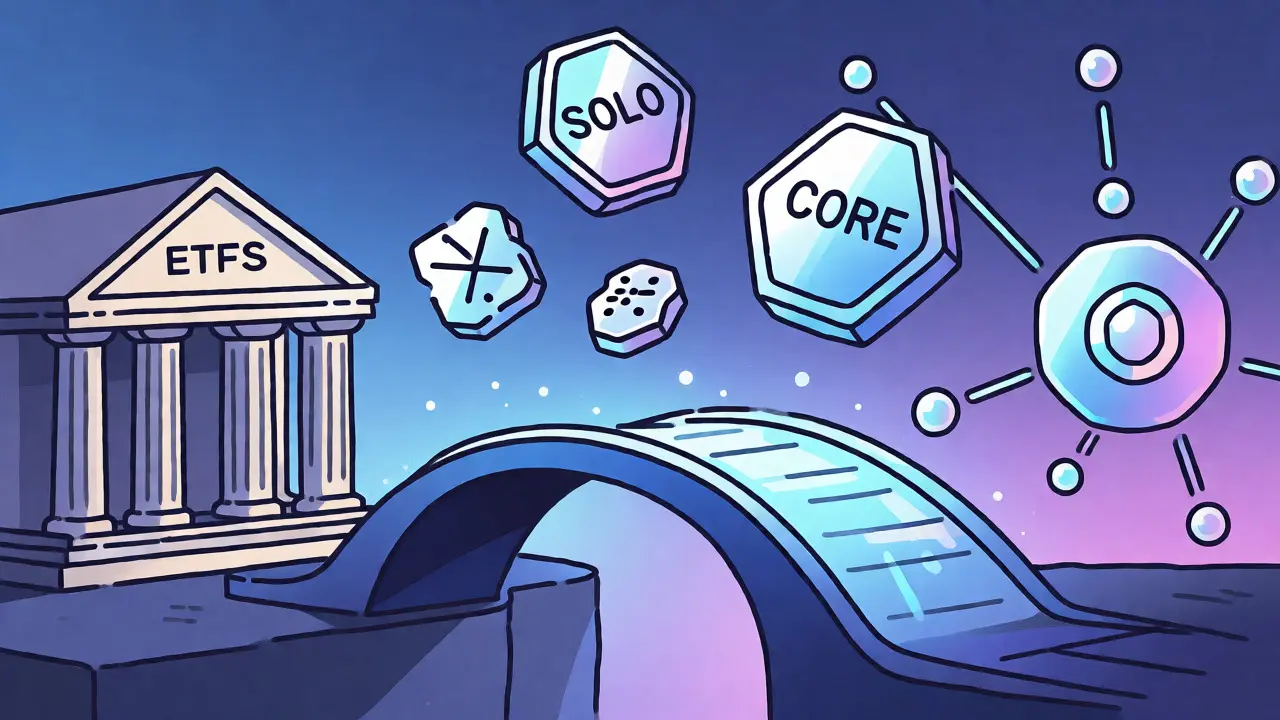
Sologenic is an asset tokenization platform built on the XRP Ledger that allows banks, brokers, and individuals to trade traditional assets like stocks and ETFs as digital tokens. Unlike generic blockchains, Sologenic focuses specifically on bridging real-world financial markets with blockchain efficiency. The ecosystem revolves around its native utility token, SOLO, which powers the platform’s decentralized exchange (DEX) and governance mechanisms.
Understanding the Sologenic Ecosystem and Tokenomics
To grasp why these airdrops matter, you need to understand what Sologenic actually does. It is not just another meme coin project. It provides infrastructure for institutional clients. Imagine being able to buy a fraction of Apple stock using XRP, settled instantly on the blockchain. That is the core value proposition. The platform offers tools like SOLONEX for brokerage services and the Sologenic DEX, which has historically been one of the leading decentralized exchanges on the XRPL network.
The SOLO token serves multiple purposes within this system. It is used for paying transaction fees, staking for rewards, and participating in governance votes. When projects distribute SOLO via airdrops, they are essentially buying attention and loyalty from the community. The token price has seen significant volatility, fluctuating from early valuations around $10 per 40-token bundle to current market rates hovering near $0.28 as of late 2025. These fluctuations directly impact the perceived value of any airdrop you might claim.
Historical Context: The December 2021 XRP Holder Airdrop
One of the most notable past events was the airdrop targeted specifically at XRP holders. This wasn't open to everyone who signed up for a newsletter. It required strict technical compliance. The snapshot occurred on December 24, 2021, at 8:00 PM UTC. If you held XRP on a centralized exchange like Zondacrypto during that exact moment, you likely missed out entirely.
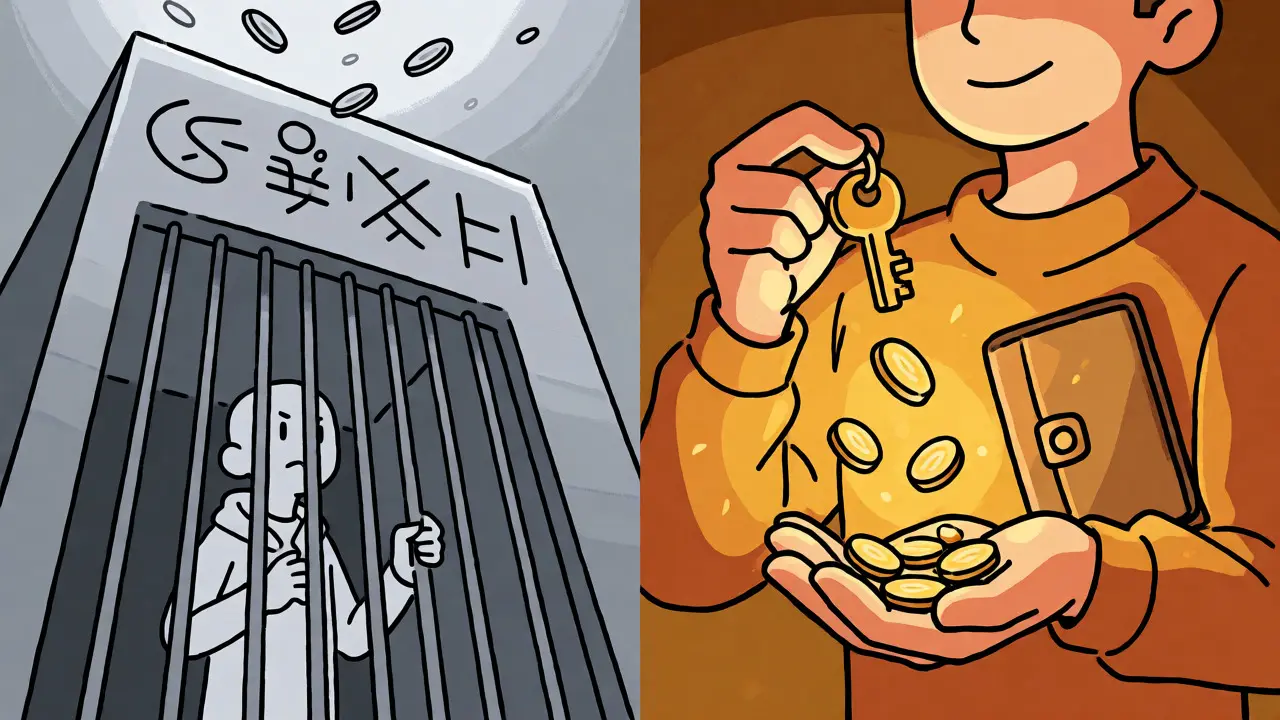
Why? Because many major exchanges did not support the airdrop mechanism. They kept custody of your private keys, meaning they controlled whether or not your account qualified. To be eligible, users had to withdraw their XRP to a personal wallet where they controlled the private keys. This "not your keys, not your coins" rule proved costly for lazy participants. The actual distribution happened weeks later, on January 20, 2022. This delay often led to confusion, with users thinking they were forgotten when they were simply waiting for the batch processing to complete.
The Recent Coreum (CORE) Partnership Airdrop
More recently, the focus shifted to the partnership between Sologenic and Coreum. This program was designed differently. Instead of targeting general XRP holders, it rewarded existing SOLO token holders. This is a classic loyalty play: reward those who already believe in the ecosystem. The allocation was massive-100 million CORE tokens distributed among eligible participants.
The window for this specific initiative ran from September 18, 2025, through September 26, 2025. But here is the catch: timing is everything. The snapshot wasn't a single moment but involved monthly checks. More importantly, the delivery of tokens didn't happen immediately. Recipients had to wait 6 to 8 weeks after each monthly snapshot. This delay is crucial because it prevents market manipulation. If everyone received tokens instantly, there would be a rush to sell, crashing the price. By randomizing the delivery dates, the project aims for a smoother market entry.
Technical Requirements: Trustlines and Wallets
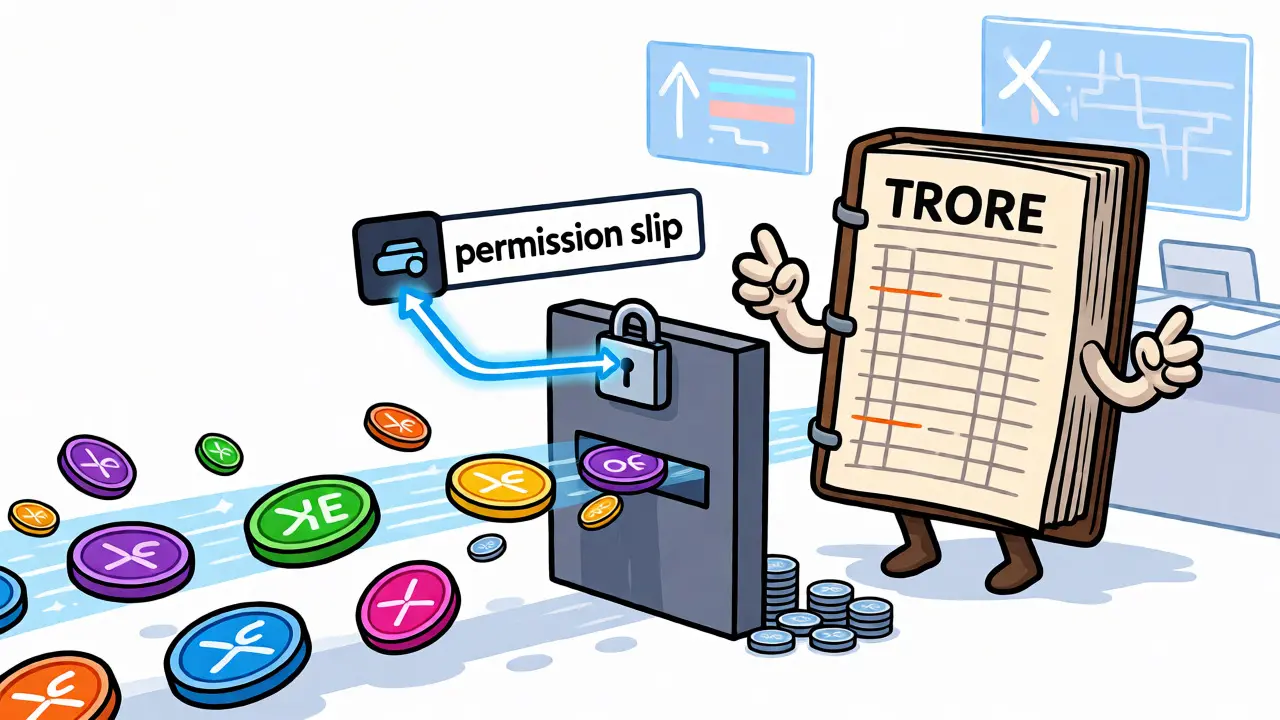
You cannot just receive tokens on the XRP Ledger without setting up a "trustline." Think of a trustline as a permission slip. You are telling the ledger, "I trust this issuer (in this case, the Coreum gateway) to send me their tokens." Without this line of credit established on your account, the tokens have nowhere to land.
Here is a simple checklist to ensure you are technically ready for future XRPL-based airdrops:
- Self-Custody Wallet: Use wallets like Xaman (formerly Xumm), Sologenic Wallet, or Ledger. Exchange balances rarely work.
- Trustline Creation: Before the snapshot, add a trustline to the specific token issuer mentioned in the announcement.
- Reserve Requirement: Remember that creating a trustline locks up a small amount of XRP (usually 10 XRP) as a reserve. Plan your balance accordingly.
- Private Key Control: Ensure you have full control over your seed phrase. No third party can claim tokens for you if they don't hold the keys.
Comparing Airdrop Strategies: Who Gets What?
Not all airdrops are created equal. Some target broad communities, while others drill down into specific holder types. Let's look at how different strategies affect eligibility and effort.
| Feature | Dec 2021 XRP Airdrop | Coreum (CORE) Partnership | General Community Rewards |
|---|---|---|---|
| Target Audience | XRP Holders | SOLO Token Holders | Active Users / New Signups |
| Custody Requirement | Personal Wallet (Non-Custodial) | Personal Wallet (Non-Custodial) | Varies by Platform |
| Snapshot Method | Single Point in Time | Monthly Snapshots | Continuous or Event-Based |
| Distribution Delay | ~4 Weeks | 6-8 Weeks Post-Snapshot | Immediate to Instant |
| Complexity | High (Exchange restrictions) | Medium (Trustlines required) | Low (Simple registration) |
Common Pitfalls and How to Avoid Them
The biggest mistake people make is assuming their exchange will handle the airdrop. As we saw with Zondacrypto in 2021, many platforms explicitly opt-out of supporting new token distributions due to liability or technical overhead. If you leave your assets on Binance, Coinbase, or Kraken during a snapshot, you might get nothing.
Another pitfall is ignoring the tax implications. In many jurisdictions, receiving an airdrop is considered taxable income at the fair market value on the day you receive it. Since some Sologenic-related distributions span multiple months or years, tracking the cost basis for each batch can become a nightmare if you aren't organized. Keep a spreadsheet logging the date received, the amount, and the USD value at that time.
Finally, beware of scams. Whenever a popular airdrop is announced, fake websites pop up claiming you need to "connect your wallet" to claim tokens. Never enter your seed phrase into a random website. Legitimate XRPL airdrops usually happen automatically once trustlines are set; they rarely require you to sign complex smart contract transactions on obscure sites.
Future Outlook and Institutional Focus
Sologenic is moving away from pure retail hype toward institutional utility. Their recent advocacy for blockchain-based wealth transfer and inheritance solutions suggests that future rewards might not just be free tokens for holding. We might see more targeted programs for users engaging with their brokerage services or providing liquidity to specific pools.
The collaboration with Coreum highlights a trend of interoperability. Projects are no longer islands. They form alliances to share user bases. For you, this means keeping an eye on partnerships announced by Sologenic. If they partner with another DeFi protocol, there is a good chance SOLO holders will get first dibs on that protocol's native token.
Do I need to do anything to claim my SOLO airdrop now?
For historical airdrops, the window is closed. However, for ongoing community rewards or new partnership drops like the Coreum initiative, you must actively participate. This typically involves holding the required base token (like SOLO or XRP) in a self-custody wallet and establishing the necessary trustlines before the snapshot date. Check official Sologenic channels for current active campaigns.
Why didn't I receive tokens if I held XRP on an exchange?
Many centralized exchanges do not support every airdrop due to regulatory concerns or technical limitations. During the December 2021 snapshot, exchanges like Zondacrypto explicitly stated they would not distribute SOLO tokens. To qualify, users needed to withdraw their XRP to a personal wallet where they controlled the private keys, ensuring the snapshot algorithm recognized their individual address.
What is a trustline and why do I need one for airdrops?
On the XRP Ledger, you cannot receive a token unless you have explicitly trusted the issuer of that token. This link is called a trustline. Creating a trustline reserves a small amount of XRP (currently 10 XRP) in your account. Without this setup, even if you meet the snapshot criteria, the tokens cannot be deposited into your wallet because the ledger doesn't recognize your acceptance of that specific currency.
How long does it take to receive airdropped tokens after the snapshot?
It varies by program. The December 2021 airdrop took about four weeks from snapshot to distribution. The more recent Coreum partnership program uses a delayed distribution model, delivering tokens 6 to 8 weeks after each monthly snapshot. This delay helps prevent immediate sell-offs and stabilizes the market price of the newly distributed assets.
Are airdropped tokens taxable?
In most countries, yes. Cryptocurrency airdrops are generally treated as ordinary income at the fair market value of the token on the date it becomes available to you (when you can sell or transfer it). You should record the date, quantity, and USD value for each batch of tokens received to accurately calculate your capital gains when you eventually sell them.
Categories
Popular Articles