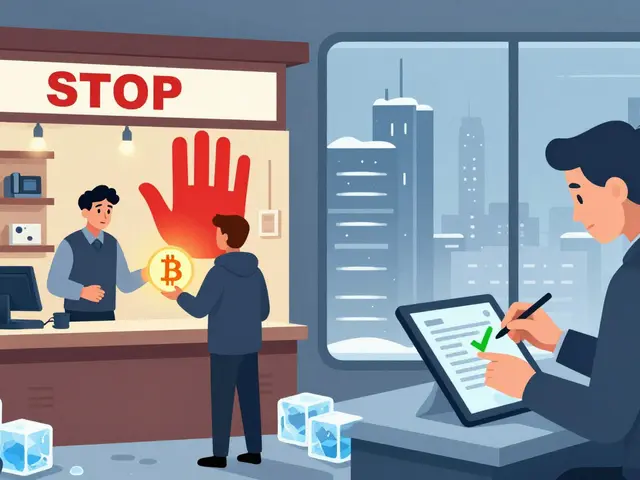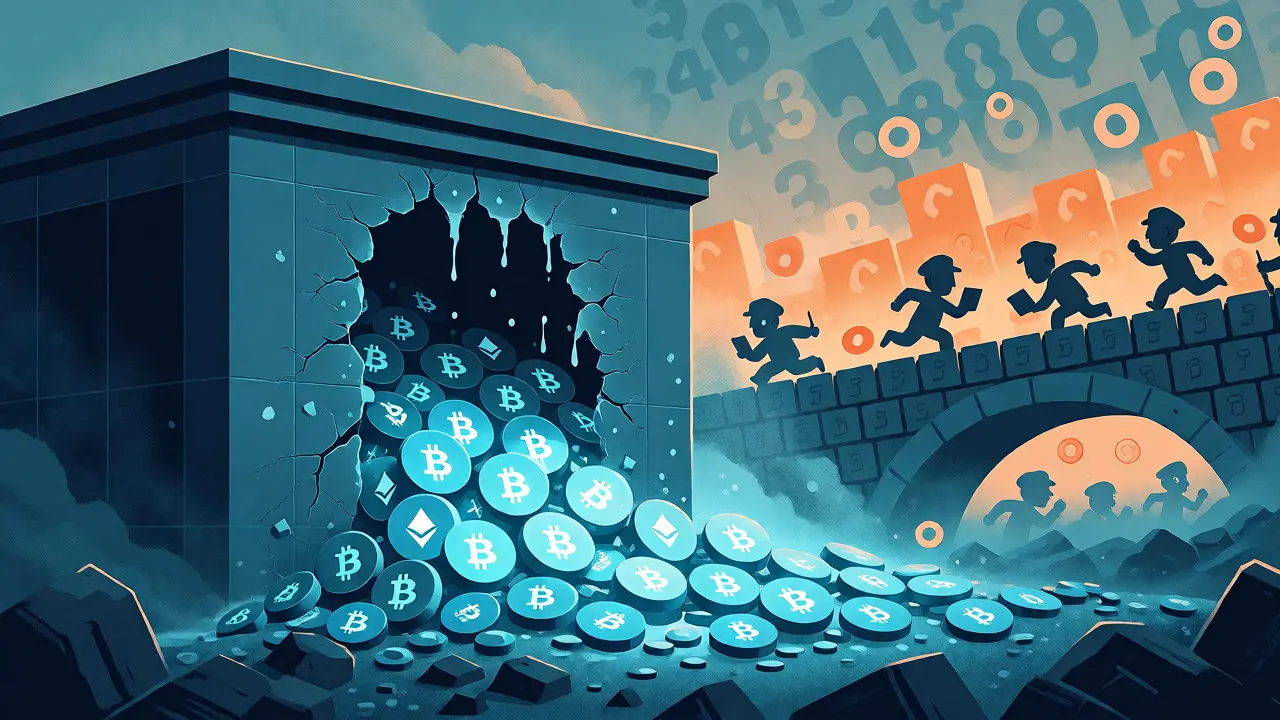

Imagine waking up to find $1.5 billion gone from your exchange. That is exactly what happened to Bybit in February 2025, marking the largest cryptocurrency theft in history. The culprit? North Korean state-sponsored hackers. But here is the twist: they didn't just steal it and vanish. They moved it across chains, mixed it, and tried to wash it clean before spending it. If you are a compliance officer, an investor, or just someone who cares about where their money goes, understanding how to detect North Korean crypto transactions isn't just academic-it's essential for survival in today's digital economy.
Why North Korea Wants Your Crypto
Before we talk about detection, let's look at motive. North Korea operates under heavy international sanctions due to its nuclear program. Traditional banking channels are largely closed off. So, they turned to cybercrime. Between 2017 and 2023, these hackers stole roughly $3 billion through 58 separate attacks. This money funds weapons development and elite lifestyle perks for the regime's leadership.
The FBI's Internet Crime Complaint Center (IC3) has flagged this as a persistent threat. It is not random theft; it is strategic revenue generation. When you see a massive outflow of ETH or BTC that doesn't match normal market volatility, ask yourself: could this be Pyongyang?
The Anatomy of a DPRK Heist
Detecting these transactions requires knowing the playbook. North Korean hackers, often grouped under clusters like "TraderTraitor," don't work alone. They use sophisticated social engineering to compromise exchanges and DeFi platforms. Once inside, they execute smart contract exploits or private key thefts.
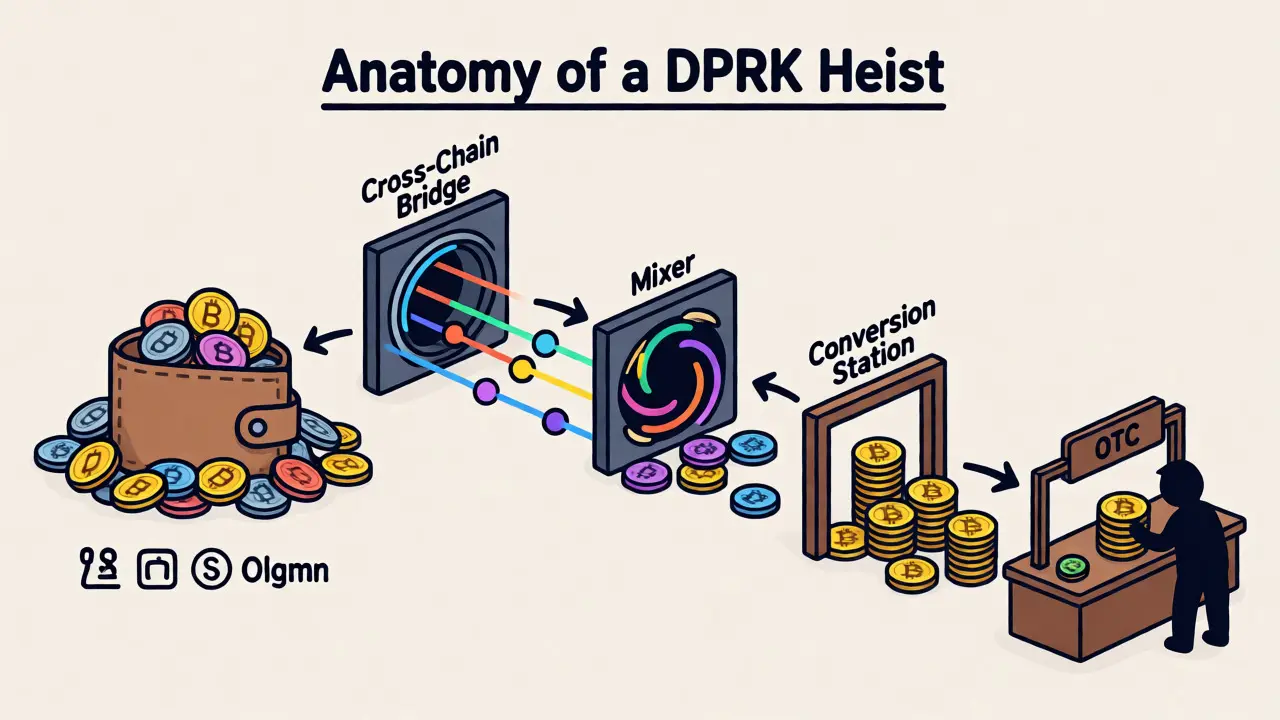
But the real challenge starts after the theft. The stolen assets rarely stay in one place. A typical flow looks like this:
- Initial Theft: Assets are drained from the victim's hot wallet.
- Cross-Chain Bridging: Funds are moved from Ethereum to other networks like Binance Smart Chain or Solana to break the trail.
- Conversion: Altcoins are swapped into Bitcoin, the preferred store of value for the regime.
- Mixing/Obfuscation: Coins pass through mixers or CoinJoin services to obscure origin.
- Laundering: Final conversion happens via OTC desks or marketplaces like Huione Guarantee.
This multi-step process is designed to overwhelm analysts. Nick Carlsen, a former FBI expert now at TRM Labs, calls this the "flood the zone" technique. They generate rapid, high-frequency transactions across multiple platforms to confuse compliance teams and law enforcement.
Tools of the Trade: TRM Labs vs. Chainalysis
You cannot spot these patterns with a basic block explorer. You need specialized blockchain intelligence firms. Two names dominate this space: TRM Labs and Chainalysis. Both offer distinct advantages for detecting North Korean activity.
| Feature | TRM Labs | Chainalysis |
|---|---|---|
| Core Strength | Deep profiling of DPRK-specific laundering tactics and cross-chain bridges. | Visualizing fund flows with Reactor graphs and comprehensive risk scoring. |
| Key Methodology | Identifies shifts from traditional mixers to speed-based obfuscation. | Breaks down attack phases from initial compromise to final destination. |
| Notable Case Study | Confirmed DPRK responsibility for major breaches via advanced attribution. | Designated the Feb 2025 Bybit hack as the largest crypto theft in history. |
| Best For | Understanding evolving DPRK strategies and bridge vulnerabilities. | Real-time monitoring and visual tracing of complex transaction trees. |
TRM Labs excels at tracking the specific behavioral changes of North Korean actors. For instance, as regulators cracked down on mixers like Tornado Cash, DPRK hackers shifted toward using cross-chain bridges more aggressively. TRM's reports highlight this pivot, showing how they prioritize speed over deep anonymity now.
Chainalysis, on the other hand, offers robust visualization tools. Their Reactor interface allows analysts to map out every hop a coin takes. In the DMM Bitcoin exploit case, where $305 million was stolen, Chainalysis helped trace 4,502.9 Bitcoin through intermediary addresses until they hit mixing services. This visual clarity is crucial for legal proceedings and insurance claims.
Spotting the Red Flags
If you are managing a treasury or running an exchange, what should you watch for? Here are concrete indicators that a transaction might involve North Korean actors:
- Unusual Bridge Activity: Watch for large volumes moving between Ethereum, Solana, and BSC simultaneously. Normal users rarely jump across three chains in minutes.
- Rapid Conversion to BTC: If stolen altcoins are instantly swapped to Bitcoin, it signals intent to hold value rather than trade.
- High-Frequency Micro-Txs: Look for thousands of small transactions splitting large sums. This is a classic "flood the zone" tactic to evade detection thresholds.
- Connection to Known Clusters: Check if wallets interact with known DPRK-linked entities. Tools can flag addresses previously associated with Lazarus Group or TraderTraitor.
- Stationary Bitcoin Holdings: Interestingly, TRM Labs notes that much of the converted Bitcoin sits idle. This suggests preparation for large-scale liquidation via OTC deals later, rather than immediate spending.
Don't ignore the role of centralized points of failure. Marketplaces like Huione Guarantee have been exposed as facilitating cybercrimes. If funds end up there, the trail likely leads back to illicit sources.

The Challenge of Cross-Chain Obfuscation
The biggest hurdle in detection today is interoperability. Hackers love cross-chain bridges because they create gaps in visibility. When ETH moves to another chain, the direct link breaks unless the bridge provider shares data. Many do not.
North Korean operators exploit this. They might swap ETH for SOL, then SOL for USDC on a different network, then back to BTC. Each step adds noise. Traditional single-chain analysis fails here. You need tools that support multi-chain graph analysis. This means looking at the entire ecosystem, not just one ledger.
Furthermore, the rise of decentralized exchanges (DEXs) complicates things. There is no KYC gatekeeper. A hacker can swap tokens anonymously within seconds. This forces compliance teams to rely more on heuristic models-pattern recognition based on timing, volume, and counterparty behavior-rather than identity verification.
Future-Proofing Your Detection Strategy
The landscape is shifting. North Korean hackers are now researching ETFs and broader financial products. They aren't just targeting exchanges anymore; they are eyeing venture funds and wealthy individual holders. Your detection strategy must evolve accordingly.
Consider integrating predictive analytics. Instead of reacting to a hack, can you identify suspicious wallet behaviors before the drain? Some firms are developing AI models that flag unusual signing patterns or dormant wallets suddenly becoming active.
Also, keep an eye on regulatory updates. As sanctions tighten, new lists of sanctioned addresses emerge. Ensure your screening tools update in real-time. A static list will miss newly identified DPRK-affiliated wallets within hours of discovery.
Finally, remember that technology alone isn't enough. Human expertise matters. Understanding the geopolitical context helps interpret anomalies. Why would a wallet send 100 BTC to a Cambodian marketplace? Context clues matter as much as code.
How do North Korean hackers launder stolen crypto?
They typically use a combination of cross-chain bridges to move assets between networks like Ethereum and Solana, convert them into Bitcoin, and then pass them through mixing services or CoinJoin protocols. Finally, they often use over-the-counter (OTC) desks or online marketplaces like Huione Guarantee to cash out into fiat currency or stablecoins.
Which companies are best for detecting North Korean crypto transactions?
TRM Labs and Chainalysis are the leading firms. TRM Labs specializes in profiling DPRK-specific laundering tactics and cross-chain movements, while Chainalysis offers powerful visualization tools like Reactor to track fund flows and assign risk scores to wallets.
What is the "flood the zone" technique?
This is a tactic used by North Korean hackers to overwhelm compliance teams and law enforcement. They execute rapid, high-frequency transactions across multiple platforms simultaneously, creating a noisy data environment that makes it difficult to trace the primary flow of stolen funds.
Why do North Korean hackers prefer Bitcoin?
Bitcoin is the most liquid and widely recognized cryptocurrency. It serves as a stable store of value for the regime. After stealing various altcoins, hackers quickly convert them to Bitcoin to preserve value before eventually liquidating it through OTC markets to fund state programs.
Can I detect these transactions without expensive software?
For small amounts, yes, but it is difficult. Basic block explorers can show transaction history, but they lack the clustering algorithms and historical attribution data needed to confidently identify DPRK actors. Professional tools are necessary for accurate detection, especially when dealing with cross-chain obfuscation.
Comments (4)

- Jen Spain
- November 18, 2026 AT 04:57 AM
omg $1.5 billion just evaporated?? that is absolutely insane and terrifying for anyone holding crypto right now i honestly feel like we are all just waiting for the other shoe to drop lol

- Jimmy Chicaiza
- November 19, 2026 AT 06:01 AM
honestly its crazy how sophisticated they get with the bridging stuff but do you think ai detection will actually catch up fast enough or will they always stay one step ahead of us

- Luke Annis
- November 19, 2026 AT 09:10 AM
the "flood the zone" tactic is basically digital smoke bombs thrown by ghosts 🌫️👻 it’s not just theft it’s a theatrical performance designed to make compliance teams cry into their spreadsheets while Pyongyang buys another missile 🚀💸 the sheer audacity of moving billions through bridges like they’re crossing a puddle in flip-flops is both horrifying and kind of impressive in a twisted way 😱🤡

- Janna Fazekas
- November 21, 2026 AT 02:45 AM
The reliance on heuristic models over identity verification represents a fundamental regression in financial accountability, effectively rendering the blockchain's transparency moot when faced with state-sponsored obfuscation.