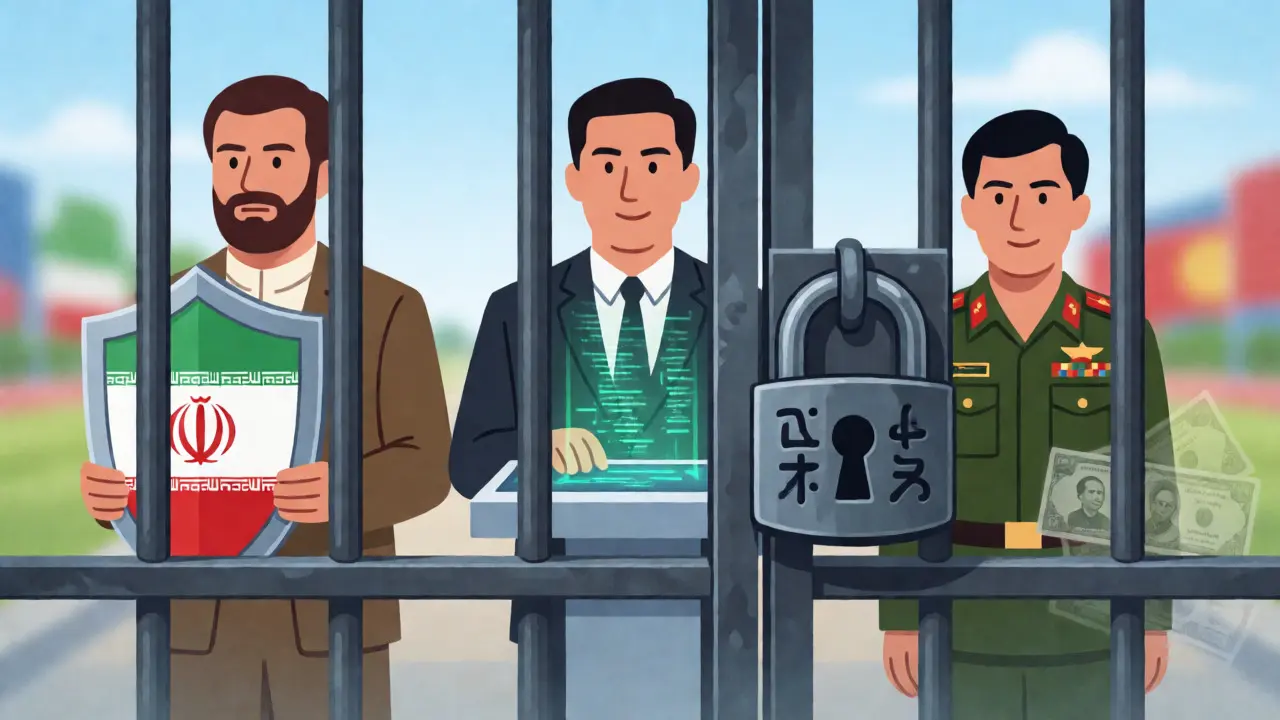

Imagine trying to send money across borders, only to find every major bank and exchange blocking your transaction because of where you live. This isn't a hypothetical scenario for citizens in Iran, North Korea, and Myanmar. These three nations sit at the bottom of the Financial Action Task Force (FATF) blacklist, facing some of the strictest financial restrictions on the planet. As of September 2026, they remain the only jurisdictions classified as "High-Risk Jurisdictions Subject to a Call for Action," meaning the global financial system treats them with extreme suspicion.
Why does this matter to you? Because these countries aren't just isolated economies; they are active players in the cryptocurrency world. From billion-dollar heists by state-sponsored hackers in Pyongyang to everyday Iranians using Bitcoin to escape inflation, the intersection of sanctions and digital assets creates a complex web of risk and opportunity. If you trade crypto, run a business, or simply care about global finance, understanding who is blacklisted and why is essential for navigating today's market.
The Core Three: Who Is on the FATF Blacklist?
The FATF doesn't maintain a simple list of "bad guys." Instead, it categorizes jurisdictions based on their adherence to Anti-Money Laundering (AML) and Counter-Terrorist Financing (CFT) standards. Currently, only three countries face the highest level of scrutiny: Iran, North Korea, and Myanmar. While other nations appear on the "Grey List" (Jurisdictions Under Increased Monitoring), these three are subject to countermeasures-essentially, the rest of the world is told to treat their financial transactions as high-risk.
| Country | Primary Risk Factor | Crypto Impact | Status |
|---|---|---|---|
| Iran | Sanctions evasion & weak AML controls | High retail adoption; capital flight via BTC | Countermeasures applied |
| North Korea | State-sponsored cybercrime & proliferation | $1.5B+ stolen from exchanges (e.g., ByBit) | Countermeasures applied |
| Myanmar | Military junta financing & drug trafficking | Emerging use for illicit cross-border payments | Enhanced due diligence required |
It’s crucial to distinguish between the types of restrictions. For Iran and North Korea, the FATF calls for full countermeasures. This means banks and businesses in compliant countries must apply enhanced due diligence or even sever ties entirely. Myanmar, while still on the blacklist, currently faces enhanced due diligence requirements rather than the most severe isolation measures, though its status remains volatile following political instability.
North Korea: The Billion-Dollar Hacker State
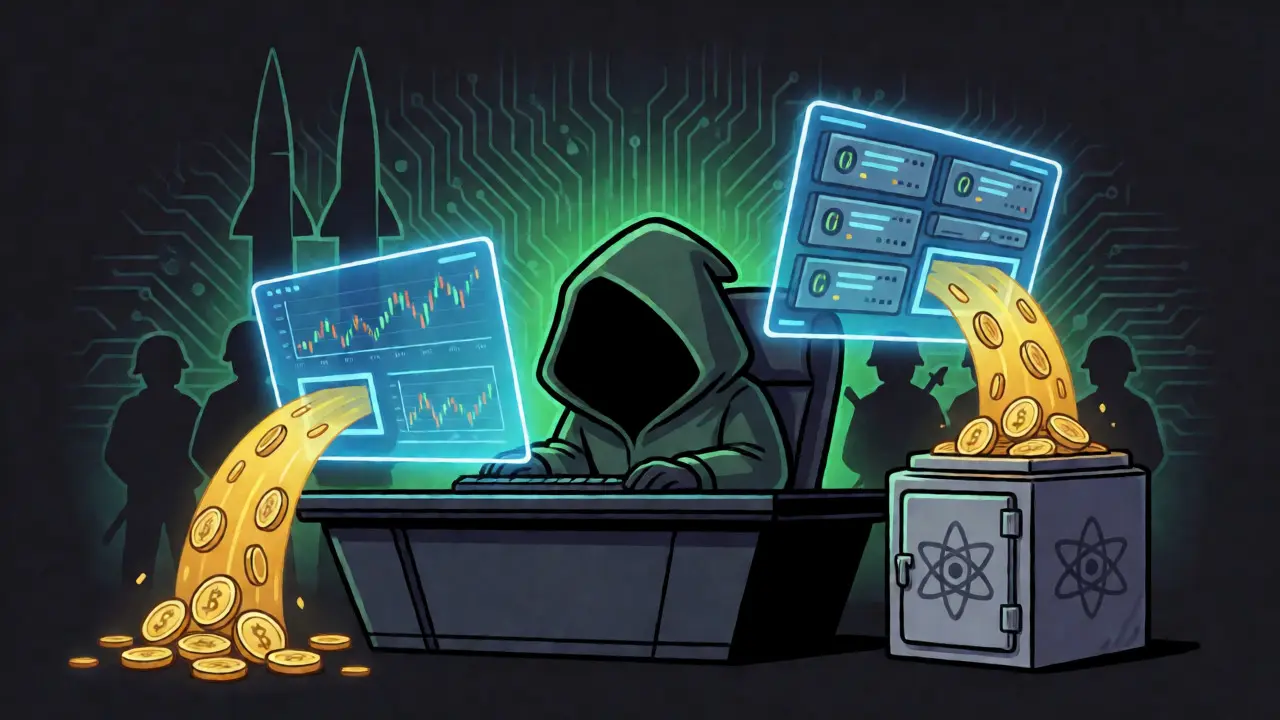
If you think of North Korea, you might picture soldiers and missiles. But one of the regime's most potent weapons is its keyboard. The Democratic People's Republic of Korea (DPRK) has turned cryptocurrency theft into a primary revenue stream for funding its nuclear program. Unlike traditional smuggling, which carries physical risks, cyberattacks allow the regime to siphon billions without moving a single soldier across a border.
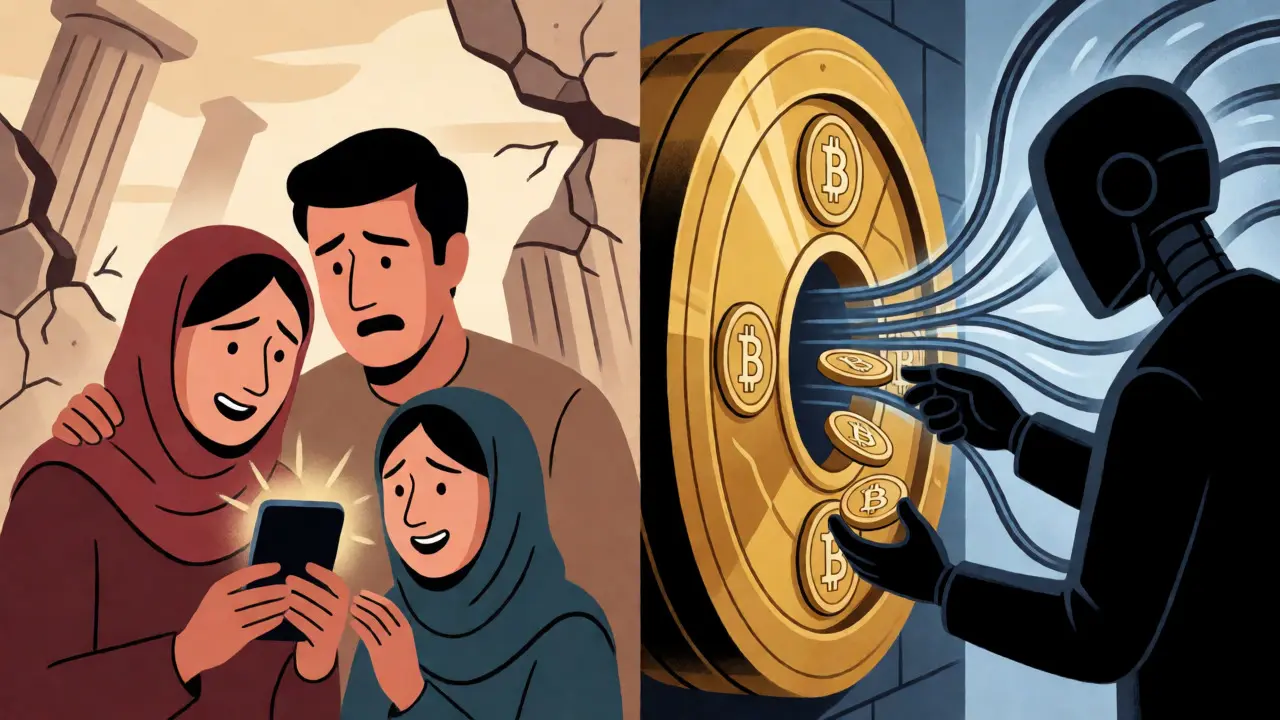
Recent data highlights the scale of this operation. In February 2025, hackers linked to the DPRK stole approximately $1.5 billion from ByBit, a major centralized exchange. This wasn't a small-time burglary; it was a sophisticated campaign targeting virtual asset service providers (VASPs). According to Chainalysis, sanctioned jurisdictions collectively received $15.8 billion in cryptocurrency during 2024. That represents nearly 39% of all illicit crypto transactions globally. When you consider that North Korea accounts for a massive chunk of that figure, it becomes clear why exchanges are terrified of their IP addresses.
The method is often clever. Hackers don't just steal coins; they launder them through mixers and privacy coins like Monero, making it incredibly difficult for law enforcement to trace the funds back to Pyongyang. For investors, this means that any coin showing unusual volume spikes from unknown wallets could be part of a larger laundering scheme tied to state actors.
Iran: Survival Money and Sanctions Evasion
While North Korea uses crypto to fund war machines, ordinary Iranians use it to survive economic collapse. Iran has been on the FATF blacklist since 2020, largely due to its failure to implement key international banking laws. But paradoxically, this isolation has driven one of the highest rates of cryptocurrency adoption in the Middle East.
Why? Because the Iranian Rial loses value rapidly, and traditional banking channels are cut off from the global SWIFT network. For an Iranian citizen wanting to buy imported goods or save for the future, Bitcoin offers a lifeline. It is censorship-resistant and self-custodial. You don't need a bank account to hold it; you just need a seed phrase. This allows families to move wealth out of the country quietly, bypassing government capital controls.
However, this grassroots adoption creates headaches for regulators. Centralized exchanges in Iran have seen surges in transaction outflows, suggesting widespread capital flight. The challenge for the global community is distinguishing between a grandmother sending Bitcoin to her son in Europe and the Islamic Revolutionary Guard Corps (IRGC) moving millions to purchase military technology. Current monitoring tools struggle to make that distinction without deep blockchain analysis, leading to broad-brush sanctions that hurt regular users.
Myanmar: The Emerging Grey Zone
Myanmar joined the blacklist later than its peers, but its inclusion signals a shift in how the FATF views political instability. Following the military coup, the country's financial systems came under intense scrutiny. The junta needs cash to maintain control, and traditional foreign investment has dried up. Enter cryptocurrency.
Reports indicate a rise in crypto usage for cross-border payments in Myanmar, often facilitated through informal networks. Unlike Iran and North Korea, Myanmar is not yet subject to the same level of hard countermeasures, but the "enhanced due diligence" label acts as a warning light for international banks. Financial institutions must now ask harder questions about the source of funds when dealing with Myanmar-linked entities. This friction slows down legitimate trade but also makes it harder for illicit actors to blend in unnoticed.
How Crypto Exchanges Enforce the Ban
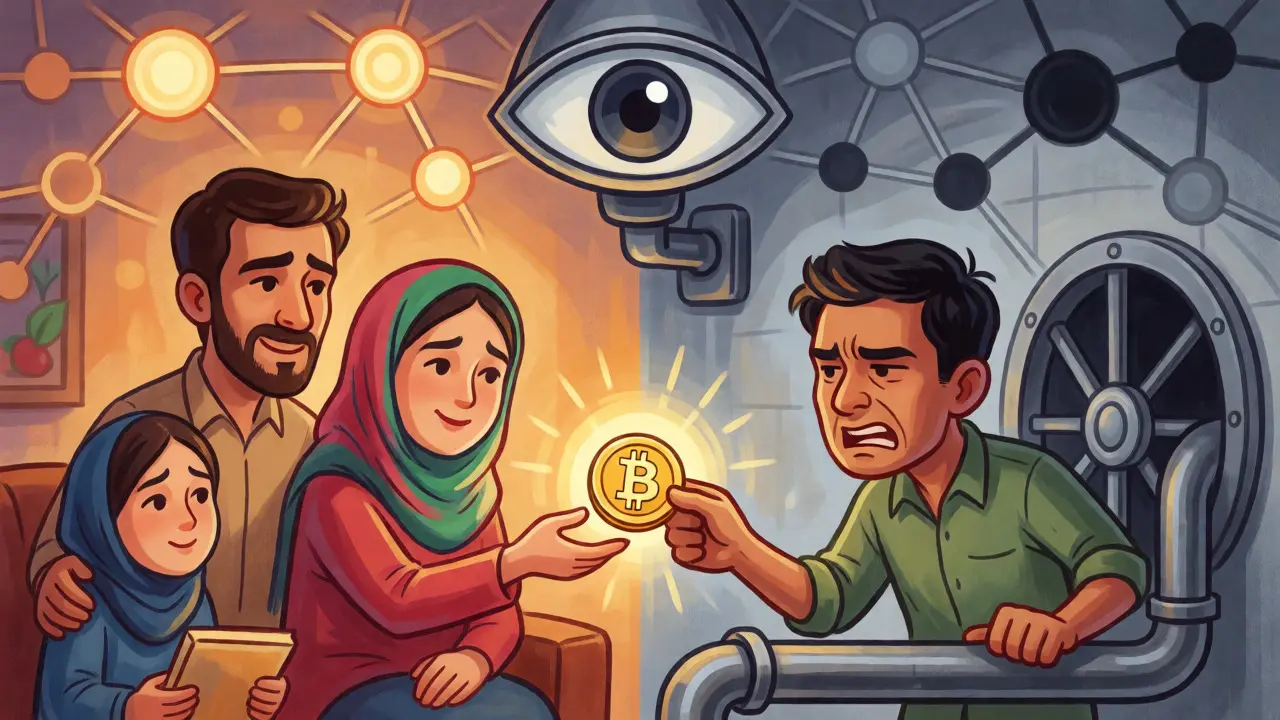
You might wonder: "If Bitcoin is decentralized, how can anyone ban it?" The answer lies in the choke points. While the blockchain itself cannot be stopped, the bridges between fiat currency and crypto-the exchanges-can. Major platforms like Coinbase, Binance, and Kraken comply with U.S. Treasury regulations enforced by the Office of Foreign Assets Control (OFAC).
Here is what happens if you try to trade from a blacklisted country:
- Geoblocking: Most exchanges block IP addresses originating from Iran, North Korea, and Myanmar. You literally cannot create an account.
- KYC Restrictions: Even if you use a VPN, Know Your Customer (KYC) checks will reject passports from these jurisdictions.
- Wallet Freezing: OFAC maintains a list of specific cryptocurrency addresses associated with sanctioned entities. If your wallet interacts with these addresses, exchanges may freeze your funds automatically.
In 2024 alone, OFAC issued 13 designations that included cryptocurrency addresses, marking a significant escalation in efforts to target the infrastructure supporting sanctioned states. This means compliance isn't just about checking a passport; it's about scanning the entire history of a digital wallet.
The Global Ripple Effect
The existence of these blacklists affects more than just the residents of those three countries. It forces global financial institutions to invest heavily in compliance technology. With three-quarters of FATF Global Network countries still noncompliant or partially compliant with virtual asset standards, the pressure is mounting. Banks are wary of touching any transaction that might indirectly touch a blacklisted jurisdiction, leading to "de-risking," where they simply refuse to do business with certain sectors altogether.
This creates a fragmented internet of finance. Users in free markets enjoy seamless transfers, while those in restricted zones rely on peer-to-peer (P2P) markets or local exchanges that operate in regulatory grey areas. For the average investor, this means diversification is key. Holding assets solely on a centralized exchange exposes you to the risk of sudden delisting or freezing if geopolitical tensions escalate.
What exactly is the FATF blacklist?
The FATF blacklist, officially known as "High-Risk Jurisdictions Subject to a Call for Action," lists countries with strategic deficiencies in their anti-money laundering and counter-terrorist financing regimes. Currently, only Iran, North Korea, and Myanmar are on this list, requiring other countries to apply strict countermeasures against their financial sectors.
Can I buy Bitcoin if I live in Iran?
Directly buying Bitcoin on major international exchanges like Coinbase or Binance is generally impossible due to geoblocking and KYC restrictions. However, many Iranians use local exchanges or peer-to-peer (P2P) platforms to acquire crypto, often paying a premium for the convenience and access.
How does North Korea steal cryptocurrency?
North Korean state-sponsored hacking groups, such as the Lazarus Group, conduct sophisticated cyberattacks on cryptocurrency exchanges and DeFi protocols. They exploit software vulnerabilities to drain funds directly from hot wallets, then use mixing services to obscure the trail before converting the assets into fiat or stablecoins.
Is Myanmar fully banned from crypto trading?
Myanmar is not subject to the same total countermeasures as Iran and North Korea, but it is on the blacklist. This means international banks and exchanges must apply enhanced due diligence. While not universally banned, accessing global liquidity is significantly harder, and many major platforms restrict services to mitigate risk.
Why does the FATF update its lists so infrequently?
Removing a country from the blacklist requires demonstrating sustained improvements in legal frameworks and enforcement effectiveness. This process takes years of evaluation. Conversely, adding a country requires evidence of significant systemic failures. The slow pace ensures stability but can lag behind rapid changes in political or economic landscapes.
Categories
Popular Articles