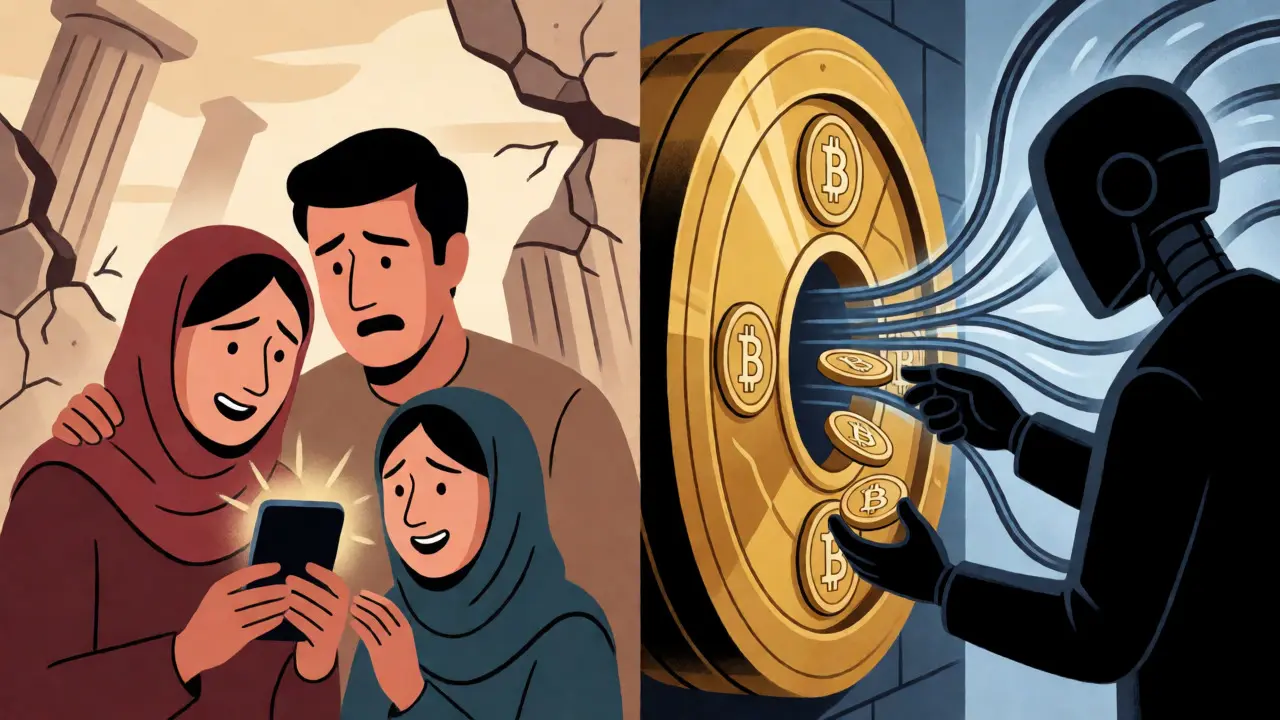

Imagine trying to send money home from a country where your bank accounts are frozen by international sanctions. For millions in Iran, this isn't hypothetical-it's daily life. Now, imagine that same money moving through digital channels that regulators struggle to track. This is the reality of the FATF blacklist, which currently flags three nations as high-risk jurisdictions for financial crime: Iran, North Korea, and Myanmar. These aren't just names on a list; they represent significant challenges for global compliance, particularly as cryptocurrency becomes a primary tool for both survival and evasion.
Who Is on the FATF Blacklist Right Now?
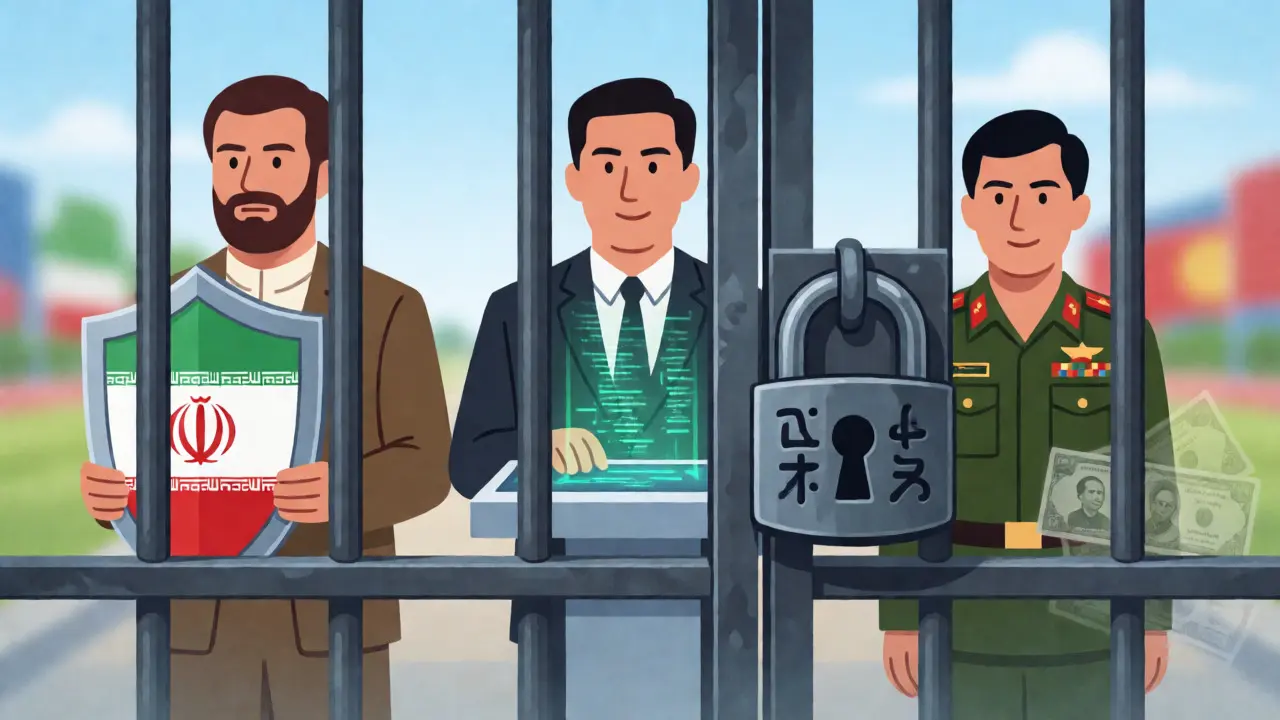
The Financial Action Task Force (FATF) doesn't hand out blacklists lightly. As of mid-2025, only three countries hold the distinction of being "High-Risk Jurisdictions Subject to a Call for Action." This status means the rest of the world must apply strict countermeasures. It’s not just about saying "be careful"; it’s about actively restricting financial flows. Iran has been under these calls since February 2020, reflecting long-standing concerns over its anti-money laundering controls. North Korea faces similar scrutiny, driven largely by its state-sponsored cyber operations. Myanmar joined the conversation more recently due to political instability and weak regulatory frameworks, though it faces enhanced due diligence rather than full countermeasures like the other two.
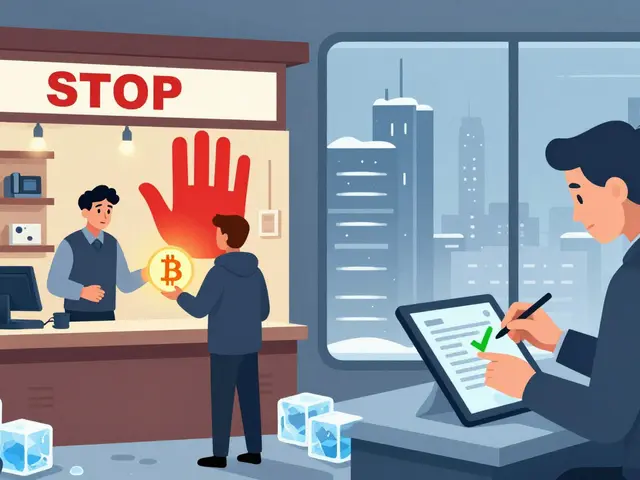
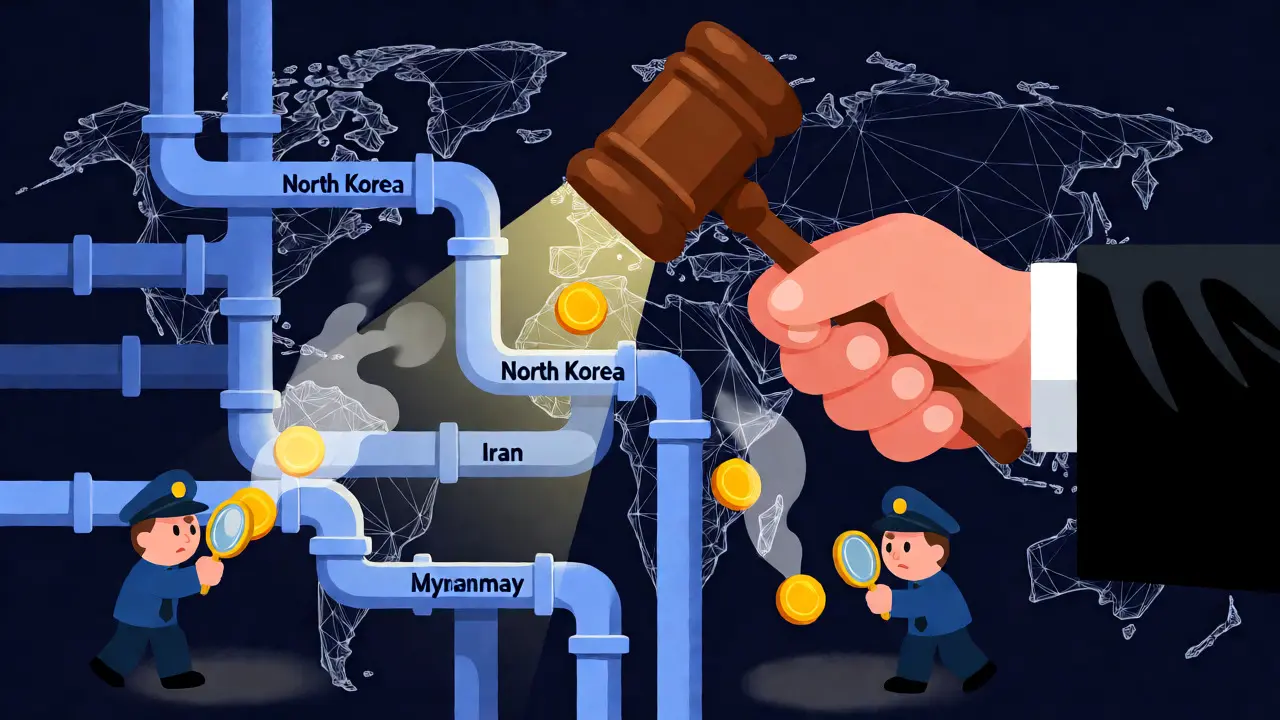
Why does this matter for you? If you're trading crypto or running a fintech business, these designations trigger immediate red flags. Banks may refuse transactions involving entities linked to these countries. Exchanges might freeze assets if they suspect exposure to sanctioned addresses. The goal of the FATF is simple: cut off the flow of dirty money. But in the decentralized world of blockchain, cutting off one pipe often just encourages users to find another.
North Korea: The Billion-Dollar Cyber Heist Machine
Let's talk about the elephant in the room. North Korea isn't just participating in the crypto economy; it's stealing from it. The regime uses cryptocurrency theft to fund its weapons programs and bypass economic isolation. Recent data shows their sophistication is terrifying. In February 2025, hackers linked to North Korea reportedly siphoned $1.5 billion from ByBit, a major exchange. That’s not a typo. One attack. Billions lost.
This isn't random hacking. It's organized, state-backed industrial espionage. According to Chainalysis, sanctioned jurisdictions collectively received $15.8 billion in cryptocurrency in 2024. Nearly 60% of sanctions-related activity value involved these jurisdictions. North Korea uses mixing services-tools that blend crypto coins together to obscure their origin-to launder these stolen funds. They turn traced Bitcoin into untraceable Monero or mix it across thousands of wallets until regulators lose the trail. For exchanges, this creates a nightmare. How do you verify a deposit when the source could be a nation-state actor with infinite resources?
Iran: Survival Crypto Amidst Sanctions
Iran presents a different challenge. Here, crypto adoption isn't just about speculation; it's about survival. With traditional banking cut off from SWIFT and US dollars locked away, Iranians turned to Bitcoin and stablecoins. Centralized exchanges in Iran saw massive surges in transaction outflows during 2024. Why? Capital flight. People are moving wealth out of the Rial before it devalues further.
This legitimate need for financial freedom collides with illicit use. The Islamic Revolutionary Guard Corps (IRGC) has faced specific designations from the U.S. Treasury's Office of Foreign Assets Control (OFAC). In 2024 alone, OFAC issued 13 designations involving crypto addresses, targeting networks used to move oil revenues and fund regional proxies. The problem for compliance officers is distinguishing between a grandmother buying Bitcoin to protect her savings and a shell company moving millions for the IRGC. Both look similar on the blockchain until you dig deep into the metadata and behavioral patterns.

Myanmar: The Emerging Risk Zone
While Iran and North Korea dominate headlines, Myanmar represents a growing concern. Following political upheaval, the country's financial oversight weakened significantly. The FATF placed Myanmar under increased monitoring, citing gaps in enforcing anti-money laundering laws. Unlike Iran, Myanmar doesn't face the same level of global banking exclusion yet, but the risk profile is rising sharply.
Crypto usage here often links to jade trade financing and cross-border payments with neighbors who also have lax regulations. Scammers and local syndicates use virtual assets to move proceeds from illegal gambling and drug trafficking. Because Myanmar lacks robust Virtual Asset Service Provider (VASP) licensing, many trades happen peer-to-peer or on unregulated platforms. This makes it a blind spot for global investigators. If you're dealing with Southeast Asian markets, keep an eye on Myanmar-linked wallet clusters-they’re becoming increasingly active.
The Global Compliance Gap
Here is the uncomfortable truth: the system meant to stop these flows is leaking. FATF data reveals that three-quarters of its member countries were either non-compliant or only partially compliant with virtual asset standards as of April 2024. Think about that. Most of the world hasn't fully implemented the rules needed to track crypto properly. This creates systemic vulnerabilities.
- Mixing Services: Tools like Tornado Cash allow users to break the link between sender and receiver. Regulators hate them because they destroy transparency.
- Anonymity Coins: Privacy-focused cryptocurrencies like Monero make tracing nearly impossible without specialized forensics.
- Unlicensed VASPs: Many exchanges operate outside strict jurisdictions, ignoring Know Your Customer (KYC) requirements.
The U.S. Financial Crimes Enforcement Network (FinCEN) is pushing back hard. They proposed rules to designate groups like the Huione Group as primary money laundering concerns. FinCEN works with Counter Illicit Finance Teams (CIFT) to train foreign law enforcement. But training takes time, and bad actors move fast. The gap between regulation and reality is where the money hides.
How Sanctions Are Evolving
We are no longer just blocking banks. We are blocking code. The U.S. and allies have moved beyond traditional banking sanctions to target the infrastructure supporting sanctioned states. This includes freezing crypto assets directly on-chain. When OFAC adds an address to its Specially Designated Nationals (SDN) list, any U.S. person touching those tokens risks penalties. Exchanges comply automatically, often freezing funds without warning.
This shift affects everyone. If you bought Bitcoin from a peer who unknowingly got paid by a sanctioned entity, your funds could get flagged. It’s a game of digital tag where the "it" can stick to you even if you did nothing wrong. The Netherlands Central Bank and other European regulators are tightening capital buffer requirements specifically to account for these cyclical risks. They know that geopolitical shocks now ripple through crypto markets instantly.
| Jurisdiction | Primary Crypto Driver | Major Threat Type | Regulatory Status |
|---|---|---|---|
| Iran | Capital flight, sanctions evasion | State-linked transfers (IRGC) | Call for Action (Countermeasures) |
| North Korea | Revenue generation via theft | Cyber heists, mixing services | Call for Action (Countermeasures) |
| Myanmar | Informal trade, weak oversight | Local syndicates, P2P flows | Enhanced Due Diligence |
What This Means for Investors and Traders
You don't need to be a compliance officer to care about this. If you hold crypto, you are exposed to jurisdictional risk. Here is how to protect yourself:
- Check Your Source: Use blockchain analytics tools to see if your incoming funds have ever touched known sanctioned addresses. Platforms like Chainalysis or Elliptic provide this data.
- Avoid Obscure Mixers: Sending funds through popular mixers can flag your wallet as high-risk, even if your intent was innocent.
- Diversify Custody: Don't keep all your assets on one exchange. If that exchange freezes your account due to a compliance sweep, you need access elsewhere.
- Stay Updated: The FATF updates its lists regularly. In June 2025, they added the British Virgin Islands and Bolivia to increased monitoring while removing Croatia and Mali. The landscape shifts quickly.
The dynamic between legitimate crisis-driven crypto use and illicit state-sponsored activity is complex. Bitcoin’s censorship-resistant nature helps Iranians flee economic turmoil, but it also helps North Korean spies fund nuclear tests. Recognizing this duality is key to navigating the modern financial landscape. The blacklist isn't going away anytime soon. In fact, as enforcement tightens, expect more aggressive actions against privacy tools and unlicensed exchanges.
Which countries are currently on the FATF blacklist?
As of mid-2025, the three countries classified as High-Risk Jurisdictions Subject to a Call for Action are Iran, North Korea, and Myanmar. Iran and North Korea require full countermeasures from other nations, while Myanmar is subject to enhanced due diligence measures.
Why is North Korea considered a major crypto threat?
North Korea is considered a major threat because it uses sophisticated cyberattacks to steal billions of dollars in cryptocurrency from exchanges and DeFi protocols. These funds help finance the regime's military and nuclear programs, bypassing traditional banking sanctions.
How does the FATF blacklist affect regular crypto investors?
It increases compliance scrutiny. Exchanges may freeze funds if they detect connections to blacklisted jurisdictions or sanctioned addresses. Investors should ensure their sources of funds are clean and avoid using mixing services that might trigger automated compliance alerts.
Is Myanmar fully blacklisted like Iran and North Korea?
Not exactly. While Myanmar is on the high-risk list, it faces "enhanced due diligence" rather than the full "countermeasures" applied to Iran and North Korea. However, the risk profile is rising due to weak regulatory enforcement and political instability.
What are countermeasures in the context of the FATF?
Countermeasures are specific actions taken by other countries to protect their financial systems from high-risk jurisdictions. These can include refusing to open branches of banks from the blacklisted country, applying stricter checks on transactions, or limiting business relationships entirely.
Comments (5)

- Eugene McGrath
- September 9, 2026 AT 22:30 PM
Another day another FATF list update that barely moves the needle on actual enforcement. The US Treasury and OFAC are doing the heavy lifting while these international bodies just talk about "enhanced due diligence" for Myanmar like it's a new concept. We need to stop pretending that adding countries to a grey list changes anything when our own compliance infrastructure is still catching up from 2017. North Korea stealing $1.5B from ByBit proves that state-sponsored actors don't care about your KYC forms or your VASP licensing status. They have infinite resources and zero fear of regulatory fines because they operate outside the system entirely. Mixing services and privacy coins will always win against bureaucratic lag unless we start treating code as law at the protocol level. Until then this whole blacklist is just theater for people who think regulation equals security.

- adam veikkanen
- September 11, 2026 AT 00:06 AM
You're ignoring the fact that the blacklist exists to force banks to de-risk which actually does hurt Iran's ability to trade oil even if crypto is growing.

- Kathryn Haber
- September 12, 2026 AT 14:13 PM
the money never stops flowing it just changes shape
we build walls and they dig tunnels under them its funny how humans think they can control value with lists and names when value itself is wild and untamed
iranians aren't criminals they're survivors using tools we gave them but forgot to maintain
the blacklists are maps of power not truth

- Emerson Droguet
- September 14, 2026 AT 06:15 AM
I appreciate the nuance regarding the distinction between survival-driven adoption in Iran versus state-sponsored theft in North Korea. It is crucial for investors to understand that not all sanctioned jurisdiction activity carries the same risk profile.
The point about checking source funds via blockchain analytics is particularly valuable for retail traders who might unknowingly inherit tainted assets. I would also suggest looking into Chainalysis' recent reports on the Huione Group as they illustrate the complexity of Southeast Asian laundering networks quite well.
Thank you for highlighting the compliance gap; it serves as a reminder that regulatory frameworks are often reactive rather than proactive in the crypto space.

- Michael Rubin
- September 15, 2026 AT 18:41 PM
Agreed on the distinction between the jurisdictions. It helps to separate the political noise from the actual operational risks.
Post-Comment
Categories
Popular Articles