
You found an ad for BIJIEEX and it looks promising. Low fees, easy interface, maybe even some bonuses. But before you wire your hard-earned money into this new platform, you need to ask one critical question: Who actually watches over their money?
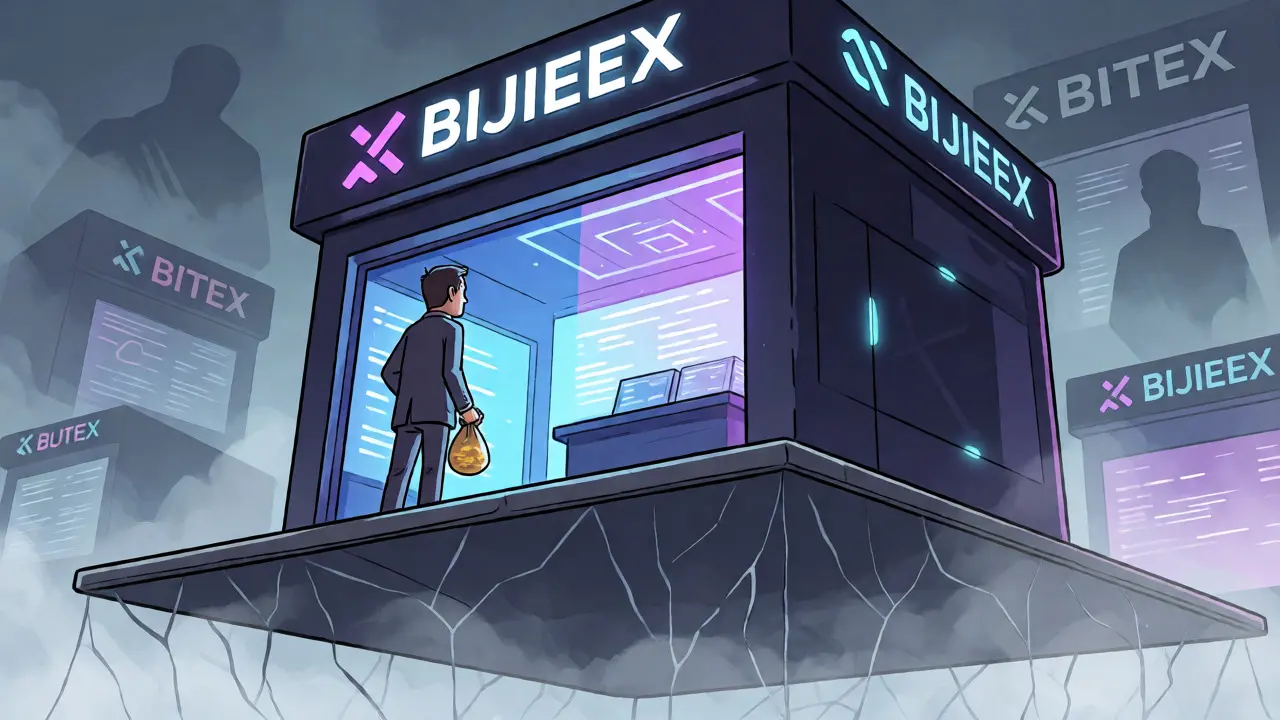
Here is the uncomfortable truth about BIJIEEX right now. There is almost zero independent data on this specific brand name in major financial registries. When researchers dig for "BIJIEEX," they often find references to similar-sounding platforms like Bitex, which have mixed reputations and significant regulatory gaps. This lack of clear identity is a massive red flag in the crypto world. If a platform isn't famous enough to be reviewed by big sites, but new enough to promise high returns, it usually means you are either early to something great or late to a trap.
The Identity Crisis: What Is BIJIEEX?
Let's get real. In the cryptocurrency space, names matter. A legitimate exchange like Coinbase or Kraken has a decade-long paper trail. BIJIEEX does not. Searches for this exact term yield very little authoritative history. Instead, users often confuse it with other entities or encounter it through social media ads that pop up suddenly.
This obscurity creates two scenarios:
- It is a brand-new startup: They haven't had time to build a reputation yet. This carries high risk because there is no track record of paying out withdrawals during market crashes.
- It is a rebranded or cloned entity: Many shady operators change their names every few months to dodge bad reviews. If BIJIEEX shares code or design templates with older, less reputable exchanges, that is a warning sign.
We looked at comparable platforms. For instance, Bitex is often cited in reviews as having slow customer service and unclear regulation status. While we cannot confirm BIJIEEX is Bitex, the naming similarity and the lack of distinct regulatory footprint suggest you should treat them with the same caution.
Regulatory Status: The Missing Shield
The most important attribute of any crypto exchange is its license. Think of a license as a shield. If the exchange goes bankrupt or steals your funds, a regulated entity (like those under the SEC in the US or FCA in the UK) has rules to follow. You might get some protection.
As of late 2025 and early 2026, there is no public evidence that BIJIEEX holds a Level 1 or Level 2 regulatory license from major jurisdictions.
| Feature | BIJIEEX (Estimated) | Coinbase (US) | Kraken (Global) |
|---|---|---|---|
| Regulator Oversight | Unknown / None Listed | SEC, FINRA, State MTLs | FCA, FinCEN, VARA |
| Customer Protection | Low (Self-Custody Risk) | High (FDIC on USD) | Moderate to High |
| Audit Transparency | Unclear | Regular Proof of Reserves | Regular Proof of Reserves |
| Risk Level | Very High | Low | Low to Medium |
Without a regulator, if BIJIEEX freezes your account, who do you call? There is no ombudsman. There is no government agency waiting to intervene. You are essentially trusting a private company with no external checks and balances. Traders Union, a known financial watchdog, frequently flags unregulated brokers as unsafe. Their methodology relies on checking official registry databases. If a platform isn't there, they advise against using it.
User Experience and Operational Red Flags
If you manage to deposit money, what happens next? User feedback on similar low-profile exchanges often highlights three pain points:
- Withdrawal Delays: Deposits are instant. Withdrawals take days. Sometimes weeks. Support says "processing." Then silence.
- Poor Customer Service: Tickets go unanswered for 48+ hours. Live chat bots loop you in circles. Real humans are rare.
- Hidden Fees: The advertised fee is 0.1%. But when you withdraw, there is a fixed network fee plus a "service charge" that eats into your profits.
One common tactic used by newer, unregulated platforms is offering "bonus credits." You deposit $100, they give you $50 bonus. Sounds great, right? But often, you cannot withdraw that bonus until you trade a certain volume, and sometimes you cannot withdraw your principal either until you meet impossible conditions. Read the fine print. Always.
Security Risks: Where Does Your Money Go?
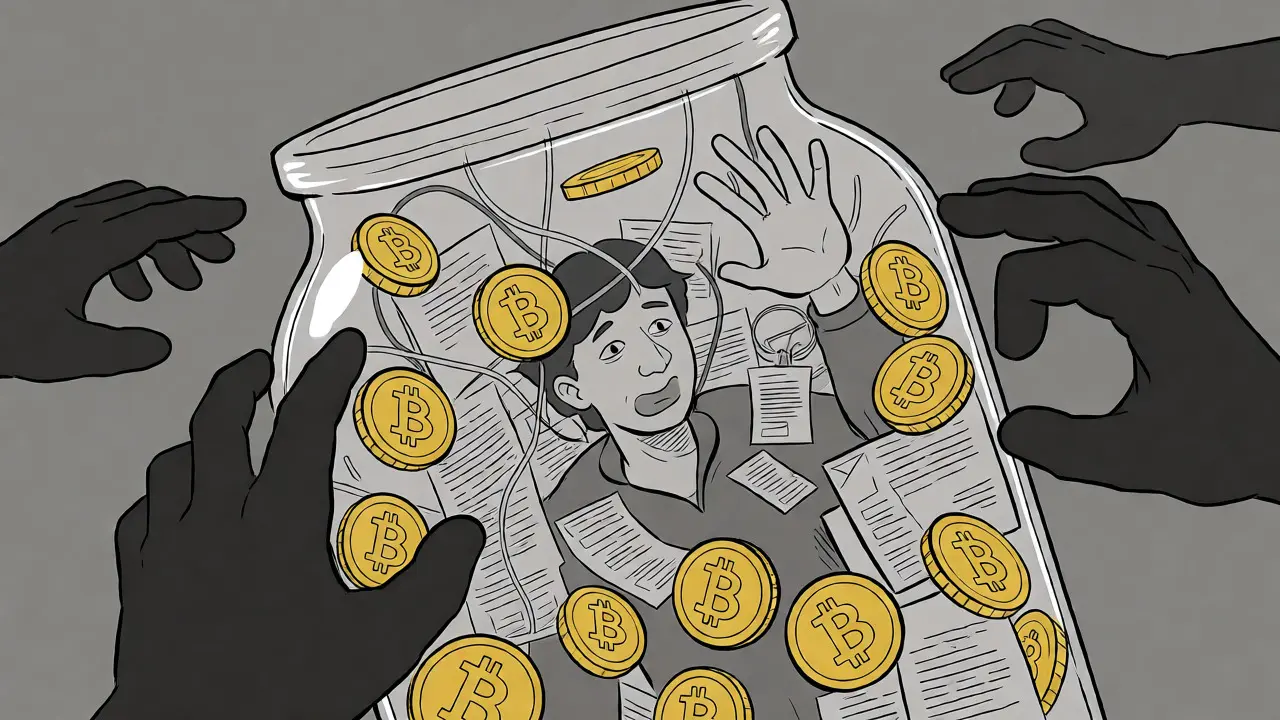
When you buy Bitcoin on a centralized exchange, you don't own the Bitcoin. You own an IOU. The exchange holds the actual coins in cold storage wallets. If BIJIEEX is hacked, or worse, if the founders run off with the keys, your balance becomes zero overnight.
Look for these security features. If they are missing, walk away:
- Two-Factor Authentication (2FA): Mandatory, not optional.
- Proof of Reserves: Do they publish monthly audits showing they hold 1:1 assets for user deposits? Major exchanges like Binance and Coinbase do this. Obscure ones rarely do.
- Insurance Fund: Does the exchange have a dedicated fund to cover hacks? Most small platforms do not.
Remember the collapse of FTX? It wasn't just about bad management; it was about a lack of transparency. Unregulated platforms operate in the dark. You cannot see their books. You cannot verify their solvency. You are flying blind.

Should You Use BIJIEEX?
So, why would anyone use BIJIEEX? Usually, it comes down to accessibility. Maybe you live in a country where Coinbase doesn't offer local bank transfers. Maybe you want to trade obscure altcoins that big exchanges don't list. Or maybe you saw a referral link from a friend.
But here is the rule of thumb: Never keep more money on an unregulated exchange than you can afford to lose completely.
If you must use BIJIEEX, follow these steps to minimize risk:
- Start Small: Deposit $50. Try to withdraw it immediately. See how long it takes.
- Verify KYC Early: Don't wait until you try to withdraw $5,000 to discover they need your passport, utility bill, and a selfie video.
- Keep Records: Screenshot every transaction, support chat, and email. If things go south, you'll need proof.
- Move Profits Out: As soon as you make a profit, move it to a hardware wallet like Ledger or Trezor. Don't let the exchange hold your gains.
The Verdict
Is BIJIEEX a scam? We can't say for sure without a smoking gun. But it fits the profile of a high-risk, unregulated platform. It lacks the trust signals that established exchanges provide. The confusion with other brands like Bitex adds to the uncertainty.
For serious investors, the peace of mind offered by regulated exchanges is worth slightly higher fees. For gamblers looking for a moonshot on a tiny altcoin, maybe the risk is acceptable. But for your retirement savings? Keep it somewhere else.
Is BIJIEEX a legitimate crypto exchange?
Legitimacy is hard to confirm due to limited public data. It appears to be a smaller, possibly unregulated platform. Unlike Coinbase or Kraken, it lacks prominent regulatory licenses from major bodies like the SEC or FCA, making it a higher-risk option compared to established competitors.
Does BIJIEEX have a license?
As of November 2026, there is no widely recognized evidence of BIJIEEX holding a Level 1 or Level 2 regulatory license from top-tier financial authorities. Users should check the platform's footer for license numbers and verify them independently on the regulator's website, as fake licenses are common among obscure exchanges.
What are the main risks of using BIJIEEX?
The primary risks include lack of regulatory oversight, potential withdrawal delays, poor customer support responsiveness, and the possibility of the platform being a clone or rebrand of another entity. Without insurance or audits, your funds are exposed to operational failure or fraud.
How does BIJIEEX compare to Bitex?
Information on BIJIEEX is scarce, while Bitex has documented user complaints regarding slow transactions and unclear regulation. Both share characteristics of smaller, less-regulated platforms. Investors should be cautious of name similarities, as scammers often mimic successful or known brand names to confuse users.
Can I trust BIJIEEX with large amounts of money?
Generally, no. Large capital allocations should go to regulated, audited exchanges with proven track records. Using BIJIEEX for large sums increases exposure to liquidity issues and potential insolvency risks that larger, licensed platforms mitigate through strict compliance requirements.