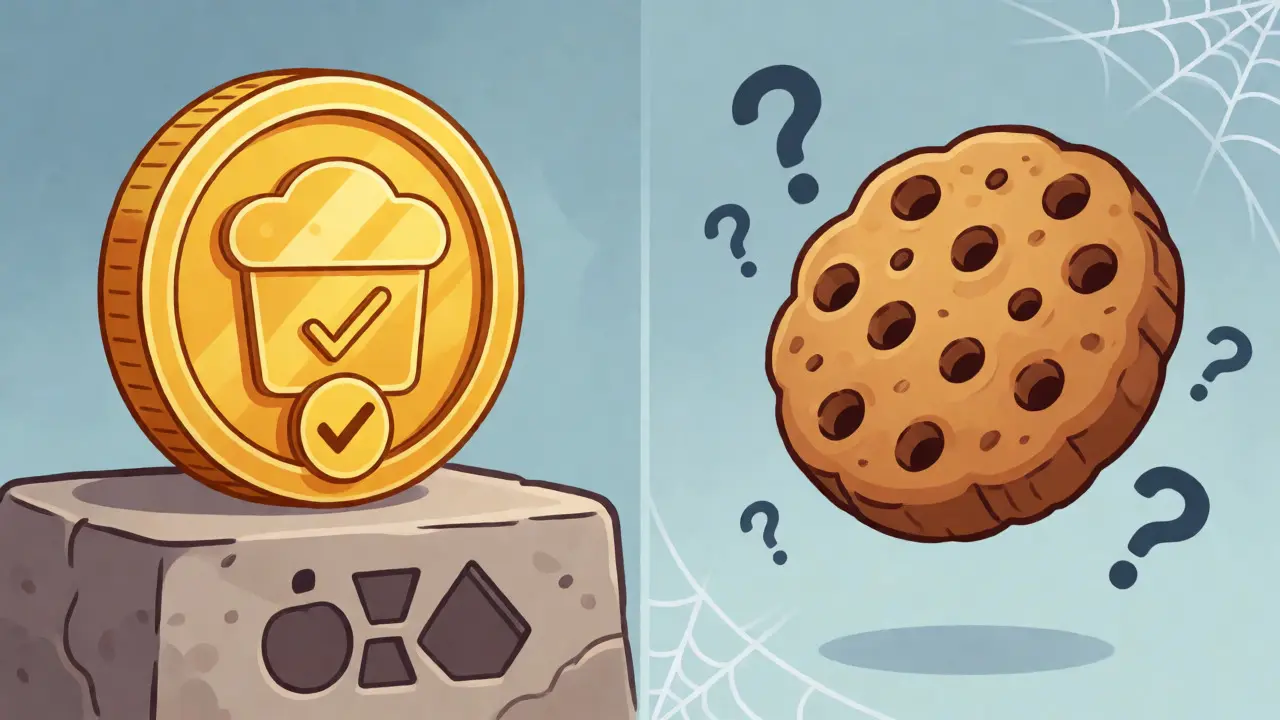

You see the name BAKECOIN, and your brain immediately connects it to BakeryToken (BAKE), the native asset of the popular BakerySwap decentralized exchange on BNB Chain. It makes sense. The names sound similar, and BAKE has been around for years. But here is the kicker: there is currently no official, verified BAKECOIN airdrop by Bake Coin announced by the established BakerySwap team. If you are hunting for free tokens, you need to tread carefully because confusion between similar-sounding projects is a classic trap in the crypto world.
This article breaks down what we know about potential BAKE-related distributions, how to verify if an airdrop is real, and why distinguishing between BakeryToken and any new "Bake Coin" project is critical for keeping your wallet safe. We will look at the current state of the ecosystem, common airdrop mechanics, and red flags that scream "scam."
The Confusion: BAKE vs. BAKECOIN
First, let's clear up the naming mess. BakeryToken (BAKE) is a well-established utility and governance token launched in 2020. It powers the BakerySwap platform, which offers AMM trading, NFT minting, and launchpad services on the Binance Smart Chain (now BNB Chain). Analysts have projected steady growth for BAKE through 2026, with some forecasts suggesting prices could climb toward $0.60 if DeFi adoption continues.
Now, enter "Bake Coin" or "BAKECOIN." In the cryptocurrency space, new tokens often pop up with names designed to ride the coattails of successful brands. If you encountered a claim about a "BAKECOIN airdrop," it likely refers to one of two scenarios:
- A New, Unrelated Project: A completely different blockchain project named "Bake Coin" that wants attention and is using the similarity to BAKERY as a marketing hook.
- A Phishing Attempt: Scammers creating fake websites that mimic BakerySwap but use slightly altered names like "Bake Coin" to trick users into connecting their wallets and approving malicious transactions.
There is no record in major financial databases or official BakerySwap announcements of a separate entity called "Bake Coin" distributing its own distinct airdrop under that specific branding recently. Most legitimate airdrops from the BakerySwap ecosystem involve BAKE itself or related ecosystem tokens, not a separate "BAKECOIN" ticker.
How Crypto Airdrops Actually Work
To understand why you should be skeptical, you need to know how legit airdrops function. They aren't just random giveaways; they are strategic tools for bootstrapping liquidity and decentralizing governance. According to industry standards, airdrops typically fall into three categories:
- Bounty Airdrops: You complete tasks-follow Twitter, join Telegram, retweet posts-to earn tokens.
- Holder Airdrops: You get tokens simply for holding a specific cryptocurrency (like ETH or BNB) at a certain snapshot date.
- Exclusive Airdrops: Reserved for early adopters, developers, or active community members who contributed code or content.
For example, recent large-scale events like the Berachain (BERA) distribution valued at roughly $678 million targeted users who interacted with the testnet. Kaito AI distributed nearly $200 million worth of KAITO tokens to NFT holders and community participants. These projects had massive user bases and clear technical milestones before announcing rewards. Does "Bake Coin" have this kind of infrastructure?
Verifying the Airdrop: A Step-by-Step Checklist
Before you connect your MetaMask or Trust Wallet to any site claiming to offer a BAKECOIN airdrop, run through this verification process. This isn't just paranoia; it's basic hygiene in Web3.
| Feature | Legitimate Project (e.g., BakerySwap) | Suspicious Project (Potential Scam) |
|---|---|---|
| Official Website | Domain matches brand exactly (bakeryswap.org). HTTPS secured. | Typo domains (bakeryswap.co, bake-coin.io). Poor design. |
| Social Media | Verified accounts with years of history and consistent engagement. | New accounts created days ago. Generic bot-like comments. |
| Smart Contract | Verified on BSCScan/Etherscan. Audited by firms like CertiK. | Unverified contract. No audit reports available. |
| Claim Process | Connect wallet -> Sign message -> Receive tokens. Low gas fees. | Asks for private key. Requires sending ETH/BNB first. |
If a site asks you to send money to "claim" your free tokens, walk away. Real airdrops cost you only gas fees (transaction costs), which are usually minimal on BNB Chain. If they ask for your seed phrase, it is 100% a scam. Your seed phrase is the master key to your entire wallet; never type it into a website field unless you are restoring your own wallet.
The State of BakerySwap (BAKE) Ecosystem
Let's pivot back to the actual token people might be confusing this with: BakeryToken. Even if there isn't a "Bake Coin" airdrop, is BAKE worth watching? The ecosystem remains active. BakerySwap provides a suite of DeFi products including cross-chain bridges and an NFT marketplace.
Market analysts predict BAKE could see significant movement through 2026. Some models suggest a minimum price floor around $0.35, with upside potential reaching $0.40-$0.60 depending on broader market conditions and BNB Chain activity. The token serves multiple functions:
- Governance: Holders vote on protocol changes.
- Liquidity Mining: Users stake BAKE to earn rewards.
- Fee Discounts: Using BAKE can reduce trading fees on the platform.
Because the project is mature, it doesn't rely on flashy new "airdrops" to stay relevant. Instead, it focuses on utility. If you are holding BAKE, keep an eye on official channels for updates on staking rewards or ecosystem partnerships, rather than chasing unverified "BAKECOIN" claims.
Red Flags in the Current Airdrop Landscape
The year 2025 and heading into 2026 has seen a surge in airdrop farming. Projects like Monad, Abstract, and Eclipse have used point systems to reward users for testing networks. This has led to a crowded field where scammers try to piggyback on hype.
Here are specific warning signs for any "Bake Coin" opportunity:
- Urgency: "Claim within 24 hours or lose your tokens!" Legit projects rarely impose such aggressive deadlines without prior notice.
- Vague Whitepapers: If you can't find a detailed technical document explaining how the blockchain works, it's likely vaporware.
- Anonymous Team: While many DeFi projects are anonymous, a lack of any identifiable leadership combined with a request for upfront payment is suspicious.
- Inconsistent Tickers: Check the contract address. If the ticker says "BAKE" but the contract address doesn't match the official BakerySwap BAKE contract on BSCScan, it's a different token entirely.
Remember, the goal of a scammer is to drain your wallet. They don't care about your portfolio performance; they care about getting you to sign a transaction that approves unlimited spending of your USDT or BNB.
What Should You Do Now?
If you are interested in BAKE-related opportunities, stick to the source. Go to bakeryswap.org. Check their official Twitter handle @BakerySwapOrg. If an airdrop is happening, it will be posted there with links to verified smart contracts.
If you saw a social media ad for "BAKECOIN," treat it as high-risk until proven otherwise. Do these three things:
- Search the Contract Address: Copy the token contract address from the airdrop site and paste it into BSCScan. Look at the number of holders and transaction volume. A new token with zero volume is risky.
- Check CoinGecko/CoinMarketCap: Is the token listed? Major aggregators do due diligence. If it's missing, be cautious.
- Join Community Discussions: Search Reddit or Discord for "Bake Coin airdrop scam." See if others are reporting issues.
Crypto investing requires patience. Chasing every shiny object leads to losses. Focus on projects with transparent teams, audited code, and real utility. Whether it's BAKE or another project, verify before you trust.
Is BAKECOIN the same as BakeryToken (BAKE)?
No, they are likely different entities. BakeryToken (BAKE) is the established token for BakerySwap. "BAKECOIN" may refer to a newer, less-known project or a phishing attempt using a similar name. Always check the contract address to confirm identity.
How do I claim a legitimate crypto airdrop?
You typically connect your Web3 wallet (like MetaMask) to the official project website, sign a transaction (which costs gas fees), and receive the tokens directly in your wallet. Never share your private key or seed phrase.
Are all crypto airdrops scams?
No, many are legitimate strategies to distribute governance rights and bootstrap liquidity. However, the popularity of airdrops attracts scammers. Verification through official sources and checking smart contract audits is essential to distinguish real opportunities from fakes.
What is the predicted price of BAKE in 2026?
Analyst forecasts vary, but some models suggest BAKE could range between $0.35 and $0.60 in 2026, depending on DeFi adoption and BNB Chain growth. These are predictions, not guarantees.
Why does my wallet ask for approval when claiming an airdrop?
Approval allows the smart contract to transfer tokens to you. Be careful: ensure the contract address is correct. Malicious contracts may request unlimited approvals, allowing them to move other tokens from your wallet later.
Categories
Popular Articles