
Picture a digital asset that claims to honor the origins of the famous dog-themed crypto craze while trying to dethrone the king itself. That is exactly where ShibEstee sits in the crowded marketplace of March 2026. If you've stumbled upon the ticker $ESTEE, you're looking at a fan-driven project rooted in nostalgia. It markets itself as the "original Doge killer," paying homage to Estee, the actual Shiba Inu who inspired the logo for the broader Shiba Inu ecosystem.
Understanding ESTEE isn't just about checking today's price; it requires digging into why the community supports it. We are seeing a complex narrative here. On one hand, you have the legacy connection to Shiba Inu ($SHIB). On the other, there is the technical reality of how the token functions across different blockchains. Before you consider buying or holding, you need the full picture of supply mechanics, market volatility, and the inherent risks involved with meme tokens.
The Origin Story Behind the Token
You cannot talk about ShibEsteeESTEEA fan-driven cryptocurrency honoring the dog behind the original Shiba Inu logo. without addressing its namesake. While many projects claim lineage, ESTEE ties directly back to the physical dog. Estee was reportedly the inspiration for the original Shiba Inu mascot image used in early internet culture and later adopted by the SHIB team. The creators of ESTEE aim to bridge this gap between the real-world dog and the digital token economy.
This creates a unique psychological hook for investors. Unlike generic memes that pop up overnight, ESTEE carries a sense of "historical accuracy." However, does this translate to long-term utility? That remains the core question. The project positions itself as a competitor to DogecoinA popular cryptocurrency featuring a dog theme and high transaction volume. ($DOGE), yet it acknowledges its smaller scale. This dual positioning-honoring the past while challenging the present-drives much of its marketing narrative. It appeals to old-school crypto enthusiasts who remember the early days of Shiba Inu speculation and want to recapture that feeling.
Tokenomics: Supply and Distribution
When analyzing any crypto asset, the numbers matter more than the hype. ESTEE operates with a fixed total supply cap, which helps prevent inflationary pressure over time. Here is a breakdown of the key metrics driving the token's economics:
| Metric | Value |
|---|---|
| Total Supply | 1 Quadrillion (1P) |
| Circulating Supply | 600 Trillion (60%) |
| Holders (Approx.) | 1,030 |
A supply of one quadrillion might sound massive compared to Bitcoin's 21 million, but it is standard practice in the meme sector to allow for fractional ownership and lower barrier entry. With 60% of that supply already circulating, the token is distributed among roughly 1,000 holders. This suggests a relatively concentrated community. It hasn't reached mass adoption yet, meaning you could be dealing with early-stage liquidity dynamics. Fewer holders often mean higher volatility because fewer people are actively trading the asset every day.
Blockchain Infrastructure and Accessibility
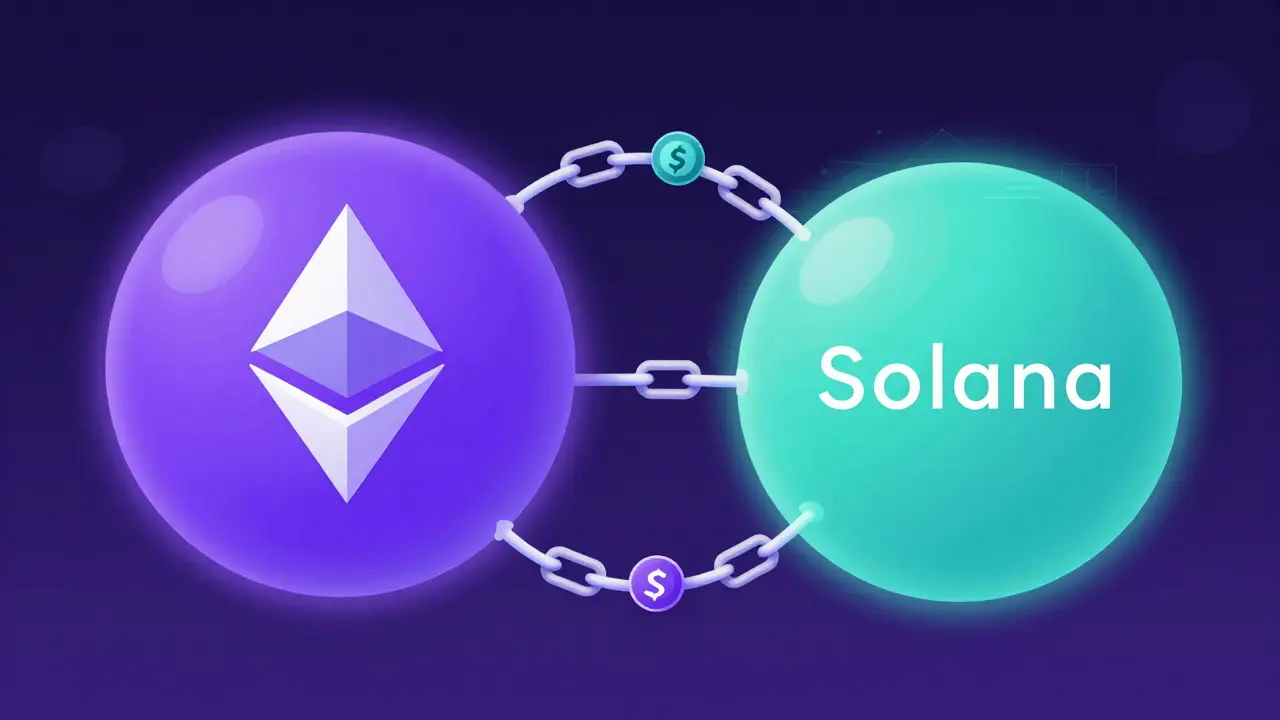
One advantage ESTEE holds over single-chain competitors is its multi-chain presence. Originally deployed on EthereumThe leading blockchain network for smart contracts and decentralized applications., the token maintains a primary contract address starting with `0x4200`. However, it has expanded to the SolanaA high-performance blockchain supporting fast transactions and low fees. blockchain. Why does this matter to you?
- Transaction Costs: Buying ESTEE on Ethereum can be expensive due to gas fees. Using the Solana version offers significantly cheaper transfers, making it more accessible for small retail traders.
- Liquidity Fragmentation: While having multiple chains sounds convenient, it splits liquidity. You might find plenty of money in the Ethereum pool but none in the Solana pool, or vice versa.
- Exchange Availability: Major centralized exchanges like Binance have not listed ESTEE. This limits you to Decentralized Exchanges (DEXs) or specialized aggregators like CoinSwitch.
If you plan to trade, you likely won't see this token on your favorite app like Coinbase immediately. You will need to interact with DEX interfaces. This introduces a layer of complexity-you need your own wallet (like MetaMask or Phantom) and knowledge of how to swap tokens safely. Always verify contract addresses before connecting wallets to avoid phishing scams, a common issue with cross-chain tokens.

Market Performance and Volatility Analysis
We are currently in late March 2026, and the history book shows some wild swings for ESTEE. Understanding the recent volatility helps manage expectations. The token hit its All-Time High (ATH) back on June 18, 2025. Since then, it has experienced a significant correction, dropping around 90% from that peak. Conversely, it saw a massive recovery phase rising over 470% from its lows earlier in the year.
This roller coaster is typical for meme coins but poses real risks. Current tracking tools show mixed data. Some platforms report a 24-hour increase of over 23%, while others show barely any movement. This discrepancy happens because liquidity is fragmented across different trackers and exchanges. For instance, DexTools might show active trading volume, whereas a larger tracker shows zero if the feed hasn't synced properly.
Technical indicators suggest the sentiment is cautious. The Fear & Greed Index hovers around 37, signaling fear among participants, yet the overall sentiment remains bullish based on the frequency of green days. A Relative Strength Index (RSI) reading near 63 indicates the token is approaching "overbought" territory short-term but hasn't broken into extreme panic zones. If you are a trader, watching the 50-day Simple Moving Average (SMA) is crucial; right now, it sits as a resistance level that buyers need to break to confirm an uptrend.
Risks and Regulatory Landscape
Investing in a meme token like ESTEE inherently involves high risk. Unlike utility tokens built for DeFi applications or stablecoins pegged to fiat currency, ESTEE derives most of its value from community belief and social media momentum. There is little fundamental economic activity backing the price beyond speculation.
Furthermore, regulatory clarity is murky. The SEC and other global bodies continue to evaluate the status of cryptocurrencies. Meme coins, lacking clear utility or development teams with public roadmaps, often face greater scrutiny. There is also the risk of centralization. With only about 1,000 holders, large wallets controlling a significant percentage of the supply could theoretically manipulate the price through coordinated buying or selling dumps. Always conduct your own due diligence before allocating capital you cannot afford to lose.
Finally, look at the predictions. Analysts forecast a potential short-term dip, suggesting prices might drop by nearly 26% before stabilizing again. Long-term views for 2027 paint a rosier picture, projecting potential highs, but rely heavily on continued community growth. Treat these predictions as scenarios, not guarantees.
Is ShibEstee available on Binance?
No, ShibEstee is not currently listed on Binance or similar major centralized exchanges. You will need to use a decentralized exchange (DEX) or aggregator services to buy or sell ESTEE.
Which blockchains support the ESTEE token?
ShibEstee operates primarily on the Ethereum blockchain but has also expanded availability to the Solana blockchain, allowing users to choose based on transaction speed and costs.
What is the total supply of ESTEE?
The token has a fixed maximum supply of 1 quadrillion (1P) tokens, with approximately 600 trillion currently in circulation as of early 2026.
Does ESTEE have a roadmap or development plan?
Public information regarding a detailed technical roadmap or specific utility developments is limited. The project focuses heavily on community engagement and meme culture rather than complex protocol upgrades.
Is ESTEE a secure investment for beginners?
Like all meme coins, it carries high volatility and risk. It is generally considered speculative and suitable only for those willing to potentially lose their entire investment.

Comments (6)

- Ashley Stump
- March 30, 2026 AT 13:56 PM
They claim 1 quadrillion supply but look at the wallet distribution its obviously rigged by insiders dumping onto retail again.

- Lisa Miller
- March 30, 2026 AT 16:30 PM
Hey just wanted to jump in here because i feel like everyone is getting too stressed out about the volatility we see daily. It is totally normal for meme coins to swing this hard especially when liquidity is split across chains like they mentioned. You actually have options to buy on solana which keeps costs down significantly compared to ethereum fees. Plus the holder count is growing slowly which shows people are sticking around for the long run. Remember that original dog logo story has been part of crypto history for years already so it is not completely new. There is definitely a nostalgic factor keeping the floor price steady even during dips. People who hold through corrections usually end up smiling at the recovery phases eventually. Just make sure you never invest money you cannot afford to lose because risk management is key here. Diversifying your bag helps smooth out those wild price swings we are seeing right now. Also checking the contract addresses before buying saves you from getting scammed by fake tokens easily. The devs seem quiet but the community is loud and that matters more sometimes for memecoins anyway. If you are patient you can catch the bounce back without chasing the highs every single day. Trading discipline is what separates the winners from the losers in this space entirely. Keep learning about blockchain mechanics while you wait for the next bull run. Good vibes always win in the end my friends.

- Elizabeth Akers
- March 30, 2026 AT 17:12 PM
i think the community is doing fine honestly just watch out for the gas fees on eth chain solana version makes way more sense for small trades though
we should probably focus on the utility side things first before hyping the price action again

- Matt Bridger
- March 31, 2026 AT 21:22 PM
The tokenomics are inherently flawed due to inflationary pressure despite their claims of fixed supply most meme projects rely solely on social momentum which is unsustainable over extended periods without utility layer integration
One quadrillion units creates psychological friction for valuation models used by institutional investors today

- Disha Patil
- April 2, 2026 AT 16:10 PM
my cousin tried to trade this last month and cried for days when the red candle came down everyone is scared now
i dont understand why people put their life savings into dog coins instead of real banks

- Jay Starr
- April 3, 2026 AT 15:47 PM
The market silence speaks louder than any chart analysis could ever hope to convey regarding the current state of affairs within this sector
We are watching a slow bleed rather than a sudden crash scenario unfold before our eyes