
You’ve heard the hype. Maybe you saw an ad on social media promising insane returns with zero risk, or a friend mentioned a new platform called xCrypt that sounds too good to be true. But before you send even a single dollar, stop. Right now. In the world of cryptocurrency, "too good to be true" usually means exactly that: it’s a trap.
This isn’t just a standard review of features and fees. This is a safety alert. Based on regulatory data from the California Department of Financial Protection and Innovation (DFPI) and user reports, the platform operating as xCrypt-specifically under the domain xcrypto.global-is classified as a fraudulent trading platform. It is no longer operational, and users have reported losing money to it. If you are looking for a place to trade Bitcoin, Ethereum, or any other digital asset, xCrypt is not it.
The Red Flags: Why xCrypto.global Is Not Legitimate
Let’s look at the hard facts. The California DFPI maintains a Crypto Scam Tracker, a public database designed to warn consumers about dangerous platforms. xCrypt, operating via xcrypto.global, is listed here as a confirmed fraudulent scheme. This isn’t a rumor; it’s an official regulatory classification.
Here is what happened:
- User Losses: A California resident reported losing $1,000 after depositing funds into the platform.
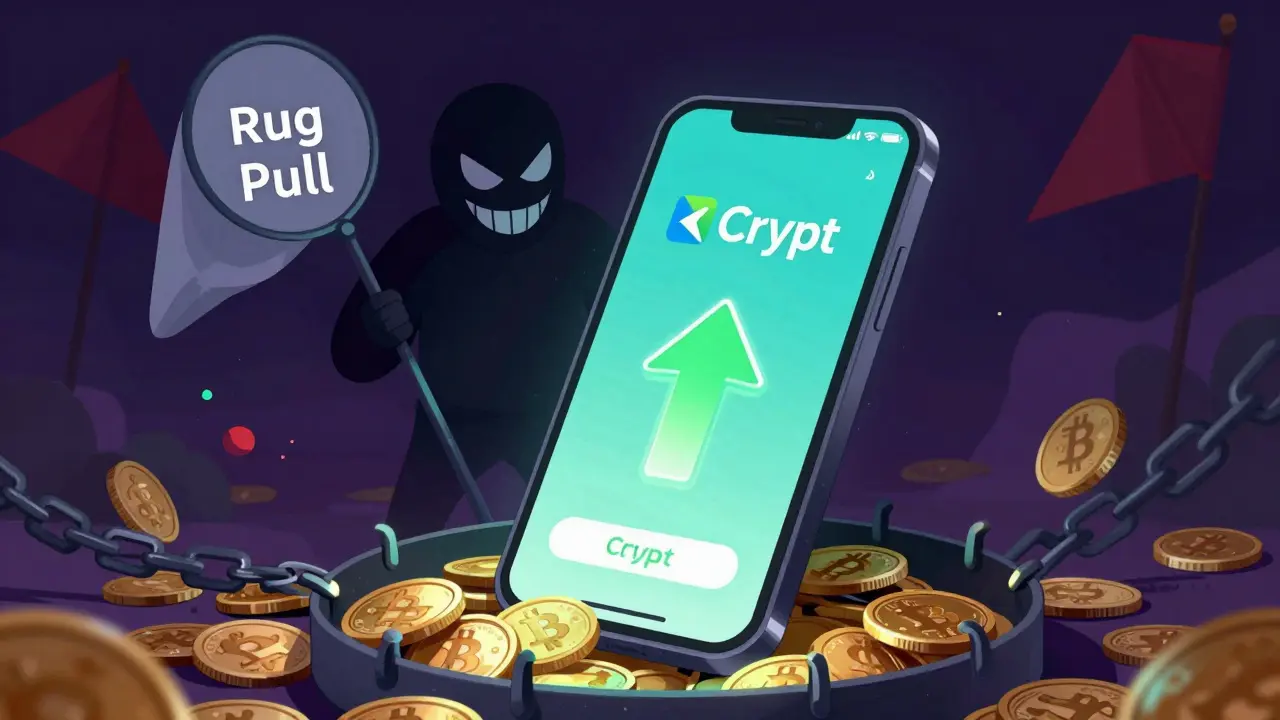
- Sudden Disappearance: After taking deposits, the platform ceased operations. This is a classic "rug pull" tactic where operators vanish with user funds.
- Lack of Transparency: Legitimate exchanges publish their team members, office locations, and licensing information. xCrypt offered none of this.
If a website disappears overnight after you deposit money, you won’t get customer support. You won’t get a refund. You’ll just get silence. That is the reality of dealing with unregulated, fraudulent entities.
How to Spot a Fake Exchange Before You Lose Money
Fraudulent platforms like xCrypt often use sophisticated marketing to look professional. They might copy the design of real exchanges or use fake testimonials. Here is how you can protect yourself:
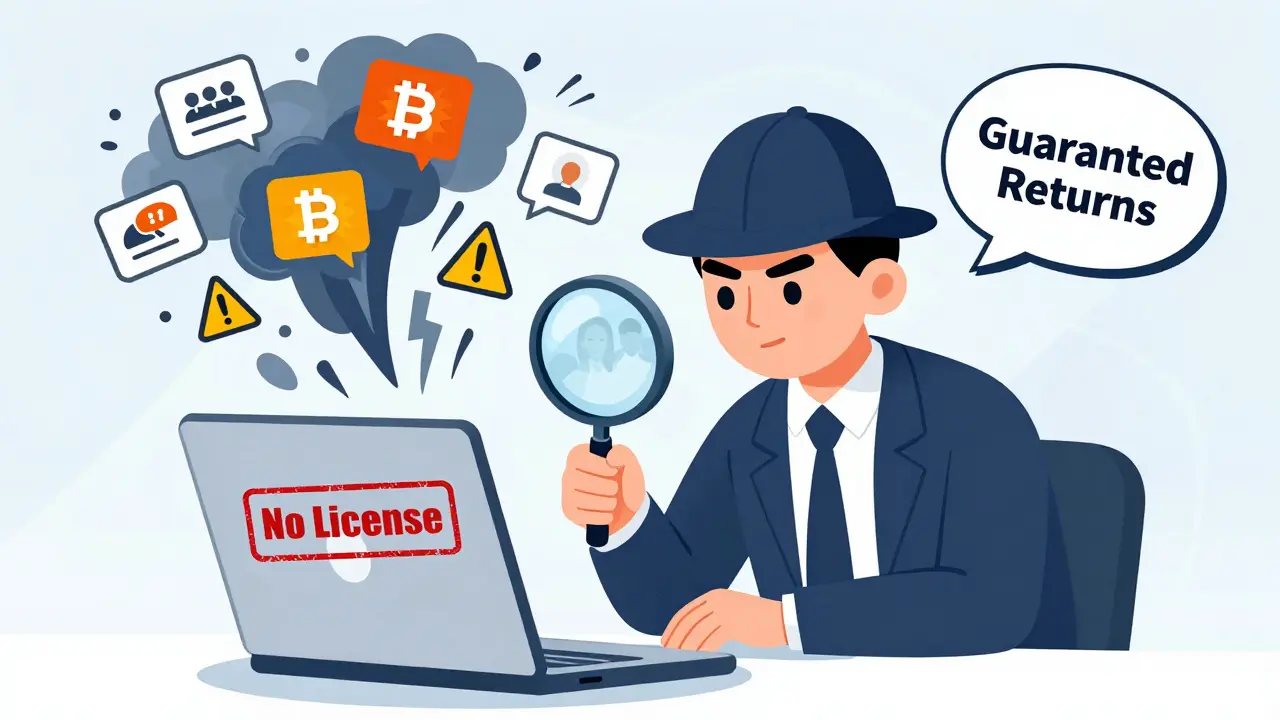
- Check Regulatory Status: Does the exchange list its licenses? In the US, look for registration with the FinCEN or state-level money transmitter licenses. In Europe, check for MiCA compliance. If they claim to be "global" but have no specific legal entity, run away.
- Verify Domain Age: Use tools like WHOIS to check when the domain was registered. New domains (less than a year old) promising high returns are high-risk.
- Search for Complaints: Look beyond their own website. Search "[Exchange Name] scam" or "[Exchange Name] review" on independent forums like Reddit or Trustpilot. If users are complaining about withdrawal issues, it’s a major red flag.
- Beware of Guaranteed Returns: No legitimate investment guarantees profit. Crypto markets are volatile. Any platform promising fixed daily or weekly returns is likely a Ponzi scheme.
Safe Alternatives: Where You Should Actually Trade
Avoiding scams is half the battle. The other half is choosing a platform that prioritizes your security, liquidity, and regulatory compliance. In 2026, several established exchanges offer robust, transparent, and safe environments for traders.
| Exchange | Best For | Security Features | Fee Structure | Regulatory Status |
|---|---|---|---|---|
| Coinbase | Beginners & US Users | 98% of assets in cold storage; SOC 1 Type II certified | Variable based on payment method (typically 0.5% - 3.99%) | Publicly traded (NASDAQ: COIN); fully regulated in US, UK, EU |
| Kraken | Security-Conscious Traders | Never hacked; 2FA mandatory; Proof of Reserves audits | Maker: 0.16%, Taker: 0.26% | Licensed in multiple jurisdictions; strict KYC/AML |
| OKX | Advanced Trading & Global Access | Multi-sig cold wallets; Private keys in RAM; Social Security Fund | Maker: 0.08%, Taker: 0.10% | Serves 100+ countries; compliant with local regulations |
| Gemini | Institutional & Retail Investors | Fully insured custodial services; Vault security | 0.03% - 3.49% depending on volume | NYDFS BitLicense holder; highly regulated |
Coinbase: The Standard for Safety
For most users, especially those in the United States, Coinbase remains the gold standard for reliability. As a publicly traded company, it is subject to rigorous financial reporting and regulatory scrutiny. Their security infrastructure is top-tier, with the vast majority of user funds held in offline cold storage. While their fees can be higher for small transactions, the peace of mind comes from knowing your money is backed by a company that cannot simply disappear overnight.
Kraken: Uncompromising Security
If security is your primary concern, Kraken is a standout choice. Since its launch in 2011, Kraken has never suffered a security breach resulting in loss of user funds. They employ mandatory two-factor authentication and maintain transparent proof-of-reserves audits. Their fee structure is also competitive for active traders, making it suitable for both beginners and professionals.
OKX: For Global and Advanced Users
OKX serves over 100 countries and offers a wide range of trading pairs and advanced features like margin trading and futures. They prioritize security by storing 95% of funds in multi-signature cold wallets and keeping private keys in volatile memory (RAM) rather than permanent storage, which makes them resistant to certain types of cyberattacks. However, always check if OKX is available and compliant in your specific region.
Decentralized Options: Trading Without Central Control
Some users prefer to avoid centralized exchanges entirely due to concerns about custody and regulation. Decentralized Finance (DeFi) platforms allow peer-to-peer trading without an intermediary.
Haveno is a notable example, launched on mainnet in 2024. It is a peer-to-peer exchange built on the Tor network, primarily designed for Monero (XMR) trading. Because it operates on a decentralized protocol, there is no central server to hack or shut down. However, these platforms require a higher level of technical knowledge. Liquidity can be lower, and setting up the software may be challenging for non-technical users. It is a legitimate alternative for privacy-focused traders, but it is not a replacement for the ease of use found on regulated exchanges like Coinbase or Kraken.
What to Do If You Have Already Sent Money to xCrypt
If you deposited funds into xcrypto.global or a similar suspicious platform, time is critical. Here are the immediate steps you should take:
- Contact Your Bank or Payment Provider: If you used a credit card, debit card, or bank transfer, contact them immediately. Explain that you were defrauded by a fraudulent merchant. Request a chargeback or recall of the funds. Success is more likely if you act within 24-48 hours.
- Report to Authorities: File a report with the Internet Crime Complaint Center (IC3) in the US, or your country’s equivalent financial crime unit. Provide all transaction details, screenshots, and communication logs.
- Change Passwords: If you created an account on the fraudulent site, change passwords for any other accounts where you reused the same credentials. Enable two-factor authentication everywhere.
- Monitor Your Credit: Fraudsters may have stolen personal information during the sign-up process. Consider placing a fraud alert on your credit files.
Recovering funds from crypto scams is difficult because blockchain transactions are irreversible. However, reporting the incident creates a paper trail that can help law enforcement track down operators and prevent others from falling victim.
Conclusion: Prioritize Verification Over Hype
The cryptocurrency space moves fast, and scammers are quick to capitalize on trends. Platforms like xCrypt thrive on urgency and secrecy. Legitimate exchanges do not hide. They publish their terms, display their licenses, and have years of operational history.
Before you trade anywhere, ask yourself: Is this platform regulated? Can I verify its identity? Are there independent reviews from real users? If the answer to any of these is no, keep your wallet closed. Stick to established names like Coinbase, Kraken, or Gemini. Your capital is worth protecting.
Is xCrypt a legitimate cryptocurrency exchange?
No. xCrypt, specifically operating under the domain xcrypto.global, is listed as a fraudulent trading platform by the California Department of Financial Protection and Innovation. It is no longer operational, and users have reported financial losses. It is not a safe or legitimate place to trade cryptocurrency.
How can I tell if a crypto exchange is a scam?
Look for red flags such as guaranteed high returns, lack of regulatory licenses, anonymous teams, and poor online reviews. Always verify the exchange's domain age and check if it is listed on government scam trackers like the DFPI Crypto Scam Tracker. Legitimate exchanges are transparent about their fees, security measures, and legal status.
What are the safest crypto exchanges in 2026?
Among the safest and most reputable exchanges are Coinbase, Kraken, Binance, and Gemini. These platforms are regulated, have strong security records (with no major breaches for Kraken and Binance), and offer transparent fee structures. Coinbase is particularly recommended for US users due to its public trading status and regulatory compliance.
Can I recover money lost to a crypto scam like xCrypt?
Recovery is difficult but not impossible. Immediately contact your bank or credit card provider to request a chargeback. Report the fraud to authorities like the IC3. While blockchain transactions are irreversible, banks may reverse fiat transfers if acted upon quickly. Never trust third-party "recovery services" that promise to get your money back for a fee, as these are often secondary scams.
Are decentralized exchanges safer than centralized ones?
Decentralized exchanges (DEXs) like Haveno eliminate counterparty risk since you hold your own funds. However, they come with different risks, such as smart contract vulnerabilities, phishing sites, and user error. They are generally less user-friendly and may have lower liquidity. For most beginners, regulated centralized exchanges offer better consumer protections and customer support.

Comments (5)

- Karthikeyan S
- June 6, 2026 AT 09:31 AM
omg another scam exposed 😭😭 why do people keep falling for this garbage?? i told my cousin not to touch xcrypt but he did it anyway and now hes crying lol 🤡📉 typical. these guys are so stupid they cant even read a basic warning sign. its like watching a train wreck in slow motion and you just wanna shake them but nah, let em burn 🔥💸

- Dinesh Pattigilli
- June 8, 2026 AT 03:54 AM
Look at the sheer incompetence of the masses. It is truly pathetic that individuals cannot discern a legitimate financial instrument from a fraudulent scheme without holding their hands. The article states the obvious yet the illiterate continue to deposit funds into voids. I have been trading since 2013 and never once considered such a dubious platform. Your lack of due diligence is embarrassing. Read the DFPI tracker before you waste my time with your ignorance.

- Madhu Menon
- June 10, 2026 AT 00:04 AM
There is a profound philosophical lesson here about trust in the digital age. We place our faith in algorithms and anonymous entities, forgetting that human greed is the constant variable. xCrypt is merely a symptom of a larger societal decay where value is detached from reality. We must question not just the platform, but our own desire for easy wealth. It is a mirror reflecting our collective insecurity.

- Narendra Kulkarni
- June 11, 2026 AT 21:46 PM
thanks for sharing this info! really helpful to know what to avoid. i was actually looking at some new platforms last week and almost signed up for something similar. glad i read this first. kraken seems like a solid choice based on what u said. will stick to the big names from now on. safe trading everyone!

- verna kennedy
- June 12, 2026 AT 17:30 PM
It is frankly astonishing that anyone would consider using an unregulated exchange in 2026. The regulatory frameworks are clear, and the consequences of ignoring them are severe. If you are still using platforms like xCrypt, you are not a victim; you are a participant in your own demise. Educate yourself or stay out of the market entirely. There is no middle ground for those who refuse to comply with basic security standards.