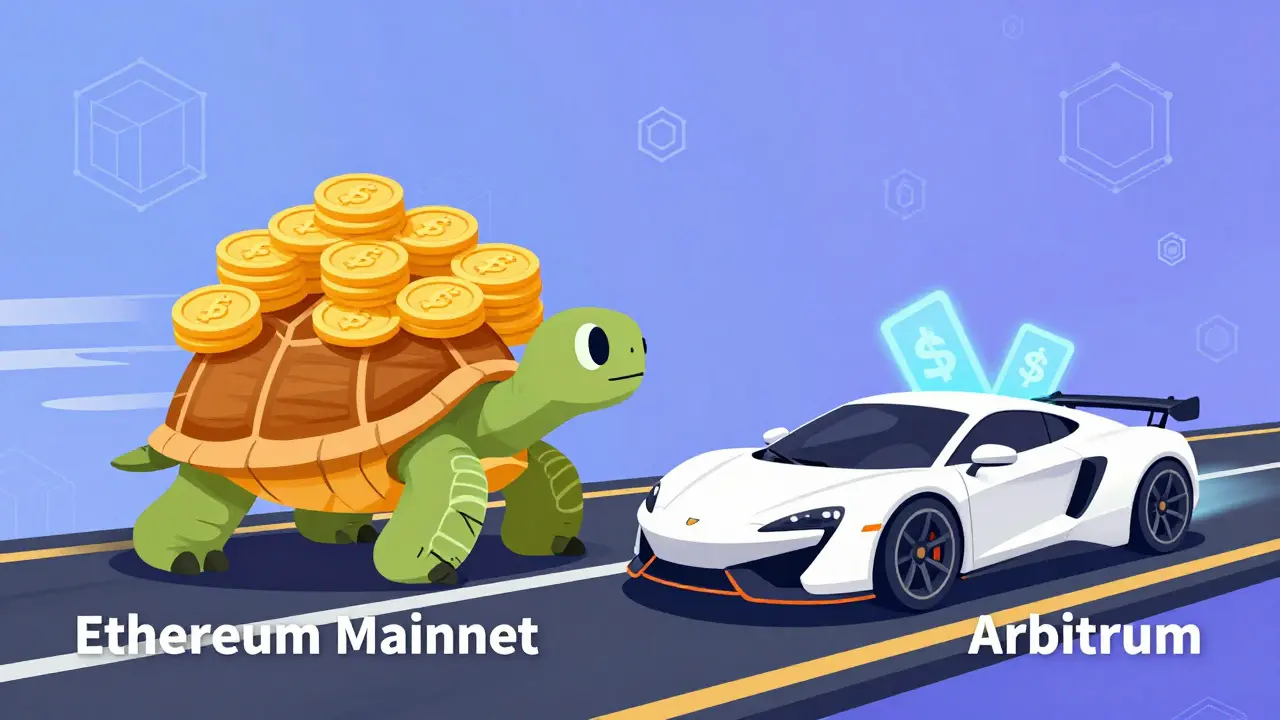

Trading crypto on Ethereum mainnet used to mean paying more in gas fees than the trade itself was worth. That reality shifted when Layer 2 solutions like Arbitrum emerged as a faster, cheaper alternative. Within this ecosystem, platforms like Swapr have gained traction among traders looking for low-cost swaps without sacrificing security.
If you are considering moving your assets to Arbitrum to use Swapr or similar decentralized exchanges (DEXs), you need to know what you are getting into. This review breaks down how these platforms work, the real costs involved, and whether the security model holds up against centralized competitors.
What Is Swapr on Arbitrum?
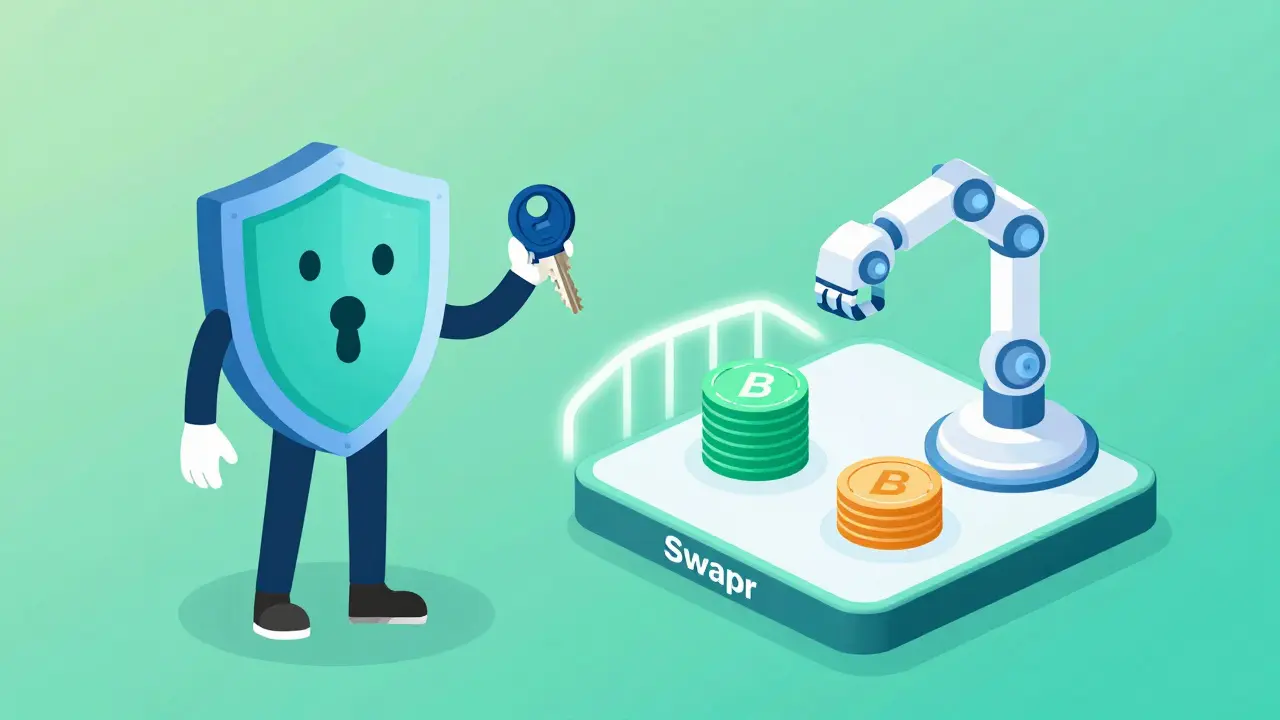
Swapr is a decentralized exchange protocol built specifically for the Arbitrum network. Unlike centralized exchanges such as Binance or Coinbase, Swapr does not hold your funds. Instead, it connects directly to your digital wallet, allowing you to swap tokens using automated market maker (AMM) technology.
The platform operates within the broader Arbitrum ecosystem, which is a Layer 2 scaling solution for Ethereum. Developed by Offchain Labs, Arbitrum processes transactions off-chain before posting the results to the Ethereum mainnet. This process reduces transaction costs by approximately 90-95% compared to standard Ethereum trades. For a trader, this means swapping $100 worth of tokens might cost less than a penny, whereas the same action on Ethereum mainnet could cost $15 or more during peak congestion periods.
Swapr leverages this infrastructure to provide near-instant finality. When you execute a trade, the network’s Sequencer organizes the transaction, and you typically see confirmation within seconds. The platform supports thousands of ERC-20 tokens, making it a versatile tool for accessing various DeFi assets without leaving the Arbitrum environment.
How Does the Trading Experience Work?
Using Swapr requires a few specific steps that differ from traditional banking or centralized crypto apps. First, you need a non-custodial wallet like MetaMask or Rabby. These wallets act as your gateway to the blockchain, storing your private keys locally rather than on a server.
- Connect Your Wallet: Visit the Swapr interface and click connect. Ensure your wallet is set to the Arbitrum One network. If you are new to Layer 2, you will need to add the Arbitrum RPC details manually or use a wallet that auto-detects networks.
- Bridge Assets: You cannot send Ethereum (ETH) directly from the mainnet to Swapr. You must bridge your ETH or other tokens from Ethereum mainnet to Arbitrum using an official bridge or a third-party service. This step usually takes a few minutes but can involve waiting for the initial deposit to confirm on Ethereum.
- Execute the Swap: Select the token pair you wish to trade. The interface shows you the estimated output, including slippage tolerance and price impact. Confirm the transaction in your wallet.
- Review the Trade: Once confirmed, the swapped tokens appear in your wallet balance almost instantly. You can then move them to another DEX, provide liquidity, or bridge them back to Ethereum if needed.
For technically proficient users, mastering this flow takes about 3-5 hours. Beginners may need 10-15 hours to feel comfortable with bridging and gas management. The learning curve is steeper than centralized exchanges, but the control over your assets is significantly higher.
| Feature | Swapr (Arbitrum) | Ethereum Mainnet DEX (e.g., Uniswap) |
|---|---|---|
| Average Gas Fee | $0.002 - $0.05 | $5.00 - $50.00+ |
| Transaction Speed | 0.8 - 1.2 seconds | 13 - 15 seconds (or longer) |
| Security Model | Optimistic Rollup (7-day challenge period) | Ethereum Consensus (Immediate finality) |
| Custody | Non-custodial (User holds keys) | Non-custodial (User holds keys) |
| Token Variety | Thousands of ERC-20 tokens | Thousands of ERC-20 tokens |
Fees and Costs: What You Actually Pay
One of the biggest draws of Swapr is the cost structure. On Ethereum mainnet, every interaction with a smart contract requires a gas fee paid in ETH. During high traffic, these fees skyrocket. On Arbitrum, because most computation happens off-chain, the gas fees remain consistently low.
However, "low fee" does not mean "no fee." You will encounter two types of costs:
- Network Gas Fees: Paid to the Arbitrum sequencer and validators. These are typically fractions of a cent.
- Protocol Fees: Swapr charges a small percentage on each trade, usually around 0.30%, which goes to liquidity providers. This is standard across most AMMs.
Additionally, there is the hidden cost of impermanent loss if you decide to provide liquidity rather than just swapping. When you deposit tokens into a pool, their value fluctuates relative to each other. If one token pumps hard while the other stays flat, you may end up with less value than if you had just held the tokens in your wallet. Understanding this risk is crucial before committing significant capital to liquidity pools.
Security and Risks: Is Your Money Safe?
Security in DeFi is different from traditional finance. With Swapr, you are trusting code, not a company. The platform relies on smart contracts deployed on the Arbitrum network. These contracts have been audited by firms like Trail of Bits and OpenZeppelin, which helps identify vulnerabilities before they can be exploited.
Arbitrum uses an "optimistic rollup" model. This means transactions are assumed to be valid unless someone proves otherwise. There is a 7-day challenge period where fraud proofs can be submitted. While this ensures security, it creates a delay for withdrawals back to Ethereum mainnet. If you need instant access to your funds on Layer 1, this delay can be problematic.
Key risks include:
- Smart Contract Bugs: Despite audits, code can contain errors. A vulnerability could allow hackers to drain funds from the protocol.
- Bridge Risks: Moving assets between Ethereum and Arbitrum involves bridges. Historically, bridges have been targets for large-scale hacks. Always use official or highly reputable bridges.
- User Error: Sending tokens to the wrong address or approving unlimited spending allowances can lead to irreversible losses. Double-check every transaction.
Arbitrum maintains a $100 million security fund to mitigate some of these risks, providing a buffer against potential exploits. However, no system is entirely immune to failure.

Liquidity and Token Availability
Liquidity determines how easily you can buy or sell a token without affecting its price. Swapr aggregates liquidity from various sources, ensuring deep pools for major pairs like ETH/USDC. For smaller or newer tokens, liquidity might be thinner, leading to higher slippage.
The platform supports a wide range of tokens native to Arbitrum, including GMX, ARB, and various governance tokens. If you are looking for obscure meme coins or newly launched projects, you may find better depth on other specialized DEXs or through direct contract interactions. Always check the liquidity depth before executing large trades to avoid unexpected price impacts.
Who Should Use Swapr?
Swapr is ideal for active traders who want to minimize friction and costs. If you are day trading or frequently rebalancing a portfolio, the low fees on Arbitrum make it economically viable to execute dozens of trades per day. It is also suitable for DeFi enthusiasts who want to participate in yield farming or governance without the prohibitive costs of Ethereum mainnet.
It is less suitable for beginners who are uncomfortable with self-custody or those who need immediate fiat on-ramps. Centralized exchanges still offer easier integration with bank accounts and customer support. If you prioritize simplicity over control, a centralized platform might be a better starting point.
Is Swapr safe to use?
Swapr utilizes audited smart contracts on the Arbitrum network, which provides Ethereum-level security. However, as with any DeFi platform, risks exist, including smart contract vulnerabilities and user error. Always verify contract addresses and start with small amounts to familiarize yourself with the interface.
How do I get tokens onto Arbitrum for Swapr?
You need to bridge your assets from Ethereum mainnet to Arbitrum. You can use the official Arbitrum Bridge or trusted third-party bridges like Hop Protocol or Synapse. Once bridged, your tokens will appear in your wallet on the Arbitrum network, ready for swapping on Swapr.
What are the fees for swapping on Swapr?
Swapr charges a standard trading fee of approximately 0.30% per transaction, which goes to liquidity providers. Network gas fees on Arbitrum are extremely low, often costing less than $0.05 per trade, making it much cheaper than Ethereum mainnet alternatives.
Can I withdraw my funds instantly?
Within the Arbitrum network, transactions are nearly instant. However, if you wish to withdraw funds back to Ethereum mainnet, you must wait for the 7-day challenge period to ensure security. This is a inherent feature of optimistic rollups.
Does Swapr support all cryptocurrencies?
Swapr supports thousands of ERC-20 tokens available on the Arbitrum network. It does not support non-EVM chains like Bitcoin or Solana directly. To trade these assets, you would need to use wrapped versions or cross-chain bridges.