Solana DAO: What It Is, How It Works, and Why It Matters
When you hear Solana DAO, a decentralized autonomous organization built on the Solana blockchain that lets token holders vote on decisions without a central team. Also known as Solana governance protocol, it’s how communities make rules, spend funds, and steer development—without needing CEOs or boards. Unlike old-school companies, a Solana DAO runs on code and collective votes. If you hold the right token, you get a say. No middlemen. No approval chains. Just smart contracts executing what the majority decides.
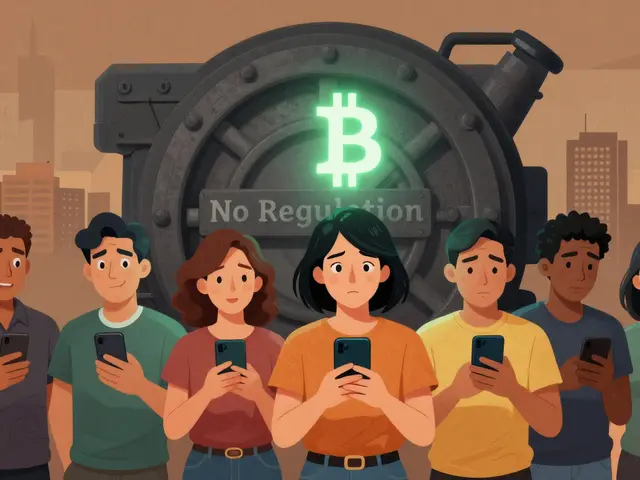
But here’s the catch: not every Solana DAO is the same. Some focus on funding builders through treasury votes. Others manage protocol upgrades like fee structures or validator rewards. A few even try to govern NFT collections or decentralized apps. The real power isn’t in the token itself—it’s in who holds it and how they use it. And that’s where things get messy. Many Solana DAOs have tiny voter turnout. Some tokens are concentrated in a few wallets. Others get flooded with bots or bought by whales just to swing votes. That’s why a lot of them end up looking more like advisory groups than true democracies.
That’s why the posts below dig into what actually works—and what doesn’t. You’ll find real examples of DAOs that failed because no one voted, others that got hacked because their treasury was poorly secured, and a few that actually moved the needle on Solana’s growth. You’ll also see how governance tokens like $SOL or project-specific tokens tie into voting power, what happens when liquidity dries up, and why some DAOs vanish overnight. This isn’t theory. It’s what’s happened. And if you’re holding any Solana-based token, you’re already part of this system—even if you didn’t know it.
Below, you’ll find no fluff. Just straight-up breakdowns of real DAOs, governance experiments, and the risks behind voting your tokens. Whether you’re trying to understand how your $SOL gives you influence, or you’re wondering why some projects never seem to make progress—this collection has the answers.
What is MetaDAO (old) (META) crypto coin? A clear breakdown of the Solana-based fair-launch protocol
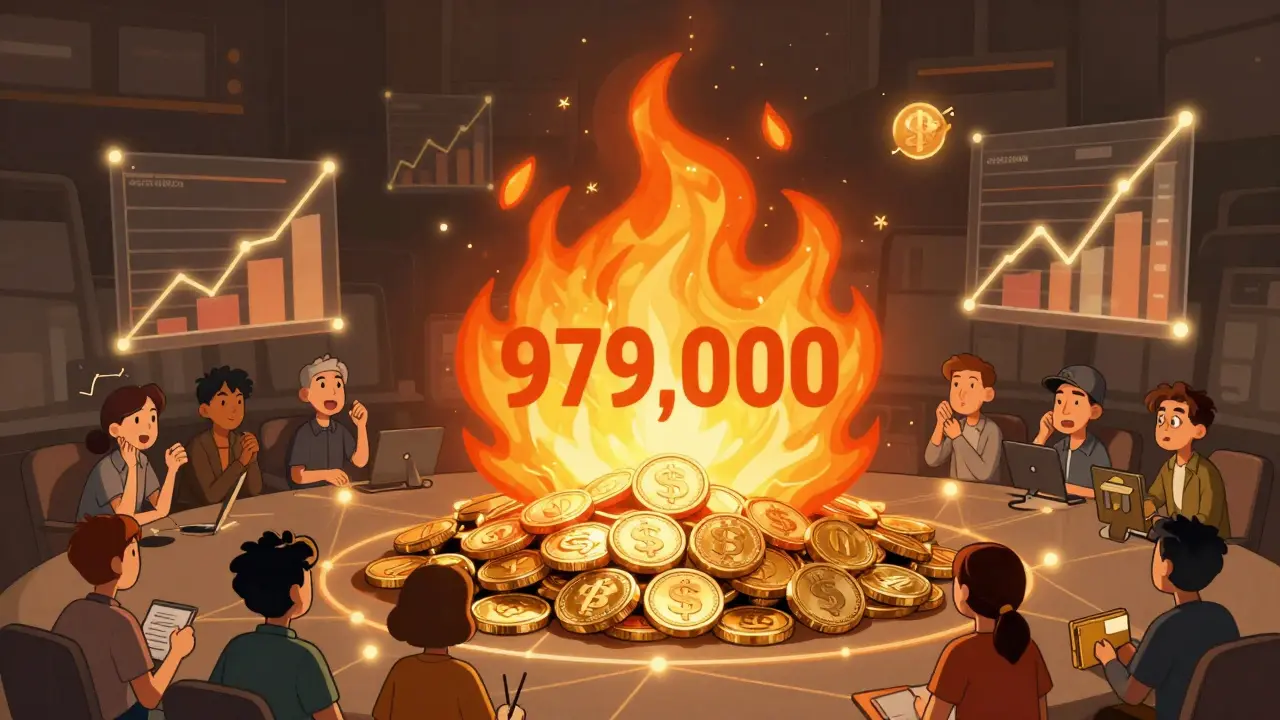

MetaDAO (META) is a Solana-based protocol that uses market-based voting to enable fair token launches. It burned 979,000 tokens to prove its commitment to decentralization and now helps new projects launch without insider advantage.