North Korea crypto: How state hackers steal billions to fund weapons
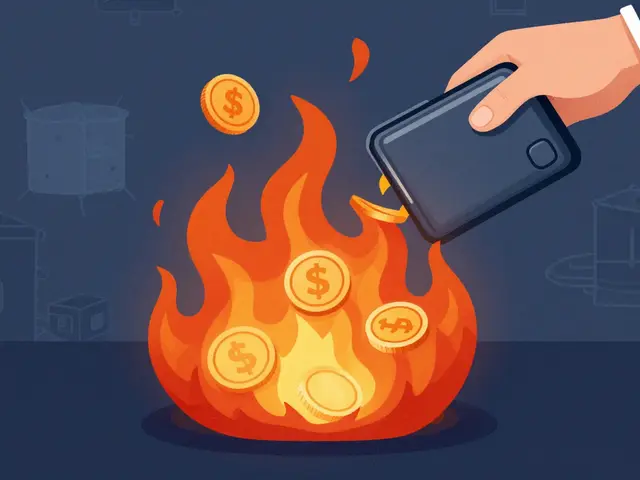
When you hear North Korea crypto, state-sponsored cryptocurrency theft used to finance weapons of mass destruction, think less about Bitcoin hype and more about armed missiles. This isn’t speculation—it’s documented. Since 2017, North Korean hackers have stolen over $3 billion in digital assets, according to Chainalysis and the UN. The money doesn’t go to citizens or infrastructure. It fuels nuclear warheads, ballistic missiles, and cyber warfare units. The Lazarus Group, a North Korean hacking collective linked to the country’s military intelligence runs this operation like a war department with a blockchain budget.
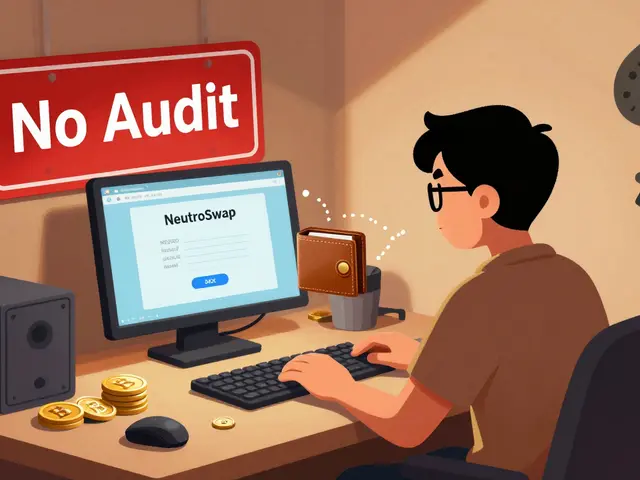
How do they pull it off? They don’t break into banks. They trick people. One hacker pretends to be a recruiter for a fake crypto job. Another creates a fake DeFi project that looks real—until your wallet is drained. They use crypto mixers, services that obscure the trail of stolen coins by blending them with clean funds to hide where the money goes. Then they convert it into cash through offshore exchanges or buy real estate in places with weak oversight. This isn’t random theft. It’s a coordinated, global evasion system designed to bypass U.S. and U.N. sanctions that block traditional banking. The same team behind the Sony Pictures hack and the WannaCry ransomware attack is now running crypto heists from Pyongyang.
And it’s working. While the world focuses on Bitcoin price swings, North Korea’s cyber units are quietly building a war chest in Ethereum, Monero, and stablecoins. The U.S. Treasury has sanctioned exchanges and wallets tied to these operations, but new ones pop up faster than they can be shut down. What makes this different from regular crypto scams? Scale and intent. A lone thief steals $50,000. North Korea steals $3 billion—and uses it to threaten global security. If you trade crypto, you’re indirectly part of this system. Every time you use an unregulated exchange, you might be helping launder stolen funds. Every time you ignore a scam airdrop, you’re avoiding a trap designed to feed this machine.
Below, you’ll find real cases, breakdowns of how these hacks work, and what you can do to avoid becoming part of the problem. This isn’t about getting rich. It’s about staying safe—and understanding who’s really pulling the strings behind the blockchain.
OFAC Sanctions on North Korean Crypto Networks: How the U.S. Is Stopping $2.1 Billion in Cyber Theft


In 2025, OFAC crushed North Korean crypto theft networks that stole over $2.1 billion, targeting fake IT workers embedded in U.S. startups. Here's how the scheme works and what companies must do to stay safe.