NIST PQC: What It Is and Why It Matters for Crypto Security
When you think about crypto security, you probably think of private keys, exchange hacks, or phishing scams. But there’s a quieter, bigger threat coming: NIST PQC, the U.S. National Institute of Standards and Technology’s program to standardize quantum-resistant cryptographic algorithms. Also known as post-quantum cryptography, it’s not science fiction—it’s the new foundation for protecting digital assets once quantum computers become powerful enough to break today’s encryption. Right now, Bitcoin, Ethereum, and most wallets rely on ECDSA and RSA—algorithms that a sufficiently large quantum computer could crack in minutes. That’s not a hypothetical. Google, IBM, and China’s quantum labs are already making progress. NIST PQC is the official response, and it’s already being baked into future systems.
NIST PQC isn’t just about one algorithm. It’s a whole family of math-based solutions designed to resist attacks from quantum machines. The finalists include CRYSTALS-Kyber for encryption and CRYSTALS-Dilithium for digital signatures—both chosen because they’re fast, efficient, and work well with existing blockchain infrastructure. This matters because blockchains can’t afford to pause for upgrades. If your wallet uses a vulnerable signature scheme, and a quantum computer appears tomorrow, your coins could be stolen without you even knowing. That’s why exchanges, wallet makers, and protocol developers are racing to adopt NIST PQC standards before it’s too late. Even if quantum computers aren’t here yet, the data being encrypted today could be harvested and decrypted later. This is called "harvest now, decrypt later," and it’s a real risk for long-term crypto holdings.
The shift to NIST PQC also affects how you think about security. It’s not just about keeping your seed phrase safe—it’s about trusting that the underlying math hasn’t been broken. Projects that ignore this transition risk becoming obsolete overnight. Meanwhile, newer chains and protocols building with quantum resistance in mind are already ahead. You’ll see this in upcoming wallet updates, new blockchain upgrades, and even in how airdrops and token launches are structured. The crypto world doesn’t move fast—but when it does, it moves hard. NIST PQC is one of those moments.
Below, you’ll find real-world examples of how this shift impacts crypto projects, exchanges, and everyday users. Some posts cover scams that exploit confusion around new tech. Others explain how blockchain teams are preparing for the quantum future. This isn’t theoretical. It’s happening now—and if you’re holding crypto, you need to understand it.
What Is Quantum-Resistant Cryptography and Why It Matters Now
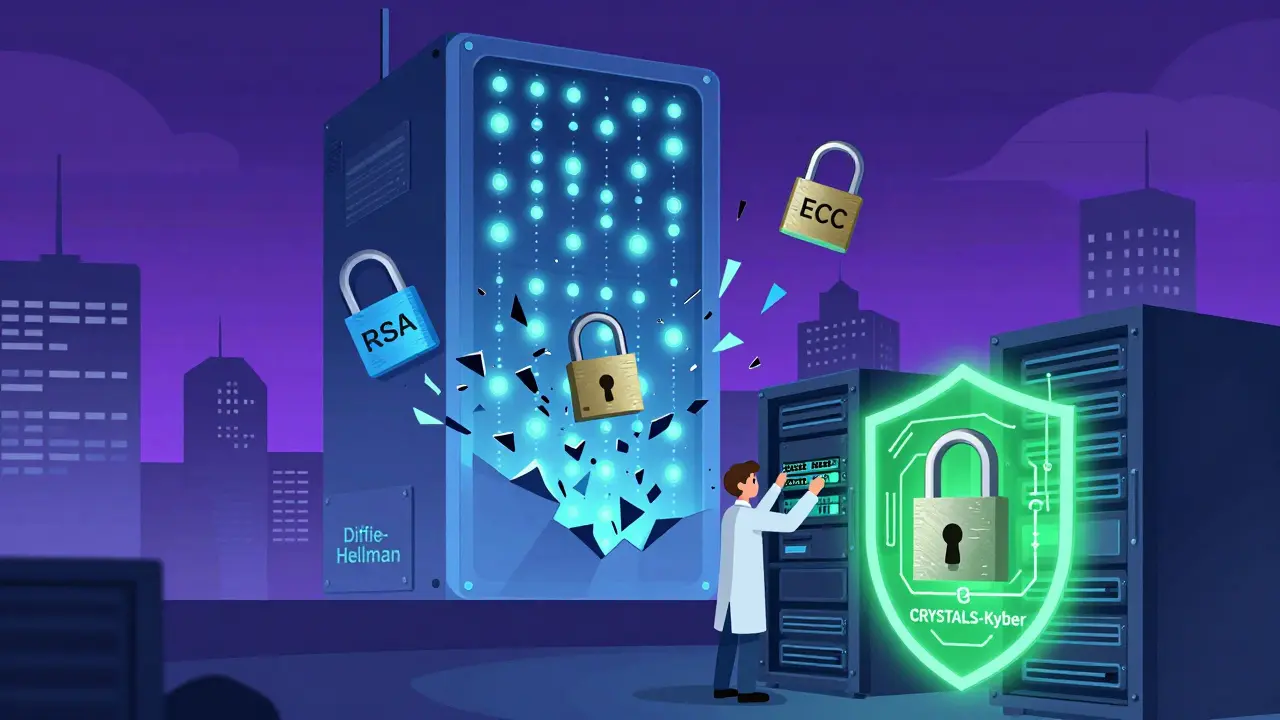

Quantum-resistant cryptography is the next generation of encryption designed to protect data from future quantum computer attacks. Learn how it works, why it matters now, and what you should do before 2030.