FTX Turkey: What Happened and What It Means for Crypto Users in Turkey
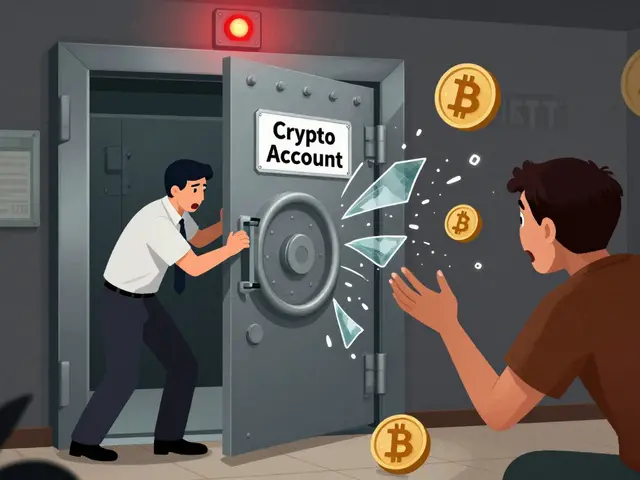
When FTX Turkey, the local branch of the now-defunct FTX exchange that served millions of Turkish crypto traders with low fees and Turkish Lira deposits. Also known as FTX TR, it was one of the most trusted platforms for buying Bitcoin and Ethereum with TRY before its sudden shutdown in 2022. FTX Turkey wasn’t just another exchange—it was a lifeline for people facing inflation, banking limits, and currency controls. Thousands relied on it to send money abroad, protect savings, and trade crypto without waiting weeks for bank approvals. But when the parent company FTX collapsed amid fraud allegations, FTX Turkey vanished overnight, leaving users locked out of their funds and the market in chaos.
What followed exposed how fragile centralized exchanges can be, especially in countries with weak financial protections. Turkish crypto regulations, a patchwork of warnings from the Central Bank and inconsistent enforcement by the Financial Crimes Investigation Board did little to shield users. Unlike in the U.S. or EU, Turkey never required exchanges to hold reserve audits or client fund segregation. So when FTX went down, there was no safety net. Meanwhile, crypto banking restrictions, rules that blocked Turkish banks from processing crypto-related payments made it harder for users to recover funds or move to other platforms. Even after the collapse, many Turks kept using crypto—not because they trusted exchanges, but because they had no better option.
The fallout reshaped Turkey’s crypto landscape. Platforms like Paribu, Binance TR, and Koinim stepped up, offering better transparency, local support, and compliance with new reporting rules. But trust is still fragile. Users now check if an exchange has local licenses, publishes proof-of-reserves, or allows direct bank withdrawals. The rise of P2P trading and no-KYC platforms shows how deeply people learned to protect themselves. What happened with FTX Turkey wasn’t just a business failure—it was a lesson in self-custody, regulation gaps, and the real cost of relying on someone else to hold your money.
Below, you’ll find real stories, expert breakdowns, and practical guides on how Turkish crypto users are navigating the aftermath—what to avoid, what’s still working, and how to stay safe when the next exchange crashes.
FTX Turkey Crypto Exchange Review: What Happened and Why It Collapsed


FTX Turkey collapsed in November 2022 after operating without a Turkish license. Learn why thousands lost their savings, how it compared to local exchanges, and what to avoid now.