
Imagine executing hundreds of trades a day and paying absolutely nothing in fees. For most traders, that sounds like a marketing gimmick, but Flipster is betting its entire business model on it. Launched as a crypto-native platform, Flipster has carved out a niche by offering over 350 perpetual futures contracts with up to 100x leverage, all while claiming zero spreads on major pairs. But does this "free" lunch come with hidden costs? If you're tired of watching your profits vanish into Binance's maker/taker fees, you've likely heard whispers about this challenger. This review cuts through the noise to tell you exactly what works, what doesn't, and whether Flipster deserves a spot in your portfolio in late 2026.
Key Takeaways
- Zero-Fee Model: Flipster eliminates standard trading fees via a zero-spread structure on top 20+ pairs, though ultra-low taker fees (0.025%-0.05%) may apply elsewhere.
- Crypto-Only Access: There are no fiat on-ramps; you must deposit cryptocurrency to start trading, which limits accessibility for beginners.
- High Leverage & Speed: Offers up to 100x leverage and rapid listing of new tokens, often within hours of their launch on other platforms.
- Strict Security Standards: Features ISO/IEC 27001 certification, Fireblocks custody, and an AAA Security Rating from CER.live.
- Mandatory KYC: Full identity verification is required, which can take 1-3 days and frustrates privacy-focused traders.
What Exactly Is Flipster?
At its core, Flipster is a specialized cryptocurrency derivatives exchange focused on perpetual futures and spot trading with a zero-fee incentive structure. Unlike generalist exchanges that try to be everything to everyone, Flipster targets active traders who prioritize speed, cost efficiency, and access to trending assets. It operates without a native token, distinguishing itself from competitors like Bybit (BIT) or OKX (OKB). Instead of rewarding users with governance tokens, it rewards them with lower transactional friction.
The platform was built to solve a specific pain point: fee erosion. In high-frequency trading, even a 0.1% fee adds up massively. According to Cryptorank.io, Flipster positions itself as a cost-efficient alternative to giants like Binance. While Binance offers over 500 spot pairs, Flipster focuses intensely on derivatives, hosting between 350 and 400 perpetual futures pairs depending on current listings. This specialization allows them to maintain tighter liquidity pools for these specific instruments, resulting in minimal slippage-a critical factor when you're leveraging 50x or more.
The Zero-Fee Promise: Reality vs. Marketing
Let's address the elephant in the room. How can an exchange survive without charging fees? The answer lies in the spread. Most exchanges charge a commission plus a spread (the difference between buy and sell prices). Flipster markets a "zero-fee" model, but technical reviews from FXEmpire clarify that this applies primarily to the spread on major pairs. You might still encounter ultra-low taker fees ranging from 0.025% to 0.05%. However, compared to the industry standard of 0.1%, this is a significant reduction.
For professional traders executing tens of millions in volume daily, every basis point counts. A senior analyst at CryptoNews noted that for high-frequency strategies, Flipster delivers "the lowest effective trading cost." But if you are a casual investor buying $100 of Bitcoin once a month, the difference between 0.05% and 0.1% is negligible-about five cents. So, is it worth switching? Only if your volume justifies the effort of moving your capital.
| Feature | Flipster | Binance | Bybit |
|---|---|---|---|
| Primary Focus | Derivatives & Perpetuals | All-in-one (Spot, Futures, Earn) | Derivatives & Spot |
| Trading Fees | Zero Spread / Ultra-low Taker | 0.1% Standard Maker/Taker | 0.02% Maker / 0.055% Taker |
| Fiat On-Ramp | No (Crypto Only) | Yes (Bank Transfer, Card) | Yes (Card, P2P) |
| Leverage Max | 100x | 125x | 100x |
| New Token Listings | Rapid (Hours) | Moderate (Days) | Moderate (Days) |
| Native Token Utility | None | BNB (Fee Discounts) | BIT (Fee Discounts) |
Security and Trust: Can You Sleep Well?
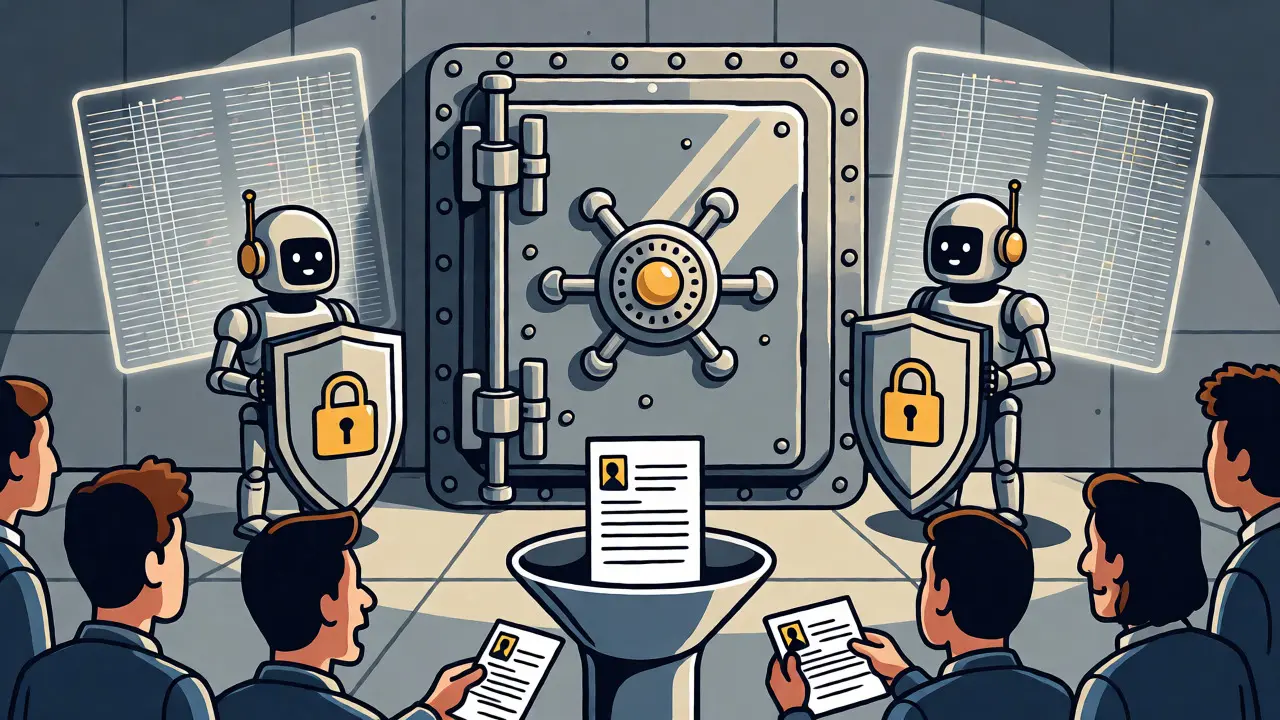
In the post-FTX era, trust is the most expensive currency. Flipster seems to understand this anxiety. The platform holds an ISO/IEC 27001 security certification, a gold standard for information security management. More importantly, it uses institutional-grade MPC (Multi-Party Computation) cold-wallet custody powered by Fireblocks. This means your keys aren't sitting in a single vulnerable server; they are split across multiple devices and locations.
CER.live awarded Flipster an AAA Security Rating, placing it among the top 13 most secure exchanges globally. Additionally, they publish Proof of Reserves certified by Hacken, a reputable blockchain security firm. This transparency allows users to verify that the exchange actually holds the assets it claims to hold. However, CoinPedia notes that mandatory KYC (Know Your Customer) processes remain a barrier. You cannot trade anonymously here. Verification typically takes 1-3 business days and requires government ID and proof of address. If you value privacy above all else, this might be a dealbreaker.
Trading Experience and Tools
The user interface is designed for speed. One standout feature is the "Instant Flip" tool. If you are long on Bitcoin and the market suddenly dumps, you can reverse your position to short with a single click. This is invaluable during volatile swings when seconds matter. The mobile apps for iOS and Android are responsive, allowing you to manage leverage and stop-losses on the go.
Another interesting addition is the Earn Campaign feature. You can earn up to 22% APR on stablecoins like USDT without locking your funds. This effectively pays you to keep capital idle while waiting for a trade setup. Reddit users have praised this dual utility, noting that earning yield while holding collateral for perpetual futures creates a powerful compounding effect. However, be cautious: high yields often correlate with higher risk or promotional periods that may end abruptly.
The Downsides: Who Should Avoid Flipster?
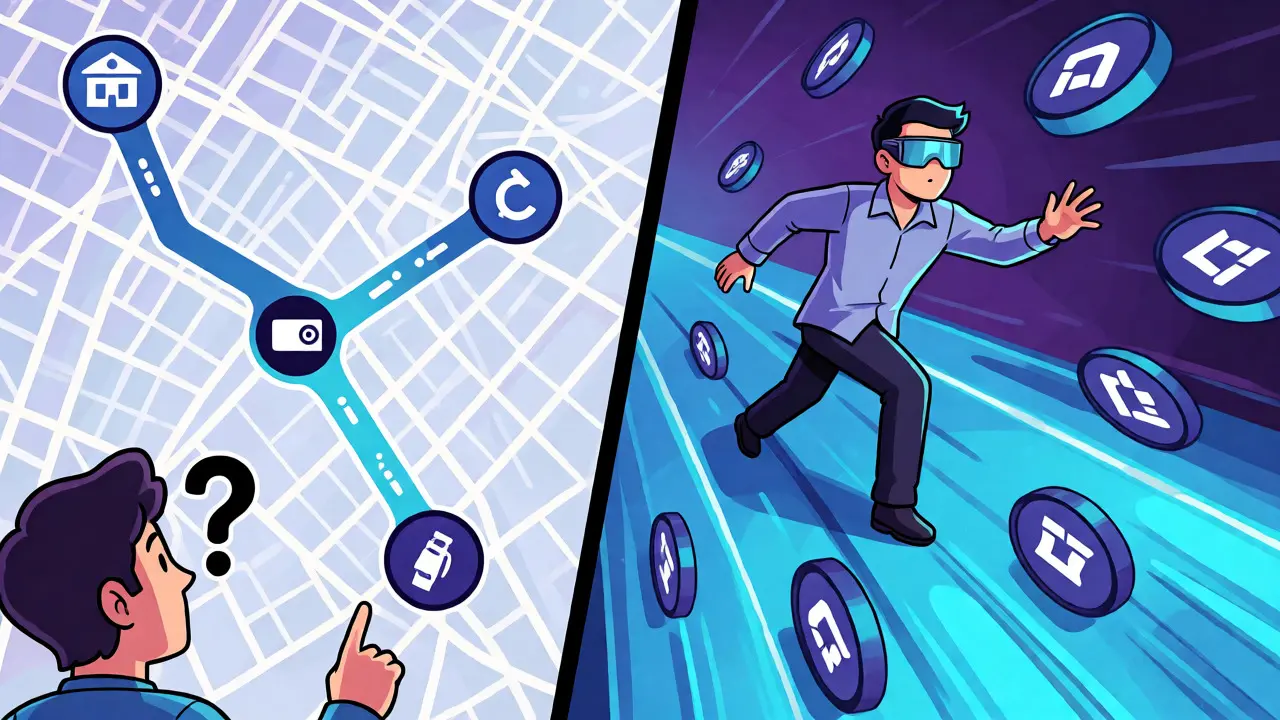
It’s not all sunshine and zero fees. The biggest limitation is the lack of fiat support. You cannot connect a bank account or use a credit card directly on Flipster. You must first buy crypto on another exchange (like Coinbase or Kraken) and then transfer it to Flipster. This adds steps, network fees, and potential delays for newcomers.
Furthermore, liquidity on newly listed altcoin perpetuals can be thin. While Flipster lists new tokens faster than anyone else-sometimes within hours of their launchpad debut-the order books may not be deep enough for large trades. Slippage can eat into your profits if you aren't careful. Finally, customer support, while available 24/7 via live chat, has mixed reviews regarding response times during off-hours, averaging 22 minutes according to aggregated user data.
Final Verdict: Who Is Flipster For?
Flipster is not for the beginner who wants to buy Bitcoin with a debit card and forget about it. It is a specialized tool for active traders, specifically those using leverage and derivatives. If you are a high-volume trader frustrated by Binance's fees, or a degen chasing new meme coins before they hit major exchanges, Flipster offers a compelling proposition. The combination of rapid listings, tight spreads, and strong security makes it a serious contender in the derivatives space. Just remember: bring your own crypto, complete your KYC early, and manage your leverage wisely.
Does Flipster really have zero trading fees?
Flipster advertises a zero-fee model primarily by eliminating spreads on major perpetual futures pairs. However, some sources indicate that ultra-low taker fees (between 0.025% and 0.05%) may still apply to certain transactions or less liquid pairs. It is significantly cheaper than the industry standard of 0.1%, but not necessarily free in every single scenario.
Can I deposit USD or EUR directly into Flipster?
No, Flipster is a crypto-only exchange. It does not support fiat on-ramps such as bank transfers or credit card deposits. You must deposit cryptocurrency (such as BTC, ETH, or USDT) from another wallet or exchange to start trading.
Is Flipster safe to use?
Flipster maintains strong security standards, including ISO/IEC 27001 certification, Fireblocks custody solutions, and an AAA Security Rating from CER.live. They also provide Proof of Reserves audits by Hacken. However, as with any centralized exchange, there is inherent counterparty risk, so never store more than you are willing to lose.
How long does KYC verification take on Flipster?
Verification typically takes 1 to 3 business days. Users report that submitting clear images of government-issued IDs and proof of address helps speed up the process. Delays often occur if documents are blurry or inconsistent.
Does Flipster have a native token?
No, Flipster does not have a native utility token like Binance (BNB) or Bybit (BIT). Their value proposition relies on low trading costs and fast execution rather than token-based fee discounts or governance rights.