
Imagine a world where your gaming time directly powers the next generation of artificial intelligence. That is the premise behind Glades (GLDS), a cryptocurrency token built to bridge the gap between human interaction and machine learning. While the crypto space is filled with thousands of projects promising the moon, Glades attempts to solve a very specific problem: how do we gather massive amounts of training data for AI models in a decentralized way? By October 2023, this ultra-small-cap token had captured attention as a niche experiment within the Solana ecosystem, offering users a "Play-to-Train" model. However, diving into the specifics reveals a project that sits on the fringes of the market, far removed from the giants like Bittensor or Fetch.ai. If you are considering investing or just curious about the mechanics, understanding exactly what GLDS is-and isn't-is critical before moving forward.
The Core Concept Behind Glades
At its heart, Glades operates as a utility token designed to facilitate interaction with artificial intelligence technology through a gamified system. Most cryptocurrencies try to build a payment network or a governance layer. Glades takes a different angle by focusing on the computational work required to train AI. This is often a bottleneck for developers who need high-quality datasets. The project proposes that instead of hiring expensive labor or paying for centralized cloud services, users can contribute to these datasets by playing games or completing tasks.
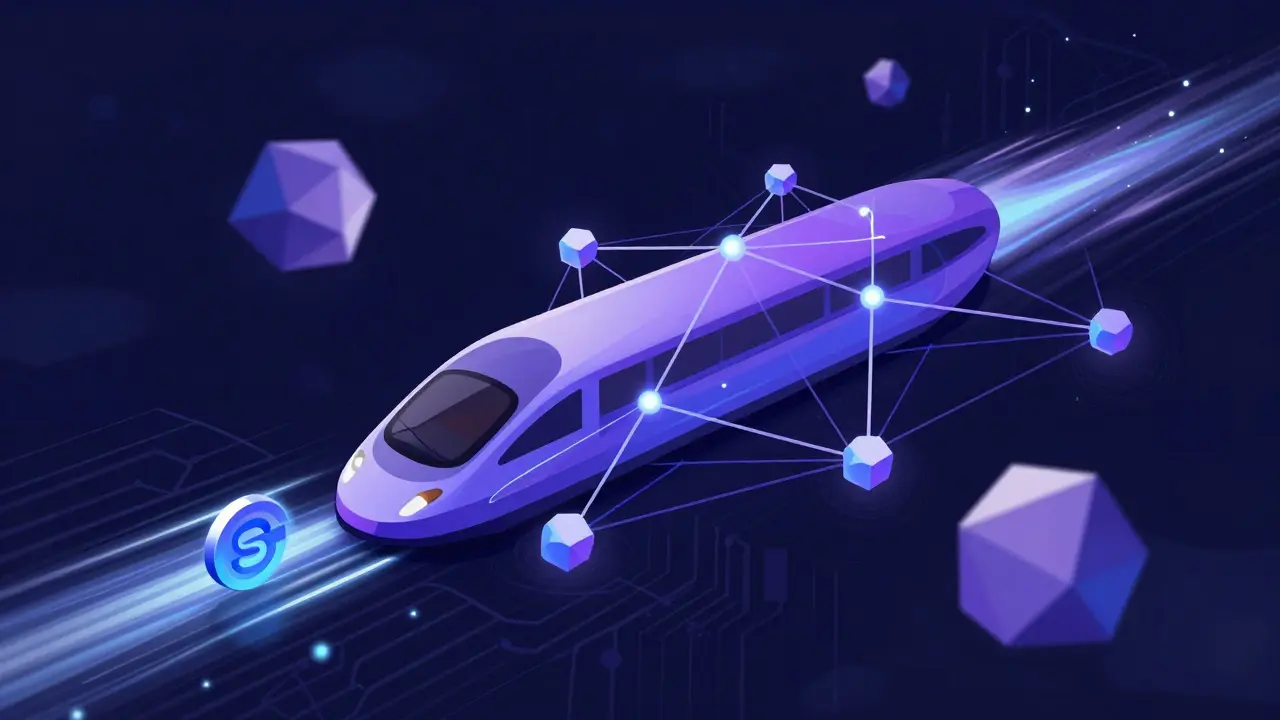
This approach relies heavily on the efficiency of its underlying blockchain. Glades is constructed entirely on the Solana Network. Solana was chosen because of its ability to process thousands of transactions per second with negligible fees. For a token that requires frequent micro-transactions for rewards, Ethereum's gas fees would kill the economics immediately. With Solana, the overhead is minimal, allowing the "Pay-to-Train" mechanic to actually function mathematically. Users interact with smart contracts that validate their gameplay contributions, minting GLDS tokens as rewards for useful data inputs. Theoretically, this creates a flywheel: more players mean more data, which means better AI models, which theoretically increases the token value.
Technical Architecture and Blockchain Choice
Understanding the tech stack is vital when analyzing Glades (GLDS). Unlike Ethereum-based tokens that might require bridging assets or dealing with complex Layer-2 solutions, GLDS lives natively on Solana. This simplifies the user experience significantly. You do not need to swap bridges or worry about cross-chain complexity. The token functions as a standard SPL (Solana Program Library) token. This means any wallet compatible with Solana-like Phantom or Solflare-can hold it.
The infrastructure relies on Raydium for liquidity provision. Raydium is the dominant decentralized exchange (DEX) on Solana. When you see the official website pointing users to "Buy on Raydium," that is not an arbitrary choice; it is the primary venue for price discovery. Because GLDS is not listed on major centralized exchanges like Binance or Coinbase, the entire trading volume happens on the DEX. This has implications for slippage. If you try to sell a large amount of GLDS, you might move the price significantly due to thin order books. This is typical for tokens with lower liquidity depth.
Market Reality: Volume and Capitalization
Here is where the conversation shifts from technical promise to market reality. As of the latest tracked data from late 2023, the circulating supply sat at approximately 950 million tokens. However, the market capitalization was extremely modest, hovering around $320,000 USD. To put this in perspective, the total AI cryptocurrency market segment was valued at over $2 billion at that time. Glades represented less than 0.015% of the sector.
Why does this matter? Market cap acts as a proxy for adoption and stability. A sub-million dollar valuation usually indicates a project in the very early stages of development or testing. It also signals high risk. Daily trading volumes were recorded at under $3,100 across all markets. Compare that to established AI coins like Bittensor (TAO) or Fetch.ai (FET), which trade millions of dollars daily. This limited liquidity means that even a relatively small buy order can spike the price artificially, while a small sell order can crash it. This volatility makes long-term holding difficult unless you are prepared to exit strategies carefully.
Comparing Glades to Established AI Tokens
You cannot understand GLDS without seeing where it fits among its peers. The AI crypto sector is dominated by heavyweights that have been around longer and possess robust developer communities.
| Feature | Glades (GLDS) | Bittensor (TAO) | Fetch.ai (FET) |
|---|---|---|---|
| Blockchain Base | Solana | Own Chain (Substrate) | Ethereum / Cosmos |
| Core Utility | Play-to-Train AI | Decentralized ML Network | Autonomous Agents / IoT |
| Market Cap Status | Ultra Small Cap (<$1M) | Large Cap ($1B+) | Mid/Large Cap (~$500M) |
| Liquidity Risk | High | Low | Medium |
| Primary Exchange | Raydium (DEX) | Binance, Coinbase | Binance, FTX (Alt) |
The table highlights a stark difference in maturity. Bittensor focuses on a broader infrastructure layer for decentralized machine intelligence, essentially creating a decentralized version of Google Search. Fetch.ai builds autonomous economic agents that can execute tasks on the internet. Glades zooms in specifically on the training data collection phase via gamification. While the other two compete for global dominance in AI computing power, Glades competes for a share of user engagement. The strategy is distinct: rather than building the engine, they are building the pump that fills the tank.
How to Acquire and Store GLDS
If you decide to participate in the ecosystem, the process follows a standard Solana workflow, but it requires precision. First, you need a self-custody wallet. Phantom Wallet is the gold standard here. It offers browser extensions and mobile apps. Once set up, you fund it with SOL (Solana's native token) because GLDS trades in SOL pairs.
- Navigate to the Raydium website and connect your wallet.
- Find the GLDS/SOL pair in the search bar.
- Check the liquidity pool depth before swapping.
- Set your slippage tolerance settings (often 1% to 5% for volatile pairs).
- Confirm the transaction on-chain.
A critical step often overlooked is verifying the contract address. Scammers frequently create fake versions of popular tokens. Always double-check the address against the official project links or trusted aggregators like CoinGecko. Never click a link from an unknown direct message on social media.
Risk Factors and Challenges
Investing in ultra-small-cap assets involves specific pitfalls that do not exist in blue-chip investments. The primary risk here is illiquidity. If you buy $500 worth of GLDS and later decide to sell, there may not be enough buyers in the pool to absorb your sale without crashing the price. CoinPaprika data indicated a single active market for a long stretch, which reduces the probability of finding a counter-party instantly.
Furthermore, the project has faced scrutiny regarding its transparency. While Solscan allows you to view all transactions publicly, access to the underlying GitHub repositories or whitepapers has been inconsistent. Many small projects rely on private communication channels that dry up. Unlike larger projects that post weekly updates and audits, smaller tokens like GLDS may go months without significant communication. This lack of visibility means you cannot easily gauge whether development is happening behind the scenes or if the project is dormant.
Regulatory uncertainty is another layer. The intersection of AI and crypto is currently under intense watch by bodies like the SEC. Projects that claim to tokenize AI processing could run afoul of securities regulations. While Glades frames itself as a utility token for a game, regulators might view the reward mechanisms differently depending on jurisdiction. This regulatory fog adds a non-technical risk to your holdings.
Frequently Asked Questions
Is Glades (GLDS) a good investment?
Determining if it is "good" depends on your risk appetite. Due to its tiny market cap and liquidity issues, it carries extremely high risk. You should never invest money you cannot afford to lose into ultra-small-cap tokens that lack deep liquidity pools or major exchange listings.
Where can I buy GLDS tokens?
Currently, GLDS is primarily traded on the Raydium decentralized exchange on the Solana blockchain. You will need SOL in a Solana-compatible wallet to swap for GLDS directly on the platform.
Does Glades run on Ethereum?
No, despite some confusion in older documentation, authoritative sources confirm GLDS is built on the Solana blockchain. Using a Solana wallet is necessary to hold these tokens.
What is the Play-to-Train model?
This is a mechanism where users complete interactive tasks or play games to generate data that helps train AI models. In return for providing this valuable training data, users are rewarded with GLDS tokens.
Can I mine GLDS?
You cannot mine GLDS in the traditional sense (Proof of Work). Instead, participation rewards come from engaging with the platform's gamified training interface or staking, depending on the specific program features released at the time.
Navigating the landscape of Glades (GLDS) requires a clear head and realistic expectations. It represents a fascinating experimental intersection of Web3 gaming and Artificial Intelligence, utilizing the speed of Solana to make the economics viable. However, the raw numbers tell the story of a niche project with limited traction compared to the titans of the industry. Before committing resources, ensure you fully grasp the liquidity constraints and the speculative nature of the asset.
Comments (10)

- Sean Carr
- March 27, 2026 AT 20:57 PM
Glad you covered the Solana part clearly. It makes a lot of sense why they picked that network instead of Ethereum for micro rewards. Low fees are everything when you want to gamify data collection for AI. Hope the team delivers on the roadmap soon.

- Zackary Hogeboom
- March 29, 2026 AT 00:43 AM
Honestly I was skeptical about another AI coin until I read the section on Raydium. That liquidity situation sounds rough though tbh. Small caps like this either moon or dump hard based on volume. Still interesting concept regardless.

- Alex Kuzmenko
- March 29, 2026 AT 14:49 PM
i think u missed the point about market cap being so low. its crazy how small the cap is compared to bittensor. maybe we shud wait before buying anything risky like this one though. dont know much bout ai coins myself.

- Alex Lo
- March 31, 2026 AT 09:48 AM
This article really explains why the token matters now. First off teh blockchain choice is crucial for speed. Then you consider the gas fees on ethereum killing transactions. Solana handles thousands per second easily. That helps the play to train model work better. Most projects fail because of cost issues like dat. Here the overhead stays minimal which is good. Users get rewarded for playing games instead of mining. It creates a flywheel effect theoreticaly speaking. More players mean more data for the models. Better models mean higher token value potentialy. We have seen similiar attempts flop in the past though. Liquidity is still a huge concern for new traders. Thin order books can crash prices instantly. Slippage becomes a nightmare when trying to exit positions. Volatility makes holding it very stressful for normal folks. Everyone needs to understan the risks involved here. I hope the developers fix the suppy issue soon. Its clear they need more adoption to succed eventualy. Just my two cents on the whole situation.

- Lisa Miller
- April 1, 2026 AT 23:10 PM
You make such great points about the risks involved here. It is definitely important to do due diligence before investing anything. I love how optimistic this community is about AI tech though. Keep sharing info like this everyone.

- Beverly Menezes
- April 3, 2026 AT 10:27 AM
Looks like a small project with big ambitions.

- Michael Nadeau
- April 5, 2026 AT 05:04 AM
The intersection of human effort and machine learning creates unique economic incentives. We must consider whether this utility holds value beyond speculation. Technology serves us best when aligned with genuine human contribution. Such experiments define the future of digital labor markets.

- Ronald Siggy
- April 5, 2026 AT 07:07 AM
Stop worrying about the competition and focus on the utility. If the tech works the rest follows naturally. Buy low and hold steady if you believe in the thesis. Most people panic sell too early anyway.

- Tiffany Selchow
- April 7, 2026 AT 02:50 AM
Another scam waiting to happen probably. These guys always promise the moon and give nothing. Why should anyone trust a tiny coin like this again. Maybe save your money for something real.

- Cara Boyer
- April 8, 2026 AT 15:37 PM
The central banks do not want you to own this token freely. They fear decntralized intelligence more than anything else. GLDS represents freedom from the matrix system. Trust is essential but verification remains paramount :) :D. Be ware of the agents watching the charts. They track every transation made on chain. Stay safe and protect your digital assets fiercely.