
Have you seen the buzz about a CHIHUA airdrop and wondered if it’s real or just another ghost in the machine? If you’re digging through forums and Twitter threads trying to find hard facts on the Chihua Token, you’ve probably hit a wall of confusion. The reality is messy. There isn’t one clear, verified CHIHUA airdrop happening right now that matches the hype you might expect from major projects like Arbitrum or Starknet. Instead, you’re looking at a mix of dormant contracts, potential name overlaps with older projects, and a serious lack of transparent data.
This article cuts through the noise. We aren’t here to hype you up with vague promises of getting rich quick. We’re here to look at the cold, hard data available as of late September 2026. If you are holding MX tokens or waiting for a payout, you need to know exactly what you are dealing with before you connect your wallet to some random website claiming to be the official distribution hub.
The Identity Crisis: CHIHUA vs. HUAHUA
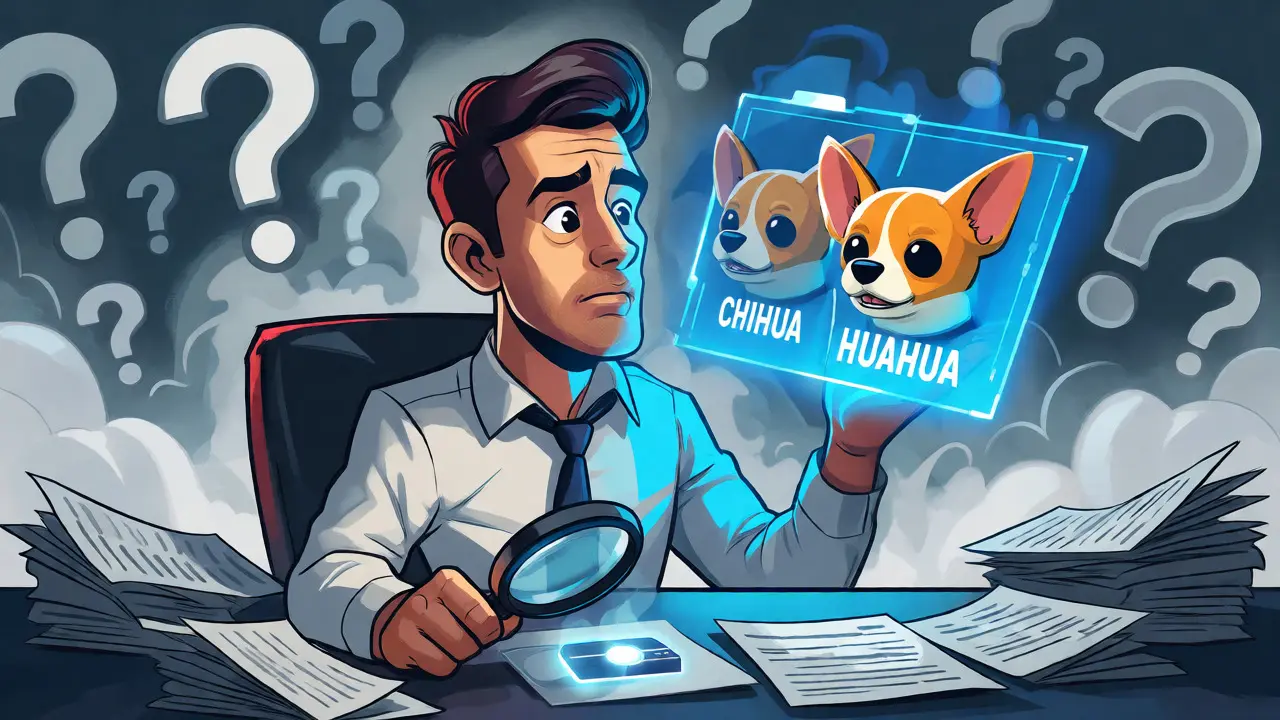
First things first: names matter in crypto. If you type "Chihuahua" into a search engine, you will likely run into two different entities that often get mixed up. One is the HUAHUA token, associated with the Chihuahua Chain. This project actually did an airdrop back in January 2022 via MEXC Exchange. They distributed over 7 million tokens to users who staked MX tokens. That ship has sailed. It was a community-driven meme coin experiment that had its moment in the sun years ago.
Then there is the Chihua Token (CHIHUA) itself. This is the one currently causing the stir. According to listings on CoinMarketCap, this token describes itself as a "community answer to Doge Coin and Shiba Inu." But here is the kicker: the data shows zero circulating supply and zero total supply in many trackers. How can you have an airdrop if there is no supply recorded? It suggests either the contract hasn't fully deployed, the data feeds are broken, or the project is effectively dead in the water. Don’t let the similar names fool you; participating in an HUAHUA event won’t get you CHIHUA tokens.
Tokenomics: The Burn Mechanism Explained
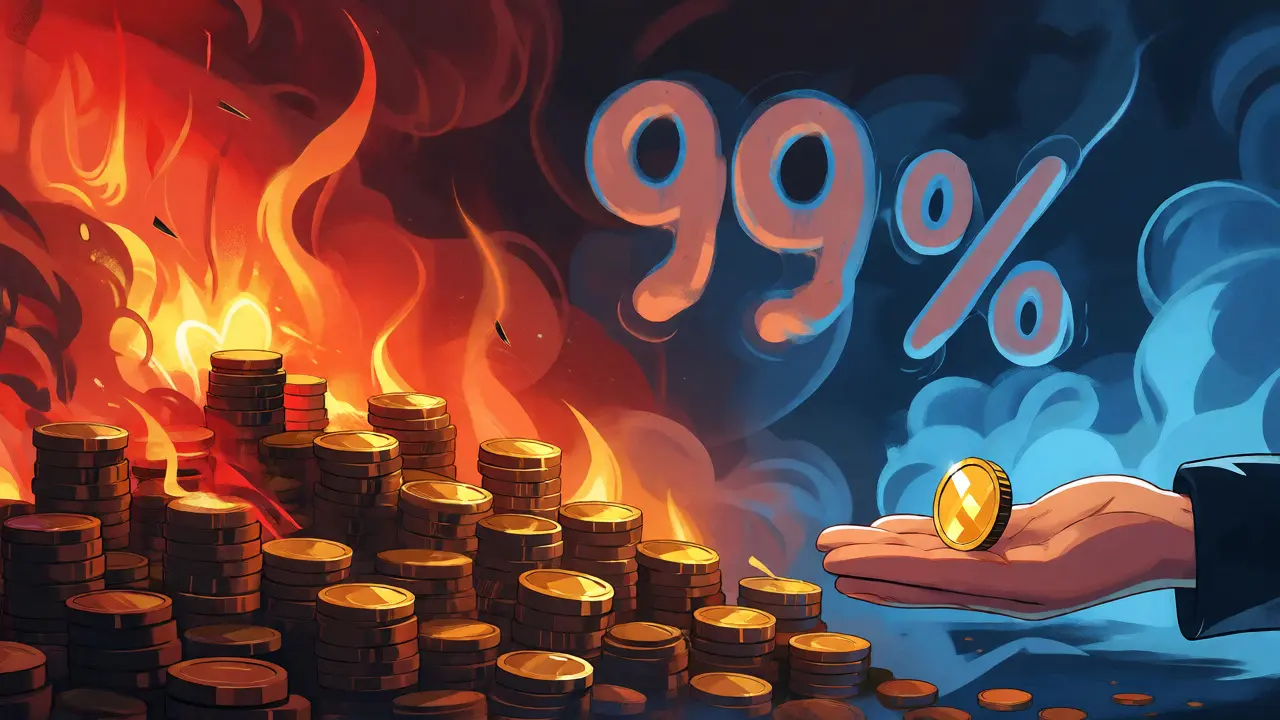
Let’s look at how the Chihua Token claims to work. The whitepaper or basic description highlights a "fair launch" model. The idea is simple: everyone, including founders, bought tokens on Uniswap. No pre-mining, no VC dumps. Sounds good, right? But the mechanics get aggressive. The project states that 51% of the total supply was burned immediately. Another 48% went to Uniswap liquidity and was subsequently burned. That leaves only 1% for marketing and development.
Why does this matter for an airdrop? Because burning 99% of your supply creates artificial scarcity. If the remaining 1% is held by early buyers and the team, where do the airdropped tokens come from? Usually, airdrops require minting new tokens or taking them from a reserve. If the supply is already fixed and mostly burned, any new distribution dilutes the value significantly or requires a complex re-minting process that hasn't been clearly explained. This structural opacity is a red flag for anyone expecting a straightforward drop.
| Attribute | Chihua Token (CHIHUA) | Chihuahua Chain (HUAHUA) |
|---|---|---|
| Status | Inactive / Low Volume | Active Community (Historical) |
| Airdrop Date | Unverified / Pending | January 2022 |
| Exchange | Uniswap (DEX) | MEXC Exchange |
| Supply Status | Reported Zero Circulating | Distributed 7.2M Tokens |
| Main Feature | Burn-heavy Meme Coin | Governance & Community Pool |
Is There Actually an Active Airdrop?
Here is the blunt truth: there is no widely recognized, active CHIHUA airdrop campaign running today with verified eligibility criteria. If you saw a tweet saying "Connect Wallet to Claim CHIHUA," proceed with extreme caution. In the current landscape of 2026, legitimate airdrops usually follow a pattern: retroactive rewards for activity on a specific chain, points systems for testnet usage, or staking requirements on a known exchange.
The Chihua Token lacks these standard markers. There are no official announcements from a verified social media handle detailing snapshot dates, vesting schedules, or claim windows. Without a snapshot date, you cannot know if your wallet qualifies. Without a claim window, you risk missing out-or worse, falling for a phishing scam that mimics the name.
Risk Assessment: Why Caution is Key
When market data shows zero volume and zero price, liquidity is non-existent. Even if you receive tokens, selling them might result in massive slippage or simply failing transactions because there are no buyers on the other side. The Chihua Token operates on the Ethereum network, which means gas fees apply. Paying $20-$50 in gas to claim a token worth $0.0001 is a bad trade.
- Scam Potential: Name similarity is a common tactic. Scammers create fake sites using names like "Chihua-AirDrop.com" to steal seed phrases.
- Data Lag: Tracking sites like CoinGecko or CMC often lag behind actual contract changes. Do not rely solely on these numbers.
- Contract Risk: Verify the contract address on Etherscan. Look for "Verified" status and check if the owner can mint more tokens.
How to Verify Legitimacy Yourself
Don’t take our word for it. Here is your checklist before you interact with any smart contract related to CHIHUA:
- Check the Contract Address: Copy the address from CoinMarketCap (starting with 0x26ff...) and paste it into Etherscan. Does it show recent transactions? Are there holders?
- Look for Official Links: Does the project have a verified Twitter/X account with blue checks? Is the link in their bio consistent across platforms?
- Community Sentiment: Search Reddit or Telegram for "Chihua Token." Are people complaining about scams? Or are they discussing real utility?
- Liquidity Locks: Check if the LP tokens are locked. If the developers can pull liquidity at any time, the token is worthless regardless of the airdrop.
If you cannot find answers to these questions quickly, assume the airdrop is not ready or not real. In crypto, FOMO (Fear Of Missing Out) is the enemy of profit. It is better to miss a small drop than to lose your entire portfolio to a malicious approval transaction.
The Broader Context: Crypto Airdrops in 2026
To put this in perspective, the airdrop sector has matured. In 2024 and 2025, billions were distributed via protocols like Hyperliquid, Meteora, and Monad. These projects had clear user bases, measurable on-chain activity, and transparent point systems. The Chihua Token feels like a relic of the 2021 meme coin boom, where novelty outweighed substance. If you are looking for airdrops with real value, focus on Layer 2 networks and DeFi protocols with high Total Value Locked (TVL). Random meme coins with unclear tokenomics rarely sustain long-term value after the initial hype fades.
Is the CHIHUA airdrop live right now?
As of September 2026, there is no confirmed, widely publicized live airdrop campaign for the Chihua Token (CHIHUA) with verified eligibility lists. Most data indicates low activity or inactive status. Always verify via official channels before connecting your wallet.
What is the difference between CHIHUA and HUAHUA?
HUAHUA is the token for the Chihuahua Chain, which completed a notable airdrop in January 2022 via MEXC. CHIHUA is a separate meme token on Ethereum that claims a fair launch but currently shows minimal trading volume and unclear supply metrics. They are distinct projects.
Where can I buy Chihua Token?
The Chihua Token is primarily listed on decentralized exchanges like Uniswap. However, due to low liquidity and reported zero circulating supply in some trackers, trading may be difficult or subject to high slippage. Check Etherscan for the most accurate contract interaction history.
Are airdrop scams common for meme coins?
Yes. Scammers frequently target niche meme coins with confusing names. They create fake websites asking you to "claim" tokens, which then drain your wallet. Never share your private key or sign unknown transactions without verifying the contract address on a block explorer.
Does Chihua Token have a maximum supply?
Initial reports suggested a maximum supply of 490 trillion tokens, but 99% of this was reportedly burned during the launch phase. Current on-chain data may reflect this burn, leading to discrepancies in reported circulating supply figures across different aggregators.