WMD Funding: What It Is, Who Uses It, and Why It Matters in Crypto
When we talk about WMD funding, the use of financial systems to support weapons of mass destruction programs. Also known as proliferation finance, it's not about Bitcoin being used to buy nukes—it's about how bad actors try to move money through obscure crypto channels to fund nuclear, chemical, or biological weapons programs. This isn't science fiction. The UN, FATF, and U.S. Treasury have all flagged crypto as a potential vector for WMD funding, especially when wallets avoid KYC, use mixers, or operate in unregulated jurisdictions.
That’s why crypto AML, anti-money laundering systems built into exchanges and wallet providers. Also known as crypto compliance, it's the frontline defense against WMD funding. Exchanges like CoinDCX and WazirX don’t just check your ID because they’re being picky—they’re legally required to spot patterns that could link to sanctioned entities. If someone tries to send $50,000 from a wallet tied to a North Korean mining pool, AML tools flag it. The same tools that catch drug money also catch funding for WMDs.
And it’s not just about big players. financial sanctions, legal restrictions on transactions with certain countries, groups, or individuals. Also known as targeted asset freezes, they’re enforced globally and affect crypto users too. If you’re trading on a no-KYC exchange and your wallet interacts with a blacklisted address—even unknowingly—you could get frozen out. That’s why compliance isn’t just for corporations. It’s for anyone holding crypto in a world where regulators track every chain.
Look at the posts here. You’ll find deep dives into how exchanges like Arbidex and Libre Swap collapsed because they ignored compliance. You’ll see how the UAE’s removal from the FATF grey list unlocked real banking access by tightening AML rules. You’ll read about crypto business checklists that include WMD funding controls as a core requirement. This isn’t theoretical. It’s the reason some platforms exist and others vanish overnight.
WMD funding might sound distant, but it’s shaping the rules you live by every time you trade, stake, or swap crypto. If you’re building a business, using DeFi, or just holding assets, you’re already in the system. The difference between staying in and getting locked out? Knowing what’s being watched—and why.
How North Korea Funds WMD Programs with Stolen Cryptocurrency
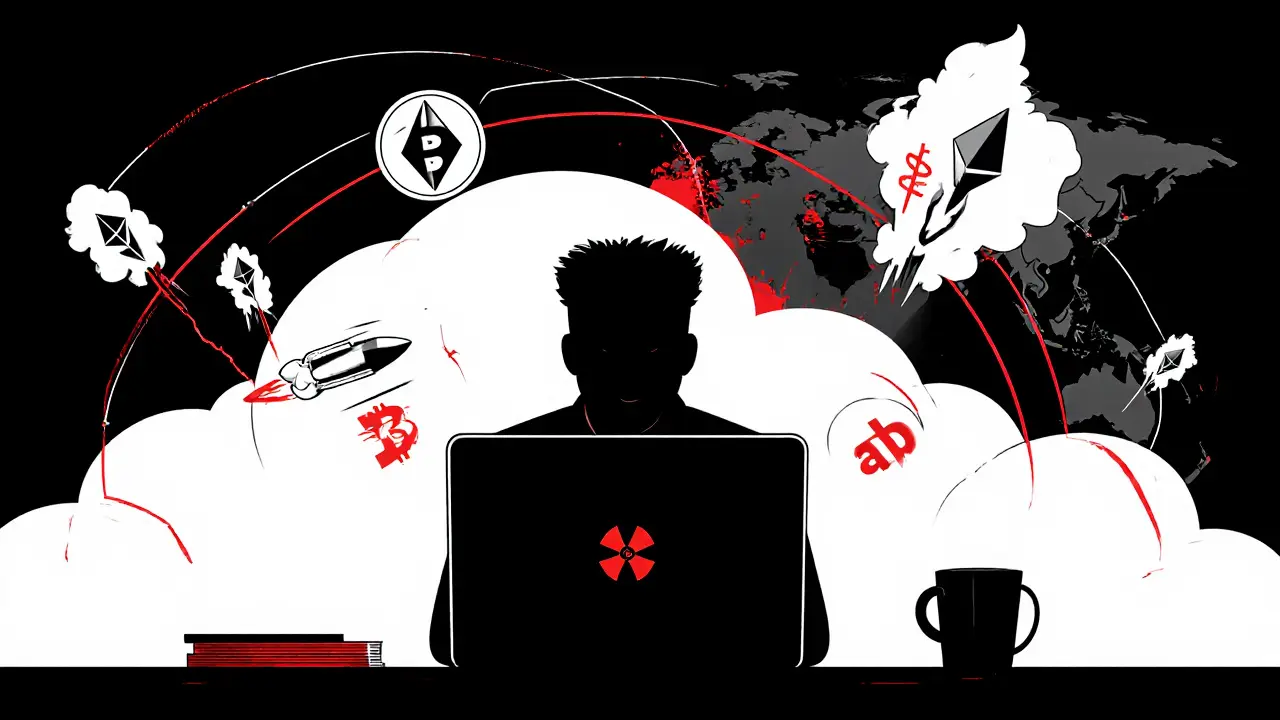

North Korea has stolen over $3 billion in cryptocurrency since 2017 to fund its nuclear and missile programs. State-sponsored hackers use social engineering, crypto mixers, and global networks to evade sanctions and bypass traditional financial controls.
Categories
Popular Articles