Turkish Crypto Exchange
When people in Turkey look for a Turkish crypto exchange, a digital platform where residents buy, sell, or trade cryptocurrency using local currency like the Turkish lira. Also known as local crypto trading platform, it’s often the only way to access digital assets without relying on international banks that block crypto-related transactions. Since 2021, Turkey has not banned crypto—but it has made it harder to use traditional banking to move money in and out of exchanges. That’s why most traders turn to peer-to-peer (P2P) marketplaces or exchanges that accept bank transfers directly, even if they don’t require ID verification.
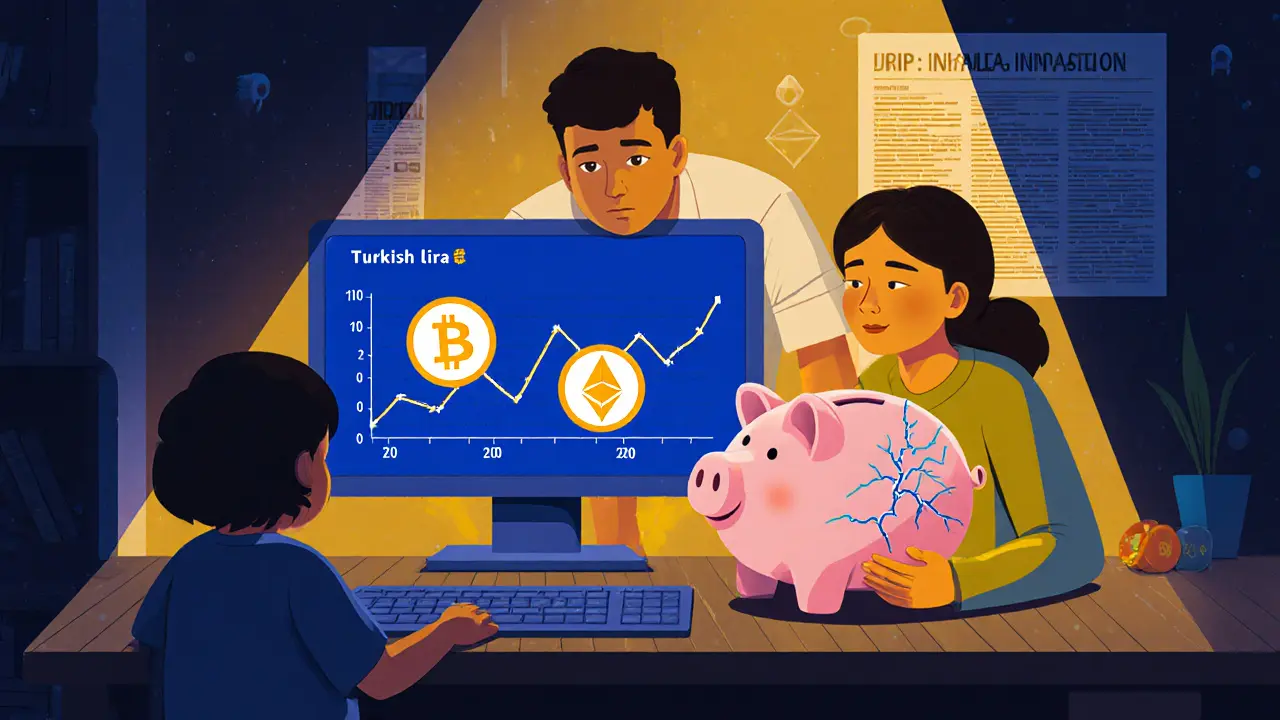
Many Turkish users rely on Binance, a global exchange that adapted to Turkey’s rules by offering a local P2P gateway and Turkish lira deposits as their main hub. Others use Paribu, a homegrown exchange built for Turkish traders with local support, fast lira deposits, and low fees. These platforms aren’t just convenient—they’re essential. With inflation hitting over 60% in 2023, crypto became a lifeline for saving money, not just gambling on price swings. People aren’t just trading Bitcoin—they’re using it to protect their savings from currency collapse.
But it’s not all smooth sailing. Turkey’s financial watchdog, the Capital Markets Board, has cracked down on unregistered platforms. Exchanges that don’t follow local AML rules get blocked. That’s why you’ll see warnings about Binance and KuCoin in some articles—they’re not banned outright, but they can’t process direct lira deposits anymore. So if you’re trading in Turkey, you need to know which exchanges still accept bank transfers and which ones rely on risky workarounds like gift cards or crypto-to-crypto swaps. Security is also a big concern. Scammers love targeting Turkish users with fake apps and phishing sites that look like Paribu or Binance. Always double-check URLs and never share your seed phrase.
What you’ll find below are real reviews and deep dives into the platforms Turks actually use. You’ll see which exchanges still work in 2025, what fees they charge, how fast withdrawals go through, and which ones have been flagged for fraud. There’s also coverage on how people bypass banking limits, what legal risks they face, and how to spot a scam before it steals your crypto. This isn’t theory—it’s what’s happening on the ground in Istanbul, Ankara, and Izmir right now. Whether you’re new to crypto or have been trading for years, the posts here give you the facts you need to trade safely and smartly in Turkey’s tricky digital finance landscape.
FTX Turkey Crypto Exchange Review: What Happened and Why It Collapsed

FTX Turkey collapsed in November 2022 after operating without a Turkish license. Learn why thousands lost their savings, how it compared to local exchanges, and what to avoid now.
Categories
Popular Articles